REVIEW · ROTTERDAM
Rotterdam Walking Tour and Harbor Cruise
Book on GetYourGuide →Operated by HTG Services · Bookable on GetYourGuide
Rotterdam hits different because it was rebuilt on purpose. You’ll walk past WWII scars and big ideas, then calm things down with a 75-minute harbor cruise that shows the city from the water. My favorite part is seeing Blom’s cubic houses in person, because they look like architecture that got bored of being flat.
What I like most is the pace and focus: a private guide keeps the story tight, from the city center to the places that actually survived the war. The one thing to consider is the walking. You’ll cover about 3 hours on foot, so bring comfortable shoes and avoid dragging heavy bags.
In This Review
- Key Highlights You’ll Care About
- Rotterdam’s WWII Rebuild: Why the City Feels So Intentional
- Start at the Destroyed City Statue (Ossip Zadkine) and Get Your Bearings Fast
- Blom’s Cube Houses: Abstract Like a Tree, Weird Like a Dream
- Old Harbor Streets, Laurens Church, and What Actually Survived
- Market Hall: First Covered Market in the Netherlands, Opened in 2014
- The 75-Minute Harbor Cruise: Calm Water, Big Views, Real Context
- Who This Private Rotterdam Tour Is Best For
- Price and Value: $188 per Person Makes Sense If You Want a Guide + Cruise Combo
- Guide Quality: What the Tour Gets Right
- Practical Tips for Your Day in Rotterdam
- Should You Book This Rotterdam Walking Tour and Harbor Cruise?
- FAQ
- FAQ
- How long is the Rotterdam Walking Tour and Harbor Cruise?
- Where do we meet for the tour?
- What languages are offered for the private guide?
- What’s included in the price?
- Is food or drinks included?
- What should I wear or bring for the walking portion?
Key Highlights You’ll Care About
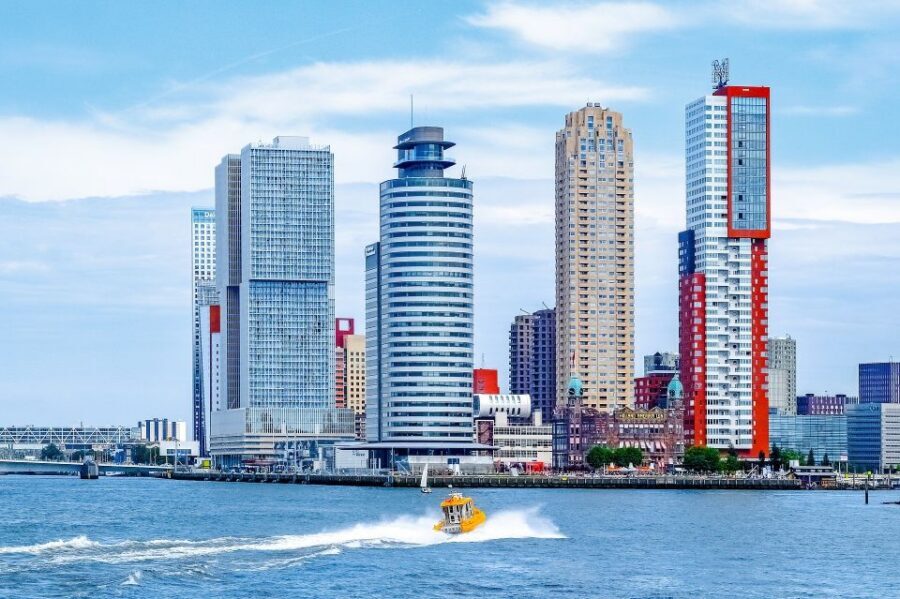
- Blom’s 38-cube complex feels like an urban forest in concrete form
- Destroyed City (Ossip Zadkine statue) sets the tone for Rotterdam’s post-war rebuild
- Old harbor area + historic survivors like Laurens Church and the town hall
- The sales gutter: a portion of the shopping area that sits below ground
- Market Hall: the first covered market in the Netherlands, opened in 2014
Rotterdam’s WWII Rebuild: Why the City Feels So Intentional
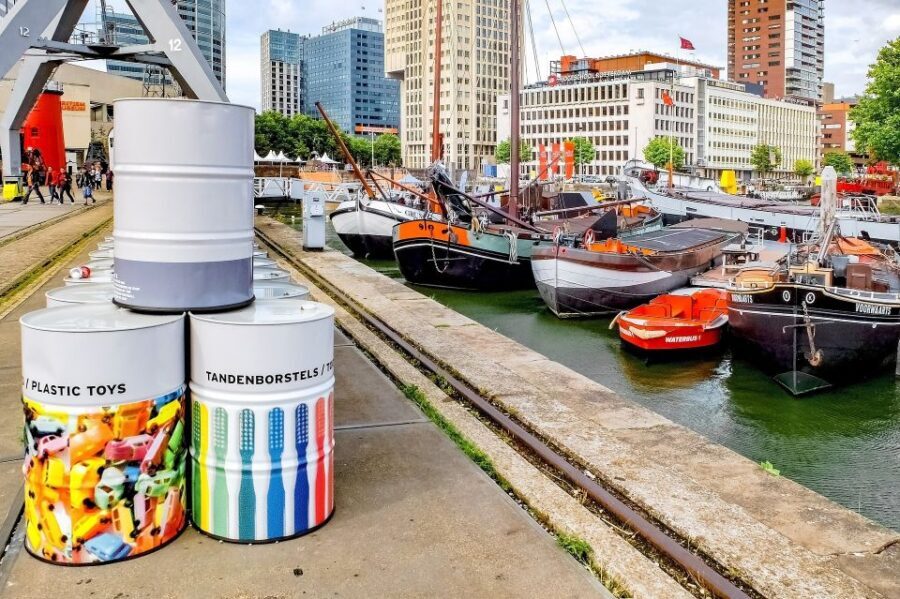
Rotterdam can look futuristic at first glance, but the real magic is how clearly the city explains itself. This is a place shaped by destruction in World War II, then rebuilt with a mindset that said, let’s not rebuild the old way. Instead, Rotterdam went for daring design—new streets, new buildings, and modern architecture that’s meant to work with daily life, not just impress from a distance.
That theme follows you on the walk. Even when you’re looking at something playful, like the cube houses, you’re also learning how the city recovered and repositioned itself. If you’ve ever visited a city where history feels locked behind walls, Rotterdam is the opposite. Here, the past and future are on the same sidewalk.
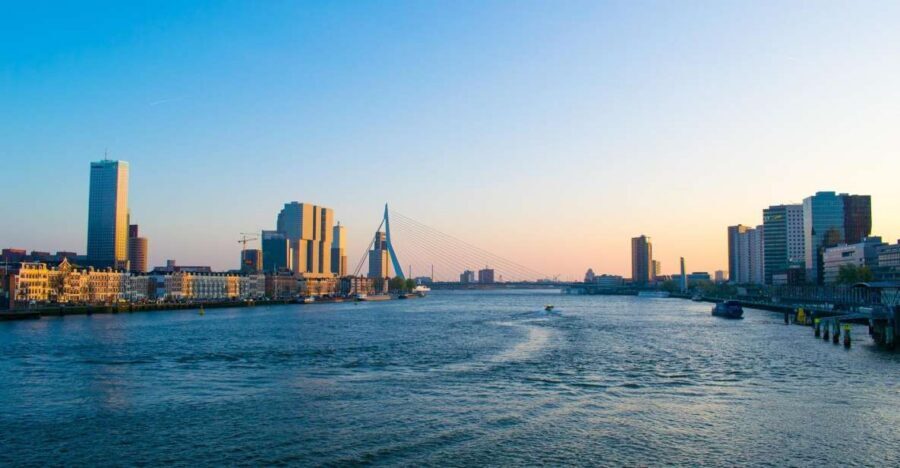
And yes, the harbor part matters. Rotterdam is a port city, so the water isn’t a scenic extra. It’s part of the logic of the city’s shape and energy.
You can also read our reviews of more walking tours in Rotterdam
Start at the Destroyed City Statue (Ossip Zadkine) and Get Your Bearings Fast
Your meeting point is the Destroyed City (Ossip Zadkine statue), at 3011 TK Rotterdam. It’s the right place to begin because it doesn’t sugarcoat anything. You start with the idea of damage and loss, then you immediately head toward what replaced it.
From there, the tour moves at a relaxed walking pace so you can actually read what you’re seeing. A private guide helps a lot here. You don’t just receive a list of sights; you get a route that makes sense. That matters in Rotterdam because neighborhoods and styles shift quickly. The better your route, the less you end up with that annoying feeling of chasing landmarks instead of understanding them.
You’ll also get to hear how different eras show up in the cityscape: surviving structures, bold replacements, and modern additions that still support a working city today.
Blom’s Cube Houses: Abstract Like a Tree, Weird Like a Dream
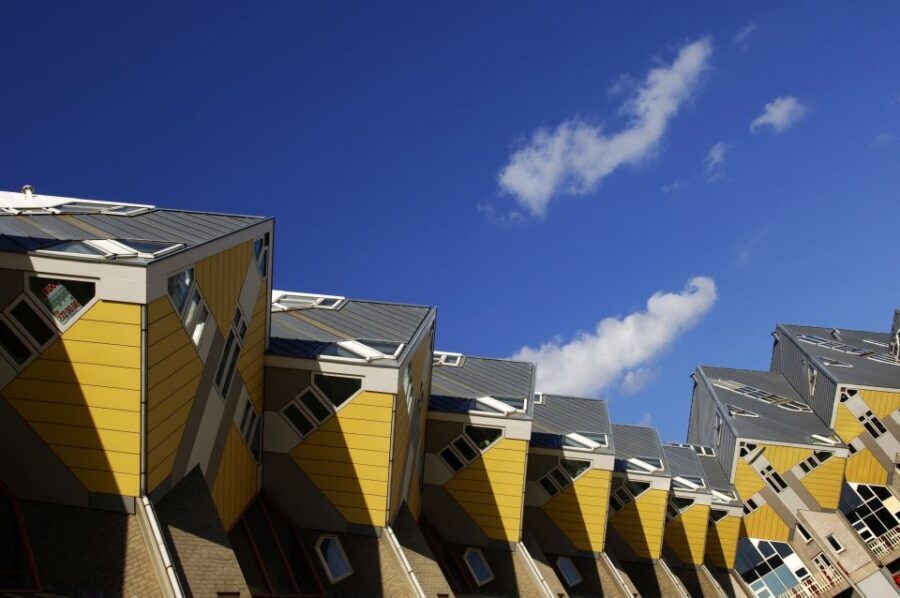
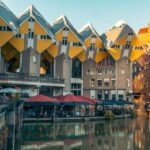
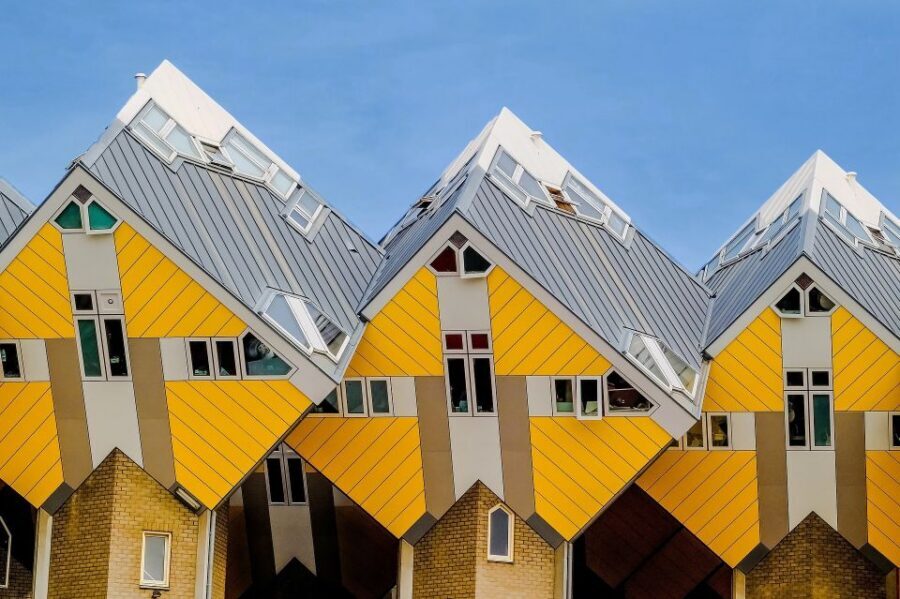
The star stop is Blom’s cubic houses—a 38-cube complex designed by the architect Blom. The design concept is wonderfully odd, in a good way. Blom described the cubes as an abstract tree, and the entire complex as a dense urban forest.
That description sounds poetic until you’re standing there. Up close, you can see how the cubes create a rhythm of angles and shadows. It’s not just that they look unusual; it’s that they also solve a problem of space and density in a compact, high-impact way. You’ll understand why people keep photographing this place: the architecture feels like it has a personality.
If you care about design, you’ll want to take your time here. Don’t treat it like a quick photo stop. Walk around, notice the edges, and think about how people live in something that looks like it was assembled from puzzle pieces. This is the kind of stop that makes the rest of the tour click, because it explains Rotterdam’s post-war attitude in one visual.
One extra nice touch: the guide can connect the cubes to the broader rebuilding story. That turns a striking sight into a meaningful one.
Old Harbor Streets, Laurens Church, and What Actually Survived
After the cube houses, you’ll keep moving through Rotterdam’s old harbor area and toward the central shopping area. This is where the tour becomes more than modern architecture shopping. You’ll pass the parts of the city that still hold older structure and older identity.
A few of the historic buildings that survived the war are key stops:
- the post office
- the town hall
- Laurens Church
Seeing these isn’t just about ticking items off a sightseeing list. It helps you understand Rotterdam’s rebuild as a mix of continuity and reinvention. Some buildings lived through the storm. Others didn’t. The city rebuilt around what remained, which is why the streets feel like they have layers instead of being a single style from one decade.
Then there’s the central shopping zone, including a portion nicknamed the sales gutter, which is located below ground. That detail is memorable because it shows Rotterdam didn’t only rebuild buildings—it also rebuilt how people move and shop. Under-ground retail feels unusual until you remember how practical cities can be when they plan for weather, flow, and space constraints.
If you like tours that tell you why something is there, ask your guide about the contrast between what was preserved and what was redesigned. This tour is built for that kind of conversation.
Market Hall: First Covered Market in the Netherlands, Opened in 2014
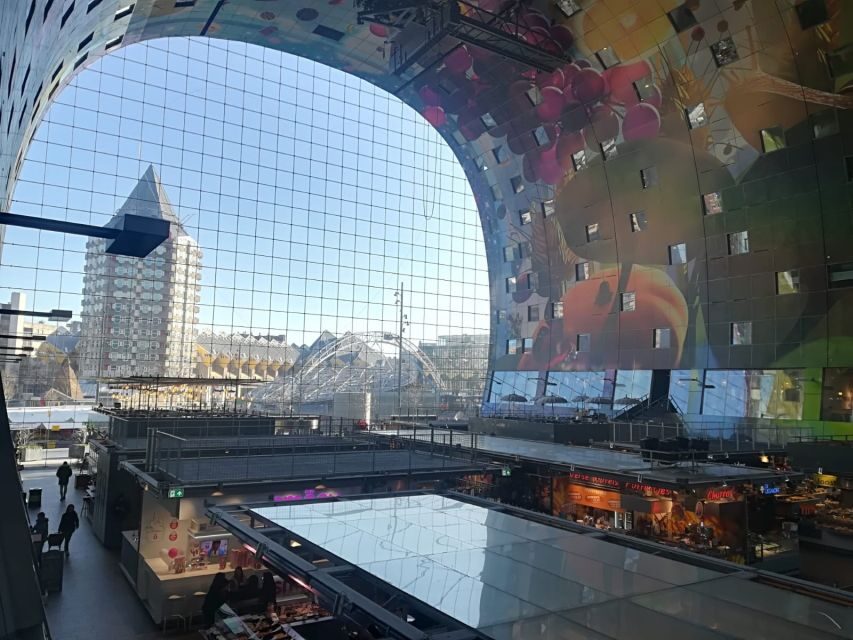
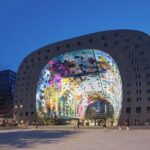
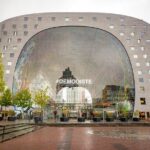
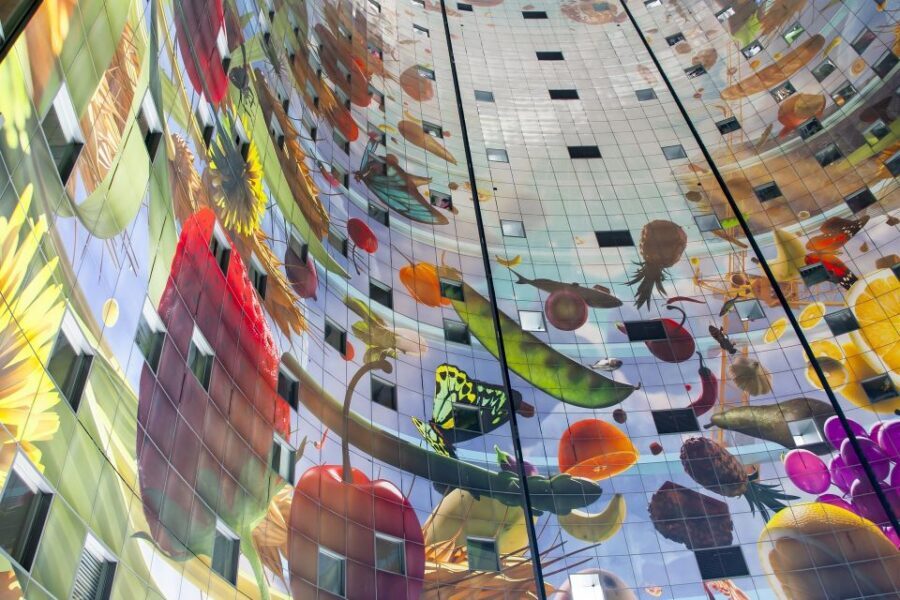
Next up is the Market Hall, described as the first covered market in the Netherlands. It’s also one of the most interesting “food + space + modern design” places in the city, because you’re not just eating and leaving. You’re inside a structure that’s part architecture, part market hall, and part living area.
The Market Hall opened for business on 1 October 2014, after five years of construction. That timing matters because it places it in the modern phase of Rotterdam’s identity—not a historic reconstruction, but a forward-looking build.
The description of it as a spectacular arch is accurate in spirit: the hall feels designed for movement and gathering. You’ll see why it works as a place where people can grab food and also stick around. The guide’s job here is usually to point out the design choices that make the space feel welcoming rather than like a warehouse. If you’re a “I like architecture, but I also like comfort” kind of person, this will land.
Even though the tour doesn’t include food or beverages, you’ll still get the value of seeing where the city’s everyday life happens. If you want a simple plan afterward, this is an easy spot to think about where you’ll eat next on your own.
You can also read our reviews of more boat tours in Rotterdam


The 75-Minute Harbor Cruise: Calm Water, Big Views, Real Context
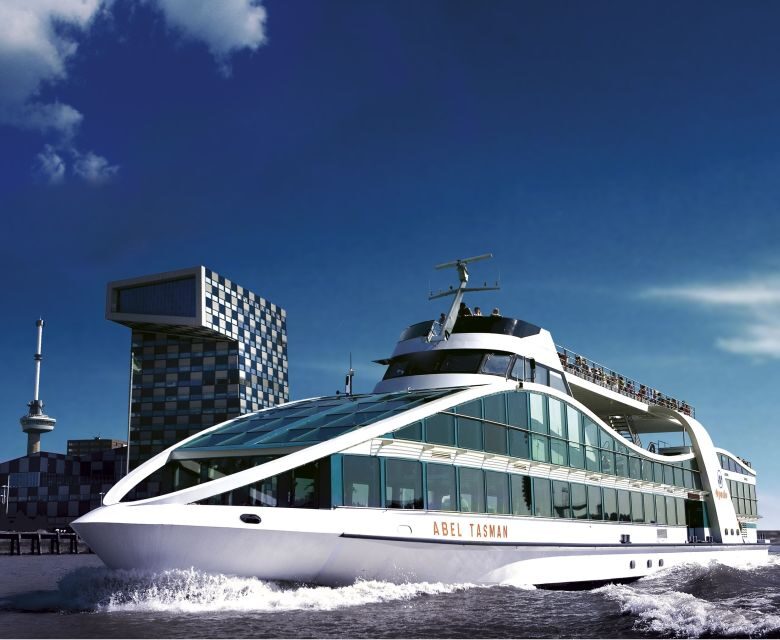
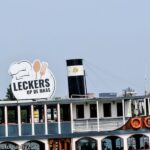
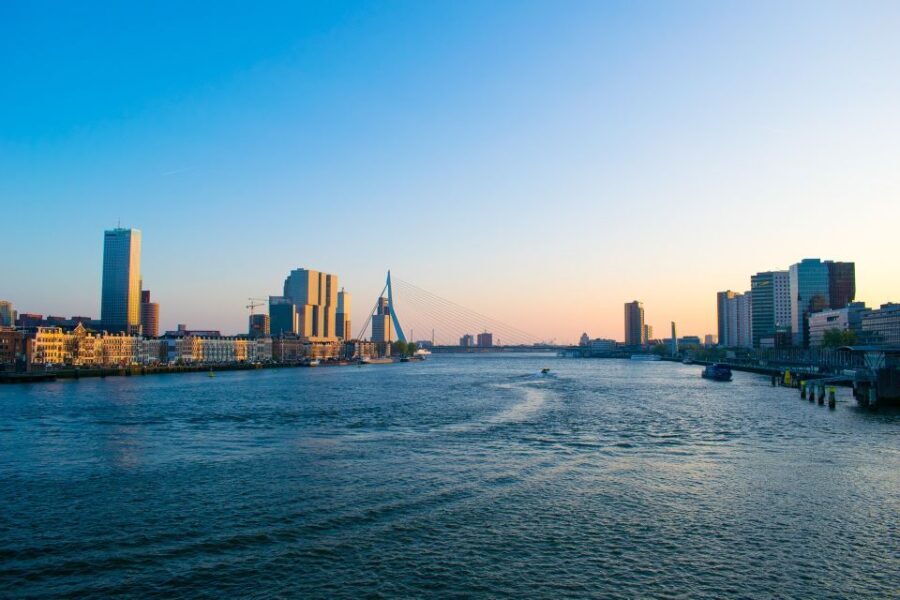
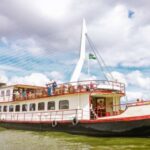
After several hours of walking, the harbor cruise gives you a much-needed reset. The cruise lasts 75 minutes, and it’s a smart pairing with the city tour. Walking teaches you details—edges, facades, street layouts. The harbor cruise teaches you proportions: how the city connects to the port, how neighborhoods sit in relation to water, and how wide Rotterdam really is.
This part is also where your brain stops doing museum mode and starts doing travel mode. You can relax. Listen to your guide’s explanations while you watch the shoreline slide by. Even if you’re not a hardcore boats person, the harbor gives you that “oh, right—this is a working city” feeling.
It’s also the best moment to spot views you missed on foot. From the water, buildings look different. Lines look cleaner. Skyline moments become obvious. And because the cruise is timed after the walking, you don’t feel rushed trying to process everything at once.
Who This Private Rotterdam Tour Is Best For
This is a great fit if you want an organized, human-paced tour of Rotterdam’s most meaningful modern-and-historic mix. It’s especially good for:
- architecture lovers who also care about why a city rebuilt the way it did
- travelers who have limited time and want the main story told in one go
- couples or small groups who prefer a private guide and a flexible rhythm
It’s less ideal if you hate walking or need a lot of rest breaks. You’re looking at around 3 hours of walking, and the tour specifically advises comfortable shoes and not to bring heavy bags. That’s not dramatic, but it is real. Plan to travel light.
One more practical note: the tour is private, and the guide speaks English, German, Spanish, or Dutch. That language option matters because it keeps the story detailed instead of watered down.
Price and Value: $188 per Person Makes Sense If You Want a Guide + Cruise Combo
At $188 per person for a 4-hour experience with a private guide plus a 75-minute harbor cruise, you’re paying for two things that are hard to replicate on your own: expert routing and time efficiency.
You could certainly walk Rotterdam independently and then find a harbor cruise separately. But the value here is the connection between the architecture and the water. A good guide turns random buildings into a coherent story, and the cruise locks that story into a bigger view of the city’s role as a port.
Is it a budget option? Not really. But it’s good value if you’re the type who hates wasting hours. You’ll also get a knowledgeable and friendly guide experience, and you won’t be stuck figuring out which stops matter most.
Also, you’re booking a private group, so the cost often feels fair when you’re traveling with someone and sharing the day’s value (rather than paying for a crowded group where you can’t ask questions).
Guide Quality: What the Tour Gets Right
A lot of the experience quality comes down to the guide. Recent tours have included guides such as Gerd Baas, Niels, Ulla, and Adrian—all praised for being welcoming, clear, and strong on the history and route.
Here’s why that matters for you: Rotterdam is a city of contrasts, and a great guide helps you keep them straight. You’ll see the cube houses, then quickly understand how they relate to the bigger rebuilding story. You’ll notice war survivors like Laurens Church without treating them like isolated museum pieces. And you’ll finish with the harbor cruise feeling like the day had a point, not just a sequence of stops.
Practical Tips for Your Day in Rotterdam
A few small things will make this tour smoother:
- Wear comfortable shoes. The tour is about 3 hours of walking.
- Travel light. The tour advises not bringing heavy bags.
- Bring curiosity. Ask your guide to explain the design idea behind the cubes, and why the war survivors matter.
- If you get hungry, plan to handle food and beverages on your own, since they’re not included.
If your day is windy or cool (Rotterdam can do that), layer up. You’ll be outside during the walking portion, and then you’ll be out on the water during the cruise.
Should You Book This Rotterdam Walking Tour and Harbor Cruise?
I’d book it if you want Rotterdam explained—not just photographed. The combination of a private walking tour focused on WWII rebuilding and modern architecture, plus a 75-minute harbor cruise to slow everything down, is a smart use of time. The stops are specific: Blom’s cube houses, the historic survivors like Laurens Church, Market Hall with its 2014 opening, and that below-ground shopping detail called the sales gutter.
I’d skip it only if you’re very limited on walking. Otherwise, this is exactly the kind of day that makes a city feel understandable fast. Rotterdam is famous for being modern, but this tour shows you the reason behind that modern look—and it does it with a relaxing finish on the harbor.
FAQ
FAQ
How long is the Rotterdam Walking Tour and Harbor Cruise?
The tour lasts 4 hours total, including about 3 hours of walking and a 75-minute harbor cruise.
Where do we meet for the tour?
You meet at the Destroyed City (Ossip Zadkine statue), 3011 TK Rotterdam, Netherlands.
What languages are offered for the private guide?
The live tour guide is available in English, German, Spanish, and Dutch.
What’s included in the price?
The price includes a private tour in your chosen language, an experienced guide, a 75-minute harbor cruise, and all local taxes.
Is food or drinks included?
No. Food and beverages are not included, and gratuity is also not included.
What should I wear or bring for the walking portion?
Wear comfortable shoes and clothing. The tour also advises you not to bring any heavy bags.