Rotterdam hits hard, then rebuilds. This 2–3 hour walk threads together key Rotterdam sights and Second World War stories in one flowing route, from the Boijmans museum area to the river and ending in the modern food-and-color of the Markthal. I especially like the WWII storytelling style, where local guide Yoreh and the team use photos and clear explanations to connect today’s landmarks to what was destroyed and rebuilt.
I also love the way the tour balances architecture—old city edges, working harbor views, and signature modern design—so it never feels like history class only. One consideration: it’s very much an outdoor stroll, including viewpoints and open-air stops, so plan for wind and rain, and know the experience depends on decent weather.
Because the group is capped at 15 people, the pace stays friendly and question-friendly, and the tour ends inside the Markthal, so you can turn right around and eat afterward.
In This Review
- Key Highlights Worth Prioritizing
- From Museum District to Markthal: How the Route Feels
- Stop 1: Depot Boymans Van Beuningen and the Museum District Warm-Up
- Stop 2: Nieuwe Werk and the Maas River Harbor Breathing Room
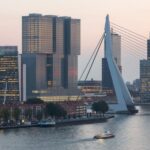
- Stop 3: Erasmusbrug and the Second World War Story in One Big White Line
- Stop 4: Maritiem Museum Rotterdam and the Open-Air Time Machine Feel
- Stop 5: Ossip Zadkine’s The Destroyed City at Square 1940
- Stop 6: Witte Huis and the Office Tower That Signals a New Rotterdam
- Stop 7: Oude Haven for Cozy Old Harbor Views
- Stop 8: Kubuswoningen and Overblaak’s Concrete Forest Walk-Through
- Stop 9: Markthal Finish—A Modern Indoor Market Like a Sistine Chapel
- Price and Timing: Getting Value From €49.60-ish in a Few Hours
- Who This Rotterdam Walk Is Best For
- Quick Practical Tips Before You Go
- Should You Book This Rotterdam Walk?
- FAQ
- How long is the Rotterdam walk?
- What language is the tour offered in?
- Where does the tour start and end?
- How big is the group?
- Is there a mobile ticket?
- Do I need to pay entry tickets for the stops?
- Is the tour mostly outdoors?
- What happens if the weather is bad?
- Can service animals join the tour?
- Can I cancel if my plans change?
- Is the tour suitable for most people?
Key Highlights Worth Prioritizing
- WWII focus tied to places you can actually see, including the story around the Erasmus Bridge
- Depot Boymans van Beuningen mirrored art depot stop for museum-district context
- Maas River harbor views from the Shipping Quarter at Nieuwe Werk
- Cube houses by Ossip Zadkine’s city memorial + Overblaak architecture in one continuous walk
- Markthal finish with a modern indoor market atmosphere and time to explore
- Small group (max 15), which helps the guide keep stories and questions moving
From Museum District to Markthal: How the Route Feels
This tour is built like a well-ordered walk through Rotterdam’s layers. You start in the Museumpark area, move into the river-and-harbor parts of the city, then shift into the places that scream Rotterdam design: the big white bridge, the Witte Huis, and finally the cube houses and the Markthal.
That flow matters. If you try to piece Rotterdam together alone, you can end up hopping between far-apart districts. Here, the route keeps travel time low and storytelling high—so each stop adds context for the next.
Group size is also a quiet advantage. With up to 15 people, you’re not just listening from the back. You can ask questions, and the guide can slow down when something sparks interest—especially for the WWII portion.
You can also read our reviews of more walking tours in Rotterdam
Stop 1: Depot Boymans Van Beuningen and the Museum District Warm-Up
You begin at Depot Boymans van Beuningen, described as the mirrored art depot, in the Museum District zone. Even if you’re not planning to spend hours in museums, this stop sets the tone. It helps you understand what the museum cluster is and why Rotterdam puts so much effort into culture—even while the city is known for rebuilding and reinvention.
Why this is a good start:
- You get a grounded introduction before you move into the river and war monuments.
- It frames Rotterdam as a city that thinks long-term, not just as a skyline you see from the street.
A practical tip: arrive ready to listen. The depot stop is short (about 15 minutes), so you’ll get the most value if you’re mentally switched on for names, themes, and the route logic.
Stop 2: Nieuwe Werk and the Maas River Harbor Breathing Room
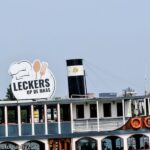
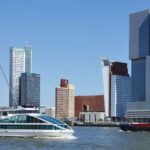
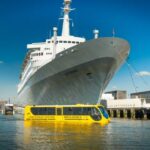
Next comes Nieuwe Werk, in the Scheepvaartkwartier, the Shipping Quarter area. This is where you trade tight streets for open harbor views. From the side of the river Maas, you can see landmarks such as Hotel New York, Steam Ship Rotterdam, and Erasmusbrug in the same visual sweep.
This stop works for two reasons:
- It gives you that Rotterdam feeling of wide air and water space, which you’ll carry into the WWII stops next.
- It also helps you “read” Rotterdam visually. Once you’ve seen the river framing, later views make more sense.
What to watch for: look across the water and notice how Rotterdam’s big icons—bridge and landmark buildings—line up with the shipping history. Even if you’re not a ship-history person, the sheer scale of the harbor makes it click.
Stop 3: Erasmusbrug and the Second World War Story in One Big White Line
Then you reach Erasmusbrug, the major white bridge crossing the Meuse (Maas). It’s an icon of the city, and the guide uses it as the anchor for the Second World War narrative—covering invasion, bombardment, and the wider impact on Rotterdam.
This part is often what people remember most because it turns a landmark into meaning. Instead of seeing the bridge as a photo spot, you start understanding why the city’s layout and rebuilt character feel the way they do.
One key practical detail: the stop is around 20 minutes, so you don’t get a slow, museum-style lecture. You get a city-level story, tied to what you can see right now. If you like fast, visual explanations, this format tends to land well.
Stop 4: Maritiem Museum Rotterdam and the Open-Air Time Machine Feel
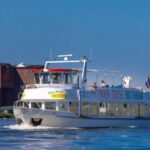
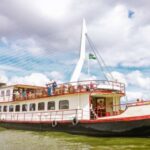
At Maritiem Museum Rotterdam, the walk goes through an open-air area featuring old boats, described as over 100 years old. The point here isn’t that you’ll tour every vessel like a dedicated museum day. It’s that you’ll feel the past in objects left outside, aging in place, tied to a working river city.
Why it matters right after the Erasmus Bridge story:
- The WWII damage story is about rupture.
- The maritime museum angle is about continuity—Rotterdam’s identity tied to shipping and movement doesn’t disappear.
Practical note: open-air stops are where weather matters most. If it’s damp or windy, dress for it. This is the kind of segment where you’ll want gloves or a warm layer if you run cold.

Stop 5: Ossip Zadkine’s The Destroyed City at Square 1940
Next is The Destroyed City, the statue by Ossip Zadkine at Square 1940. This is one of Rotterdam’s most important WWII-related monuments, and it’s not just art-on-a-pedestal. The guide explains the meaning and history, helping you connect the sculpture to the broader story of destruction and loss.
This is also a “body memory” stop: you see it, then you keep walking. And because you’ve just learned about Rotterdam’s rupture, the statue hits harder. It’s the emotional checkpoint in the route.
If you’re someone who usually skips monuments, don’t do that here. The guide makes the sculpture understandable as part of Rotterdam’s rebuilt narrative.
Stop 6: Witte Huis and the Office Tower That Signals a New Rotterdam
Then comes Witte Huis, described as a historic icon and the tallest office tower in Europe at one point. This stop is a reminder that Rotterdam didn’t rebuild only to recover. It rebuilt to project ambition.
Even without going inside, the tower works as a visual marker:
- It shows a shift toward modern city life.
- It gives you a “then and now” feeling: wartime story on one side of the route, corporate and urban energy on the other.
Timing note: the stop runs about 15 minutes, so you’ll want to listen for the architectural and historical framing, not just admire the outside.
Stop 7: Oude Haven for Cozy Old Harbor Views
You then walk to Oude Haven, one of the oldest harbors in the Netherlands. The vibe here is more intimate than the river shipping views earlier. And it’s also strategically placed: from the harbor, you get a great view of the cube houses, which you’ll see up close soon.
Why Oude Haven is a smart transition:
- It breaks the heavy history pace with a friendlier, older-corner feel.
- It sets you up for the cube houses so the “wow” moment lands when you’re already oriented to the area.
In other words, this is where you start thinking like a Rotterdam pedestrian: angles, sightlines, and how old and new sit beside each other.
Stop 8: Kubuswoningen and Overblaak’s Concrete Forest Walk-Through
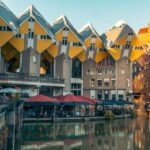
Next is Kubuswoningen, the famous cube houses—often the #1 reason people plan Rotterdam in the first place. But here you’re not just snapping photos. You walk through the area around Overblaak, and the guide explains the why, how, and architecture behind the cubes.
The tour description calls it the concrete forest feeling as you walk toward the market square. That’s a good mental image. You’re moving through an urban design experiment that feels totally different from typical apartment blocks.
What I like about this stop in particular:
- You get design context, not only sightseeing.
- It’s paced so you can actually notice details as you walk, rather than being shoved quickly through photo angles.
If you love architecture and urban planning, this is your favorite segment. If you don’t, it still works because it’s visually playful and easy to react to.
Stop 9: Markthal Finish—A Modern Indoor Market Like a Sistine Chapel
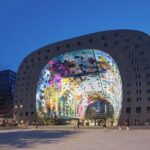
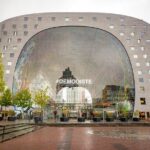
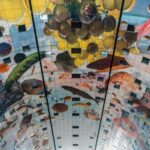
The tour ends inside the Markthal. It’s a modern indoor market with lots of food and color, and the guide compares it to a modern Sistine Chapel—big, impressive, and immediately memorable.
This stop is practical value, not only sightseeing. You finish here, which makes it easy to turn the tour into a meal plan. The guide also gives tips on what to do and where to go next, based on your interests.
One more nice detail: you can explore the Markthal and enter a demo cube house on your own after the tour. That’s a solid add-on because it lets the architecture explanation turn into hands-on curiosity.
Price and Timing: Getting Value From €49.60-ish in a Few Hours
At $49.60 per person for about 2 to 3 hours, this tour is priced like a city highlight walk with storytelling you can’t easily get from a map app.
Here’s why it can feel good value:
- The route hits multiple Rotterdam icons in one sitting: river views, WWII memorial sites, modern design landmarks, and the Markthal.
- The stops listed have admission marked as free during the tour blocks, so you’re not stacking ticket costs on top of your guide time.
- The group cap keeps the experience personal enough that the stories land.
When to book? I’d pick the first few days of your Rotterdam stay—especially if you’re new to the city. The tour gives you a mental framework for where to wander next, including where the architecture clusters and how the harbor zones connect.
If your schedule is tight, don’t rush it. This is a walking tour. Wear comfortable shoes, and plan for a slower moment at the monuments and cube houses.
Who This Rotterdam Walk Is Best For
This tour fits best if you want:
- a city intro that mixes WWII context with modern architecture,
- an easy-to-follow route without complicated planning,
- a local guide who uses photos and visual aids to explain how Rotterdam changed.
It also suits first-timers heading into a cruise day, because the walk covers a lot without requiring a full museum day. And even if you’re not a history person, the format makes WWII stories understandable through landmarks rather than just dates.
Quick Practical Tips Before You Go
- Bring layers. Rotterdam wind off the water can feel colder than you expect.
- Plan for walking time. This is a stroll between major stops, not a tram tour.
- Use the Markthal ending. If you can, eat there after—finish time lines up well with meal planning.
- If you care about photos, keep your phone ready around Erasmusbrug, Oude Haven, and the cube houses on Overblaak.
Should You Book This Rotterdam Walk?
I’d book it if you want a smart, compact way to understand Rotterdam’s character: a city that rebuilt with style and told the story of what happened through places like Erasmusbrug and the Zadkine statue.
Skip it only if you dislike walking, don’t want any WWII content at all, or are looking for a slow-paced museum day. This walk is designed for motion, meaning, and architecture snapshots tied to history.
If your goal is to get your bearings fast and leave with a stronger sense of Rotterdam than you started with, this one makes a lot of sense.
FAQ
How long is the Rotterdam walk?
The tour lasts about 2 to 3 hours.
What language is the tour offered in?
It’s offered in English.
Where does the tour start and end?
It starts at Vaimoo deelfietsstation, MelkkoppadMuseumpark 20, 3015 CX Rotterdam, and ends inside the Markthal at Verlengde Nieuwstraat, 3011 GX Rotterdam.
How big is the group?
The tour has a maximum of 15 travelers.
Is there a mobile ticket?
Yes, the tour includes a mobile ticket.
Do I need to pay entry tickets for the stops?
The tour notes list admission ticket free for the included stops.
Is the tour mostly outdoors?
You’ll be walking between viewpoints and outdoor areas, including harbor sections and an open-air boat museum area.
What happens if the weather is bad?
The experience requires good weather. If it’s canceled due to poor weather, you’ll be offered a different date or a full refund.
Can service animals join the tour?
Yes, service animals are allowed.
Can I cancel if my plans change?
Cancellation is free. You can cancel up to 24 hours in advance for a full refund.
Is the tour suitable for most people?
The tour says most travelers can participate.