REVIEW · ROTTERDAM
Rotterdam: Harbor Cruise on a Historic Ship
Book on GetYourGuide →Operated by Rebus Varende Evenementen · Bookable on GetYourGuide
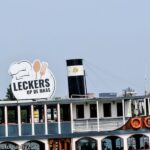
Rotterdam turns into a shipyard story. From the historic Nehalennia, you don’t just watch boats—you get a running explanation of what you’re seeing and why it matters. I love the way the audio guide talks through the sights in Dutch (in a Rotterdam dialect), plus English and German. You also get a calm, photo-friendly pace that lets you actually look at the bridges and buildings instead of rushing past them.
The second big win for me is comfort: you can choose the cozy salon or the sun deck and watch cargo giants, cranes, ferries, and the working harbor in motion. One thing to plan around: this cruise is not wheelchair accessible, so mobility needs to be considered before you book.
In This Review
- Key Highlights Worth Your Time
- Nehalennia and the Harbor View From the Maas
- Setting Off: Erasmus Bridge to Veerhaven
- Parkhaven and the Euromast Angle
- Schiedam and the Port-Industry Mix
- Waalhaven and the Former RDM Dockyard
- Eemhaven, ss Rotterdam, and Old Hotel New York
- Getting the Most From the Audio Guide
- Where to Sit: Salon vs Sun Deck
- Architecture and Bridges: Why the Views Feel Different
- Containers, Cranes, Ferries: The Real Point of a Harbor Cruise
- Price and Value: Is $20 for 1.5 Hours Worth It?
- Who Should Book This Cruise
- Should You Book the Rotterdam Harbor Cruise on Nehalennia?
- FAQ
- FAQ
- How long is the Rotterdam harbor cruise?
- Where does the cruise start?
- What languages are available for the audio guide?
- Is food included in the ticket?
- Is the cruise wheelchair accessible?
- What can I see during the cruise?
- Is there an option to reserve now and pay later?
- What is the cancellation window?
Key Highlights Worth Your Time
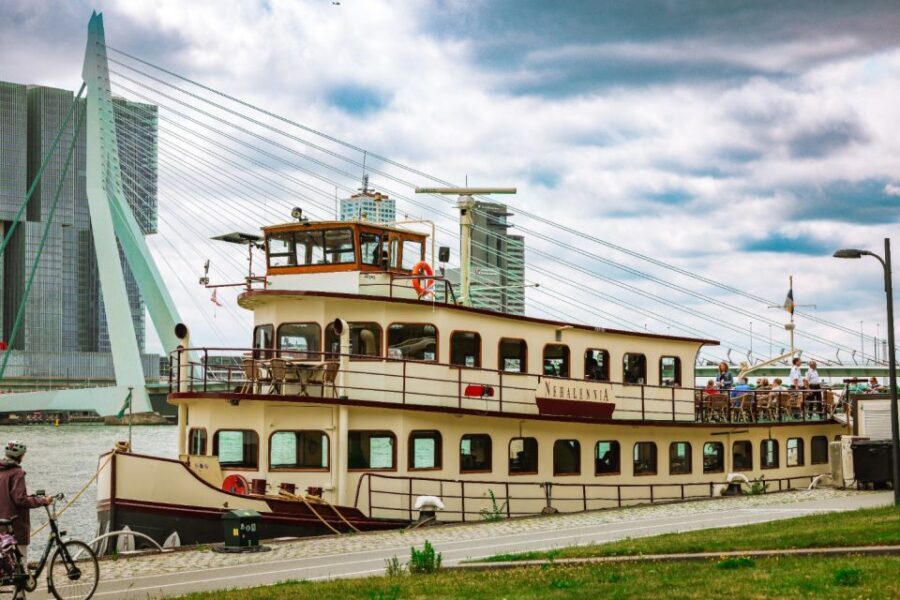
- Historic ship ambiance on the Maas: the Nehalennia gives the harbor a more human, old-school feel.
- Three-language audio guide: Dutch, English, and German keep you oriented the whole way.
- Best-of-harbor viewing: bridges, ship activity, container movement, and skyline angles all get time.
- Comfort for sunny or cool weather: choose inside at a table or go outside on the sun deck.
- A lot of recognizable Rotterdam names: Erasmus Bridge, Veerhaven, Parkhaven, Euromast, Waalhaven, and more.
Nehalennia and the Harbor View From the Maas
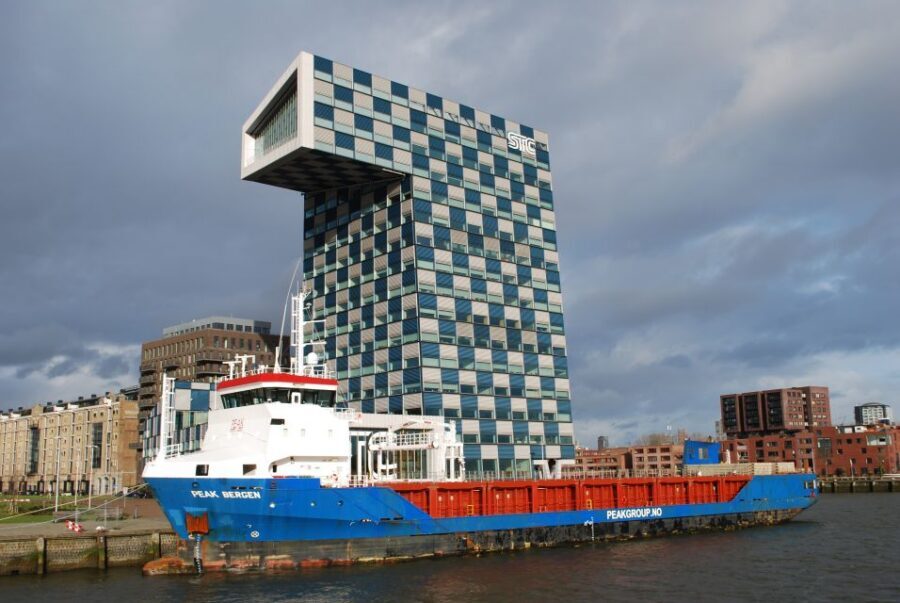
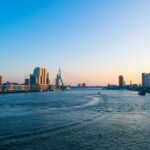
If you’ve only seen Rotterdam from streets or photos, this is a fast way to understand the city’s real engine. You step aboard the classic ship Nehalennia and then slide into the working world of the Maas River—where cargo and design sit side by side.
The vibe is part classic boat, part city sightseeing. The captain greets you onboard and you cruise through ports where you’ll spot big commercial ships, ferries, cranes, and tugboats. That combination matters. Rotterdam’s skyline is famous, but the harbor is what keeps it moving day to day, with container operations and constant boat traffic.
I like that this doesn’t feel like a checklist of attractions. Instead, it’s built like a guided visual lesson: you see modern architecture from across the water, then you get context for what you’re looking at—while the audio guide keeps the details flowing in Dutch, English, and German.
You can also read our reviews of more boat tours in Rotterdam
Setting Off: Erasmus Bridge to Veerhaven
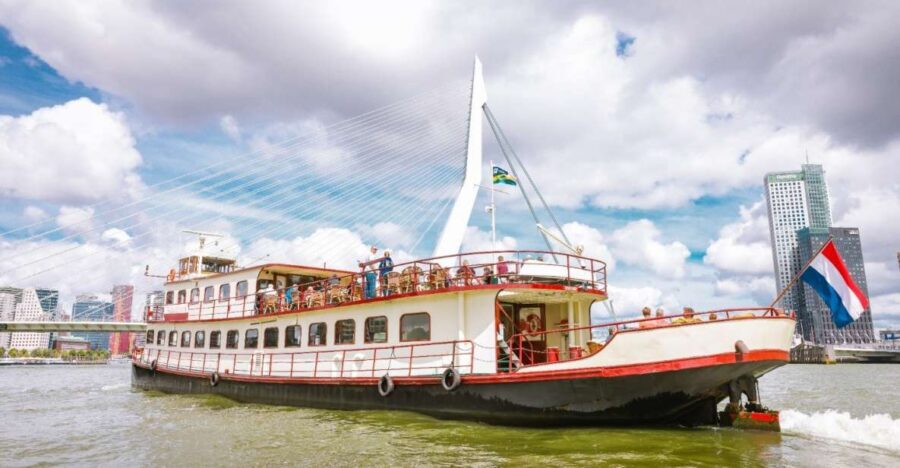
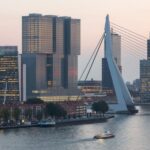
Your tour starts at the passenger ship Nehalennia next to the Erasmus Bridge. That’s a smart way to begin because the Erasmus Bridge is already a landmark. From the water, you see how the bridge frames the harbor and how Rotterdam’s modern lines relate to the ships moving underneath and around it.
As you head out, you move into the port area near Veerhaven. This part of the route is where the “working harbor” feeling becomes obvious. You’re not just floating past pretty views—you’re watching the choreography of maritime activity: movement, positioning, and the constant presence of working vessels.
For photos, this is where I’d take a few quiet minutes to get your bearings. When the ship slides past bridges and harbor edges, you often get a clean angle without the usual street clutter. And because the pace is gentle, you’re not fighting for time every few seconds.
Parkhaven and the Euromast Angle
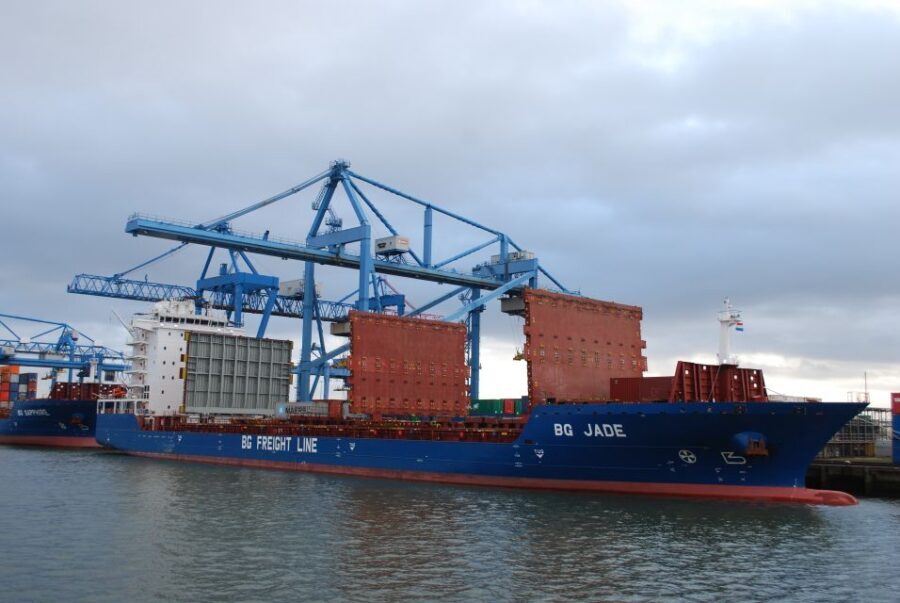
Next comes Parkhaven, another spot that helps you connect Rotterdam’s geography to its architecture. Seeing these areas from the water gives you a different sense of distance and scale. Buildings look sharper, and harbor edges look more structured—like the city is planned around shipping routes as much as around neighborhoods.
Then you pass sights linked to the Euromast area. Even if you know the tower already, this is useful because you’re viewing it in context with the harbor. The Euromast isn’t just a “lookout.” From the cruise, it becomes a point you can measure against bridges, piers, and vessel traffic.
If you’re a person who likes to understand a skyline, this section delivers. You’re getting orientation, not just views. And if you’re traveling with someone who prefers calm, stationary sightseeing, you’ll still find enough motion to keep the trip interesting.
Schiedam and the Port-Industry Mix
Schiedam appears along the route, which adds a real “regional” layer to the cruise. This matters because Rotterdam isn’t floating alone in a harbor bubble—it’s connected to nearby towns and maritime industry.
From the boat, Schiedam’s presence helps you see the harbor system as part of a bigger coastal network. That’s the practical benefit: you start to understand why certain areas line up the way they do, and why maritime activity stretches beyond one city boundary.
Also, this stretch is ideal if you like industrial views without the stress of walking around. You stay on the boat, keep your angle, and watch how different harbor sections function—commercial areas, transit routes, and the edges where the city’s look changes.
Waalhaven and the Former RDM Dockyard
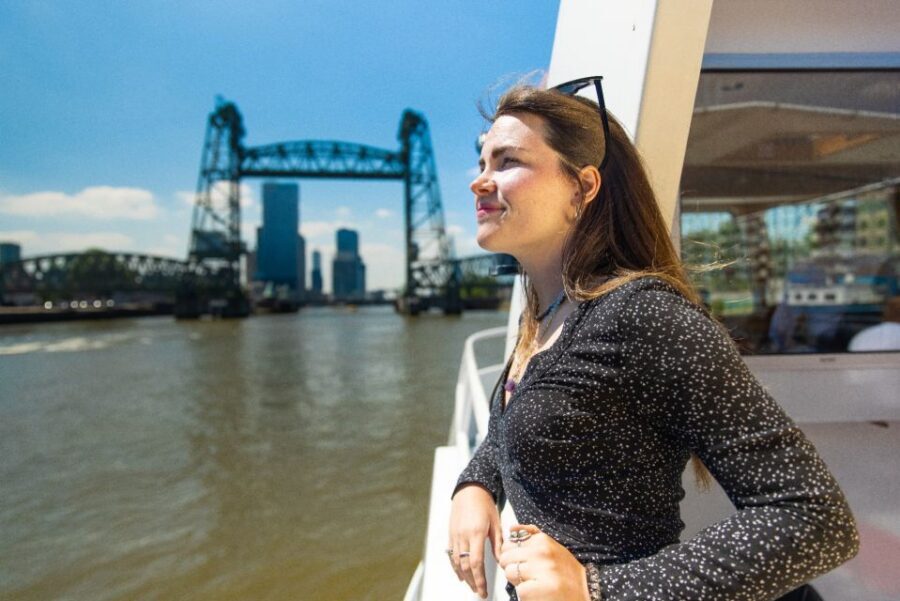
Waalhaven comes next, and it’s a good reminder that Rotterdam’s story isn’t only about sleek architecture. The harbor is operational space. You’re likely to see large commercial activity—ships and the equipment that supports them—so the sights connect to real work.
After that, you’ll pass the former R(otterdam) D(roogdok) M(aatschappij). That specific site name is a clue that you’re watching the layers of shipbuilding and maritime industry evolve over time. Even without getting lost in dates, it’s worth paying attention because it helps you understand what kind of city this is: a place that has long been tied to ships, docks, and the people who build and operate them.
I like that the audio commentary doesn’t treat industry as noise. It frames it as the reason Rotterdam looks the way it does from water.
You can also read our reviews of more historical tours in Rotterdam
Eemhaven, ss Rotterdam, and Old Hotel New York
Eemhaven shows up further along, continuing the theme of ports and maritime activity. This is where the cruise keeps stacking recognizable waterfront names, so you gradually build a map in your head.
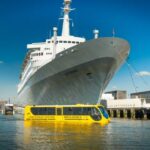
Then you get two particularly iconic references: the ss Rotterdam and the old hotel New York. These are the kinds of stops that make the cruise feel more than just industrial watching. They add a “culture and character” thread, tying harbor space to leisure, travel, and the city’s built environment.
From the water, a ship like the ss Rotterdam reads differently than it does on land. You understand how it sits within the harbor flow and why these vessels and buildings became symbols. Same with the old hotel New York—it’s not just a structure, it’s a landmark tied to the harbor’s human side.
If you’re the kind of traveler who likes one or two memorable standouts, this is your payoff stretch.
Getting the Most From the Audio Guide
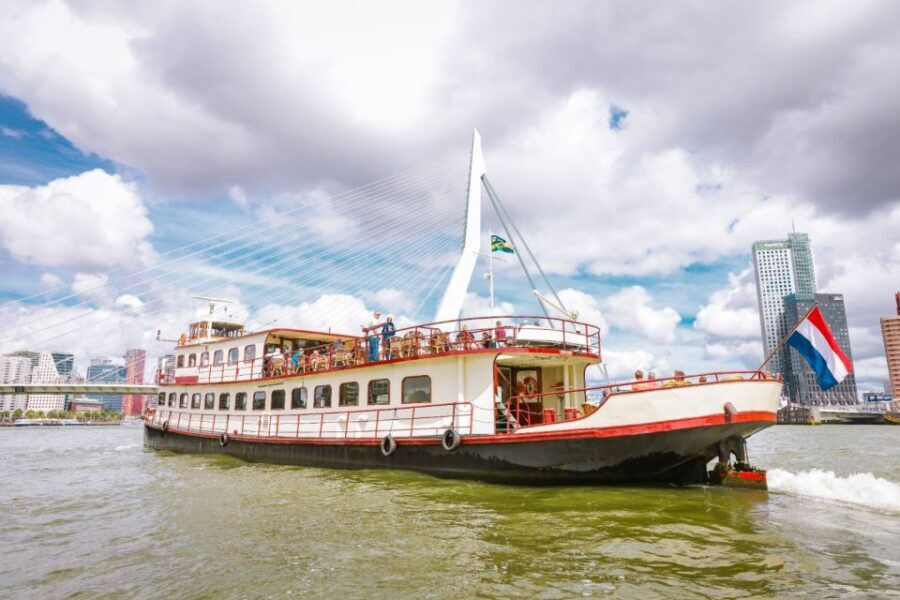
The audio guide is a major part of the value here. You’ll get commentary about the sights as you pass them, and it runs in Dutch, English, and German. The Dutch track is especially interesting because it uses a Rotterdam dialect, so it feels local rather than generic.
That matters more than it sounds. When the language fits the city, you stop hearing explanations like a broadcast and start hearing them like something connected to where you are. Even if you only catch a few words, the style makes the harbor feel more rooted.
One detail from the onboard experience that’s worth noting: there’s also a playlist element. The cruise can include songs you might recognize, which adds a light mood without turning it into a party. The pace stays slow enough that you can still watch the passing water and take pictures.
Where to Sit: Salon vs Sun Deck
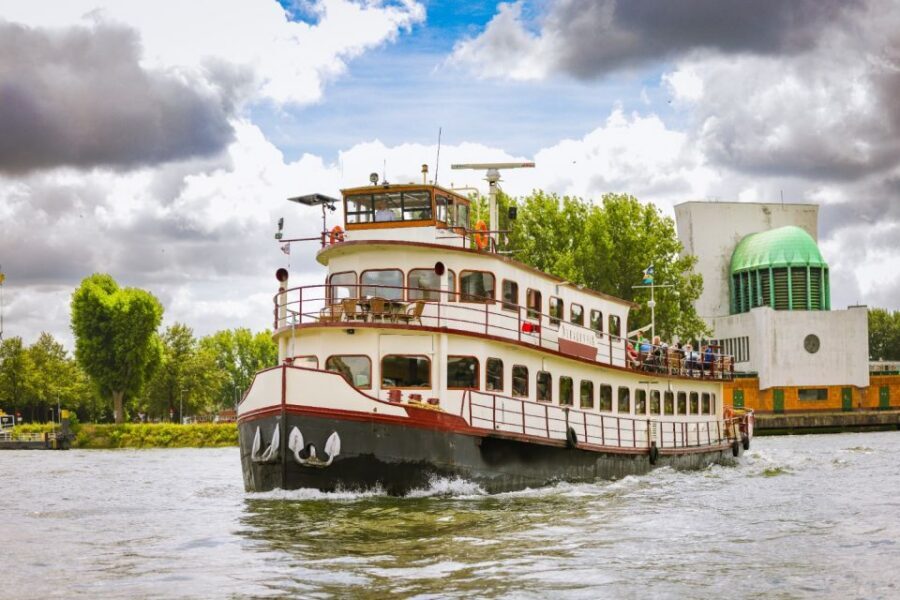
Onboard, you can choose the cozy salon indoors or head to the sun deck outside. Either way, you’re meant to have a view. The salon setup makes it easy to sit down for longer stretches instead of hovering near the rail the entire time.
From what I’d look for in a harbor cruise, this flexibility is a practical win. If the weather is nice, you’ll want the sun deck for open sightlines to bridges and skyline edges. If it’s windy or cool, the salon gives you comfort while you still track the route.
Also, there’s a bar on board. You can buy drinks and snacks during the cruise, which helps if you don’t want to stop for food beforehand. If you’re traveling with kids, this is also a simple way to keep everyone calm while the ship takes its time.
Architecture and Bridges: Why the Views Feel Different
Rotterdam’s architecture can look best from a distance. From water, buildings and bridges snap into sharper relationships. You’re not just seeing famous shapes—you’re seeing how they interact with transit routes, docking areas, and the harbor’s layout.
The Erasmus Bridge is the big anchor early on, and then the cruise continues to frame other harbor edges with buildings and industrial structures. Bridges and cranes together are a classic Rotterdam pairing. Watching them from the boat gives you that “working city” feeling—where modern design sits right beside operations.
And because the cruise is paced for sightseeing, you can actually notice what changes as you move through the route. One minute you’re focused on ship traffic; the next you’re reading the skyline across the water; then you’re reminded of history via sites like the former RDM dockyard and the old hotel New York.
Containers, Cranes, Ferries: The Real Point of a Harbor Cruise
It’s easy to think a harbor cruise is just scenic. But here, the focus stays on maritime activity. You’re meant to watch container ships, cranes, ferries, and tugboats as they move through the route.
That’s the real value for many people: you learn what you’re seeing instead of guessing. When you can name what’s happening—what type of vessels are operating nearby and what role certain areas play—you start to appreciate the harbor as a system.
Also, this tour is a nice match if you like industrial photography but don’t want to stand on a windy quay for hours. You get steady views with less effort, and you can stay in one place while the port slides by.
Price and Value: Is $20 for 1.5 Hours Worth It?
At $20 per person for about 1.5 hours, this cruise sits in the “good value” zone, mostly because the experience is doing multiple jobs at once. You’re getting:
- a historic ship ride on the Nehalennia
- guided interpretation through an audio system in three languages
- close-up harbor viewing of real working vessels and equipment
- a mix of modern Rotterdam architecture and recognizable landmarks
Could you spend less by walking along the water? Sure. But walking doesn’t come with the same guided context, and it won’t show you the harbor from the inside angles you get on a boat. For many visitors, that interpretation is what makes the price feel fair.
Food and drinks cost extra since they’re available to purchase, not included. The upside is you have control: you can just carry a small snack and skip buying, or you can grab a refreshing drink onboard while you watch the views from both the salon and sun deck.
Who Should Book This Cruise
This is a strong fit if you want:
- a calm, easy 1.5-hour outing that still feels “Rotterdam-specific”
- architecture and harbor views in the same trip
- an audio guide with local-style Dutch plus English and German
- comfortable seating options so you can choose indoor or outdoor time
It may not be ideal if you rely on a wheelchair, since the cruise is not wheelchair accessible. If that’s your situation, it’s better to plan an alternative way to see Rotterdam’s waterfront without relying on onboard steps.
It also works well for first-time visitors who feel overwhelmed by Rotterdam’s size. The names you pass—Erasmus Bridge, Veerhaven, Parkhaven, Euromast, Schiedam, Waalhaven, former RDM, Eemhaven, ss Rotterdam, and the old hotel New York—help you build a mental map quickly.
Should You Book the Rotterdam Harbor Cruise on Nehalennia?
If you like your sightseeing with a little purpose—something you can understand as you go—this cruise is a smart booking. For $20, you get a historic ship setting, a smooth 1.5-hour route, and audio guidance that keeps you oriented in Dutch (including the Rotterdam dialect), English, and German. Add in the chance to watch container ships, cranes, ferries, and tugboats without rushing, and it becomes an efficient way to see the harbor’s personality.
I’d book it when you have decent weather (sun deck time is a real perk), and when you want a low-effort, high-clarity Rotterdam experience. If mobility limits are a factor for you, skip it and look for an alternative that matches your needs.
FAQ
FAQ
How long is the Rotterdam harbor cruise?
The cruise lasts about 1.5 hours.
Where does the cruise start?
Look for the passenger ship Nehalennia next to the Erasmus Bridge. The activity ends back at the same meeting point.
What languages are available for the audio guide?
The onboard audio guide provides information in Dutch, English, and German.
Is food included in the ticket?
No. Food and drinks are available to purchase onboard, but they are not included.
Is the cruise wheelchair accessible?
No, this activity is not wheelchair accessible.
What can I see during the cruise?
You’ll pass major harbor and city highlights such as the Erasmus Bridge, Veerhaven, Parkhaven, Euromast, Schiedam, Waalhaven, the former RDM area, Eemhaven, ss Rotterdam, and the old hotel New York.
Is there an option to reserve now and pay later?
Yes. You can reserve and pay later, keeping travel plans flexible.
What is the cancellation window?
Free cancellation is available up to 24 hours in advance for a full refund.