REVIEW · HAARLEM
The rise of Haarlem: Culture, History, Art and Architecture Walking Tour
Book on Viator →Operated by Haarlem Walking Tours · Bookable on Viator
Haarlem is one of those cities where the streets explain themselves. This walking tour turns cobblestones into a clear story of culture, history, art, and architecture—all in about 2.5 hours. I like the way the guide, James Johnson, connects buildings to the people who shaped them. I also like the photo-friendly rhythm, including a secret spot for views. The one drawback to plan around: you’ll cover around 4 km, so it’s not ideal if walking is hard for you.
My favorite part is that it’s not just name-dropping. You get a guided walk past big landmarks and smaller courtyards, plus context on the Medieval town, the Golden Age, and Haarlem during World War II. You’ll learn faster and enjoy the city more if you go early in your trip. Just remember the Hofjes can be closed on Sundays, and they shut daily at 5 pm—so timing matters.
In This Review
- Key Highlights You’ll Feel on the Walk
- First Stop: Grote Markt and the Art of Getting Oriented
- Grote Kerk of Sint Bavo and Town Hall Gravenzaal: What Power Looks Like
- Molen Adriaan Windmill: Dutch Craft in Motion
- Teylers Museum and the Art You Can Follow Up Later
- Hofjes and the Secret Walled Garden: Haarlem’s Quiet Courtyards
- Golden Age to WWII: Stories Stitched Into Real Streets
- A Secret Spot for Views: When Photography Becomes the Point
- Small Group Energy and Why It Changes the Whole Tour
- Price and Value: Is $55 Worth 2.5 Hours?
- Walking Logistics: Flat Streets, Real Distance, Plan Your Pace
- Practical Tips I’d Use Before You Go
- Who This Tour Suits Best (and Who Might Skip It)
- Should You Book This Haarlem Tour?
- FAQ
- How long is the Haarlem walking tour?
- Where does the tour start?
- How many people are in the group?
- What’s included in the price?
- Are the Hofjes open on Sundays?
- What accessibility should I consider?
Key Highlights You’ll Feel on the Walk
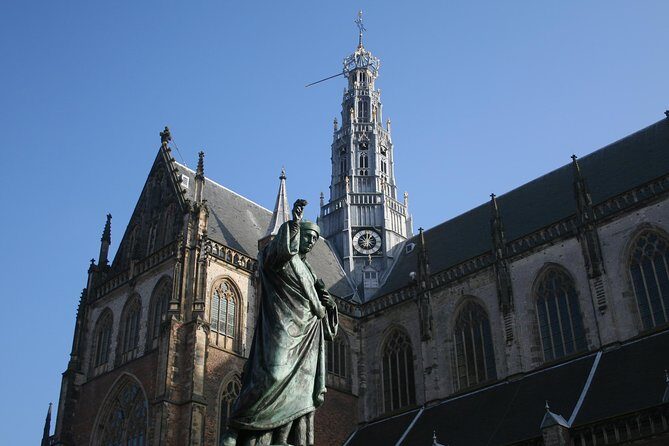
- Small group size (max 6) means more back-and-forth and less “hurry up” energy
- Secret view spot for dramatic Haarlem angles you won’t spot from the main streets
- Grote Markt orientation using the city’s main market square to build context fast
- Hofjes with a secret walled garden that shows Haarlem’s quieter, community-minded side
- WWII stories woven into the walk, not dropped as an afterthought
- James Johnson’s clear explanations, including support from a tablet for visuals
First Stop: Grote Markt and the Art of Getting Oriented
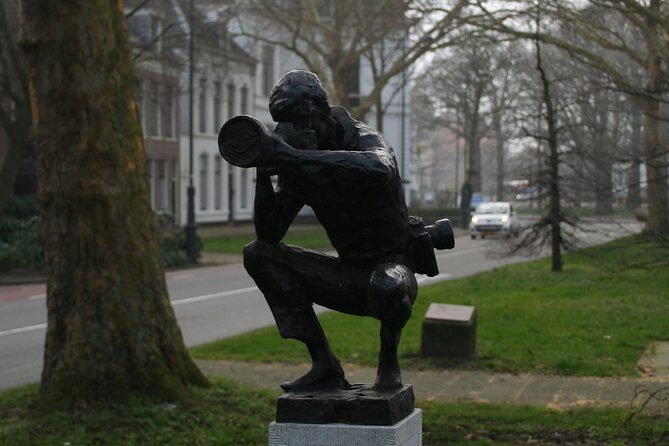
The tour starts at Grote Markt 17, right on the city’s historic market square. This is smart, practical tour design. You’re standing where Haarlem’s social and commercial life has long revolved, so every street you walk next has meaning.
From here, you’ll get a guided overview of how Haarlem grew from a Middle Ages trading port into a city with serious artistic and architectural weight. The guide keeps it focused on what you can actually see: facades, street layout, and the way major buildings relate to the square. You’ll also get some quick breathing-room—about the first 15 minutes here is ticket-free for the area time you spend getting your bearings.
If you’re the type who wants to understand a place, not just see it, this start helps a lot. And if you’ve only got half a day, it’s a strong way to set the stage before you go exploring on your own.
You can also read our reviews of more walking tours in Haarlem


Grote Kerk of Sint Bavo and Town Hall Gravenzaal: What Power Looks Like
One of the big early anchors is the Grote Kerk of Sint Bavo. Even when you’re not going fully inside, the guide’s explanation makes the building feel “readable.” You’ll learn how Haarlem’s religious influence shaped civic life—and how architecture can be a public message, not just a pretty backdrop.
Right along the Grote Markt orbit, you’ll also hear about the Town Hall, Gravenzaal. That matters because it shows you the other half of the story: religion and governance didn’t run on separate tracks. They shared the same city stage, just with different roles.
A small tip: use this segment to decide what you want to look up later. If something sparks your interest—like a specific style, a name, or a political period—jot it down mentally. The walk sets up your next self-guided visit without forcing you into museum fatigue.
Molen Adriaan Windmill: Dutch Craft in Motion

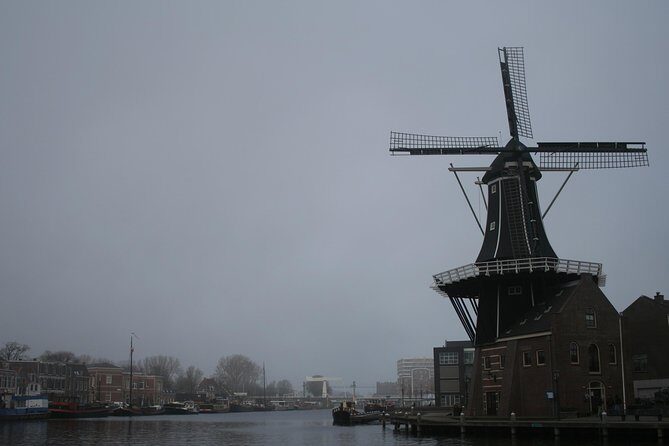
Next comes Molen Adriaan, Haarlem’s iconic windmill. Windmills in the Netherlands aren’t just postcard props. The guide’s framing helps you see them as part of the practical infrastructure that supported water management and industry.
This is where the tour gets nicely human. It shifts from grand buildings to the everyday systems that made city life work. You’ll likely catch it from a few angles while moving through the old core, and the timing gives you a natural photo break.
If your travel style is part architecture, part “show me how people actually lived,” this stop is a good fit. It’s also a nice change of pace if you’ve been in museums and churches all week.
Teylers Museum and the Art You Can Follow Up Later
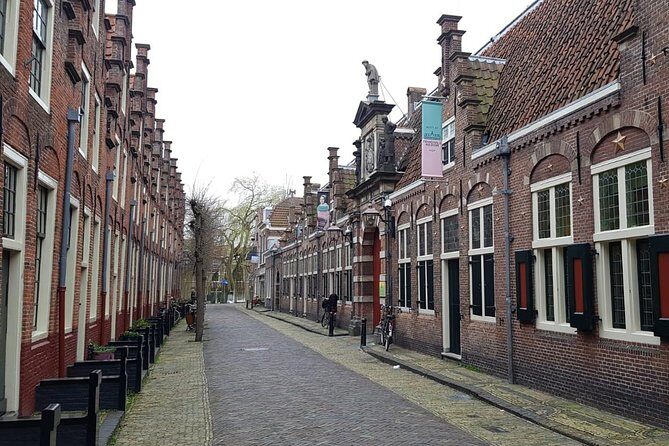
The tour includes Teylers Museum in the route, but don’t assume you’ll get a full museum day. One review notes that the tour doesn’t include interior time for the cathedral or the Hals Museum, which is useful to know. In other words: you get context and highlights, not a deep-ticket museum marathon.
That can be a plus. You’ll come out with stronger questions and clearer priorities if you decide to go back. This is one of the best ways to tour art in a place like Haarlem—use the walking guide for orientation and themes, then choose which interior stops match your mood.
So if you love art history but hate feeling rushed through galleries, this structure works. You’ll see the cultural markers, then decide your own pace next.
Hofjes and the Secret Walled Garden: Haarlem’s Quiet Courtyards
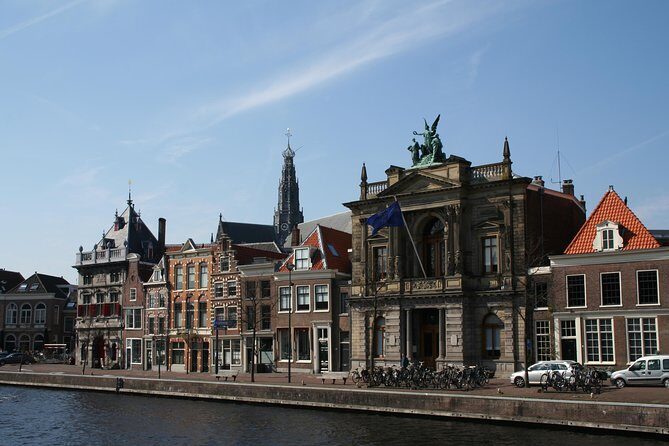
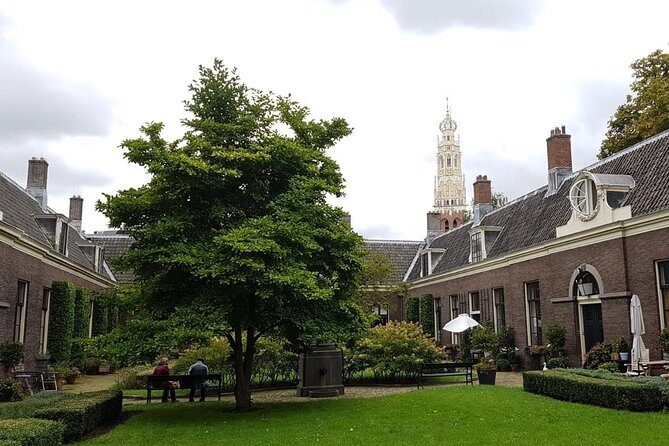
This tour really delivers when it turns toward the Hofjes—almshouses that supported older residents and people in need. The guide highlights a beautiful Hofje with a secret walled garden, and that’s one of those Haarlem moments that feels like a password to the past.
The important practical note: Hofjes have access limits. The tour information warns that on Sunday the Hofjes in Haarlem are closed for public viewing. Also, the Hofjes close daily at 5 pm, meaning tours that start at 5 pm in summer won’t go inside.
That affects your planning more than you might think. If you want the garden courtyard experience, schedule earlier in the day. If you’re arriving late, treat the Hofjes as an exterior and story stop, and save the interior for another visit if access is available.
This is also where the guide’s storytelling becomes especially valuable. Hofjes can look like simple courtyards from the street, but the explanations help you understand why they were built and how communities used space.
You can also read our reviews of more historical tours in Haarlem
Golden Age to WWII: Stories Stitched Into Real Streets
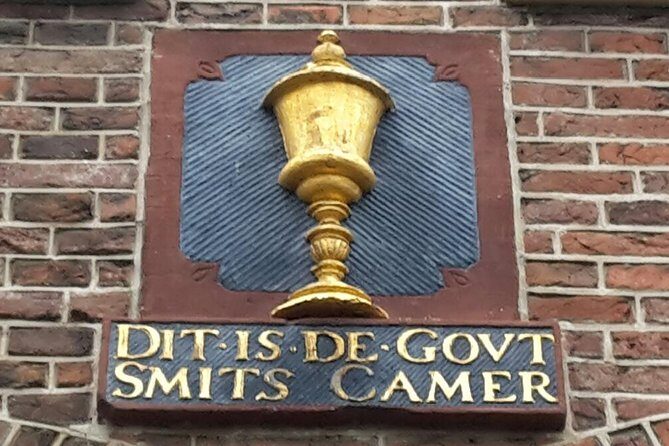
Haarlem didn’t just have art and architecture—it also had crisis and resistance. The route includes context on Haarlem in World War II, with stories about notable residents and visitors across different eras.
One review specifically calls out the Women’s Resistance Museum and also notes the impact of WWII Dutch resistance photos. Even if you don’t go into every site, the guide’s framing helps those topics land where they belong: in the city itself, in buildings and neighborhoods that people walked every day.
This is also the moment where a great guide can change the whole tone of a trip. You’re not stuck in a lecture; you’re moving. You get the facts, then you keep walking, seeing the city as it is now—while the guide ties it back to what happened there.
If you care about how history affects everyday life, this portion is a strong reason to pick this tour over a purely scenic stroll.
A Secret Spot for Views: When Photography Becomes the Point
One of the stand-out highlights is a secret spot with unparalleled views—the tour description promises that, and it’s the kind of stop that’s worth planning your shoes around.
Why it matters: you can read about a city forever, but you only fully understand its layout when you can see how rooftops, streets, and key buildings stack up. The guide’s view stop is a payoff for the walk’s earlier orientation work.
Timing can also affect this segment. In darker weather (like November) or during rain, you may still get value from the stop because the guide adjusts the pace and keeps the story going. One review mentions the walk even under rain, and the guide still made the experience work.
If you like photos, bring your phone charger habitually. In a compact city like Haarlem, you’ll take more pictures than you expect.
Small Group Energy and Why It Changes the Whole Tour
This is a max-6 traveler tour, which is a big deal in a city center. With smaller groups, you can ask questions without losing the thread. You’re also less likely to feel like a passenger on a bus that happens to be walking.
The reviews back that up with plenty of examples: the guide is described as clear in communication, and small groups can even shrink to two people on the walk in certain seasons. That turns the experience into something closer to a private tour without the private-tour price.
Also, James Johnson uses a tablet to show pictures of historical points and artifacts. That kind of visual support helps if you’re the type who needs to see details to connect them to what you’re standing next to.
If you hate awkward group silences or you tend to ask questions that make other tours move slower, you’ll likely appreciate the format.
Price and Value: Is $55 Worth 2.5 Hours?
At $55 for about 2 hours 30 minutes, this tour is priced like a serious local guide experience—especially with the small group cap and a certified English-speaking guide. You’re also getting all fees and taxes included, which removes a common travel annoyance: surprise add-ons.
What you get for the money is not “entry to everything.” This tour is built for walking context: you see major landmarks, learn how they connect, and get insider pointers for where to eat, drink, and explore next. One review also notes that the guide points out good spots for a beer afterward, which is exactly the kind of real-world advice that makes a city feel less touristy.
If you only want museum entry tickets and full interior access, you might prefer a standalone museum visit. But if your goal is to understand Haarlem quickly and walk away with a mental map, $55 is fair value.
For best cost-to-satisfaction, book it early in your stay. The tour sets priorities, so your later self-guided time gets more focused.
Walking Logistics: Flat Streets, Real Distance, Plan Your Pace
The tour covers about 4 km (2.5 miles) and is described as easy and flat in reviews. Still, it’s a walking tour, so wear real walking shoes, not cute-but-punishing footwear.
It’s also not recommended if you have difficulty walking, because 4 km in a city center adds up. The good news: because the group is small and the guide is attentive, you can often settle in and keep a steady pace.
Public transportation is nearby, so you can slot this in without a complicated logistics day. And the mobile ticket makes it simple to show up without paperwork clutter.
Also check timing for the Hofjes. The tour information is clear that the Hofjes close daily at 5 pm, and Sunday closures apply. That’s one of the few “hard” constraints in the plan.
Practical Tips I’d Use Before You Go
Here’s how I’d set myself up for a smooth experience in Haarlem:
- If you want the Hofjes inside and the secret garden courtyard, pick a start time earlier than late afternoon.
- Bring a light layer. City walks can feel cooler near historic stone and open squares.
- Save your museum energy for later. The tour gives orientation, not a full indoor day.
- Ask questions. With a max-6 group, your questions are part of the flow, not a disruption.
And if you like food and beer stops, this is a good time to listen carefully. The insider tips can save you time later.
Who This Tour Suits Best (and Who Might Skip It)
This tour is a strong match for people who:
- like architecture and street-level history
- want a structured overview without spending all day indoors
- care about WWII context and how it connects to place
- enjoy photography stops and want a plan, not random wandering
You might choose something else if you:
- want guaranteed interior access to museums or major cathedrals
- need more downtime than a 2.5-hour walk can provide
- have difficulty walking 4 km
Should You Book This Haarlem Tour?
Yes, if you want a smart first pass through Haarlem that goes beyond surface sightseeing. The combination of small group size, a guide who explains what you’re seeing (including visual support on a tablet), and key topics from the Medieval period through WWII makes this more useful than a generic city tour.
Book it earlier rather than later if Hofje interiors matter to you. And if you’re planning a short Haarlem stop on the way to somewhere else, this is an efficient way to get oriented and leave with a list of places to explore on your own.
If you’re comfortable walking 2.5 miles and you like culture and buildings, this tour is a solid choice for your schedule.
FAQ
How long is the Haarlem walking tour?
It runs for about 2 hours 30 minutes.
Where does the tour start?
The meeting point is Grote Markt 17, 2011 RG Haarlem, Netherlands.
How many people are in the group?
The tour has a maximum of 6 travelers.
What’s included in the price?
You get a walking tour with a certified English-speaking guide, plus all fees and taxes.
Are the Hofjes open on Sundays?
No. On Sundays, the Hofjes in Haarlem are closed for public viewing.
What accessibility should I consider?
The tour covers about 4 km (2.5 miles) and is not recommended for travelers with difficulty walking. Service animals are allowed.