REVIEW · AMSTERDAM
Rijksmuseum Guided Tour, private local Dutch guide
Book on Viator →Operated by Artsy Tours · Bookable on Viator
Art, in a calmer pace. This private Rijksmuseum visit helps you slip past the biggest crowds and lets your guide shape the route to your interests. I love the custom feel—you can lean toward Rembrandt, Vermeer, or the wider themes behind the Dutch masterpieces. One possible drawback: with a 2-hour format, you’ll cover a lot, but you won’t have time to linger everywhere.
The guide approach is the other big win. I love how the story connects the museum itself (Pierre Cuypers’ vision) to what you’re seeing inside, from Dutch Renaissance art to artifacts tied to the Protestant Reformation and the Eighty Years War. You’ll also benefit from a pace that keeps the group moving without feeling rushed, and English is handled clearly by guides like Anna mentioned in past experiences.
In This Review
- Key highlights to know before you go
- Why a private Rijksmuseum guide changes the whole visit
- Meeting at Cobra Café and getting inside with less friction
- Outside talk: Pierre Cuypers and the Rijksmuseum as a building
- Cloakroom, tour intro, and how the plan stays flexible
- Dutch Renaissance art and the Protestant Reformation/Eighty Years War context
- The Great Hall: Cuypers’ vision and the craftsmanship you can actually notice
- Rembrandt spotlight: Night Watch, guild leaders, and portraits with layers
- Vermeer focus: Milkmaid, letters, reading women, and a street scene
- Price ($150.18) and when this is actually good value
- Small practical tips so you enjoy the whole two hours
- Should you book the Rijksmuseum private guided tour?
- FAQ
- FAQ
- How long is the Rijksmuseum guided tour?
- Is this tour private?
- What language is the tour offered in?
- What is included in the price?
- Is bottled water included?
- Where do we meet for the tour?
- Where does the tour end?
- Do I receive a mobile ticket?
- Are portable stools or service animals allowed?
- Can I cancel for a full refund?
Key highlights to know before you go
- Private by design: only your group participates, so you’re not stuck in a big mass of strangers.
- A guide who can tailor the art focus: art-history interests steer the route.
- Museum architecture first: Pierre Cuypers’ building gets explained before you enter.
- Context before masterpieces: faith-and-war artifacts help you read the paintings better.
- A tight Rembrandt-to-Vermeer route: you’ll see major works by both artists.
- Cloakroom included: easier check-in so you can move comfortably through galleries.
Why a private Rijksmuseum guide changes the whole visit
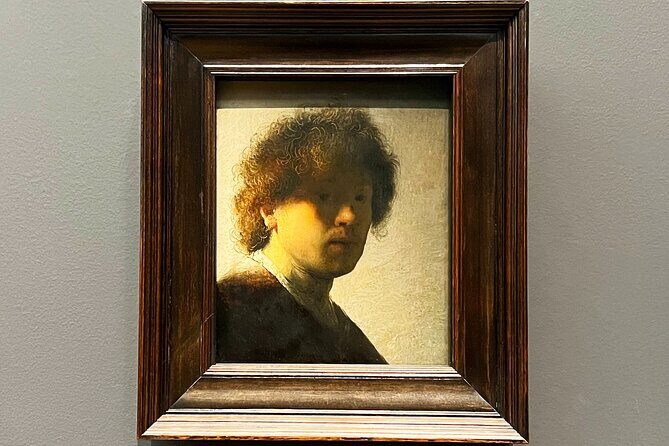
The Rijksmuseum can feel like a museum marathon. Even if you love art, it’s easy to bounce from room to room and only catch half of what matters. A private guide flips that. You’re not just moving through halls—you’re learning how to look at Dutch painting and sculpture in a way that makes the museum feel coherent.
You also gain something simple but powerful: control of pace. In about two hours, you can hit the most famous anchors (Rembrandt and Vermeer) while still getting the why behind them. That’s the difference between seeing paintings and actually understanding what you’re looking at.
And yes, you’ll see lots of big names. But the route isn’t only a checklist. It’s built around themes—religion, national struggle, and civic identity—then it lands on the masterpieces that reflect those ideas.
You can also read our reviews of more guided tours in Amsterdam



Meeting at Cobra Café and getting inside with less friction
Your start point is Cobra Café, Hobbemastraat 18, 1071 ZB Amsterdam. The tour ends at the Rijksmuseum, Museumstraat 1, 1071 XX Amsterdam—specifically in the downstairs atrium of the museum.
This matters because it reduces the “where do we go first” stress. You’ll arrive at a clear meeting spot, then walk into the museum together. Once inside, you’ll handle the entrance and the cloakroom as part of the tour, so your hands stay free and your route stays smooth.
Another practical detail that helps: you’ll have a mobile ticket. That can save time and fuss at the entrance.
If you’re traveling with kids, this format can work well because your guide can keep everyone oriented. One note: young children must be seated in a stroller during the tour.
Outside talk: Pierre Cuypers and the Rijksmuseum as a building
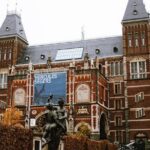
Before you go gallery-hunting, you get a quick grounding outside. The guide discusses the Rijksmuseum building itself—the historical context in which it was built and the vision of its architect, Pierre Cuypers.
This is worth it. A museum building isn’t just a shell. When you understand why it was designed and what it was meant to represent, the interior feels like part of a bigger idea, not just a place where paintings sit behind glass.
If you’re the type who enjoys architecture and symbolism, this first segment sets you up for the rest of the visit. You’ll know where you are, what the building is trying to do, and how the collection fits into that.
Cloakroom, tour intro, and how the plan stays flexible
Once you enter, you’ll go through the museum entrance and use the cloakroom. This is included, which is a nice little value add—no extra surprises for basic essentials.
Then you’ll get an introduction to the Rijksmuseum collection and the itinerary for the day. The goal is to help you understand how the tour will unfold, so you’re not just reacting to random rooms.
Because the tour is private, your route can be adjusted to your art history interests. That can be more useful than it sounds. If you care more about the political/religious themes behind the art, you’ll lean that way. If you want painters and portraits only, the guide can focus there.
The main consideration: this is designed to be efficient. If you want deep, hour-after-hour study of one masterpiece, you might find two hours tight. But if you want a smart overview that still includes major works, it’s a strong fit.
Dutch Renaissance art and the Protestant Reformation/Eighty Years War context
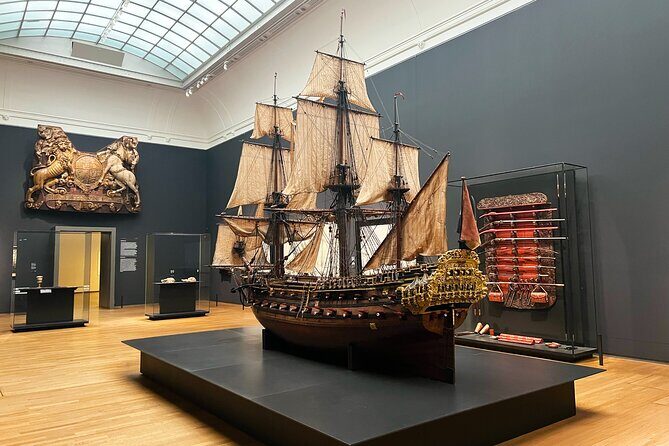
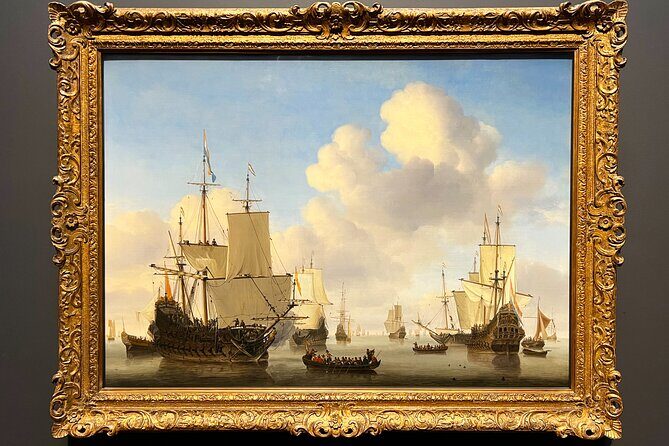
The tour moves into highlights of Dutch Renaissance painting and sculpture, then it connects that art to historical artifacts tied to major themes: the Protestant Reformation and the Eighty Years War.
This is one of the most practical parts of the experience, even if you’re not a history person. It gives you a lens for what you’re seeing. Without context, a lot of Dutch art can feel like it’s simply religious or simply symbolic. With context, it becomes clearer why certain subjects, styles, and messages were so important.
From a value standpoint, this is where a guided format justifies itself. You could spend hours reading museum labels alone. A guide can translate what those artifacts mean and then point you to the artworks that reflect those ideas.
The tour also ties in a major anchor: artifacts related to Rembrandt’s The Night Watch. That’s a smart move because it helps you approach the famous painting with more confidence, instead of standing there wondering what everyone is talking about.
You can also read our reviews of more private tours in Amsterdam



The Great Hall: Cuypers’ vision and the craftsmanship you can actually notice
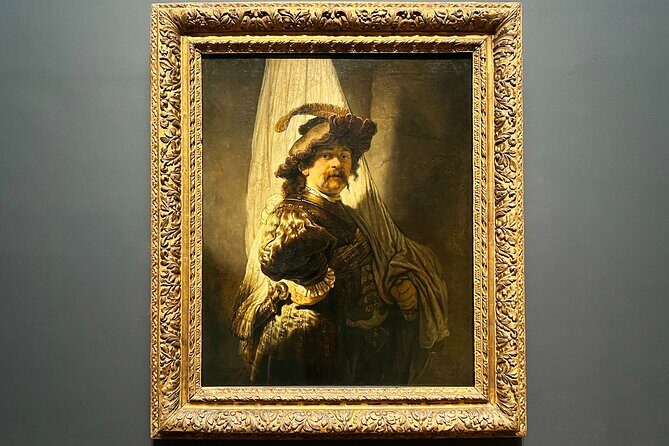
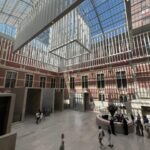
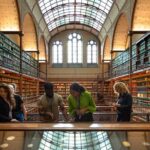
A visit to the Rijksmuseum isn’t complete without the Great Hall. In this tour, you’ll spend time there and learn about the architect’s vision and the craftsmanship of the artisans who shaped it.
Even if you think you’re only there for paintings, the Great Hall changes your mood. It’s where the museum feels like a designed space, not just a series of rooms. The craftsmanship talk also helps you slow down for a second—look at how details are handled—before you jump back into the collection.
This stop is a good “breather” within the schedule. You get context, you reset your eyes, and then you’re ready for the heavy hitters.
Rembrandt spotlight: Night Watch, guild leaders, and portraits with layers
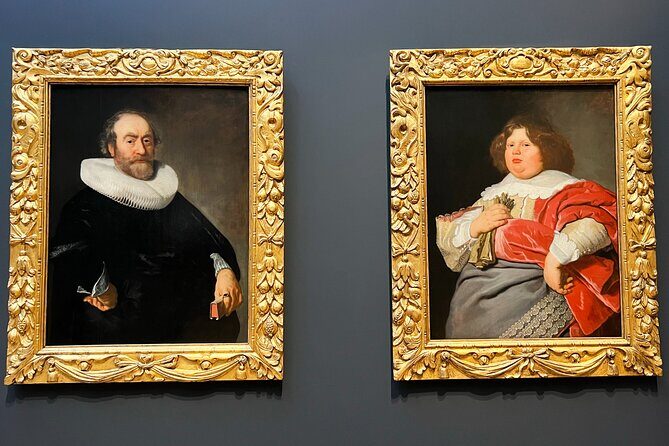
The Rembrandt portion is where the tour hits its strongest fame-to-understanding ratio. You’ll see a lineup that includes:
- The Night Watch
- The Standard Bearer
- Self-portrait as the Apostle Paul
- Syndics of the Draper’s Guild
- The Jewish Bride
That set covers more than just one style of Rembrandt. You get action and presence with The Night Watch, then the more formal authority of guild leadership in the Syndics, plus the emotional and symbolic power of portrait work.
What I like about this part of the tour is the sequencing. You don’t simply jump from Rembrandt to Vermeer. You pass through theme and context first—faith-and-war artifacts and connections to The Night Watch—so your Rembrandt viewing has a frame.
A practical tip: if you’re the type who likes to study brushwork, bring a little patience. With a 2-hour structure, the guide will keep moving to cover the core works. Ask the guide a question while you’re there, and you’ll usually get a targeted answer that improves what you notice next.
Vermeer focus: Milkmaid, letters, reading women, and a street scene
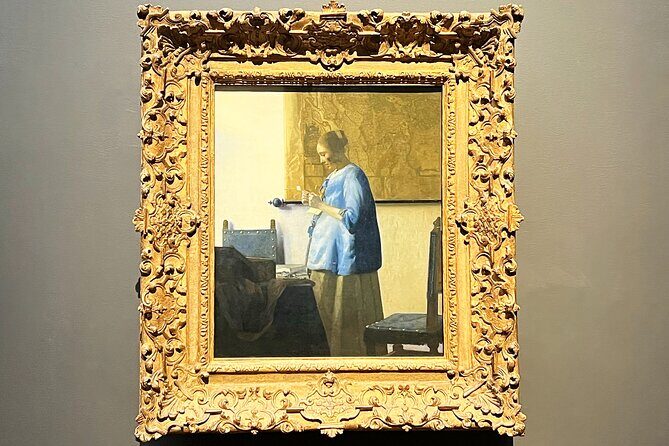
After Rembrandt, you’ll move into Vermeer, with paintings including:
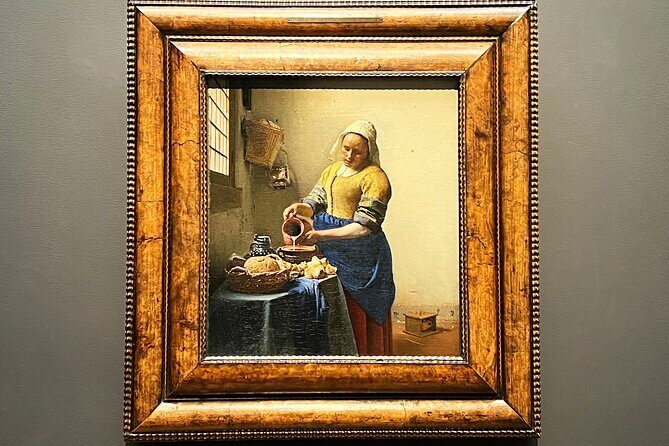
- The Milkmaid
- The Love Letter
- Woman Reading a Letter
- The Little Street
This portion works especially well if you like atmosphere over drama. Vermeer’s works often feel quiet, but they’re not simple. A good guide helps you notice what creates that mood—how the scene is composed, what the figures suggest, and what details matter.
The tour’s value here is that you’re not just ticking off famous titles. You’re also seeing multiple works that share themes of letters, reading, domestic life, and everyday scenes. That makes the collection feel like a conversation, not isolated images.
If you only had time for one Vermeer, you might pick The Milkmaid. But in this format, you’ll likely come away with a better sense of how each painting plays a different role—some are about quiet attention, others about narrative hints.
Price ($150.18) and when this is actually good value
At $150.18 per person for about two hours, you’re paying for three things: a private local Dutch guide, admission, and cloakroom inclusion.
Here’s why that can be good value. The Rijksmuseum entrance itself matters, and you’re not adding extra ticket hassles because the museum tickets are included. Cloakroom inclusion also helps on a practical level, especially if you arrive with a jacket or a bag.
You’re also buying time-saving and decision-making help. Without a guide, you might wander, get overwhelmed, and miss the connections that make the collection click. A well-run private tour can turn what would be a tiring browse into a focused art education in a short visit.
One detail to weigh: bottled water isn’t included. If you run hot, bring a small bottle or plan a quick stop before the tour starts.
Also note: group discounts are listed. That can help if you’re going as a small group and want private attention without paying top dollar solo.
Small practical tips so you enjoy the whole two hours
- Use the cloakroom. It’s included, so take advantage and travel lighter inside galleries.
- Wear shoes you can stand in. The tour covers multiple major sections, so comfortable footwear matters.
- If you need seating, portable stools are available.
- If you have young kids, stroller seating is required for them. Plan accordingly so everyone stays comfortable.
- For a smoother day, plan around the tour’s flow and don’t assume you’ll circle back for extra time with one artwork.
And for art-lovers: come ready to pick a lane. If you love Rembrandt, say so early. If Vermeer calls your name, steer there. The customization is the point.
Should you book the Rijksmuseum private guided tour?
I’d book this if you want a high-quality overview with real guidance, not just a self-paced museum walk. It’s especially worth it when you care about art context—Dutch Renaissance work, the historical artifacts tied to the Protestant Reformation and the Eighty Years War, and how Rembrandt and Vermeer connect to broader themes.
I’d think twice if you’re the type who needs lots of time in front of a single painting. Two hours can feel quick once the masterpieces hook you. But if you want to see major works, get the story behind them, and leave with a clearer understanding, this private format is a strong choice.
FAQ
FAQ
How long is the Rijksmuseum guided tour?
It runs about 2 hours.
Is this tour private?
Yes. It’s a private tour/activity, so only your group will participate.
What language is the tour offered in?
The tour is offered in English.
What is included in the price?
The price includes museum tickets and the cloakroom.
Is bottled water included?
No. Bottled water is not included.
Where do we meet for the tour?
The tour starts at Cobra Café, Hobbemastraat 18, 1071 ZB Amsterdam.
Where does the tour end?
It ends at the Rijksmuseum, Museumstraat 1, 1071 XX Amsterdam, in the downstairs atrium.
Do I receive a mobile ticket?
Yes. The tour uses a mobile ticket.
Are portable stools or service animals allowed?
Portable stools are available, and service animals are allowed.
Can I cancel for a full refund?
Yes. Free cancellation is available up to 24 hours in advance for a full refund.