REVIEW · AMSTERDAM
Amsterdam: Make your cheese next to De Hallen
Book on GetYourGuide →Operated by De Kaasserie · Bookable on GetYourGuide
First time you’ll think about milk differently. This hands-on workshop at De Kaasserie near De Hallen turns cheesemaking from a mystery into a doable, repeatable skill. I love how it starts with a short intro and then gets you working right away, and I especially love the small group feel where you’re not watching from the sidelines.
If you’re sensitive to dairy, this is a deal-breaker. It’s also not a coffee-and-snacks stop, so plan on skipping the urge for a late caffeine reset during the session.
In This Review
- Key things I’d bet on
- Cheese-Making at De Kaasserie by De Hallen
- What You Learn: Acid vs Rennet Coagulation (Fresh vs Aged)
- The 3-Hour Workshop Flow, Step by Step
- Arrival at De Kaasserie and the quick setup talk
- Making an acid-coagulated cheese (the fresh start)
- Making a rennet-coagulated cheese (your aged-cheese pathway)
- Pressing, getting ready, then tasting the finished cheeses
- What You Take Home: Two Cheeses, Supplies, and Recipes
- Price and Value for a $135, Small-Group Skill Class
- Languages, Group Size, and Why It Matters
- Practical Tips Before You Go
- Who This Workshop Suits (and who should skip it)
- Should You Book This Cheese Workshop?
- FAQ
- Where do I meet for the workshop?
- How long is the cheese-making experience?
- How big is the group?
- What cheeses will I make?
- Will I be able to add flavors like herbs or spices?
- Is there a tasting at the end?
- What do I take home?
- Are coffee or alcoholic drinks included?
- Who is this not suitable for?
Key things I’d bet on
- You’ll make two cheeses in one class from two kinds of coagulation (acid and rennet)
- You can customize with spices and herbs, not just follow instructions
- You’ll taste your results with a fresh and pressed-style tasting
- You get take-home supplies (cheese cloth, rennet, calcium) plus emailed recipes
- The rennet lesson is for aged-cheese goals, since rennet coagulation is the base process
Cheese-Making at De Kaasserie by De Hallen
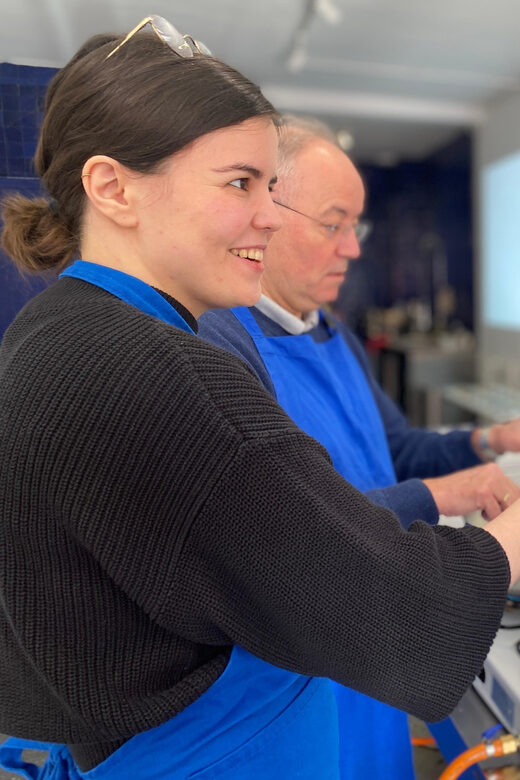
Amsterdam has plenty of food tours. This one is different. Instead of sampling your way through the city, you leave with something you made with your own hands: two fresh cheeses and the know-how to keep going.
The setting helps. De Kaasserie sits in the De Hallen area, which makes this feel like part of an actual neighborhood day rather than a far-flung excursion. You arrive, meet the group, and settle into a calm workshop pace. Then things get practical fast.
What stands out to me is the structure. You don’t just get a general talk on cheese history. You learn the mechanics. That’s what makes the experience useful when you’re back home staring at a pot and wondering what to do next.
You can also read our reviews of more tours and experiences in Amsterdam



What You Learn: Acid vs Rennet Coagulation (Fresh vs Aged)
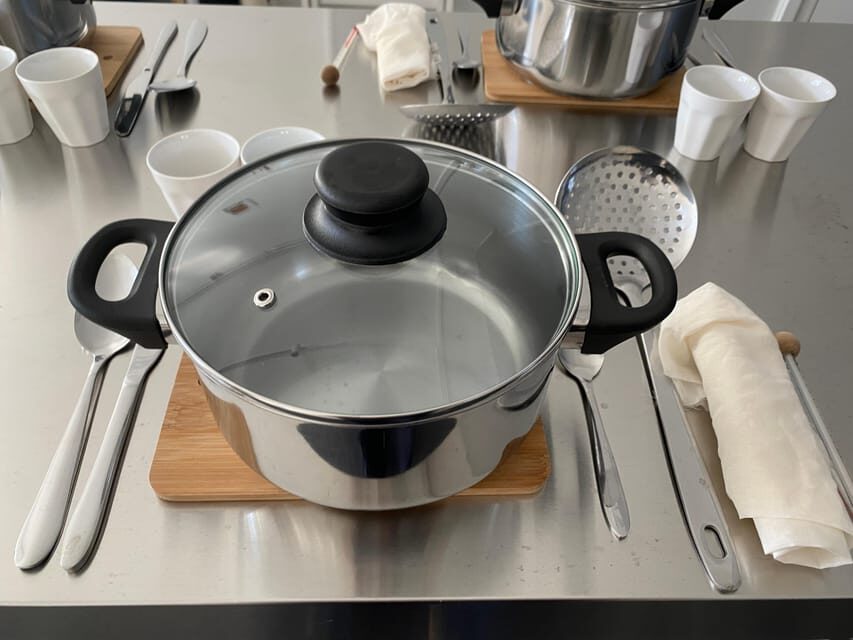
The core lesson is simple, and it’s exactly why this workshop works.
You’ll learn about two basic types of milk coagulation:
- Acid coagulation: the milk curdles using acidity, resulting in a fresh-style cheese
- Rennet coagulation: the milk curdles using rennet, which is the procedure used for aged cheese
In class, you actually produce both kinds. That matters because the two methods don’t just sound different. They behave differently in the moment, and that’s the learning you’ll remember.
The instructor also frames rennet coagulation as your doorway to more advanced projects. Once you understand rennet coagulation with a fresh cheese, it’s easier to follow longer, more complex recipes later at home if you want to move toward aged cheeses. That’s a big deal for value: you’re not only learning a single recipe, you’re learning a method.
The 3-Hour Workshop Flow, Step by Step
This is a 3-hour small-group workshop (limited to 10 participants). You’ll work in a way that’s active but not frantic. Expect a guided pace with enough time to get hands-on without feeling rushed.
Arrival at De Kaasserie and the quick setup talk
You meet at De Kaasserie. Once everyone arrives, you get an introduction to the workshop and how the session will run. You’ll also see a short slide-style presentation—something people mention as a smart start because it gives you mental hooks before the hands-on part begins.
Then you start with the fundamentals: what coagulation is doing, why temperature and timing matter, and how you’ll split your work into two separate batches.
Making an acid-coagulated cheese (the fresh start)
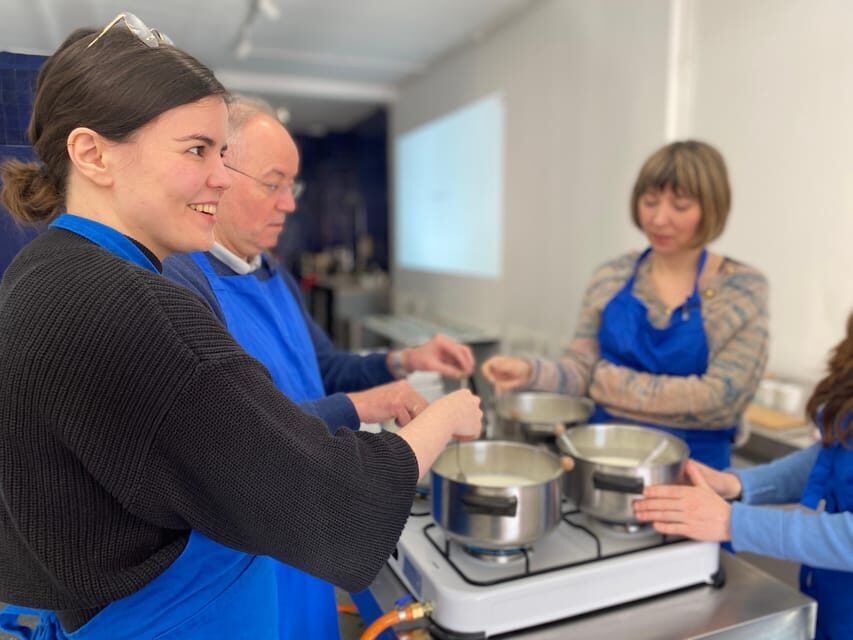
You’ll use one liter of supermarket milk to make an acid-coagulated cheese. The aim here is a fresh cheese. You’re learning how acid changes milk into curds and whey, and you’ll follow the process through the curd formation stage.
You also get room to add spices and herbs to your cheese. That’s a fun twist because it turns a “class project” into something that can match your taste. Even if you keep it simple, it helps you understand how flavoring fits into the process.
Practical takeaway: you’ll see how the curds respond and what you need to watch so the batch doesn’t go sideways.





Making a rennet-coagulated cheese (your aged-cheese pathway)
Next comes the second batch: another one liter of supermarket milk, this time using rennet to coagulate.
This is the method used for aged cheese. In other words, this isn’t just another fresh cheese making exercise—it’s training for a longer-term craft goal. Once you do it once, the idea of trying more complex recipes later feels much less intimidating.
You’ll again have a chance to experiment with spices and herbs, so you can compare how the two methods feel and taste when flavored.
Pressing, getting ready, then tasting the finished cheeses
After both batches are ready, you wrap up with a tasting of the cheeses you made. The tasting includes fresh and pressed styles, so you experience how texture changes with handling and finishing.
This part is the payoff. It’s one thing to follow instructions. It’s another to taste and understand what those steps actually created. You get to connect action to result.
And yes, it’s also just good fun. You walk out with a snack that feels earned.
What You Take Home: Two Cheeses, Supplies, and Recipes
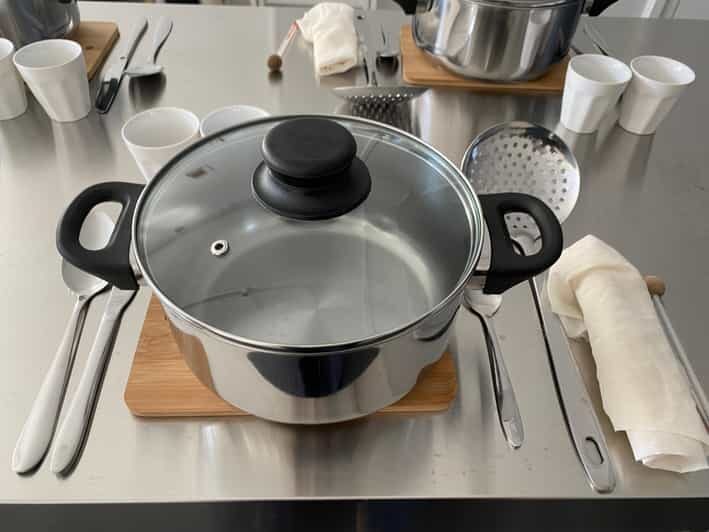
You’re encouraged to experiment at home, and the workshop is designed to make that realistic.
When you leave, you take:
- Two cheeses (fresh kinds, one from each coagulation method)
- Cheese cloth
- Rennet and calcium
- Recipes sent by email
That take-home kit is where the value really tightens. A lot of short food classes are basically “fun for a day.” This one gives you the tools to repeat the craft in your own kitchen.
A practical tip: refrigerate your cheeses promptly after pickup or storage, and keep the recipes handy. If you want the best results, try making your next batch while the process still feels fresh in your mind.
Price and Value for a $135, Small-Group Skill Class
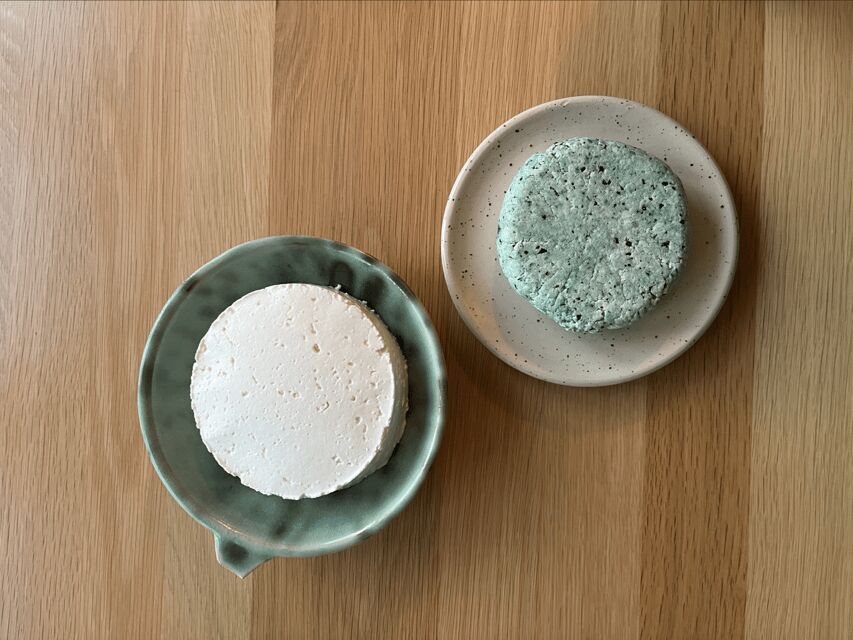
At $135 per person for about 3 hours, this doesn’t try to compete with a cheap walking tour. It’s priced like a skill workshop, and that’s fair.
Here’s why I think it’s good value:
- You’re not only tasting cheese. You’re making cheese twice (two different coagulation methods).
- You get take-home items that support future attempts: cheese cloth, rennet, calcium, and recipe emails.
- Small group size (max 10) matters because it supports hands-on learning, not just watching.
If your goal is simply to eat good cheese in Amsterdam, you can find tastings that cost less. But if your goal is to learn a craft you can keep doing, the price starts to make sense fast.
You’re paying for time with an instructor, a structured process, and real ingredients and supplies. That combination is what turns this from entertainment into education you can use.
Languages, Group Size, and Why It Matters
The instructor can work in English, Spanish, French, and Dutch. That’s useful in a city where English is common but not universal.
The group size is limited to 10 participants, and you feel that difference. It’s the kind of class where you can ask questions and get feedback without waiting your turn for ages. People specifically appreciate the instructor approach and the group size for exactly this reason.
And since you’re working with your hands, you want a session that doesn’t treat you like a spectator. This one does the opposite.
Practical Tips Before You Go
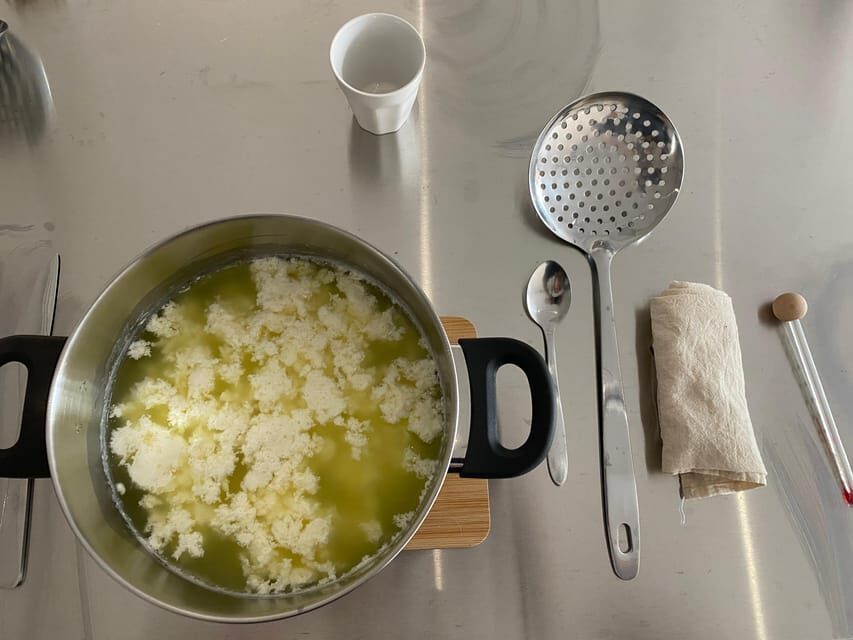
A few simple choices make the experience smoother.
- Plan to go without expecting coffee or alcohol included. If you want either, do it before you arrive.
- Dress like you’re working near food and liquids. Even with careful handling, you’ll be doing messy-ish steps around curds.
- If you’re the type who likes to learn by comparison, pay attention to the differences between the acid batch and the rennet batch. The workshop is set up for you to notice those contrasts.
- If you want to get the most out of the spice-and-herb option, think ahead about flavors you actually like. Your finished cheeses will taste like your choices.
Who This Workshop Suits (and who should skip it)
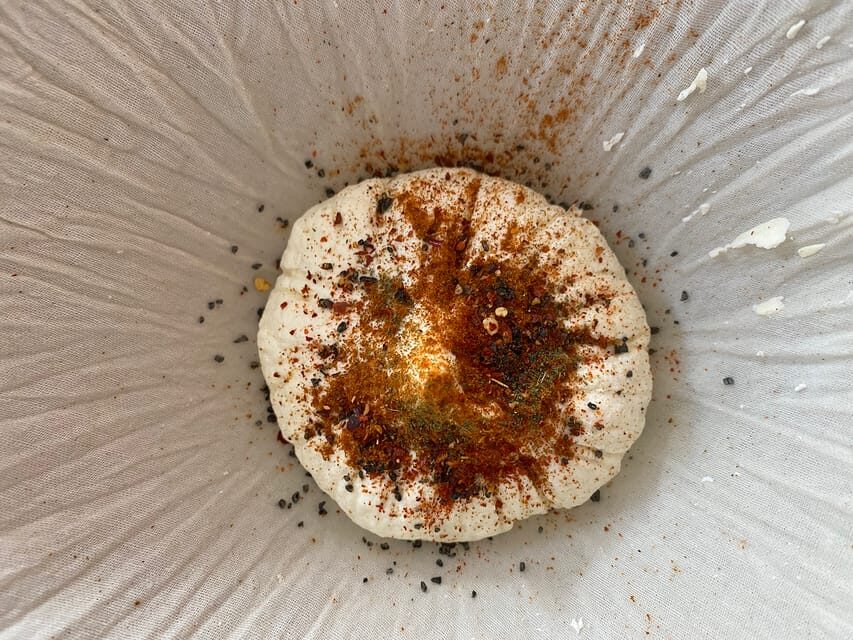
This is a great fit if you:
- Want an actual food craft you can repeat at home
- Enjoy hands-on classes more than lectures
- Like the idea of experimenting with flavors like herbs and spices
- Are curious about how fresh cheeses connect to the basics of aged cheesemaking
It’s not a fit if:
- You have lactose intolerance (milk-based cheesemaking is part of the process)
- You’re traveling with kids under 16
- You’re over 95 (the activity isn’t suitable)
Also, if you’re traveling at a very tight schedule, remember this is a focused 3-hour slot. It’s not the kind of activity you can stretch into an early-morning snack break.
Should You Book This Cheese Workshop?
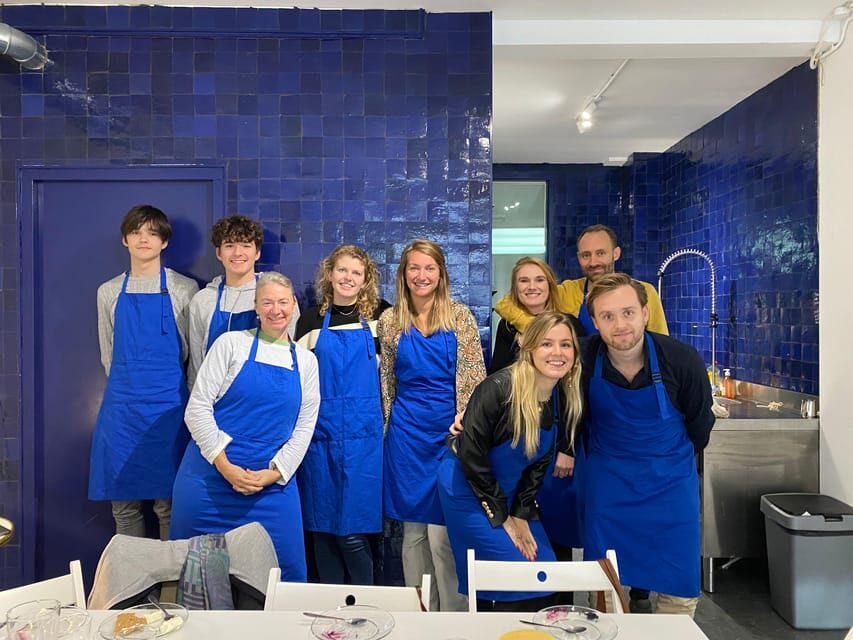
Book it if you want more than a meal. This is one of those experiences where you leave with food plus a skill. The best part is the clarity of the teaching: you learn acid vs rennet coagulation, you see how the method leads toward different cheese styles, and you finish by tasting your own work.
I’d skip it if your only goal is to grab a quick dairy fix or if dairy doesn’t work for your body. And if you’re hoping for a drink included, plan ahead.
If you’re even a little curious about making cheese at home, this class gives you a strong first step—plus the supplies to try again.
FAQ
Where do I meet for the workshop?
You meet at De Kaasserie. The exact meeting point can vary depending on the option you booked.
How long is the cheese-making experience?
It lasts 3 hours.
How big is the group?
The group is limited to 10 participants.
What cheeses will I make?
You’ll make two kinds of fresh cheese: one acid-coagulated and one rennet-coagulated cheese.
Will I be able to add flavors like herbs or spices?
Yes. You can experiment with adding spices and herbs to your cheese.
Is there a tasting at the end?
Yes. You finish with a tasting of homemade cheeses, including fresh and pressed.
What do I take home?
You take home two cheeses plus cheese cloth, rennet, calcium, and the recipes are sent to you by email.
Are coffee or alcoholic drinks included?
No. Tea is included, but coffee and alcoholic beverages are not included.
Who is this not suitable for?
It’s not suitable for children under 16, people with lactose intolerance, or people over 95 years old.

More Cheese in Amsterdam
- Zaanse Schans Windmills, Clogs and Dutch Cheese Small-Group Tour from Amsterdam
★ 4.5 · 2,369 reviews