REVIEW · AMSTERDAM
Amsterdam Must-See Historical City Walk with Local Expert
Book on Viator →Operated by Friendly Local Guides · Bookable on Viator
In central Amsterdam, direction is half the trip. This compact 1h45 walking tour helps you get oriented fast, while a local expert guide connects the dots between the city’s big landmarks and the stories behind them.
I like two things right away: the small group (max 10), which makes it easier to ask questions and keep the pace friendly, and the tight route that hits iconic spots like Dam Square, the Royal Palace, and the canal ring without wasting time.
One thing to consider: the reviews include a couple of serious no-show reports. If you do book, show up early and be ready with your tour contact in case something goes off-script.
In This Review
- Key things to know before you start
- Why this Amsterdam route is a smart way to get your bearings
- A practical reality check
- Start at Beursplein, end in Dam Square: the flow you’ll feel
- Stop-by-stop: what you’ll notice at each landmark
- Dam Square: the city’s “front yard”
- Oude Kerk: the church that looks like a candy building
- Damrak: remnants of the past, right in the tourist stream
- Beursplein: a square that hosts change
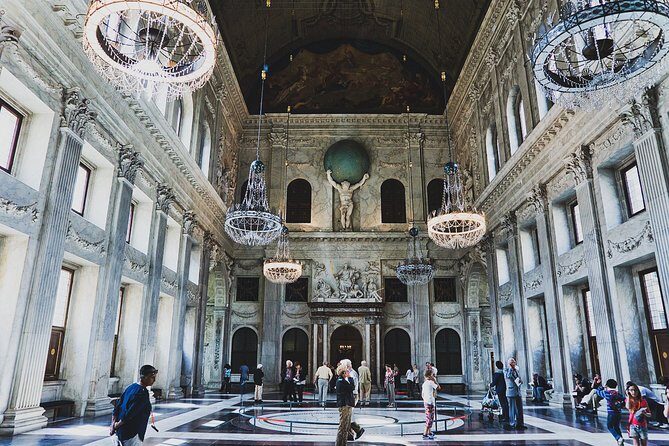
- Royal Palace Amsterdam: formality in the middle of town
- Nieuwe Kerk: royal ceremonies, right beside the palace
- Amsterdam Canal Ring: the UNESCO context you’ll actually use
- Westerkerk: Rembrandt’s burial mystery and Anne Frank’s diary tie-in
- Homomonument: the LGBT history you might otherwise miss
- Keizersgracht (Emperor’s Canal): more than postcard water
- Passing the Anne Frank House area: history with a human scale
- Cafe Papeneiland: one of the oldest cafes, still serving local life
- Noorderkerk: resistance and persecution history
- The Bulldog Rock Shop Coffeeshop: modern Amsterdam and legalization talk
- The Red Light District: a quieter route through a famous area
- The guide factor: clarity, pace, and how to spot them
- A real caution from the reviews
- Tickets, churches, and canals: what’s included in sight value
- Value for your time: who this 1h45 walk fits best
- Should you book this Amsterdam city walk?
- FAQ
- How long is the walking tour?
- Is the tour offered in English?
- What is the group size?
- Where do we meet and where does the tour end?
- Is admission included for the stops?
- What time does the tour start?
- Can I cancel for a refund?
Key things to know before you start
- Max 10 people keeps the walk from turning into a cattle-car.
- Major stops in 1h45: Dam Square, Oude Kerk, Royal Palace area, canal ring, Westerkerk, and more.
- English-only delivery, with a guide who explains clearly and keeps things moving.
- Most sights are pass-by views, so tickets aren’t included for the stops marked not included.
- UNESCO canal ring route is part of the walk, so you get context on what you’re seeing.
Why this Amsterdam route is a smart way to get your bearings
Amsterdam can feel like a “pretty maze” at first. You’ll see canals, bicycles, canal bridges, and gabled buildings everywhere, which is charming—until you realize you still don’t know which side is the center and why that palace is right there in the middle of town.
This walk is built to solve that early confusion. In about 1 hour 45 minutes, you’re moving through the main historical pocket: squares, churches near the royal area, and the canal ring. The route also has a good rhythm: big-photo stops for orientation, then smaller details that make the city feel specific instead of generic.
And the guide part matters. The format emphasizes “fun and clear” explanation, plus advice on where to go next. That’s a real value add because Amsterdam rewards the follow-up choices you make after you’ve seen the basics.
You can also read our reviews of more walking tours in Amsterdam



A practical reality check
You’re not touring museums for hours here. The structure is a focused walk with highlights you can see right away, including exteriors and passes by key sites. For anything you’d want to enter later, you’ll decide after the tour—so you keep your day flexible.
Start at Beursplein, end in Dam Square: the flow you’ll feel
The meeting point is City Game Amsterdam at Beursplein 5, 1012 JW. The tour starts at 10:00 am. It ends at Dam Square (Dam, 1012 RJ).
That start-and-finish choice is part of the logic. Beursplein puts you near the city’s central transit web, and Dam Square drops you back into the thick of the action for easy onward plans. Since there are many tram and street connections nearby, it’s easier to continue your day without a long commute.
Mobile ticket is included, so you don’t need to hunt for printed vouchers. And because it’s a small group with a walking pace suited for moderate physical fitness, you’re not expected to do marathon-distance sightseeing.
Stop-by-stop: what you’ll notice at each landmark
This is the heart of the experience: short segments that stack into a full picture of central Amsterdam.
Dam Square: the city’s “front yard”
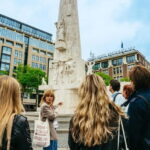
You begin at Dam Square, one of Amsterdam’s most important areas. It’s the concentration point: the Royal Palace nearby, museums and shops, musicians, trams, and plenty of everyday street life. Even if you’ve seen photos, seeing the scale in person helps your brain stop treating the city like one endless postcard.
What to look for: the mix of official-looking architecture and “regular city noise.” Dam Square is where Amsterdam’s formal image and tourist reality overlap.
Consideration: this is a popular area, so expect crowds. The guide’s job here is to help you spot what matters without slowing you down.
You can also read our reviews of more city tours in Amsterdam





Oude Kerk: the church that looks like a candy building
Next is Oude Kerk (Old Church), a medieval church with a striking, old-world presence. The description often includes the feeling that it resembles a gingerbread house—which, once you see it, makes it memorable.
What to look for: the exterior character. This stop is more about atmosphere and architecture cues than a long sit-down visit.
Quick win: even a brief stop here gives you an immediate sense that Amsterdam’s story goes far beyond canals.
Damrak: remnants of the past, right in the tourist stream
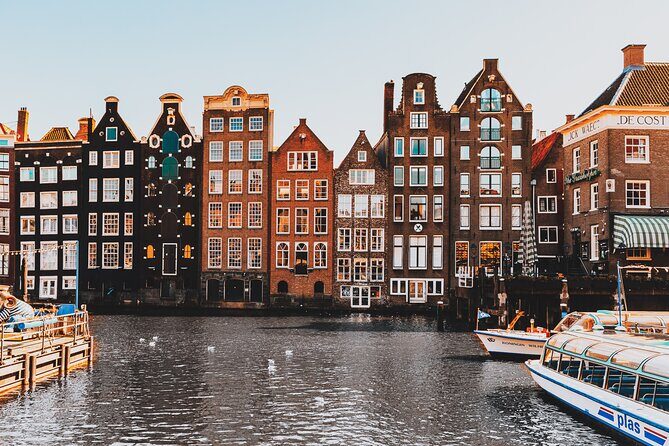
You head toward Damrak, where you can still spot pieces of earlier Amsterdam. The canal-and-street mix is part of why this area works for a short walk: you see how old routes and modern flow coexist.
What to look for: the architecture details, especially the nearby reference point often called the dancing house. It’s the kind of structure that feels “modern by accident,” which is exactly the contrast Amsterdam does well.
Consideration: Damrak can be busy. If you’re the type who gets stressed in crowds, bring calm patience—this is central.
Beursplein: a square that hosts change
Then you reach Beursplein, a square used for different events and public moments. The guide here can add depth—especially through local context that makes the square feel like it has a personality, not just a location.
What to look for: how public squares shift roles over time. Even in a brief stop, you’ll get a sense of what happens here beyond everyday foot traffic.
Royal Palace Amsterdam: formality in the middle of town
You walk past the Royal Palace Amsterdam, known for its grand facade facing the square. This is one of those stops where lighting changes your perception. A sunny day makes details pop, but even in calmer light, you can still appreciate the structure’s scale.
What to look for: architectural details on the exterior and the way the building dominates the space around it.
Consideration: if you want to go inside, this tour doesn’t position itself as the ticketed version. You’ll likely treat it as a powerful exterior stop and decide later.
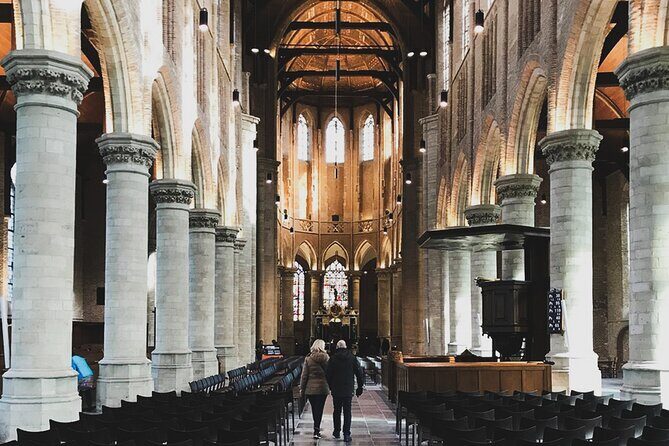
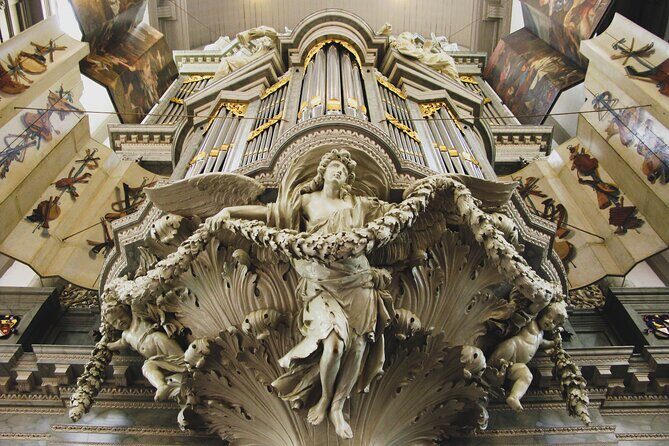
Nieuwe Kerk: royal ceremonies, right beside the palace
Next is Nieuwe Kerk (New Church), located by the palace area. It’s used for investiture ceremonies and royal weddings, so it has a ceremonial role that matches the neighborhood’s official tone.
What to look for: the “majestic” feel of the church even from outside. This stop helps you connect the palace zone to the broader Dutch tradition of public ceremony.
Amsterdam Canal Ring: the UNESCO context you’ll actually use
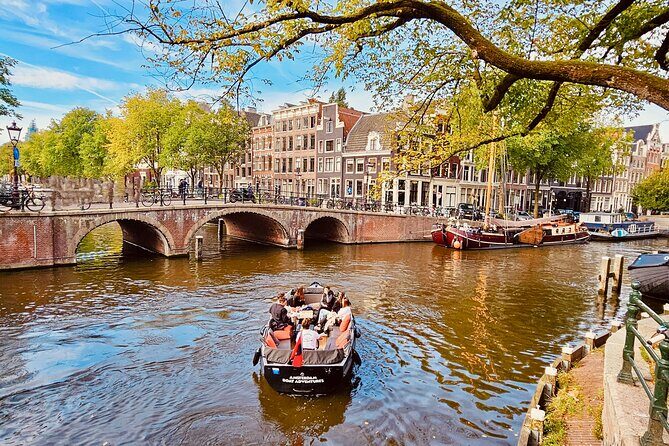
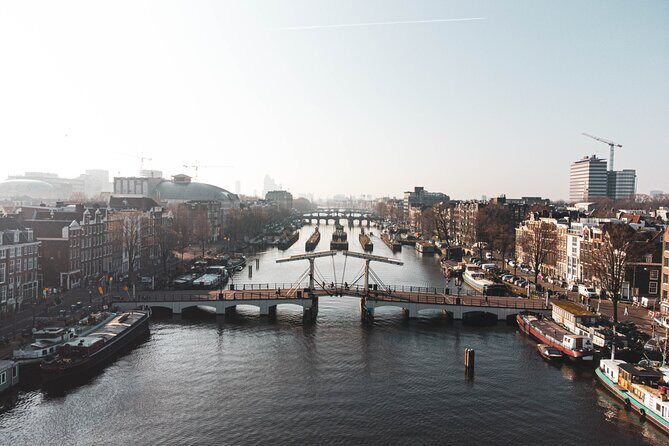
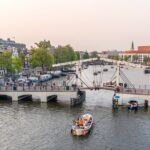
Now you move along the Amsterdam Canal Ring, part of the UNESCO World Heritage Site. This matters because it turns the canals from scenery into something engineered and planned. You’ll hear the big numbers: over 100 kilometers of canals, about 90 islands, and roughly 1,500 bridges. The main canals—Herengracht, Prinsengracht, and Keizersgracht—were built in the 17th century.
What to look for: the canal alignment and how the bridges and streets are part of the same city system. Once you understand the ring idea, you’ll start reading Amsterdam differently on the rest of your trip.
Consideration: canals also mean bikes everywhere. Watch your step and keep your pace steady.
Westerkerk: Rembrandt’s burial mystery and Anne Frank’s diary tie-in
The walk reaches Westerkerk, described as the tallest Amsterdam church. There are several stories connected here, and the guide can tie them together fast:
- Rembrandt was buried here, but the exact location of his grave isn’t known.
- The church is mentioned in Anne Frank’s diary, and the idea is that the girl’s house was nearby.
What to look for: the church’s presence. Even if you don’t linger, the building is easy to register visually.
Why this works: it connects three different layers of Amsterdam life—art, the city’s historical memory, and the personal stories that reached far beyond the city.
Homomonument: the LGBT history you might otherwise miss
You pass the Homomonument, built to commemorate gay men and lesbians who were victims. Today it also supports the Dutch LGBT movement and serves as a site used for flashmobs, meetings, and photo exhibitions.
What to look for: it’s unique and recognizable, but also easy to miss. A guide who points it out turns it from “something you walk past” into a meaningful stop.
Consideration: photos are possible, but keep it respectful. This is remembrance, not just sightseeing.
Keizersgracht (Emperor’s Canal): more than postcard water
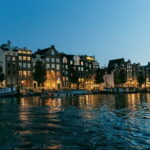
Then you explore the Keizersgracht area, often described as full of historical houses and monuments. The walk is meant to catch you in the calmer “corners” rather than only the most famous photo spots.
What to look for: the small details on the canal banks. There are references to little boutiques and offices, and you’ll see parked bicycles along bridges.
In winter, this canal area becomes a skating scene—though on most visits it’s still worth noticing how flat the walkway-canal relationship is.
Passing the Anne Frank House area: history with a human scale
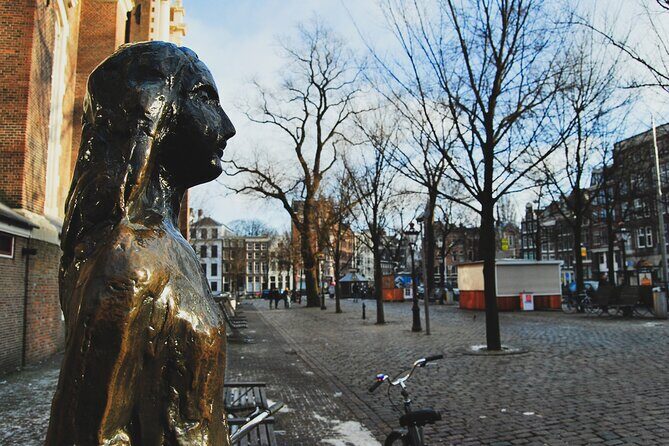
You’ll pass by the monument and the house connected to Anne Frank. The tour connects her to Jewish persecution during World War II and to her writing, The Diary of a Young Girl, which became a documented warning against Nazism.
What to look for: the way this area carries weight without needing theatrics. It’s not “just another stop”—it’s a reminder that history was personal here.
Consideration: this stop can hit harder than expected. If you’re visiting with kids, it helps to have a moment prepared for questions.
Cafe Papeneiland: one of the oldest cafes, still serving local life
You pass Cafe Papeneiland, known as one of the oldest Amsterdam cafes. The vibe described is cozy, more pub-like than touristy, and it’s a place locals come for a beer. It’s also known for apple pie, and some people come specifically for that.
Why this stop is useful: it grounds the walk in everyday life. Amsterdam is not only churches and palaces.
What to do after: if it fits your day, this is exactly the kind of place to turn the tour into a meal stop later.
Noorderkerk: resistance and persecution history
The walk continues to Noorderkerk, described as the place where Amsterdam residents rebelled against Dutch Jewish persecution.
What to look for: the church as a historical marker. This stop shifts the walk’s tone from royal and architectural to moral and social history.
Consideration: the emotional weight is real. If you want lighter pacing, you may want to take breaks for water and reset your mood.
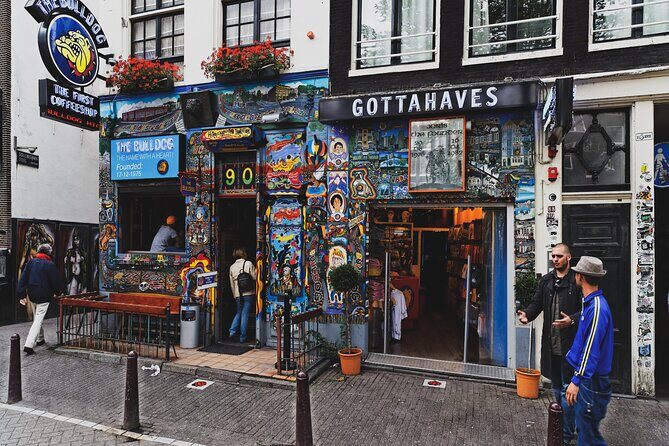
The Bulldog Rock Shop Coffeeshop: modern Amsterdam and legalization talk
You’ll see The Bulldog Rock Shop Coffeeshop, connected to the well-known Coffeeshop chain. Cannabis sales in small quantities are allowed there, and the guide is expected to explain legalization and decriminalization.
What to look for: how Amsterdam handles policy in plain sight. This is Amsterdam’s modern street-level reality.
Consideration: if you’re sensitive to the topic or want to avoid it, you can treat this as a short “see and move on” moment. The guide’s role is to frame it.
The Red Light District: a quieter route through a famous area
Finally, you reach a part described as the second Red Light District, off the beaten path. This stop is meant to talk about Dutch liberal culture and the area’s own kind of charm.
What to look for: how the district functions as part of the city’s broader culture rather than a standalone theme park.
Consideration: this area can be intense. If you’re easily uncomfortable, you might treat the final minutes as a quick orientation stop and plan to move on promptly afterward.
The guide factor: clarity, pace, and how to spot them
This tour leans hard on the guide experience. The route is packed, and a great guide does three things fast:
- Explains what you’re seeing in a way you can remember.
- Keeps the group moving so you don’t lose time at every corner.
- Works the crowd so you don’t feel stuck.
One piece of positive feedback singled out a guide described as sounding like Stacy for being excellent: strong knowledge and personality, kept things moving, dressed so she was easy to find in a crowd, and brought real enthusiasm.
That’s the ideal scenario. If your guide is like that, you’ll leave with stories you can actually repeat, not just photos.
A real caution from the reviews
There are also serious negative reports about a guide not showing up, with communication problems and delayed refunds. I can’t ignore that. If you book this tour, I’d treat it like a plan that needs a safety net:
- arrive early for the meeting point
- keep your confirmation info handy
- be prepared to contact the operator quickly if needed
It’s not meant to scare you—just to keep your day from getting wrecked by last-minute confusion.
Tickets, churches, and canals: what’s included in sight value

From what you’re told at each stop, most entries are not “ticketed attraction time.” Many stops are marked as admission not included, and a couple of sections are free to view.
So the value is in:
- orientation
- historical and cultural context
- quick exterior viewing and photo-friendly points
- the guide’s interpretation
This also changes how you should plan your day. Treat this tour as the map and story layer, not the “full museum” layer. If you later want to enter a church, palace area, or house site, you’ll do it based on what you learn here.
Value for your time: who this 1h45 walk fits best
Since price isn’t listed here, I’ll judge value by the ingredients that are included: fees and taxes, a friendly local guide, iconic photo spots, plus expert advice on where to go after.
This tour fits best if you:
- want a fast orientation to central Amsterdam
- like learning through street-level storytelling rather than sitting in one place
- enjoy a short itinerary that hits major landmarks without feeling rushed for hours
- appreciate small-group pacing (max 10)
It’s less ideal if you:
- need lots of downtime or prefer slower sightseeing
- want deep museum-style access as part of the package
- can’t deal with the possibility of communication mishaps on the day (based on negative reports)
Should you book this Amsterdam city walk?
If you’re booking to get your bearings quickly and you’re happy with pass-by views plus strong storytelling, this tour makes sense. The canal ring UNESCO context, the royal area stops, and the way the guide links places like Westerkerk with Rembrandt and Anne Frank are the kinds of connections that help the rest of your trip click.
But I’d book with your eyes open. The no-show reports mean you should plan it like a key activity with extra attention on day-of confirmation and contact.
If you can handle that small risk, you’ll likely appreciate the format: 1h45, English, small group, and a route designed to get you from Dam Square into the story of Amsterdam fast.
FAQ
How long is the walking tour?
It runs for about 1 hour 45 minutes.
Is the tour offered in English?
Yes, the tour is offered in English.
What is the group size?
The tour has a maximum of 10 travelers.
Where do we meet and where does the tour end?
Meet at City Game Amsterdam, Beursplein 5, 1012 JW Amsterdam. The tour ends at Dam Square, Dam, 1012 RJ Amsterdam.
Is admission included for the stops?
Not all stops include admission tickets. Many are listed as admission ticket not included, while some stops are marked as free.
What time does the tour start?
The start time is 10:00 am.
Can I cancel for a refund?
Yes. Free cancellation is available up to 24 hours in advance for a full refund.