REVIEW · AMSTERDAM
Amsterdam National Maritime Museum Skip-the-line-Ticket
Book on Viator →Bookable on Viator
This museum runs on stories of the sea. You get skip-the-line entry to Het Scheepvaartmuseum in Amsterdam’s Oosterdok area, then a smart 1-hour audio guide that helps you hit the best maritime highlights without feeling rushed.
I especially like the setting: the museum sits in a restored 17th-century Arsenal, and that modern glass roof over the courtyard gives you an instant sense of scale. I also love the ship-focused exhibits, including a Dutch East Indiaman ship reconstruction with 3D animation, plus navigation instruments and Golden Age displays that make the Netherlands’ sea power feel real.
One heads-up: this is mostly self-paced after you enter, so if you’re hoping for a full guided tour with lots of live commentary, you may want extra time to explore at your own speed.
In This Review
- Key points before you go
- Het Scheepvaartmuseum at Oosterdok: where maritime Amsterdam still shows up
- Skip-the-line entry with a mobile ticket: the real time saver
- How to use the free 1-hour audio guide without getting lost
- Arsenal courtyard to glass roof: start strong before you chase exhibits
- Golden Age displays and HD screens: learn fast without a textbook
- Navigation instruments you can picture: the practical side of seafaring
- East wing art, artifacts, and photographs: more than ships on display
- The Dutch East Indiaman ship reconstruction with 3D animation
- Old Amsterdam port and the outside cargo-ship replica: end with a sense of place
- Interactive exhibits for families, plus wheelchair-friendly routes
- Price and value: is $24.03 worth the stop?
- Who this ticket fits best in your Amsterdam plan
- Should you book this skip-the-line ticket?
- FAQ
- What is included with the Amsterdam National Maritime Museum skip-the-line ticket?
- How long does the museum experience take?
- Is the ticket usable on a phone?
- What languages are available?
- Where do I go for the experience?
- What is the cancellation policy?
Key points before you go
- Skip-the-line access saves time at the entrance, letting you start exploring right away
- Restored 17th-century Arsenal location adds real atmosphere, not just museum walls
- 1-hour audio guide gives a guided highlights walk you can follow or ignore
- Dutch East Indiaman ship reconstruction with 3D is a top visual moment
- Golden Age navigation gear and HD displays help you understand how ships actually worked
- Family-friendly and wheelchair-friendly exhibits make it easier for mixed groups
Het Scheepvaartmuseum at Oosterdok: where maritime Amsterdam still shows up
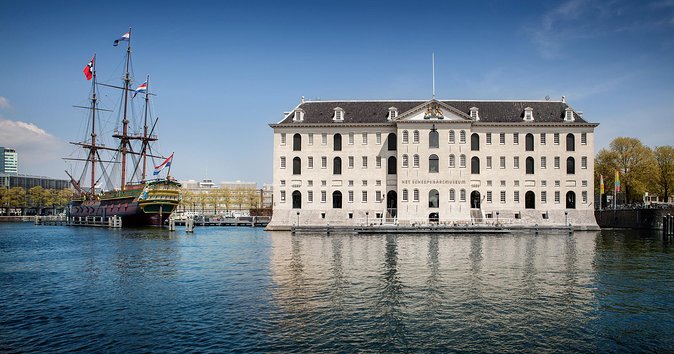
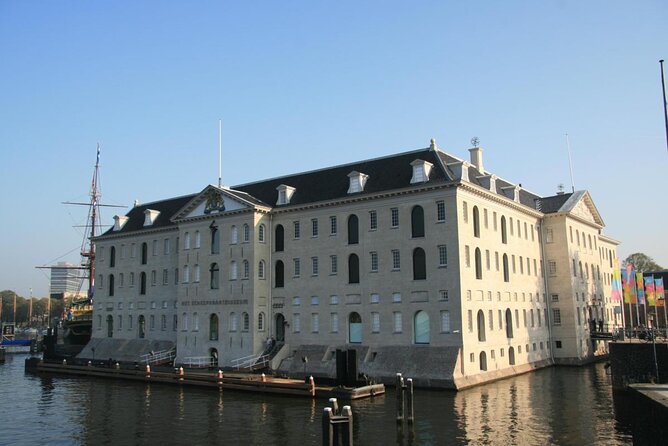
You’ll find Het Scheepvaartmuseum (the National Maritime Museum) in Amsterdam’s Oosterdok area, by the East Dock. The big advantage here is that you can combine it with a sea-and-port mindset for the rest of your day, because this isn’t an abstract history lesson. The museum is built around how the Netherlands connected to the water for trade, exploration, and power.
The building itself matters. It’s housed in a restored 17th-century Arsenal that once stored supplies for the Royal Dutch Navy. That gives the museum a sturdier, more authentic feel than a typical modern exhibit space. Even before you get into the galleries, you’ll notice the courtyard setting and the way the architecture frames the collection.
Skip-the-line entry with a mobile ticket: the real time saver
You’re starting with a mobile ticket and fast-access entry. That matters because museum lines in Amsterdam can be unpredictable, especially at popular times. With skip-the-line admission, you’re meant to bypass the ticket line and move straight into the museum.
You travel independently to the museum, so plan to arrive a little early to get settled before you start your audio guide. The museum is near public transportation, which is a nice practical bonus if your Amsterdam day is built around trams and walking rather than long taxis.
How to use the free 1-hour audio guide without getting lost
The ticket includes a 1-hour audio guide in English. You can treat it like a lightweight guided tour: pick up the audio guide on arrival, then follow the highlights at a comfortable pace.
Here’s how to get the best value from it. If you’re a “I want the highlights, then freedom” type of visitor, use the audio guide to set your order. Let it guide you through the big sections, then stop when something grabs you. If you’re more of a “wander and read everything” person, you can still use it as a map so you don’t spend your time guessing where the most important exhibits are.
The museum supports choice. You’re not locked into a strict group route, so the audio tour helps you steer without turning your visit into a schedule you resent.
Arsenal courtyard to glass roof: start strong before you chase exhibits

When you walk in, look around for the courtyard and the glass roof overhead. It’s one of those details that helps you orient quickly. You’re in a historic Navy storehouse, but the courtyard area brings in modern light and a clean, airy feel.
This matters because the museum spreads out through multiple halls filled with different kinds of objects: art, models, instruments, and interactive elements. If you get your bearings early, you’ll spend less time backtracking later.
Take a moment to decide your pace. Some rooms are heavy on visuals and screens, while others are more about objects you’ll want to examine up close. A quick start also makes it easier to fit everything into the time you have.
Golden Age displays and HD screens: learn fast without a textbook
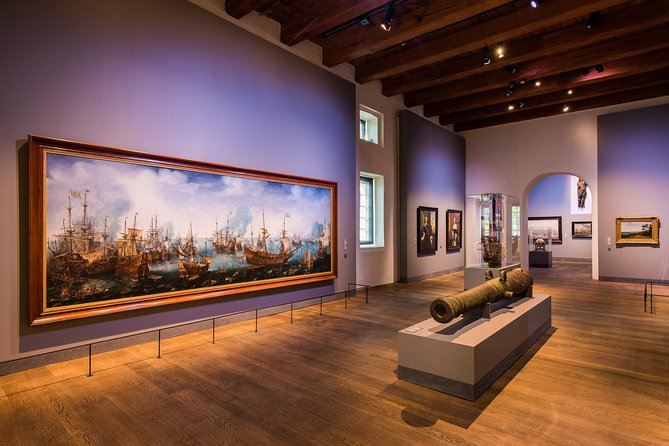
One of the strongest parts of the museum experience is how it explains the Netherlands’ maritime Golden Age—especially the 17th-century era when the country’s ships, trade routes, and nautical knowledge expanded dramatically.
You’ll see view screens that chart this period in a clear, high-definition way. That’s useful for visitors who want context before they start reading labels on artifacts. Instead of bouncing from object to object with no “why,” the museum gives you a framework.
Then you can connect that story to real items: the models and decorative details, plus the technical side of seamanship. The combination is the point. You learn what made ships powerful and how people planned voyages, not just what ships looked like in paintings and sketches.
Navigation instruments you can picture: the practical side of seafaring

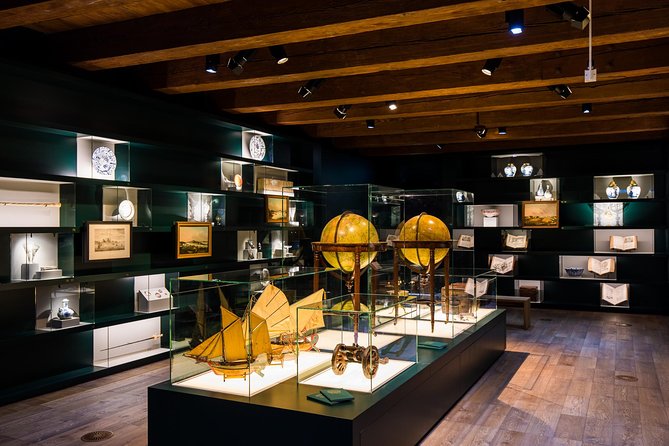
If you like the engineering side of history, this museum is a good match. The exhibits include navigation instruments and other gear that helps you understand how people charted routes and found their way.
This is where the museum often wins people over who thought maritime history would be mostly ships and battles. Here, you see the tools behind the scenes. The labels and displays connect those tools to what they enabled, so the objects don’t feel random.
Also, the navigation exhibits work well with the audio guide. The audio helps you turn a “cool device” into a “now I get what it was used for” moment. If you enjoy learning through explanations rather than just visuals, you’ll likely appreciate this structure.
East wing art, artifacts, and photographs: more than ships on display
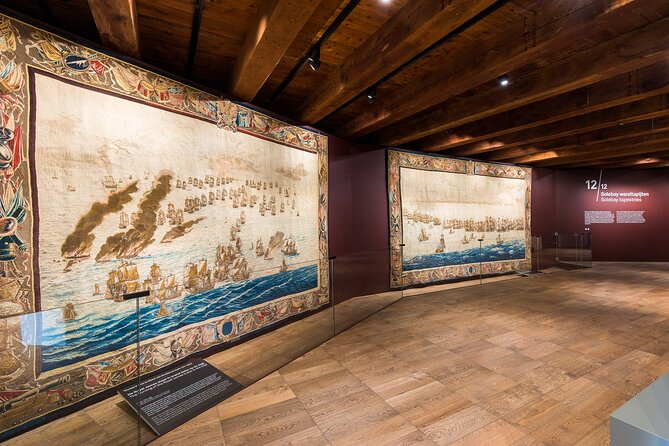
The museum doesn’t treat ships as isolated trophies. In the East wing, you’ll find a strong mix of art and artifact displays, plus photographs that reinforce how maritime life shaped culture and identity.
This is one of the reasons the museum feels curated rather than stuffed. The exhibits connect the sea to everyday life and to how the country presented itself. You get the visual storytelling side alongside the technical and historical information.
If you’re the kind of visitor who likes to slow down and read, this section is a good place to do it. If you’re time-limited, use the audio guide to pick out which pieces matter most, then skim the rest.
The Dutch East Indiaman ship reconstruction with 3D animation
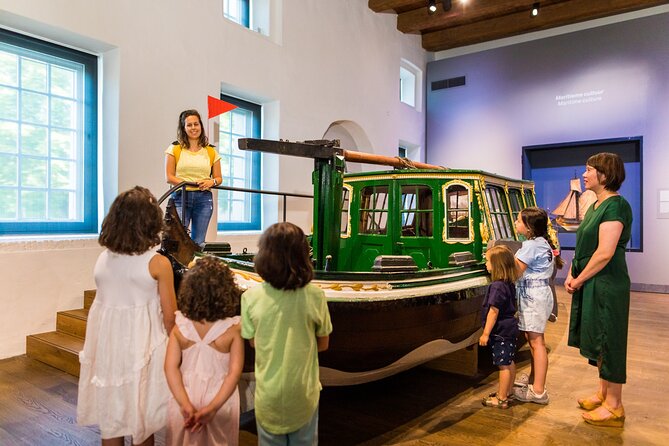
One of the biggest visual highlights is the reconstruction of a Dutch East Indiaman ship, with 3D animation inside the experience. This is exactly the kind of exhibit that changes maritime history from “stuff that happened” into something you can actually picture.
What I like about this moment is how it adds motion and perspective. You’re not only seeing models or static objects. You’re getting a guided visual concept of how a ship from that era connects to its purpose, its structure, and the story of trade.
If you’re visiting with kids, this part often works especially well because it’s less text-heavy and more watch-and-understand. It’s also a strong break from reading labels, which helps the whole visit feel less like homework.
Old Amsterdam port and the outside cargo-ship replica: end with a sense of place
As you continue, you’ll encounter a virtual seafaring adventure and a journey through old Amsterdam port. This helps tie the museum’s objects back to real movement—routes, departures, arrivals, and the physical reality of port life.
Then comes the best “walk-and-look” closer: outside, you can explore a showpiece replica of an 18th-century Amsterdam cargo ship. Getting outdoors for that final moment is a smart choice because it gives your eyes a reset after indoor screens and exhibit halls.
It also helps the museum feel complete. You don’t just end on a display board. You end on a physical ship replica that makes the maritime theme feel grounded in geography.
Interactive exhibits for families, plus wheelchair-friendly routes
If you’re traveling with children, you’ll find numerous exhibits designed for them. Interactive displays for all ages help, and the museum’s layout supports families who don’t want to wait through long lecture-style stops.
For visitors with mobility needs, the museum is wheelchair-friendly. That matters because maritime collections can be spread across multiple spaces, and you want to avoid places that feel physically frustrating. Here, you can expect a more workable on-site experience.
In practice, this means it’s easier to keep different ages and interests engaged. Even if one person wants to focus on ship details, another can find enough in-screen and hands-on elements to stay interested.
Price and value: is $24.03 worth the stop?
At $24.03 per person, this ticket sits in a reasonable range for a major Amsterdam museum with timed benefits. The value comes from two things you actually feel during your visit: skip-the-line entry and a 1-hour audio guide included.
Skip-the-line can be a big deal. It’s not a sightseeing “bonus.” It directly affects your time and stress level. The audio guide is also a value add because it turns a self-guided visit into a structured highlights loop. You’re not relying on guessing what matters most.
Duration is listed as about 30 minutes to 1 hour 30 minutes. That’s a wide window, and it’s fair: you can do a quick hit using the audio guide plus a few key rooms, or you can stretch it if you slow down for models, instruments, and the ship reconstruction moment.
Food and drinks aren’t included, so plan accordingly. If you’re pairing this with other Amsterdam stops, you’ll likely want a snack break before or after your museum time.
Who this ticket fits best in your Amsterdam plan
This experience is a great fit if you want maritime history that’s visual and easy to follow. The museum does a strong job mixing context displays, technical tools, and ship-centered exhibits without demanding you read every label.
It also works well if your group includes different interests. Ship enthusiasts will gravitate to the reconstructions, instrument fans will enjoy the navigation displays, and families often latch onto the interactive and 3D components.
If you’re the type who loves long guided tours led by a person, you might feel the audio guide is lighter than you want. But for most people, it’s a practical sweet spot: you get structure, then freedom.
Should you book this skip-the-line ticket?
I’d book it if you’re prioritizing efficiency and want a smart museum “highlights run” without wasting time standing in a ticket line. The mix of a restored historic building, Golden Age context, navigation instruments, and that Dutch East Indiaman ship reconstruction with 3D animation is the kind of combo that’s hard to replicate on a casual self-guided visit.
If you know you want to spend hours deep-reading everything, you can still enjoy it, but you’ll probably want extra time beyond the audio guide so you don’t feel like you’re racing. For everyone else, this ticket is a straightforward, good-value way to experience one of Amsterdam’s maritime anchor stops.
FAQ
What is included with the Amsterdam National Maritime Museum skip-the-line ticket?
It includes a 1-hour audio guide and skip-the-line admission to Het Scheepvaartmuseum.
How long does the museum experience take?
The duration is approximately 30 minutes to 1.5 hours, depending on how much you explore.
Is the ticket usable on a phone?
Yes, it’s a mobile ticket.
What languages are available?
The experience is offered in English.
Where do I go for the experience?
You’ll travel independently to Het Scheepvaartmuseum at Amsterdam’s Oosterdok (East Dock) area. It’s also near public transportation.
What is the cancellation policy?
You can cancel for free up to 24 hours in advance of the experience start time for a full refund.