REVIEW · DELFT DAY TRIPS
Photographic Tour in Delft Historical Center
Book on Viator →Bookable on Viator
Delft is the kind of place that begs for photos. This tour turns your time in the historic center into a guided photo session, with extra focus on where to stand and how to frame. What I like most is the small group setup (max eight) and the way the guide supports all skill levels, from full cameras to just a mobile phone.
You’ll also get a clear route, short stop timing, and practical photo advice while learning the city’s background through street-level history and anecdotes. One thing to plan for: you’re walking around 5 km at low speed, with small bridges and plenty of bike traffic to watch for in the center.
In This Review
- Quick hits before you go
- Why Delft looks good in a frame (and how you’ll learn that fast)
- Meeting point and small-group pace in Delft’s center
- Stop 1: Oostpoort—river and canal views that set the mood
- Stop 2: Delft’s behind-doors moments and quiet corners
- Stop 3: The leaning Old Church—angles that fix the illusion
- The main 3-hour walk: 5 km of highlights and canal rhythm
- Harold’s photo advice: how to get better results in less time
- Map, recommendations, and the “what next” advantage
- Price and value: what $59 buys you in Delft time
- Who this tour suits best (and who should skip it)
- Should you book this photo tour?
- FAQ
- How long is the Delft historical center photo tour?
- Where does the tour start, and does it include pickup?
- Do I need a camera, or can I use my phone?
- Are tickets or entry fees included for attractions?
- How much walking is involved?
- What if the weather is bad?
Quick hits before you go
- Small-group photo coaching (max eight people) so you’re not stuck photographing over someone else’s shoulder
- Camera-friendly for phones too, so you can experiment without feeling under-equipped
- Punctual, local guide style with history plus real-world directions that help you get on track fast
- Multiple Delft “stop and shoot” moments at Oostpoort, the Old Church, and quieter corners
- A map with tips and recommendations to keep helping you after the walk
Why Delft looks good in a frame (and how you’ll learn that fast)
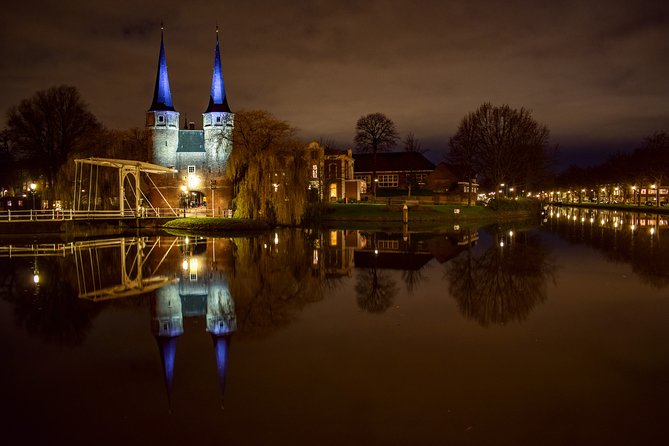
Delft has that rare mix of canals, historic streets, and landmarks where the angles actually matter. The big win here is that you’re not just sightseeing. You’re learning how to see Delft—then photograph what you see—at a pace that gives you time to try options instead of racing to the next photo spot.
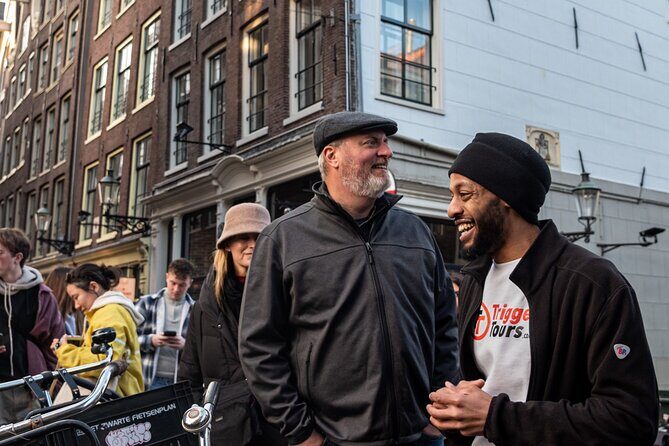
Your guide, Harold, brings a lived-in feel to the walk. In reviews, people call out his energy, his knowledge, and how he points you to better compositions with a hands-on approach. If you’re the type who usually snaps one photo and moves on, this tour nudges you toward slowing down just enough to make your images look intentional.
And you don’t need fancy gear. The route is designed around views and compositions you can capture with a phone. You get tips and tricks during the walk, plus time to experiment, so you can test lighting and framing choices on the spot.
Meeting point and small-group pace in Delft’s center
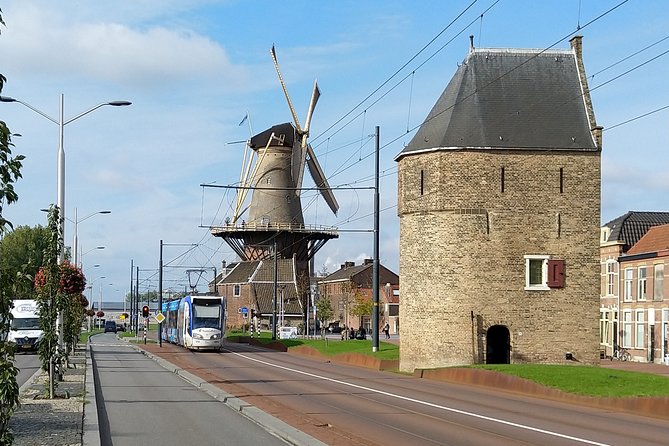
You start at the Hugo Grotius Statue at Markt (2611 GW Delft), and the tour ends back at the same meeting point. Pickup is offered, with one pick-up location per tour, so if you want that convenience, check availability and timing when you confirm.
This is a private tour/activity for your group. The group size stays small—up to eight people—so the guide can actually guide you. That matters for photography because you need a moment to look, adjust, and shoot without feeling rushed.
The walk covers about 5 km through the city center. You can join with every kind of camera (including a mobile phone), but you do need the stamina for a slow walk and the ability to climb small bridges. If you’re okay with a steady 3-hour stroll plus short stops, you’ll be fine.
Stop 1: Oostpoort—river and canal views that set the mood
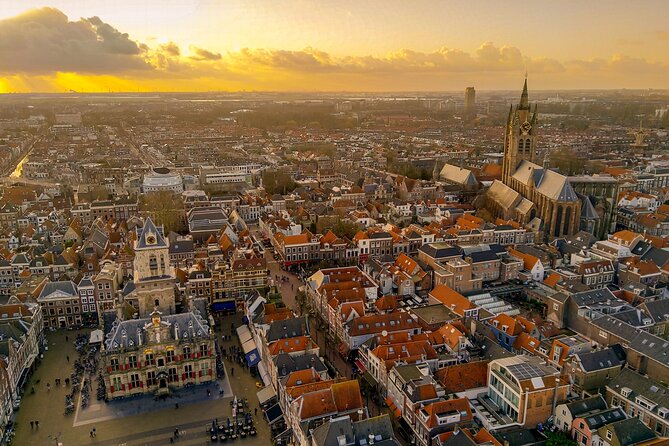
The first stop is Oostpoort, where you get about 15 minutes for views over the river and canal. This is a smart starting point because it gives you a quick “big picture” reference for the rest of Delft. You can use it to test settings, learn how the light falls across water, and get a feel for where the strongest viewpoints line up.
Oostpoort also helps you read the city visually. Once you see how the waterway and streets relate, the later canal scenes and landmark pass-bys make more sense. It’s not just pretty—it’s a way to build a mental map so your photos look like they belong to the same story.
Practical note: canal areas can bring wind and changing light. That’s exactly why the stop is timed. You’re given a compact window to try a couple compositions instead of hoping your one shot hits.
Stop 2: Delft’s behind-doors moments and quiet corners
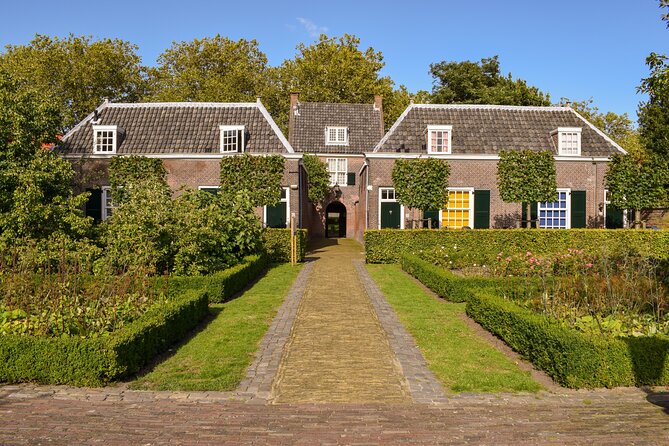
Next comes a Delft stop focused on hidden pearls—places that can feel tucked away or sheltered from the main pedestrian flow. You’ll have around 20 minutes here, and the goal is surprise: what you see from the street versus what you might notice when you look a bit closer.
This kind of stop is valuable because it breaks the usual pattern of photo tours. Instead of only the obvious postcards, you’re nudged toward the smaller scenes that add character. In past experiences, people have also highlighted special courtyards connected to hofjes (quiet inner places). If you enjoy architecture details, tranquil spots, and off-the-main-pulse viewing, this part is likely to hit your sweet spot.
There’s also a practical side: these quieter spots often give you breathing room to compose without constant crowd interruptions. That makes a difference when you’re learning how to frame shots.
Stop 3: The leaning Old Church—angles that fix the illusion
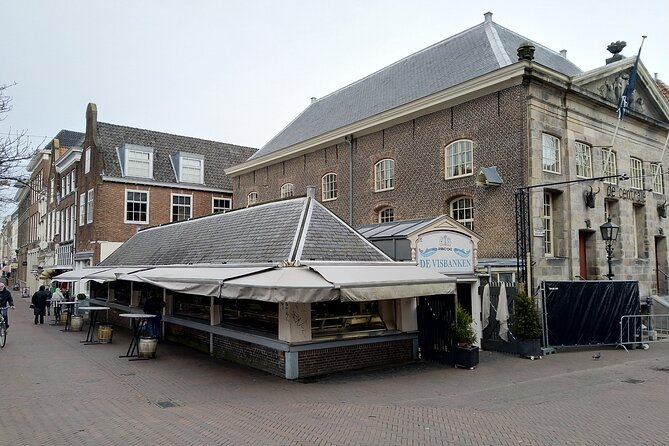
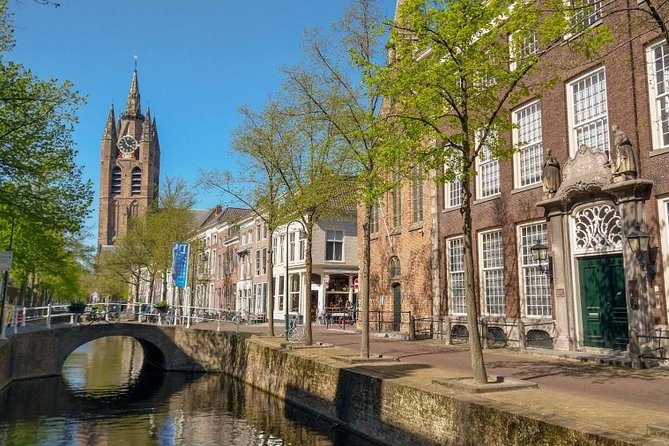
The Old Church stop lasts about 20 minutes and focuses on the leaning church from different sites. This is one of the most photogenic setups in Delft, and it’s handled well here: rather than one single viewpoint, you get multiple positions to compare.
This is where the tour coaching really pays off. A leaning landmark can look good in photos even with a phone, but you need the right stance so the tilt reads as intentional instead of accidental distortion. The guide’s job is to show you how to reposition your body, not just your camera.
If you like photographing architecture, you’ll probably want to slow down and take a few attempts. The tour timing gives you enough room to try: one wider view to show context, one tighter view for the lean, and maybe one angle that includes a slice of canal or street leading lines.
The main 3-hour walk: 5 km of highlights and canal rhythm
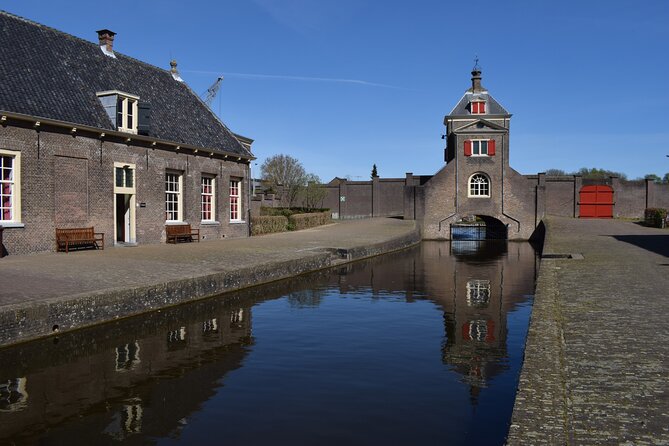
After the earlier stops, the tour moves into the longer city-center walk. Over about three hours, you cover around 5 km and pass well-known sights plus more beautiful corners along the way. The route includes areas around Prinsenhof, Oostpoort, and the Oude and Nieuwe Kerk. You also follow the canals, which helps with continuity in your photos: the water gives you a repeating visual element you can use across multiple shots.
This is not a rushed “see it once” loop. The guide makes time for photos at beautiful locations, and there’s a break halfway through. Since coffee or tea isn’t included, plan to use that break (or the time near it) to grab a drink or snack if you need one.
You’ll also hear history and striking anecdotes while you walk. That sounds like tour-speak, but here it’s practical: the stories help you understand why the places look the way they do, and that often makes your photos more meaningful. Even if you’re not hunting for deep facts, a little context makes a scene feel less random.
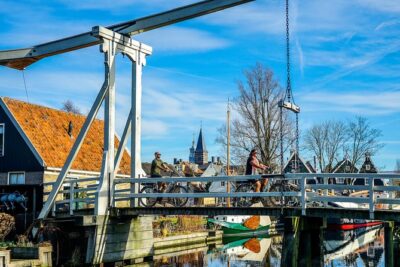
One more real-world note: Delft’s center has plenty of bicycles. Reviews specifically warn to watch for them, which makes sense in a place where bike traffic and pedestrians share space. Stay aware near corners and moving lanes, especially when you pause for photos.
Harold’s photo advice: how to get better results in less time
The most praised part of this experience is the photo guidance. People highlight that Harold’s advice is practical, and he gives direction on composition and how to take better pictures. The coaching feels like it’s aimed at results, not theory.
Here’s what you can expect to practice during the walk:
- Framing and viewpoint choices at the major stops so your shots look planned
- Composition suggestions to help you balance buildings, canals, and lines in the frame
- Mobile-friendly tips, so you’re not waiting until you find a camera to try improvements
- Time to experiment, meaning you can try a couple angles, wait for a moment of light, and then decide which one works
If you’re traveling solo and you always wish you had a friend who knew photography, this covers that role. If you’re coming with family or a partner, it also helps you get individual photos without needing a stranger to play photographer.
And yes, the quality can show up even in casual shots. Multiple parts of the tour are built around views—water, church angles, and canal-linked perspectives—so your photos have natural structure.
Map, recommendations, and the “what next” advantage
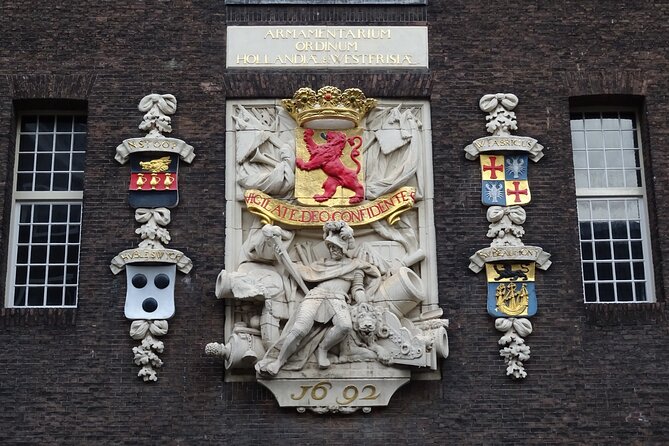
Included in the tour is a map with tips and recommendations. People consistently bring this up as a highlight, because it extends the value past the walking portion. After the tour, you’re not left wondering what to do next—you have a guide-like plan for where to go and what to consider while you still remember the scenes from today.
In at least one account, Harold also gives extra help beyond the tour itself, including advice on how to get back with the right train. That kind of local problem-solving is small but powerful. It turns the tour into part travel schooling and part confidence boost.
One review even notes a small gift at the end. That detail isn’t something you should count on as a guarantee, but it fits the overall pattern of care: this isn’t just a drop-off and goodbye.
Price and value: what $59 buys you in Delft time
At $59 per person, you’re paying for more than walking access. You’re paying for:
- A small group (max eight), which usually means more attention per person
- A dedicated photo walkthrough with coaching and composition tips
- A guided route through key areas like Prinsenhof, Oostpoort, and Oude and Nieuwe Kerk
- A map of recommendations you can use right after
The timing also matters. Expect around 3 to 4 hours, with multiple timed stops. You’re not just covering distance; you’re getting time at viewpoints to take photos and adjust. If you’ve ever spent hours in a city taking mediocre photos and then regretted it at home, that’s exactly what this helps prevent.
Booking demand is real. The tour is typically booked around 20 days in advance, so if you want a specific day, you’ll do better by reserving early.
Who this tour suits best (and who should skip it)
This is ideal if you want a photo-focused way to see Delft’s historic center without needing to plan viewpoints yourself. It’s also a strong pick if you like learning as you go—Harold’s mix of history, anecdotes, and practical photography is the kind of combo that helps both first-timers and repeat visitors.
You should consider a different option if you can’t handle a 5 km walk or small bridges. Also, if you’re completely photo-averse, the whole experience may feel like too much direction. The tour is built around taking pictures, so it’s best for people who want that.
If you’re comfortable with slow walking and you enjoy architecture, canals, and perspective games, you’ll likely feel like the time flies.
Should you book this photo tour?
Book it if you want Delft photos that look better than your usual quick snapshots. The blend of small-group attention, a route that includes standout views like Oostpoort and the leaning Old Church, and hands-on coaching for both phones and cameras is the core reason this tour earns such strong ratings.
Skip it if you’re chasing only indoor ticketed attractions. This walk prioritizes free viewing and photo stops, and it does not include entry into attractions. It’s also weather-dependent—good weather matters—so if your trip has rain-heavy plans, keep flexibility.
If your goal is simple: get your bearings fast in Delft, learn a few photo habits that you’ll reuse later, and walk away with a stack of photos you actually like, this is a very solid bet.
FAQ
How long is the Delft historical center photo tour?
The tour runs about 3 to 4 hours. You’ll have short timed stops at Oostpoort, Delft corners, and the Old Church, plus a longer walking section through the city center.
Where does the tour start, and does it include pickup?
The tour starts at the Hugo Grotius Statue at Markt (2611 GW Delft) and ends back at the same meeting point. Pickup is offered, with one pick-up location per tour.
Do I need a camera, or can I use my phone?
You can join with any camera, including a mobile phone. The guide gives tips and tricks for getting the most beautiful photos with your phone as well.
Are tickets or entry fees included for attractions?
Tickets are not included, and you will not enter attractions. The scheduled stops are free to view.
How much walking is involved?
You should be able to walk about 5 km at low speed and climb small bridges.
What if the weather is bad?
The experience requires good weather. If it’s canceled due to poor weather, you’ll be offered a different date or a full refund.