REVIEW · AMSTERDAM
Amsterdam: Red Light District Tour in German/English/Italian
Book on GetYourGuide →Operated by Amsterdamliebe · Bookable on GetYourGuide
Red lights. Policy debates. It somehow works.
This 1.5-hour walk through Amsterdam’s Red Light District is interesting because it mixes street-level sights with how the system actually functions, from negotiations and daily logistics to the political rules shaping the area. I especially like the critical, reality-based approach and the way guides bring it to life with humor, like the energy people mention from guides such as Risheet, Sanja, and Francesco. You also get the coffeeshop context—how the city treats cannabis spaces as a blessing and a curse, not just as a tourist attraction.
The tour keeps moving, so you’re not stuck on one topic for the whole time. You’ll pass landmarks that make the neighborhood feel like a living machine: the Condomerie, the Oude Kerk, the Warmoestraat area (including the gay street vibe), and photo-stops around the Dancing Houses and central waterfront area. One possible drawback: you won’t get “stand in front of the windows” access, since tourism restrictions since 2020 changed what guides can do in that specific area.
If you want a calmer stroll, plan around crowds. On Fridays and Saturdays, the Red Light District draws heavier tourist traffic, so the experience can feel busier than on weekdays—and you should also note the rules: cameras are not allowed, and you can’t photograph sex workers.
In This Review
- Key highlights you’ll feel on the walk
- Walking from Dam Square into Amsterdam’s real contradictions
- Where the walk starts: Dam Square to Warmoestraat’s gateway energy
- Condomerie and the contraception thread: humor with a point
- Oude Kerk: Amsterdam’s oldest church in a neighborhood that refuses to behave
- Entering the Red Light District: negotiations, income, and safety
- Warmoestraat photo pulse and the route’s smarter geometry
- Dancing Houses: postcard angles with a practical backstory
- Amsterdam Centraal and Chinatown: a broader city view beyond the stereotype
- Coffeeshop history without the inside hangout
- Nieuwmarkt Square: finishing with local direction for what’s next
- What the best guides do (and why the reviews keep pointing to the same things)
- Practical tips so you enjoy it instead of just surviving it
- Who this tour fits best
- Should you book this Amsterdam Red Light District tour?
- FAQ
- FAQ
- How long is the Amsterdam Red Light District Tour?
- What languages are available for the guide?
- Are cameras allowed during the tour?
- Does the tour include an inside visit to a coffeeshop?
- Is the tour comfortable on busy days?
- Is a private group option available?
Key highlights you’ll feel on the walk
- A critical perspective on sex work, focused on how it’s organized and regulated, not sensationalizing it
- Stop-by-stop storytelling with major waypoints like the Condomerie and the Oude Kerk
- Coffeeshop politics made practical: what the city tries to balance and why
- Photo moments where they make sense (Dancing Houses, Centraal area, squares)
- Guides who mix facts and humor, with standout mentions like Lili, Nina, Deborah, and Justus
Walking from Dam Square into Amsterdam’s real contradictions
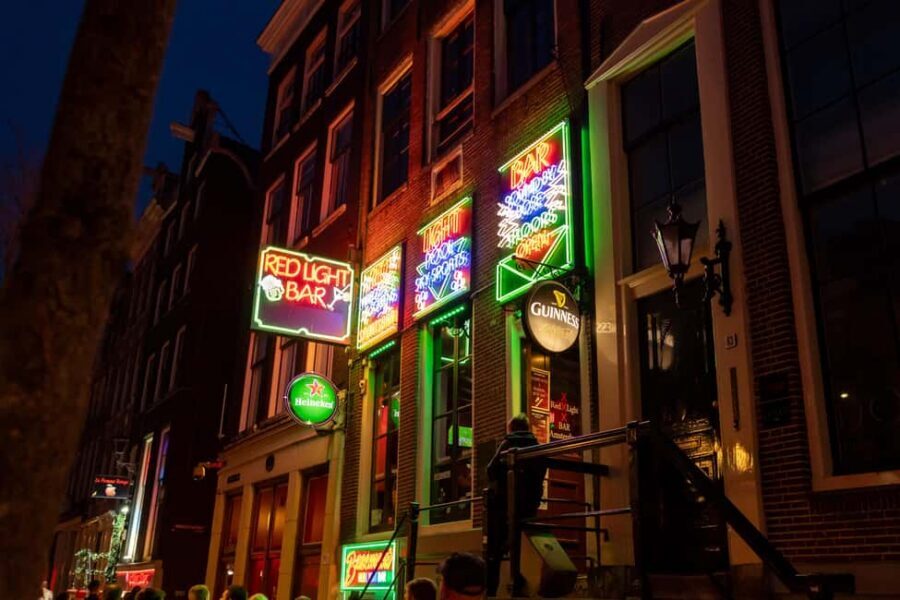
I love how this tour sets expectations fast: you’re not signing up for a “look and laugh” loop. You’re signing up for a guided walk through a neighborhood that Amsterdam treats as both a public issue and a cultural magnet. In about 1.5 hours, you cover the core geography—Dam Square to the district area and then into the coffeeshop-centered streets—without trying to turn it into a full-day deep study.
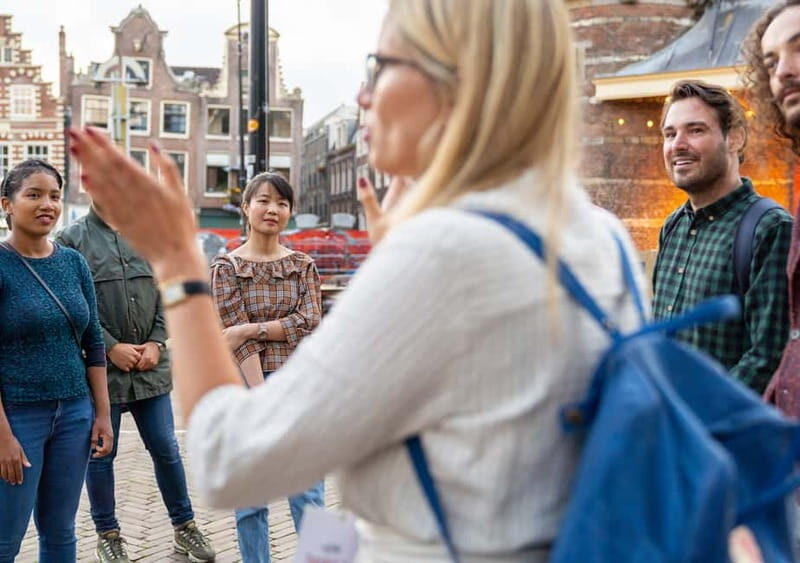
The guide language matters. You can choose English, German, or Italian, but it’s not bilingual—so pick the option you’re most comfortable with for the policy and regulations parts. The tour is led by a live city guide from Amsterdamliebe, and the vibe in the feedback is consistently upbeat: people highlight guides who keep the pace comfortable, answer questions patiently, and stay professional even when it’s cold or rainy.
Pricing is also part of the value story. At $28 per person for a guided walk of about 1.8 km, you’re paying for context and interpretation. If you’re the type who would otherwise wander aimlessly and miss the “why,” this format can be a bargain. You’re getting history, current rules, and local recommendations for what to do after.
You can also read our reviews of more tours and experiences in Amsterdam.

Where the walk starts: Dam Square to Warmoestraat’s gateway energy
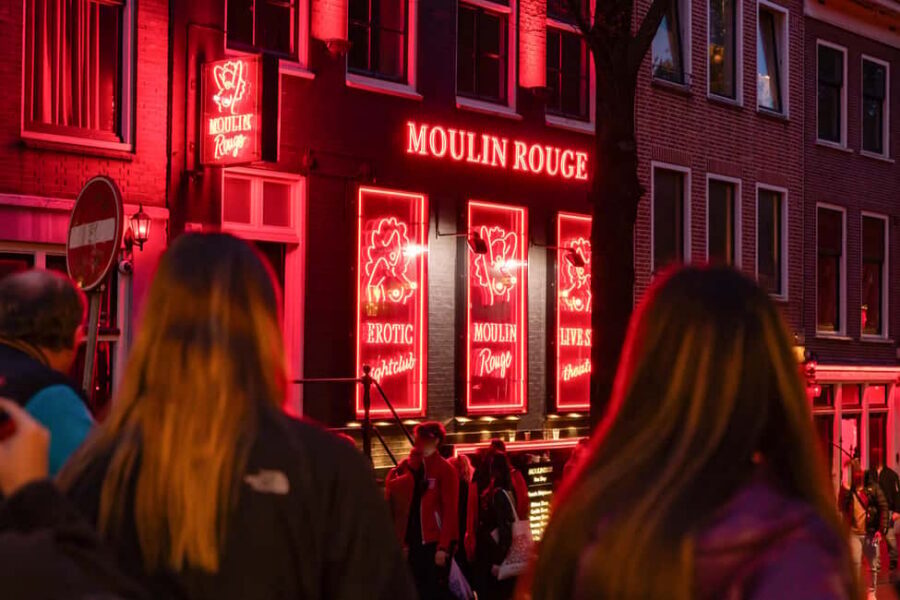
The tour begins near the National Monument on Dam Square. That starting point is useful because it anchors you in a central Amsterdam reference point before you drift into a neighborhood people describe differently depending on their comfort level. From there, you head toward Warmoestraat, one of the city’s well-known gay streets—so you get a sense right away that this isn’t a one-issue zone.
This is also where guides often set the tone: practical context, a little humor, and boundaries. Since this area is sensitive, the tour uses a route that respects Amsterdam’s current restrictions. You’ll still see windows in the heart of the district at your own pace after the guided portion, but the guide won’t do the kind of “front-row” window stop that you might expect from older-style tours.
Condomerie and the contraception thread: humor with a point
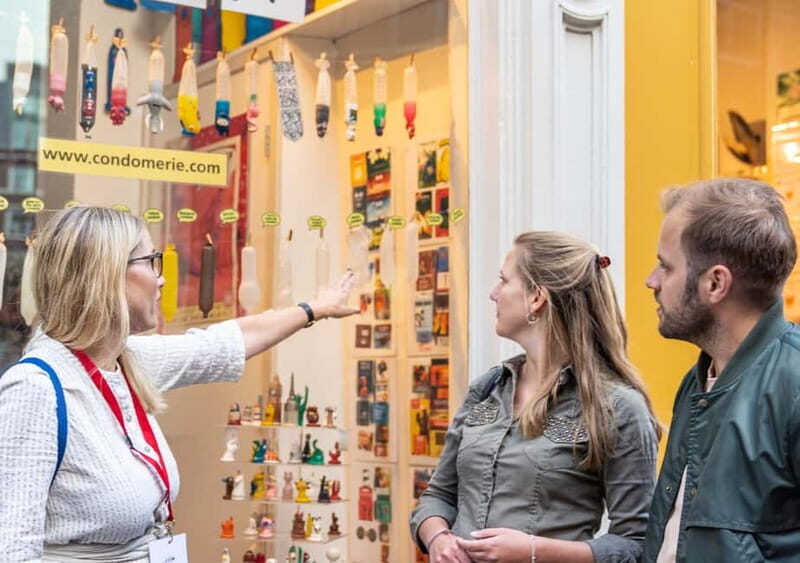
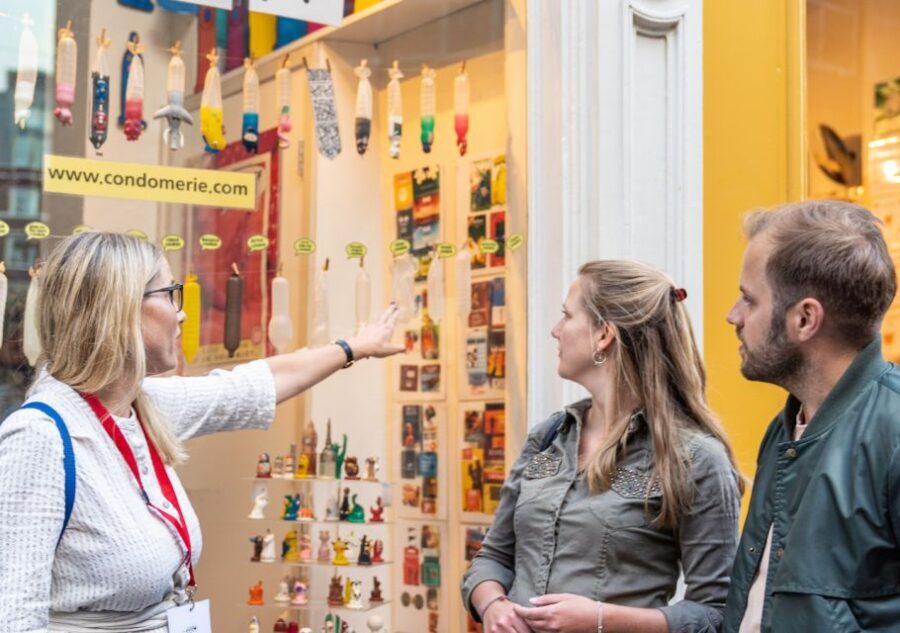
One of the early stops is the Condomerie, a fun condom store. The reason it belongs on a walking tour is that it’s more than a gag shop. Your guide connects it to Amsterdam’s contraception history, which helps you understand why the city often handles sexuality and public health with unusually blunt transparency.
This is a great stop if you like your history light on lecturing. The guided time here is about 10 minutes, and the pacing matters: you don’t want a long lecture right at the start, especially in a walking tour with a clear schedule.
Practical note: the tour forbids cameras, so you’ll want to rely on memory, not your phone. That rule also nudges you to stay present and listen—less checking screens, more absorbing context.
Oude Kerk: Amsterdam’s oldest church in a neighborhood that refuses to behave
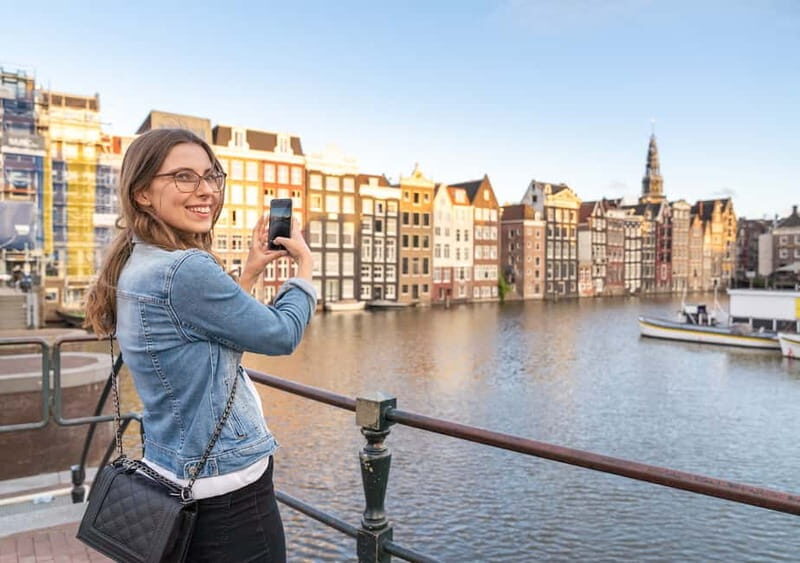
Next is Oude Kerk, Amsterdam’s oldest church, with a photo stop and guided time. The paradox is the point. You’re standing in religious history while walking through a modern commercial and political hotspot. Your guide frames the connection carefully, so you leave with a clearer sense of how older city spaces can end up next to industries that later generations debate.
This stop also gives you a visual pause. You get a photo moment, and then you move on with the story still flowing—so it doesn’t feel like you’re hopping from one unrelated landmark to another.
Entering the Red Light District: negotiations, income, and safety
The heart of the walk is the Red Light District guided section—about 15 minutes of focused storytelling. This is where the tour aims to be more than a sightseeing route. You learn how sex workers earn a living, what customers typically look like per shift, and even the idea that some sexual acts pay higher sums than others.
Just as important: the tour emphasizes security. You get the bigger picture of how women are kept safe as part of the neighborhood’s operating rules and enforcement environment. In the feedback, people often praise the guides for keeping the tone respectful while still explaining the logistics of the industry.
This is also where you’ll feel the tour’s “critical perspective” promise. The guides don’t treat it as a spectacle. They explain it as work that happens inside a city with laws, politics, and tradeoffs—and you’re invited to think about what Amsterdam gains and what it pays.
One key boundary stays real: it’s forbidden to take photos of sex workers. It’s a rule that protects people first, and it’s also a signal that the tour is about understanding, not consuming.




Warmoestraat photo pulse and the route’s smarter geometry
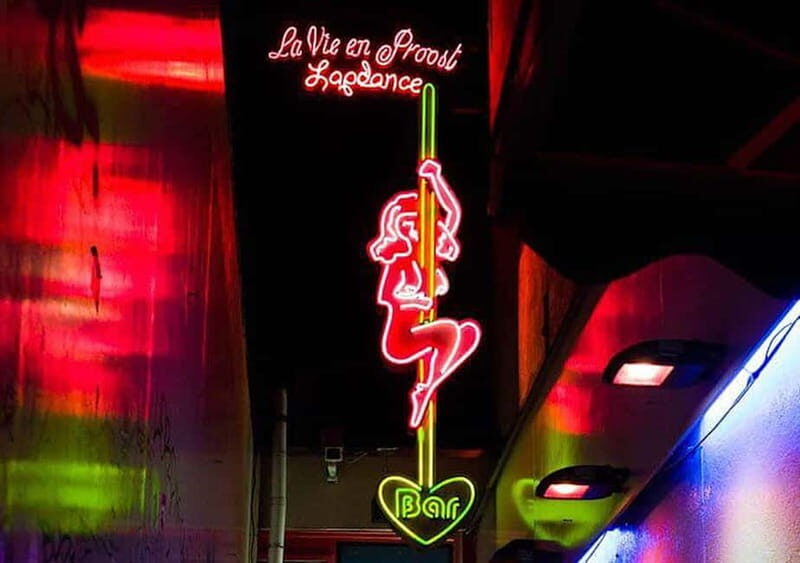
As you move along, Warmoestraat gives you another short photo stop plus guided time. This street is useful in the tour’s logic because it acts like a connector: it keeps you oriented while linking the district to the broader cultural streets around it.
If you’ve ever visited Amsterdam and felt the city is “all canals and angles,” this tour helps you see structure. Streets aren’t just scenery here—they guide how different parts of the city interact. The walk keeps a comfortable pace and totals about 1.8 km, which is short enough to finish without feeling rushed.
And yes, it’s a walking tour in all weather. If rain shows up, you’ll want an umbrella.
Dancing Houses: postcard angles with a practical backstory
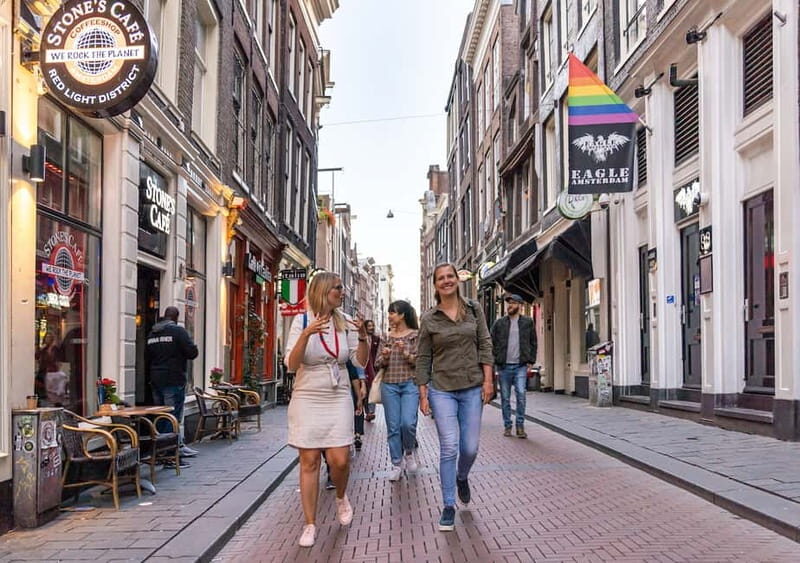
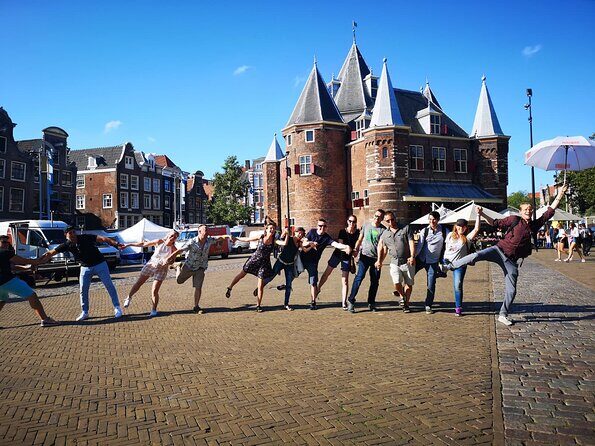
You’ll get two quick stops around the Dancing Houses—a photo opportunity plus a guided segment. These buildings are one of those Amsterdam scenes that looks like it belongs in a calendar, but the guide uses the moment for more than sightseeing. You also hear about the harbor and the reason the Red Light District came about. That origin story helps the neighborhood feel less random and more like an outcome of trade routes, city development, and geography.
This is where I think the tour’s design shows: it inserts beauty breaks so the tougher material has room to breathe. You’re learning about regulation and livelihoods, and then suddenly you’re looking at architecture that still smiles.
Amsterdam Centraal and Chinatown: a broader city view beyond the stereotype
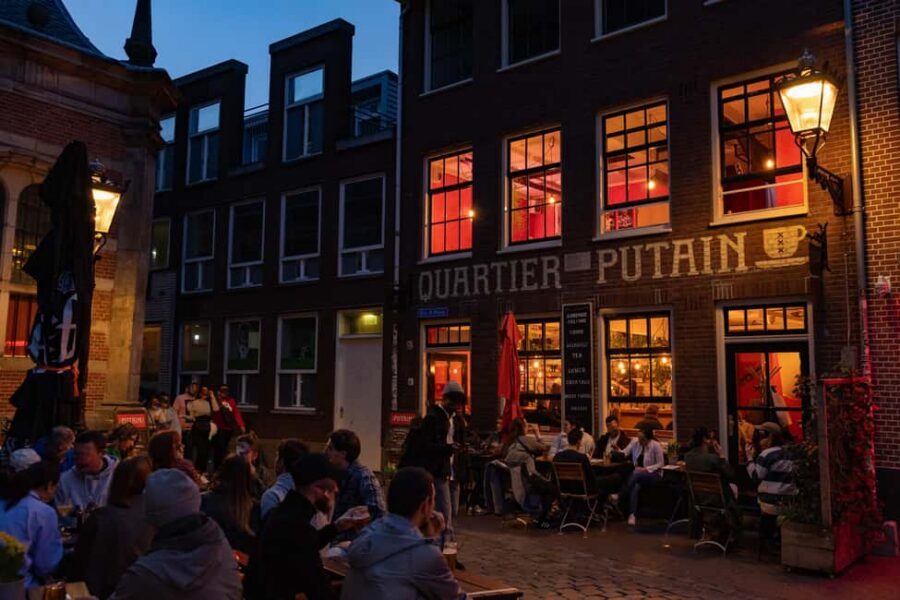
Next, you pass Amsterdam Centraal Station for a photo stop plus guided time. Then you head toward Amsterdam Chinatown for another guided segment. Those stops matter because the Red Light District is part of a bigger Amsterdam story. Your guide uses these areas to widen the context so you’re not leaving the tour with only one emotional lane.
It’s also a clever way to reduce the chance the tour feels like it’s only focused on one kind of nightlife. You start to see how the city absorbs different cultures and industries into the same urban fabric.
Coffeeshop history without the inside hangout
One of the later stops focuses on a real coffeeshop location: Coffeeshop The Jolly Joker, with guided time. Here’s the balance point: the tour does not include an inside visit of a coffeeshop, but it still gives you a practical look at how these businesses fit into Amsterdam’s political thinking.
You learn how coffeeshops were established, what issues the city tries to tackle, and how coffeeshops are regarded as both a blessing and a curse. The guide also covers the tension behind the scenes: tourism pressure, regulation, and the ongoing question of what the future should look like.
In the feedback, Deborah and Ginevra are both mentioned for explaining not just rules, but the real-world logic behind them—what’s allowed, what’s debated, and what you should know if you plan to explore on your own after the tour.
If you want a coffeeshop stop that feels more like local information than “party shopping,” this portion is exactly that.
Nieuwmarkt Square: finishing with local direction for what’s next
The tour ends with Nieuwmarkt Square for guided time. This is a good finishing point because it’s open enough for you to reset your senses after the district materials. You’ll typically come away with recommendations from your guide—how to keep exploring at your own pace, without getting stuck in the tourist noise.
A specific item mentioned in the tour description: you can get tips on visiting a 70s peepshow on your own after the tour. That sort of recommendation only works if it’s given with boundaries, and this tour’s overall rules suggest it will be handled that way.
Then the walk concludes back near the start area—back to the meeting point area, depending on the option booked.
What the best guides do (and why the reviews keep pointing to the same things)
Looking across the extremely positive feedback, a few strengths repeat again and again:
- Humor that doesn’t trash the topic
People praise guides like Francesco and Risheet for being funny while staying professional. It helps. The subject matter is sensitive, and humor is what keeps it from becoming awkward.
- A pace that doesn’t overrun you
Multiple people mention an excellent pace and Q&A patience. That’s not a small detail. With only 1.5 hours, you can’t “wait for understanding.” The good guides keep you moving while still making room for questions.
- Respect paired with real details
Nina, Lili, and Sonja are praised for explaining regulations, history, and the logistics of how the district functions. That mix is what turns “I saw a weird street” into “I understand the tradeoffs.”
- City recommendations at the end
Deborah and Deberáh (spelled as given) are both mentioned for adding recommendations beyond the tour itself—places to eat, and how to keep exploring the area responsibly. That’s practical value, not extra fluff.
So when you choose your language option, think of it as choosing your guide’s teaching style too.
Practical tips so you enjoy it instead of just surviving it
This tour comes with a few rules and realities. Here’s how to handle them comfortably:
- Plan for short stops, not long scenes
You’ll move through 10+ stops. You’re learning while walking, so bring curiosity more than expectations of slow sightseeing.
- Leave your camera behind
Cameras are not allowed on this experience. That means you’ll want to be okay with memory-taking instead of phone-taking. Also, it’s forbidden to photograph sex workers.
- Dress for the weather
The tour runs in any weather. Rain happens. Bring an umbrella if skies look suspicious.
- Think about timing for crowd levels
Fridays and Saturdays bring many tourists to the Red Light District. If you want a calmer feel, pick another day.
- Keep it respectful and adult
Unaccompanied minors aren’t allowed, and the tour is not suitable for children under 14. Alcohol and drugs are also not allowed during the experience.
These aren’t just rules to follow. They shape the atmosphere into something more informative and less chaotic.
Who this tour fits best
This is a strong fit if you want a guided, balanced look at an area people talk about but rarely understand. You’ll probably like it most if you fall into one of these categories:
- You like walking tours that explain systems, not just landmarks
- You care about how cities regulate sensitive industries
- You’re curious about the coffeeshop history and the policy debate around cannabis culture
- You want a guided overview before you explore on your own (especially around where the tour can’t do the “front-window” part)
If you’re hoping for a purely visual “shock tourism” experience, this tour is not built for that. It’s built for context.
Should you book this Amsterdam Red Light District tour?
Yes, if you want a short, structured walk that pairs street sights with how Amsterdam thinks and governs—sex work policy, coffeeshop politics, and the historical geography behind the neighborhood’s existence. The $28 price makes sense because the value is in interpretation: you’re buying someone’s ability to turn confusing streets into an understandable map.
Book it especially if you’re choosing between doing nothing or wandering on your own. A guided route saves you time and helps you avoid the most common frustration: standing in the middle of a complicated area without knowing what you’re seeing.
Skip it if you’re very sensitive to crowd levels on weekends, you need camera freedom, or you specifically want close-up window access during the tour itself. In that case, you may prefer exploring the district independently after getting background elsewhere.
FAQ
FAQ
How long is the Amsterdam Red Light District Tour?
The tour lasts about 1.5 hours.
What languages are available for the guide?
The tour is offered with an English, German, or Italian-speaking city guide. It is not bilingual, so you choose one language option.
Are cameras allowed during the tour?
No. Cameras are not allowed on this activity. It’s also forbidden to take photos of the sex workers.
Does the tour include an inside visit to a coffeeshop?
No. The tour does not include an inside visit of a coffeeshop. You can explore coffeeshops at your own pace after the tour if you wish.
Is the tour comfortable on busy days?
Fridays and Saturdays are the busiest, with lots of tourists visiting the Red Light District. If you want it quieter, choose another day.
Is a private group option available?
Yes, a private group is available.