REVIEW · AMSTERDAM
Private Amsterdam Red Light District and Coffee Shop Tour
Book on Viator →Operated by Trigger Tours · Bookable on Viator
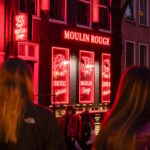
Red light streets can feel intimidating. This is a calm, guided way to understand what you’re seeing. You’ll walk with a local through the Red Light District and Amsterdam’s coffee shop culture, with context on how Dutch laws work (including why prostitution is legal and marijuana is tolerated). Guides like Robin and Ben are often praised for making the subject matter feel respectful, clear, and never awkward.
I especially like the pace and attention that come with a private tour. You’re not herded along. If you’re traveling as a family, with teens, or in a mixed group, the tone tends to stay matter-of-fact—something guides such as Saskia, Guido, Luis, and Catherine have been highlighted for in their walkthrough style.
The one drawback to keep in mind: this is still the Red Light District, so if you’re easily uncomfortable with adult themes, you may prefer a more general Amsterdam highlights tour first and save this area for later.
In This Review
- Key Things to Know Before You Go
- Why This Red Light District + Coffee Shop Tour Feels Different
- Starting at Damrak: An easy meeting point that gets you walking fast
- The Red Light District part: laws, tolerance, and what coffee shops really are
- A note on feel and comfort
- Dam: Amsterdam’s wooden-pole foundation story in plain language
- The Old Town feeling inside the Red Light area
- Pub The Ape (Int Aepjen): the 1540 wooden building story
- Waag: from city gate to guild hub
- The smallest house: VOC storage to long-term home
- Condomerie since 1987: Amsterdam’s sex-ed storefront energy
- Private tour value: what you get for $41.60 per person
- Timing, walking, and how to prepare
- Who should book this, and who might skip it
- Should You Book This Amsterdam Red Light District and Coffee Shop Tour?
- FAQ
- How long is the tour?
- Where does the tour start and end?
- Is this tour private?
- What’s included in the price?
- Are food and drinks included?
- Is the tour offered in English?
- Can I cancel for a full refund?
- Is the area easy to reach with public transportation?
Key Things to Know Before You Go
- Private by design: Only your group joins, so questions feel easier and the walk stays relaxed.
- Laws, not rumors: Expect a practical explanation of Dutch rules around prostitution and marijuana tolerance.
- Old Town history attached to the walk: You’ll also hit landmarks tied to Amsterdam’s wooden foundations and medieval city life.
- Coffee shops and museum upgrades: You can add an Erotic Museum visit or a coffeeshop stop with your guide.
- Guides set the tone: Many reviews stress that the approach is respectful and keeps things tasteful.
Why This Red Light District + Coffee Shop Tour Feels Different
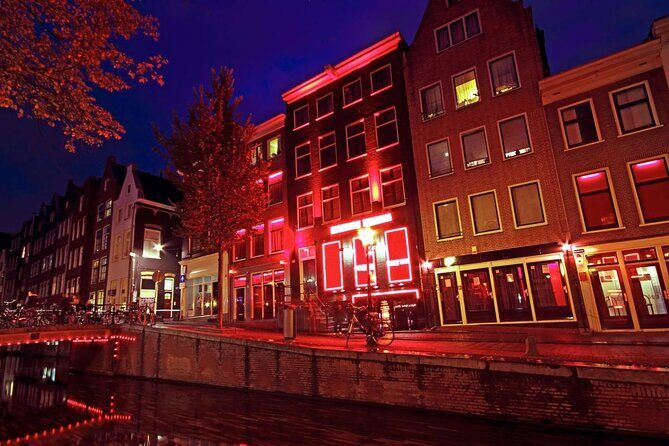
This tour works because it doesn’t treat the Red Light District like a circus, and it doesn’t pretend it’s just a normal nightlife zone. You get the real “how did we end up here?” story—politics, law, and the city’s long-standing tolerance—right where it’s happening.
You also get something more practical than the usual warning signs. With a guide, you learn how to look without staring, how to ask questions in a normal tone, and how to connect the area to Amsterdam’s older city fabric. That matters, because the Red Light District is surrounded by some of the city’s oldest structures and streets.
And yes, the walk can be funny. Reviews mention guides adding light humor while keeping the content serious. That mix helps you move from shock or awkwardness into understanding.
You can also read our reviews of more private tours in Amsterdam

Starting at Damrak: An easy meeting point that gets you walking fast
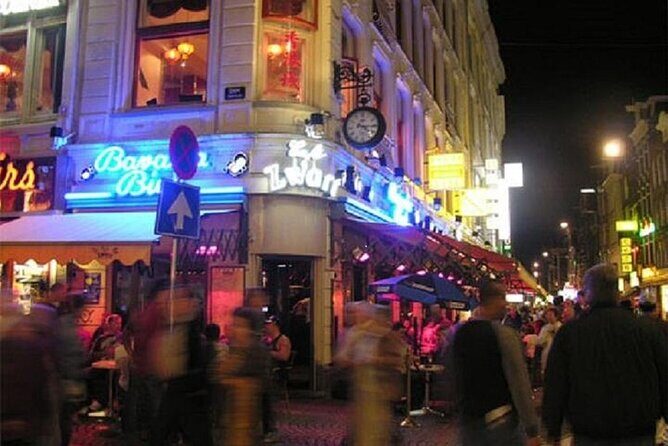
The tour starts and ends at Damrak (1012 Amsterdam). That’s a handy choice because it’s central, well-connected, and easy to orient yourself. You’ll likely begin your walk with the guide using the surroundings to set context—how this area fits into “old Amsterdam” and why the geography matters.
From the start, you’ll get a sense that the city is built differently. Amsterdam’s soil is tricky, so the city relies on deep foundations. That theme shows up again as you move through the older parts of town tied to today’s Red Light District area.
If you’re trying to plan a tight trip schedule, this is a solid early or mid-trip activity. It helps you “decode” what you see later on your own walks.
The Red Light District part: laws, tolerance, and what coffee shops really are
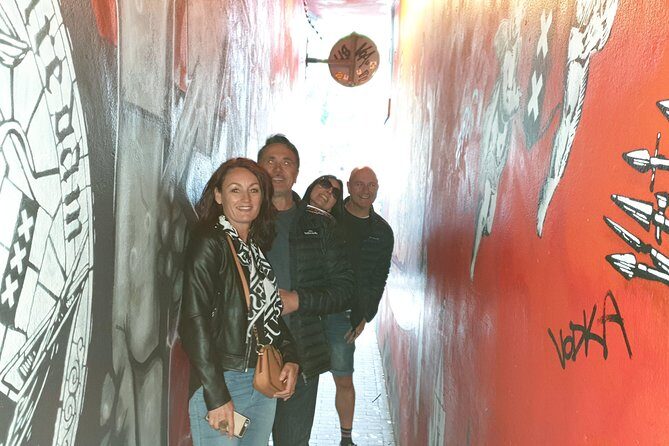
This is the heart of the experience: a guided walk through Amsterdam’s most famous adult neighborhood, paired with coffee shop culture. Instead of vague talk, you’ll get explanations about Dutch law and how the city handles prostitution and marijuana tolerance.
That legal clarity is what turns a rumor-filled topic into something you can actually understand. You’ll learn the basic framework: what is allowed, what is regulated, and how Amsterdam’s approach plays out on the street level. A good guide also helps you understand the difference between how people talk about the area and what’s actually enforced.
Then there’s the coffee shop side. In Amsterdam, coffee shops have a very specific role in local culture and regulation. With the right guide, you’ll leave with a more grounded view than you’d get from photos, jokes, or secondhand stories.
A note on feel and comfort
Many people come in worried it will be uncomfortable. The reviews strongly suggest that guides aim for a safe and tasteful tone—and that the group often includes people with teens and mixed ages. Still, the topic is adult by nature. If that’s a dealbreaker for you, keep your expectations honest.
Dam: Amsterdam’s wooden-pole foundation story in plain language
One of the most memorable parts of the walk is the way it connects Amsterdam’s physical reality to its history. You’ll visit the Dam, sometimes explained as the city built on wooden poles.
Here’s the practical takeaway: because of the layered fen and clay in the soil, buildings need deep wooden foundation piles. Those piles are driven down until they reach a deeper layer of solid sand. You’ll hear the approximate depth mentioned (around 11 meters), which makes the city’s engineering feel real rather than theoretical.
Why this matters for your tour: it’s not random trivia. Amsterdam’s “canals + narrow streets + old buildings” look fragile, but they’re part of a system designed to work with unstable ground. When you learn that, you start noticing details about the architecture and city layout instead of just passing them.
You can also read our reviews of more tours and experiences in Amsterdam


The Old Town feeling inside the Red Light area
You’ll also spend time in the older parts of town that sit within the Red Light District zone. The guide will frame it as some of Amsterdam’s oldest urban fabric, which is why the area carries so much history in the background.
This is where you’ll benefit from a guide’s pacing. Without context, the Red Light District can feel like a single flat experience. With context, you start seeing it as a layered neighborhood—old city life, changing uses over centuries, and modern regulations layered over older stone and wood.
The street corners and narrow passages tend to feel more meaningful once you know you’re standing in “older Amsterdam” rather than just walking through a nightlife district.
Pub The Ape (Int Aepjen): the 1540 wooden building story
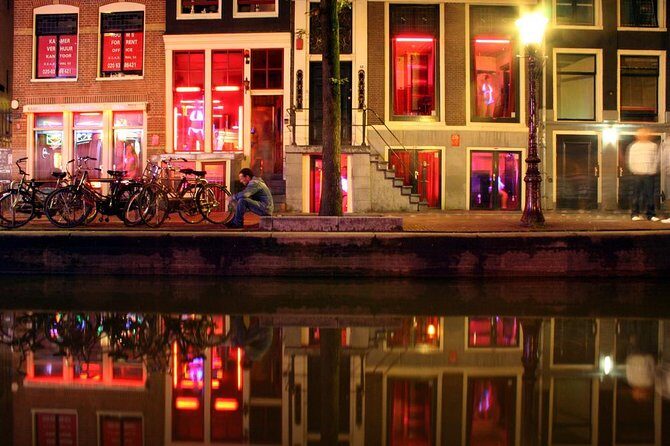
At Pub The Ape (Int Aepjen), you’ll hear a specific Amsterdam survival story. The pub is built around 1540 and is described as one of only two remaining wooden buildings left in the city.
The key historical detail: there was a major fire in 1452, after which city rules shifted toward brick facades. That’s a big deal. Fire risk shaped what the city could safely build, and you can still see the results in the architecture and materials you notice today.
If you like walking tours that mix “what you can see” with “why it looks that way,” this stop usually lands well. It turns a pub facade into a little timeline of city policy, disaster, and rebuilding.
Waag: from city gate to guild hub
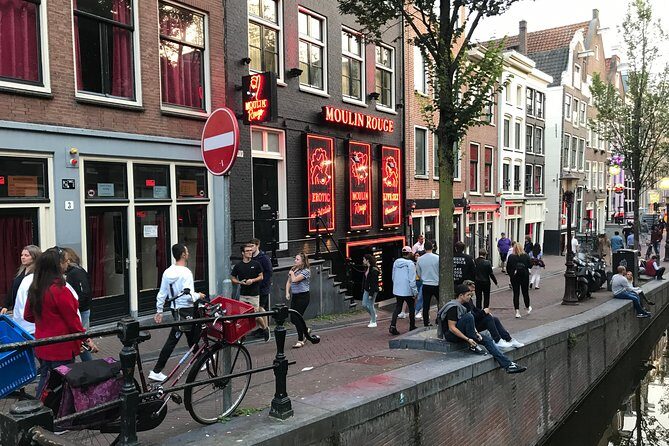
Next comes the Waag, once a city gate used in Amsterdam’s defensive wall system. You’ll hear it built around the 1400s and noted as the second oldest building in Amsterdam.
Later, the Waag became tied to the city’s crafts and commerce. Guilds and craftsman organizations used the space, not just for gatekeeping but as a working part of city life.
This stop helps you connect dots: Amsterdam didn’t just grow into an adult district. It developed through trade, defense, and guild power—then those functions shifted as the city changed. When the guide ties the Waag into the surrounding streets, it helps you see the Red Light District area as part of a much bigger city story.
The smallest house: VOC storage to long-term home
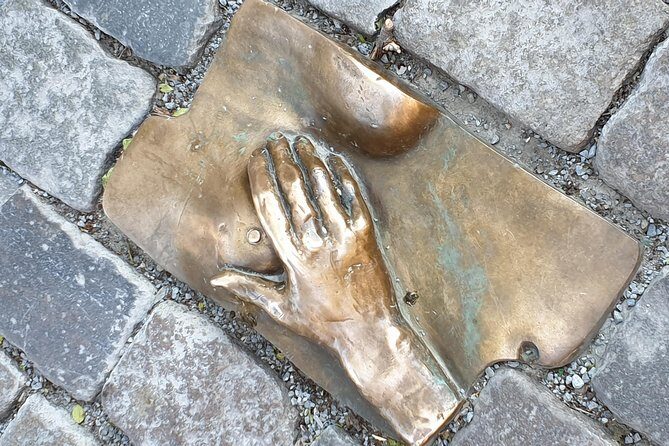
You’ll also pass by the smallest house of Amsterdam, built around the 1700s. The guide explains it was first used for storage for the VOC trading company, then later occupied as a home for a long stretch.
This is a fascinating stop because it shows Amsterdam wasn’t only about grand canals and big merchants. It also had tight spaces tied to trade logistics and everyday living. The VOC connection gives the stop a larger meaning: Amsterdam’s global trading role shaped even small, odd-looking buildings.
If you enjoy architecture that looks quirky but has a clear reason behind it, you’ll probably appreciate this moment.
Condomerie since 1987: Amsterdam’s sex-ed storefront energy
Then comes a modern, slightly unexpected stop: Condomerie, described as the world’s first condom shop specialized for condoms. It’s been here since 1987.
The guide points out that you can get customized condom sizes and special types. Even if you’re not shopping, it’s a sign of Amsterdam’s practical, matter-of-fact approach to sexuality—especially compared to how many cities treat the topic as taboo.
This is also where the tour’s “tolerant attitude” theme becomes concrete. Instead of sweeping statements, you’re shown a real storefront that reflects the city’s approach to sex, health, and regulation.
Private tour value: what you get for $41.60 per person
At $41.60 per person, the value is in what your money buys: a local guide, a structured walk, and time in the neighborhood with context instead of wandering blindly.
A group tour can feel rushed. A private tour tends to feel more like a conversation on foot. Reviews repeatedly point to guides setting the tone—respectful, funny light when appropriate, and willing to answer questions without making the experience awkward.
Also, there’s an upgrade option. You can choose to add an Erotic Museum visit or to visit a coffeeshop with your guide. If you want to go beyond street-level explanation, upgrades can make the whole outing feel more complete. Just remember: food and drinks are not included, so any purchases you make at coffeeshops are on you.
Finally, note that many people book this well in advance (it’s a popular slot). If your schedule is tight, planning ahead helps you avoid the “we’ll only get one of these” problem.
Timing, walking, and how to prepare
The tour lasts about 2 hours (it’s often described around the 2 to 2.5-hour range). You’ll spend most of your time walking, with multiple stops spaced through the older city area around and within the Red Light District.
This matters for comfort. Wear shoes you can stand in. Plan for weather—Amsterdam can be wet or cold, and a rainy night doesn’t stop the walk. One review specifically calls out a rainy evening, and the experience still worked because the guide kept everything organized and easy to follow.
You’ll also benefit from this being offered in English, with a mobile ticket, and with the meeting point clearly set at Damrak.
Who should book this, and who might skip it
This is a great fit if you:
- Want to understand the Red Light District and coffee shop culture with law and history context
- Prefer private pacing (questions, photos, and slower moments)
- Are traveling with teens or family members who can handle adult themes in a structured, respectful way
- Want to mix in Old Town landmarks like the Waag and the story of Amsterdam’s wooden foundations
You might skip it if you:
- Want a purely sightseeing tour with no adult-topic focus
- Feel very sensitive to sex-work topics even when handled respectfully
- Prefer museums and indoors-only activities
Should You Book This Amsterdam Red Light District and Coffee Shop Tour?
If you want the fastest path from confusion to understanding, I’d book it. The big win is the blend: you’re not just looking at sights—you’re learning how Amsterdam’s tolerance and regulations shaped the neighborhood. The private setup also helps the experience feel comfortable and controlled, which is where many of the best reviews land.
Book it especially early in your trip if you plan to walk the area more than once. After the tour, you’ll know what you’re seeing, and you’ll be more confident making your own choices later.
If you’re on the fence about the upgrade, decide based on your style: street-level education alone is already strong, but adding the Erotic Museum or a coffeeshop stop with the guide can turn it from “informative walk” into a more rounded Amsterdam experience.
FAQ
How long is the tour?
It runs about 2 hours (approximately), with a walking-focused route that includes several stops.
Where does the tour start and end?
It starts and ends at Damrak, 1012 Amsterdam, Netherlands.
Is this tour private?
Yes. It’s a private tour/activity, meaning only your group participates.
What’s included in the price?
A local guide and a guided walking tour are included.
Are food and drinks included?
No. Food and drinks are not included.
Is the tour offered in English?
Yes, it’s offered in English.
Can I cancel for a full refund?
You can cancel for a full refund if you cancel at least 24 hours before the experience starts. If you cancel less than 24 hours before, the amount paid is not refunded.
Is the area easy to reach with public transportation?
The meeting point is near public transportation, and most travelers can participate. Service animals are allowed.