REVIEW · AMSTERDAM
Amsterdam: Cannabis Museum Entry Ticket
Book on GetYourGuide →Operated by Cannabis Museum Amsterdam · Bookable on GetYourGuide
Cannabis and science in Amsterdam sounds odd, but it works. This museum turns cannabis and hemp into a hands-on, interactive experience in the middle of the city, with live exhibits and guided-style learning through multiple floors. It’s the kind of place where you start with questions you’ve heard for years and end with clearer, more practical answers.
I especially like the science-and-testing angle (microscope-style viewing and a cannabis testing machine) and the way the museum connects cannabis to real-life uses, from industrial products to medicines. One drawback to plan around: it’s a small, stair-focused space, so if you struggle with walking up levels, your visit may feel rushed or less comfortable.
In This Review
- Key takeaways before you go
- Price and what $14 really buys you
- Getting there and entering the museum experience
- The 3-floor layout: how the pace keeps you interested
- Live plants, a microscope, and a cannabis testing machine
- The science part: seeing cannabis as more than a headline
- Cannabis history: from Central Asia to Amsterdam’s coffee-shop era
- Myths and propaganda: how messaging shapes what people believe
- The top-floor equipment moment: gravity bong and the volcano setup
- Goodie bag and shop discount: small perks that feel real
- Accessibility and comfort: the stairs are the real constraint
- Who this museum fits best (and who might skip)
- Should you book this Cannabis Museum ticket?
- FAQ
- How long does a visit usually take?
- What time does the museum close, and when should I arrive?
- What’s included with the entry ticket?
- Are food and drinks included?
- Is smoking allowed?
- Where is the meeting point?
Key takeaways before you go
- Interactive, multi-floor layout that keeps the pace brisk (average time is about 45 minutes)
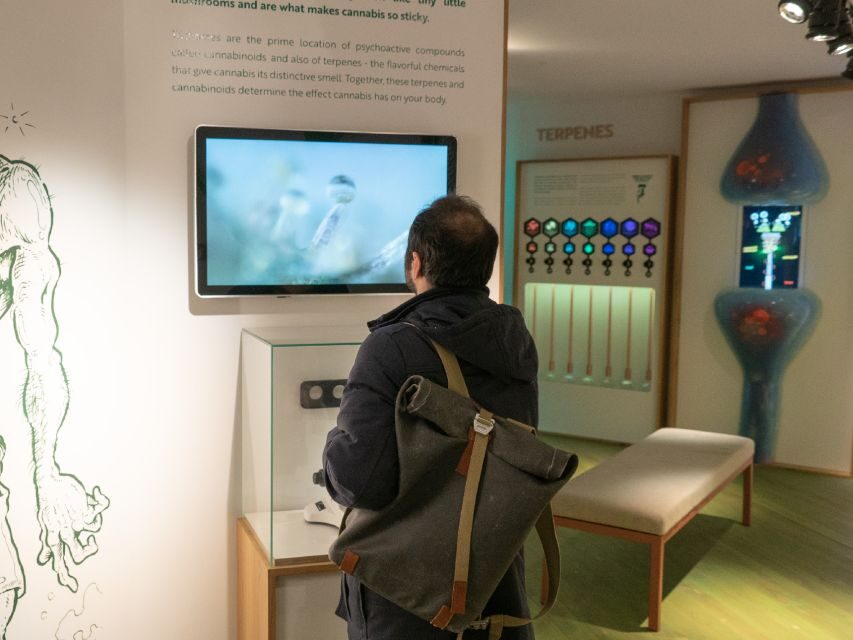
- Live plants plus hands-on-style science tools, including a microscope and a testing machine
- History from Central Asia to Amsterdam, with the story told through domestication, cultivation, and spread
- Myths vs facts about cannabis and Dutch smoking culture, using propaganda-style messaging to explain how beliefs form
- Top-floor equipment moments like a gravity bong or volcano-style setup, depending on what’s running
- A goodie bag and shop discount that add real extras for the price
Price and what $14 really buys you
For $14 per person, you’re not buying a long guided tour. You’re buying a focused hour-or-so experience built around interactive exhibits, a small indoor ecosystem with live plants, and a museum shop perk. If you’re the type who hates “stand and listen” activities, this is the better kind of ticket value.
Here’s why it feels fair: the museum packs a lot into a short window—about 45 minutes on average—but it still gives you enough time to read, look closely, and hit the equipment areas. Add the included goodie bag and the 10% discount in the shop, and the ticket stretches further than you’d expect for a small venue.
What to keep in mind: food and drinks are not listed as included, so don’t plan your whole day around this museum as your only meal stop. Some visitors do mention a tea at the end, but that’s not something to assume will be available every time—plan around the museum visit first.
You can also read our reviews of more tours and experiences in Amsterdam



Getting there and entering the museum experience
Your meeting point is simply the Cannabis Museum Amsterdam. Once inside, expect a museum-style flow where you move through rooms across three floors. The visit is structured enough that you won’t feel lost, but open enough that you can spend longer on the sections you care about.
Timing matters more than you’d think. The museum closes at 10 PM, and you’re advised to arrive by 9 PM. If you’re visiting late, give yourself buffer time so you’re not sprinting through exhibits at the end.
Also, this is a great “in-between” activity when your Amsterdam day needs a pause. It’s short, indoor, and calm compared to some big-city attractions—so you can reset without losing the day.
The 3-floor layout: how the pace keeps you interested
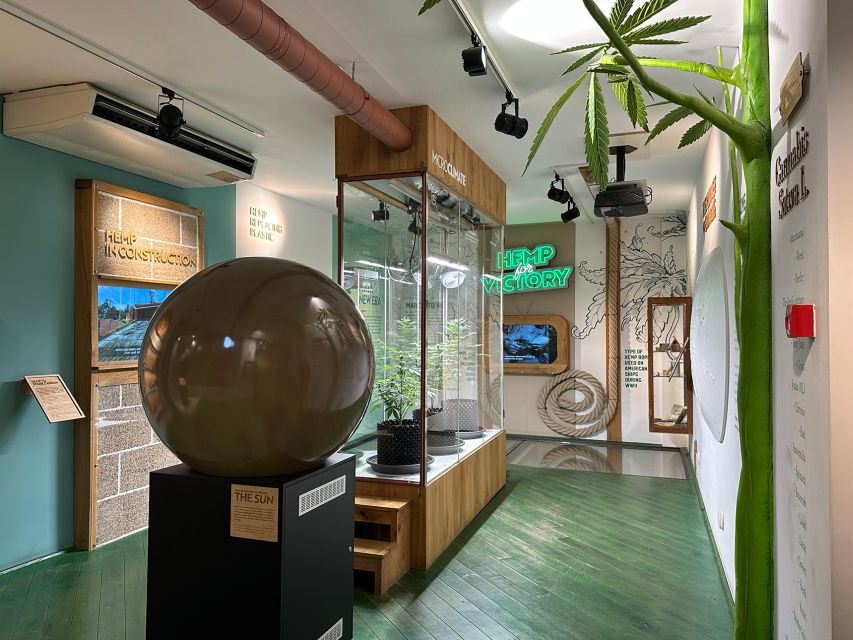
The museum spans three floors, and that matters because it changes how you experience the subject. Instead of one long gallery, you get a rhythm: learn something, test your understanding with a hands-on visual, then move to the next theme.
A lot of people treat this like a quick walk—but you can actually slow down. Reviews mention spending closer to an hour when visitors read the panels and take time with the interactive parts. My advice: don’t rush your first room. If you start fast, you might miss the best context that makes the later “science” and “myths” sections click.
What you should watch for:
- Stairs: more than one review flags that it’s not ideal if you can’t climb easily.
- Concentration: it’s interactive, but it’s still learning. If you hate reading any kind of signage, you’ll likely want to spend less time on the history sections.
Live plants, a microscope, and a cannabis testing machine
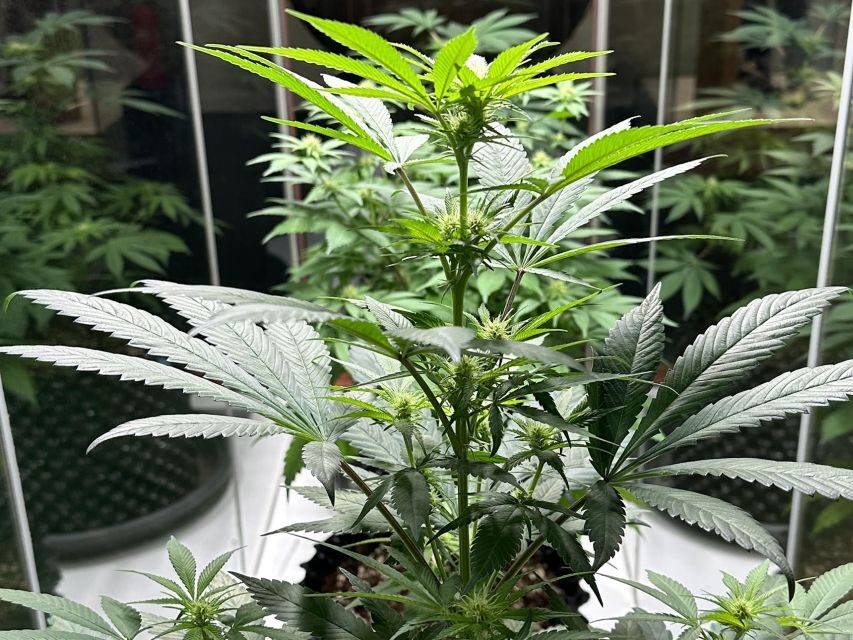
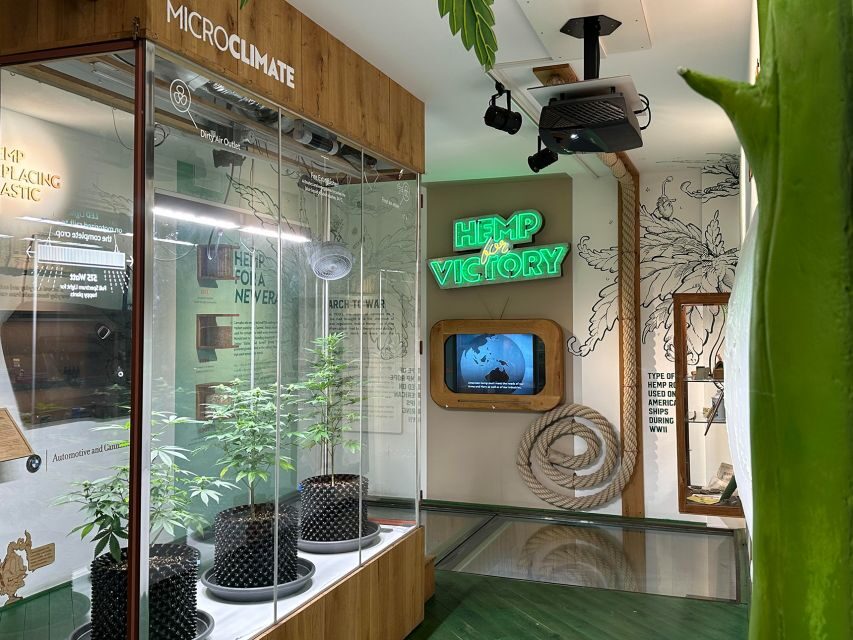
This is one of the most praised parts for a reason. The museum includes an indoor ecosystem with three live plants, plus a microscope and a cannabis testing machine. That combination takes the topic out of rumor-space and puts it into “how it’s studied and assessed.”
What I like about this approach for you: even if you’re pro-cannabis, skeptical, or just curious, the museum gives you a way to see the plant and its properties as something measurable. You’re not being pushed into one story. You’re being asked to look, compare, and understand what different components actually mean.
If you love hands-on learning, this is where you’ll feel most satisfied. If you’re more of a “read and observe” person, this section still works because you can pair the visuals with the explanations in the rooms around it.
The science part: seeing cannabis as more than a headline
A strong theme here is science without pretending it’s magic. You’ll see how cannabis is connected to cultivation and testing, and the museum frames the plant in terms of domestication, structure, and purpose. That matters because most public conversation about cannabis is emotional, political, or simplified.
I also appreciate the way the museum aims to separate what people claim from what’s actually known. The tone is educational, not preachy. You get the sense that the exhibits are trying to make you smarter about what you’re looking at—and why misinformation spreads.
Tip: if you’re the type who likes to connect dots, focus on how the museum moves from plant details to human use. That’s where the “why” starts to make sense.
You can also read our reviews of more museum experiences in Amsterdam

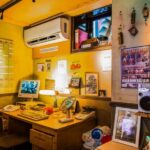



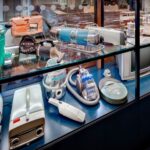
Cannabis history: from Central Asia to Amsterdam’s coffee-shop era
The museum covers the spread of cannabis through time, including origins on the steppes of Central Asia and later movement toward Amsterdam coffee shops and beyond. It’s not just a timeline. You get context on domestication and cultivation—how humans changed the plant and how that changed what the plant could become.
For practical value, this history section helps you understand why cannabis culture looks different across countries and decades. If you only know the modern Amsterdam version, you can end up thinking today’s rules and stereotypes are timeless. This part gives you the big-picture explanation for why attitudes shifted.
If you want to get the most from this section, pause and read carefully. It’s the connective tissue for the later myths and propaganda display. When you understand how cannabis spread and how people profited from different uses, the museum’s later messaging feels less random.
Myths and propaganda: how messaging shapes what people believe
One of the most interesting themes is the museum’s focus on myths and propaganda around cannabis. It doesn’t just say misinformation exists. It shows you the patterns—how people package information to persuade, and why people believe it even when it’s wrong or incomplete.
That’s valuable in Amsterdam, where cannabis talk can bounce between curiosity and controversy. The museum helps you sort what’s based on evidence from what’s based on slogans.
I also like that it tackles the Dutch way of smoking as part of a broader cultural story. You’re not just hearing about a plant; you’re learning about the social environment around it—why certain behaviors became normalized, and how that normalization got wrapped into public narratives.
The top-floor equipment moment: gravity bong and the volcano setup
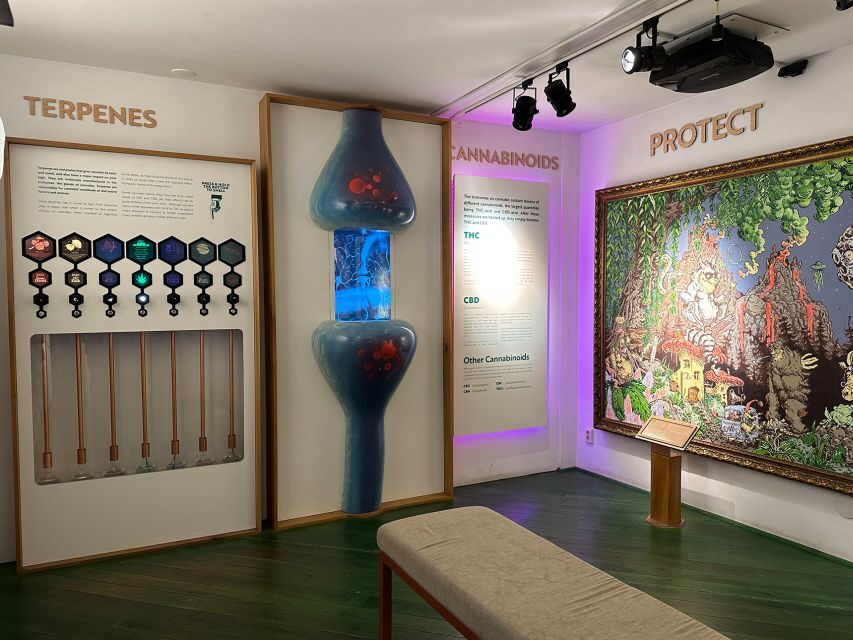
The top floor is where the museum turns up the “show me” factor. Reviews highlight equipment experiences like a gravity bong and a volcano setup. Some visitors also mention using testing-style equipment or trying items in a lounge area.
Two things matter for you here:
First, pacing. This is near the end of the experience, so arrive with enough energy to enjoy it rather than just “finish and go.” The museum average visit is about 45 minutes, but if you take extra time reading earlier rooms, you’ll want to keep this end stop flexible.
Second, the rules. The museum lists no smoking and no intoxication as not allowed. At the same time, several reviews describe a more relaxed environment and mention smoke-related experiences. That mismatch is a key reason to ask staff what’s currently allowed on the day you go. Don’t guess. Follow staff instructions on-site.
If you’re hoping for a smokers-style experience, your best move is to confirm what the equipment demo allows, and how it’s handled under the current house rules. You’ll protect the vibe for everyone and avoid an awkward moment mid-visit.
Goodie bag and shop discount: small perks that feel real
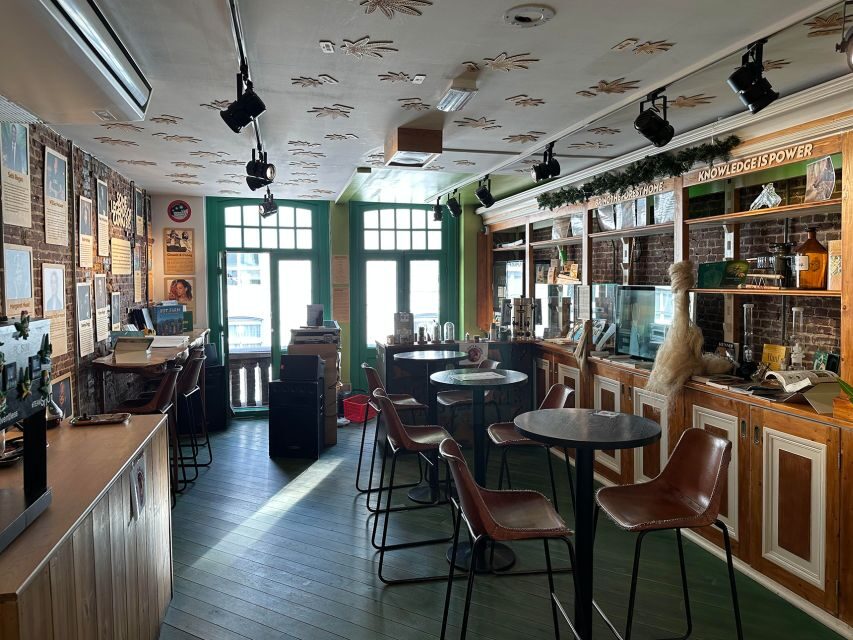
You get more than entry. The ticket includes a goodie bag and a 10% discount on purchases in the museum shop. It’s not a massive discount, but it’s exactly the kind of add-on that makes people feel like they got a deal, not a gimmick.
In reviews, people mention enjoying the goodie bag contents, and a few note that the mix of items between groups didn’t always feel perfectly matched. That’s a minor thing, but it’s worth knowing if you’re traveling with friends and comparing what each person got.
If you like souvenirs that feel tied to the theme (rather than generic postcards), the shop is the logical place to spend that extra discount. Just don’t assume there’s time to browse deeply—your main visit is time-limited, and the museum closes at 10 PM.
Accessibility and comfort: the stairs are the real constraint
Not every part of this is ideal for everyone. The museum is compact and stair-forward, and at least one review points out it’s not great if you can’t climb stairs. The average time is short, but you still have to move between levels.
If you have mobility limits, go with a plan:
- Start early in the day so you’re not rushed.
- Ask staff which areas are best to prioritize if you need to skip a section.
- Expect to spend some time standing and reading, not just watching.
If stairs are fine for you, the layout actually helps: it keeps the museum from becoming one long hallway of information. You get variety.
Who this museum fits best (and who might skip)
This ticket is a great fit if you want:
- Interactive learning about cannabis and hemp, not just opinions
- A short indoor activity that still feels like you learned something
- A mix of plant-based visuals plus science framing and cultural context
It’s less ideal if:
- You hate any reading or explanation and want only spectacle
- You strongly prefer strict “no controversy” environments
- You can’t handle stairs comfortably
One more note: if you’re planning coffee-shop time later, this museum can act like a primer. It helps you understand the broader plant-and-products picture, so you’re not going in with only a single narrative.
Should you book this Cannabis Museum ticket?
If you’re curious and want a practical, interactive way to learn in under an hour, I think this is a solid buy at $14. The included goodie bag, the science tools, and the live plants make it feel more than “just another museum stop.”
Book it if:
- You like hands-on exhibits and short, well-paced experiences
- You want context on cannabis history, industrial hemp uses, and medicine claims
- You’re okay with stairs and a small venue
Consider skipping or choosing a different activity if:
- You want a long guided tour with lots of sitting and deep lectures
- You need strict accessibility support
- You prefer not to engage with topics involving cannabis culture and debate
Go in with one goal: learn the story behind the plant, not just the hype around it. If you do that, this visit tends to land well.
FAQ
How long does a visit usually take?
The average amount of time spent in the museum is about 45 minutes.
What time does the museum close, and when should I arrive?
The museum closes at 10 PM, and you’re advised to arrive by 9 PM.
What’s included with the entry ticket?
The ticket includes the entry itself, a goodie bag, and a 10% discount on purchases in the museum shop.
Are food and drinks included?
No. Food and drinks are not included.
Is smoking allowed?
No. Smoking is listed as not allowed, and intoxication is also not allowed.
Where is the meeting point?
Go to Cannabis Museum Amsterdam.