REVIEW · AMSTERDAM
Kinderdijk Windmills and Delft Small-Group Tour from Amsterdam
Book on Viator →Operated by Dutch Tours · Bookable on Viator
A wind-and-water day trip beats a museum day. This small-group tour strings together UNESCO Kinderdijk (19 original mills and a working pumping system) and Delft with time for lunch and Royal Delft pottery at the factory. If you’re lucky enough to get guides like Eva or Sarah, you’ll get smooth pacing and Dutch history told in plain, fun human terms.
Two things I especially like: you see Kinderdijk from the water on a boat ride, and you get real factory time at Royal Delft—watching the process instead of only shopping. The main drawback to plan around is that Amsterdam traffic can slow things down on the way back, so keep your evening flexible.
In This Review
- Key highlights to look for
- Why Kinderdijk and Delft in One Day Works So Well
- Meeting at 8:00 and the Real Benefit of a Max-16 Group
- Kinderdijk World Heritage: Mills, Polders, and the Best Views From the Boat
- A small tip that makes a big difference
- Working Mill Time: What You Gain Beyond Photos
- Delft’s Canals and Vermeer Corners at a Slower Pace
- Don’t skip the free-wander time
- Royal Delft Factory Visit: Blue-and-White, Made in Front of You
- Food, Drinks, and Comfort for a Full 8–9 Hours
- Price and Value: What $300 Is Buying You
- The One Real Risk: Amsterdam Traffic on the Way Back
- Who This Tour Suits (and Who Might Want Another Plan)
- Should You Book This Kinderdijk and Delft Tour?
- FAQ
- What is the duration of the Kinderdijk and Delft small-group tour?
- What time does the tour start, and where do we meet?
- How big is the group?
- Is the tour in English?
- What’s included in the price?
- Is lunch included?
- Do we get tickets for the stops?
- Is a mobile ticket provided?
- Can I cancel for a full refund?
- Are service animals allowed?
Key highlights to look for
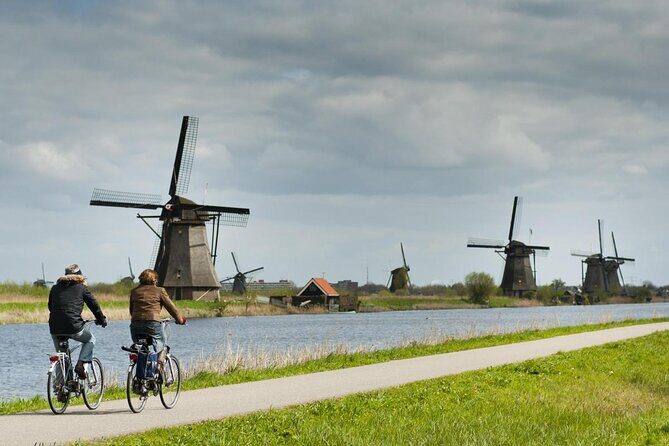
- Boat ride through Kinderdijk for the best angles on the mills and pumping station
- Working mill access (when the timing works) so you can picture how the system really operated
- Delft with guided context plus free time for canals, churches, and the marketplace area
- Royal Delft factory visit with painters at work and time to shop classic blue-and-white
- Max 16 people so you can ask questions and move without feeling herded
Why Kinderdijk and Delft in One Day Works So Well
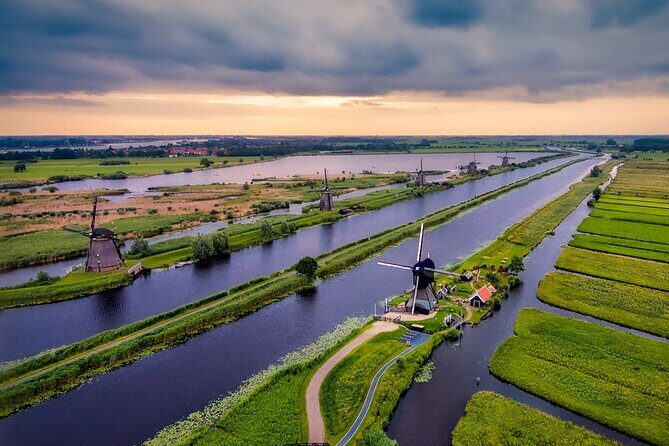
This day trip has a good rhythm: you start with something dramatic and very Dutch, then you shift to a calmer, more walkable city. Kinderdijk is all about water control and wind power—the kind of story that makes you look at the landscape differently. Delft, by contrast, is compact and visual, with canals and gabled buildings that feel like a postcard you can actually walk through.
I like that the tour doesn’t treat Delft like an afterthought. You get time to wander the city center and still make it to Royal Delft for the hands-on, eye-level part of the experience—how the pottery is produced and how the souvenirs are made.
If you enjoy blending “see it” with “understand it,” this is a strong combo. The day gives you both: the mills with their practical purpose, and the pottery with its craft workflow.
You can also read our reviews of more tours and experiences in Amsterdam.
Meeting at 8:00 and the Real Benefit of a Max-16 Group
You start at AlohaDe Ruijterkade 151 (8:00 am), and you return to the same area at the end of the tour. The meeting point is near public transportation, which helps if you’re coming from another part of town and don’t want to stress about parking.
The group size matters here. With up to 16 people, the guide can keep things moving while still answering questions—especially at Kinderdijk, where timing affects how comfortable it feels. A smaller group also means the guide can adapt when needed, like choosing quieter viewing spots or adjusting plans to the group’s interests.
One practical point: the schedule is a long day (about 8–9 hours). So if you can, don’t book a tight dinner right after. Even with good planning, Amsterdam traffic can mess with return times.
Kinderdijk World Heritage: Mills, Polders, and the Best Views From the Boat
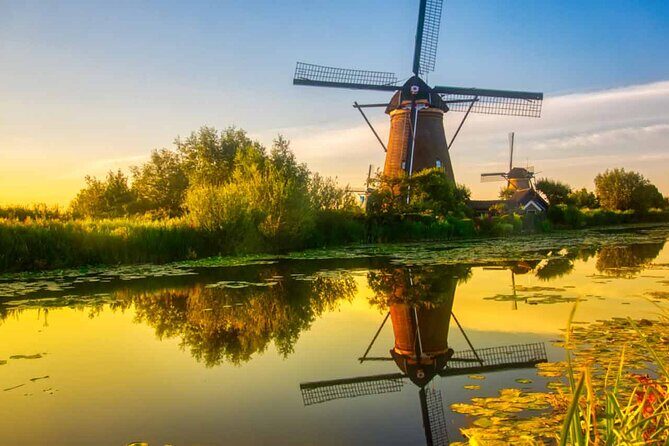
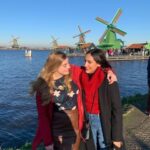
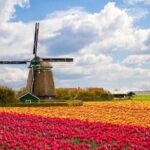
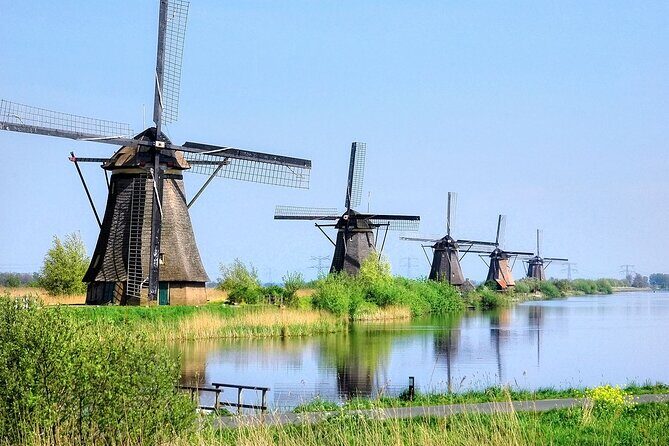
Kinderdijk is UNESCO for good reason. You’re looking at a centuries-old system of windmills and pumps that has been draining the polder soil—basically keeping low-lying land from flooding—for over 700 years. The tour frames it as a teamwork story between people, technology, and nature. Once you hear that, the mills stop being “pretty windmills” and start being practical infrastructure with personality.
The highlight for many people is the boat ride. You’ll glide through the waterways around Kinderdijk, which is the easiest way to understand how the mill rows relate to the canals and pumping stations. From the water, you get a sense of scale you can’t recreate standing on land.
You’ll also see 19 original windmills in the historical setting. That count matters because it’s not a single monument—you’re seeing a whole coordinated system, not one isolated structure. And because it’s functioning historically (and sometimes demonstrably working), it feels more alive than a static exhibit.
A small tip that makes a big difference
Ask your guide how they time the day. Strong guides aim to avoid peak congestion, including crowd surges from nearby boat excursions. That’s a major part of why the experience feels smooth instead of stressful.
Working Mill Time: What You Gain Beyond Photos
At Kinderdijk, you’ll have time to do either—or both—of these: admire the mills and enter a working mill to hear the miller stories, and/or take a cruise for views from the water. The exact mix can vary with timing, but the intent is the same: you’re not only looking, you’re learning how the mechanism relates to the land.
When you step inside a mill (when it’s available during your visit), the atmosphere changes fast. The space feels built for work and transmission of motion, not tourism. You’ll understand that “windmill” is shorthand for a whole chain of movement—getting water up, shifting it through parts of the system, and keeping the polder stable.
This is also where a good guide earns their money. If your guide tells the story clearly, you’ll start noticing details: how the system is arranged, why the mills sit where they do, and why the pumping station matters. The goal isn’t technical mastery—it’s the satisfying moment when everything clicks into place.

Delft’s Canals and Vermeer Corners at a Slower Pace
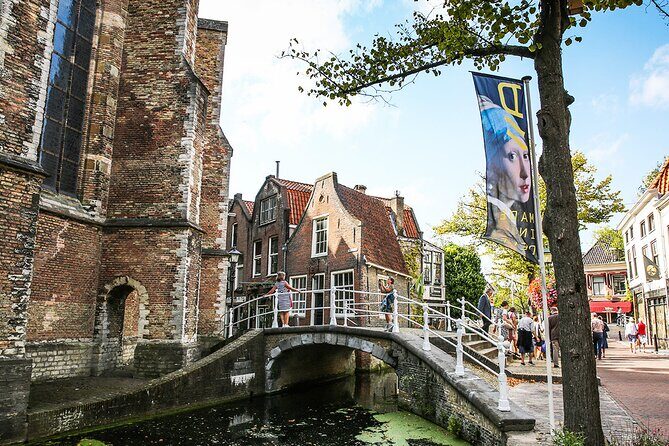
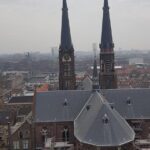
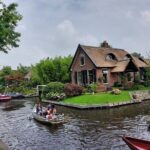
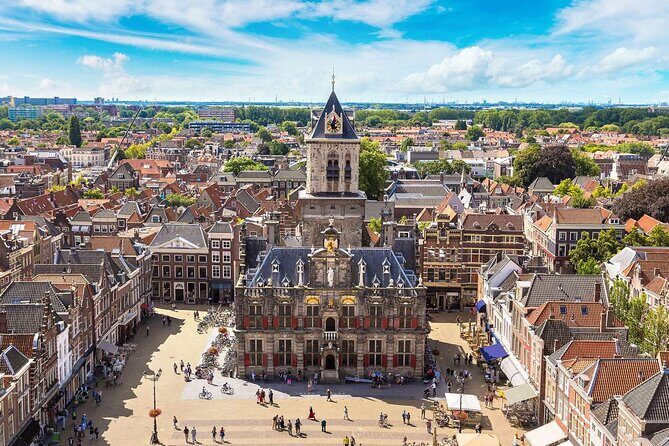
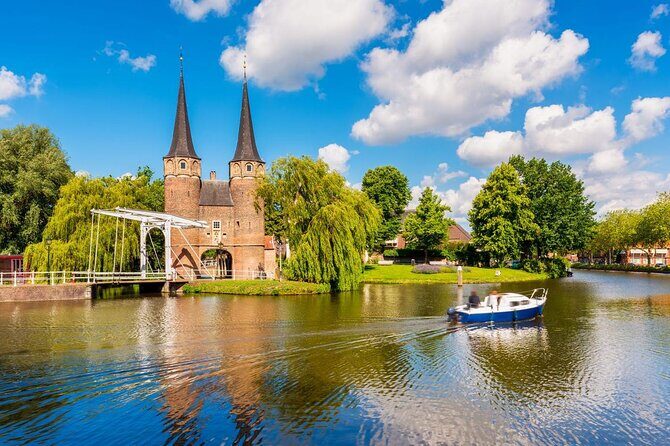
After Kinderdijk, you shift to Delft, and the contrast is real. Delft is smaller than Amsterdam but it still has that classic Dutch look: canals, gabled facades, and church towers. The tour also points out an advantage that matters if you’ve already spent time in Amsterdam—you’ll often feel like you can breathe here.
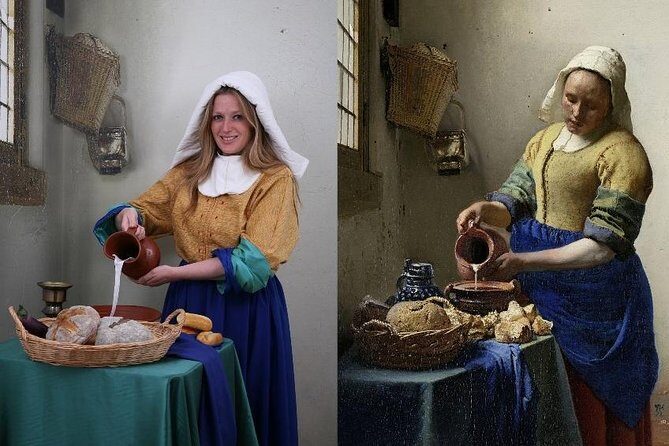
You’ll have guided time for the key sights, plus flexibility. Delft is tied to Delft Blue pottery culture, but it’s also known for people and places like the marketplace area connected to Vermeer. Even if you’re not a museum fanatic, this part helps you connect the dots between art, trade, and civic life in the Netherlands.
Don’t skip the free-wander time
This tour gives you time to explore on your own or with the guide. I like having that buffer because Delft rewards slow strolling—especially around the canals and central squares. During your independent time, you might also choose options like checking out church areas and viewpoints if your energy allows.
Lunch time is included as a practical block in Delft, but lunch itself is not. So use that window to eat somewhere that feels local rather than rushing to find the first open place.
Royal Delft Factory Visit: Blue-and-White, Made in Front of You
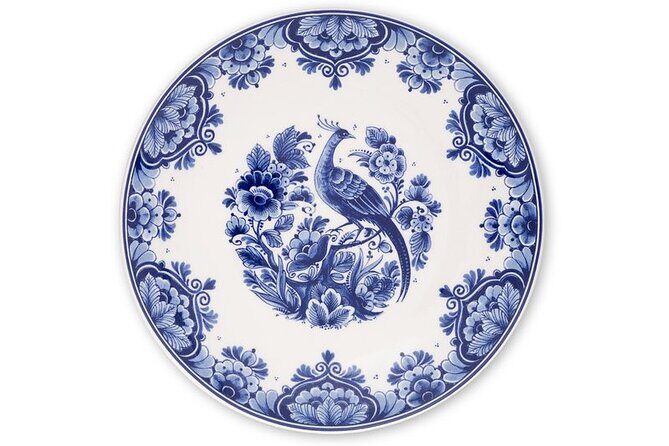
Royal Delft (Koninklijke Porceleyne Fles) is where the day turns from scenery to craft. You visit the factory and flagship store, and you’ll see painters at work. Watching the hand process matters because Delft Blue isn’t just decoration—it’s an old production tradition with steps that take time and skill.
This stop is short but focused: about 1 hour total with admission included. It’s enough time to understand what you’re looking at and still buy souvenirs without the tour turning into a shopping marathon.
What I like most is the balance. You get a real “how it’s made” moment, then you get time to pick pieces confidently. If you’re the type who buys one meaningful souvenir instead of ten impulse items, this is a good place to do it.
If you want classic gifts—blue-and-white china—you’ll likely find the factory shop matches what you picture from Delft. Just go in knowing you’ll want to compare styles. If you’re with a small group, you can do that without feeling pushed.
Food, Drinks, and Comfort for a Full 8–9 Hours
One underrated win: bottled water, snacks, and cold drinks are included. That’s the kind of thing that keeps the day pleasant, especially when you’re outside for long stretches and the schedule doesn’t pause for energy crashes.
The tour also uses an air-conditioned vehicle, which helps for the transitions between Amsterdam, Kinderdijk, and Delft. You’re not stuck in a hot seat while the world passes by.
Lunch is the only meal item not included. Plan for that mentally so you don’t feel awkward when it’s time to order. The built-in lunch window in Delft is a gift, but you’ll still need to pick and pay.
Comfort-wise, I’d dress for motion: you’ll be on a boat and walking. Even on mild days, wind and water time can feel cooler than you expect.
Price and Value: What $300 Is Buying You
At about $300.06 per person, this is not a “cheap bus ride” kind of day. You’re paying for several things that add up fast on your own: guided transport, admissions for key stops, and the value of having someone manage timing across multiple locations.
Here’s what’s included that protects your budget:
- Admission at Kinderdijk and at Royal Delft
- Water and cold drinks, plus snacks
- All fees and taxes
- Air-conditioned vehicle
- A tour format limited to 16 people
What isn’t included:
- Lunch
- Anything you choose to add during free time
To me, the best value piece is the combination of experiences that normally cost extra if you plan them separately. Kinderdijk alone can be a whole outing, and Delft Blue factory access is the kind of thing you don’t want to squeeze in while also figuring out transit. This tour bundles the “must do” parts into one day with a guide smoothing the workflow.
Also, the tour is popular enough that it’s often booked around 69 days in advance. That’s a hint that early booking usually pays off if your dates are fixed.
The One Real Risk: Amsterdam Traffic on the Way Back
The best day can still have a sour moment. One review notes that the guide was delayed because of traffic and that the end-of-day return took longer than expected. That doesn’t mean the tour is poorly run—it means Amsterdam road access and tour meeting points can get crowded, especially around central transport areas.
Here’s how you protect yourself:
- Keep your evening open for a buffer.
- If you’re switching plans the same day (hotel check-in, dinner reservations), don’t schedule right on the final minute.
- If you have a hotel near central areas, you can ask whether the guide can drop you closer on return, since this has happened for some groups (depending on traffic and route constraints).
It’s also worth knowing that taxis can sometimes maneuver differently than tour buses due to route permissions. That’s why the “feel” of the delay can differ between private rides and group transport.
Who This Tour Suits (and Who Might Want Another Plan)
This is a strong fit for:
- First-time visitors who want the Dutch story in a single day
- People who like small groups and guided context
- Anyone who wants both nature/engineering (Kinderdijk) and craft/shops (Royal Delft)
It’s also good for solo travelers. You’re in a group of up to 16, and the format makes it easy to ask questions and connect with your guide without being stuck on top of strangers for hours.
You might consider a different style of trip if:
- You hate long days with multiple stops
- You need an exact, no-delay return time
- You’re mostly shopping-focused and don’t care about explanations at Kinderdijk or the factory process
Should You Book This Kinderdijk and Delft Tour?
Yes, if you want a day that feels both meaningful and efficient. I’d book it for the boat views at Kinderdijk, the chance to understand the water-draining system, and the practical bonus of Royal Delft factory access with painters at work. The Delft city time also gives you a satisfying change of pace—canals and towers instead of wind and pumping stations.
Book it early if your dates are set. And give yourself a little cushion on the back end of the day for Amsterdam traffic. If you do those two things, this is the kind of tour that leaves you with more than photos: you’ll have stories you can tell later, plus souvenirs that actually come from the place where they were made.
FAQ
What is the duration of the Kinderdijk and Delft small-group tour?
It runs about 8 to 9 hours.
What time does the tour start, and where do we meet?
It starts at 8:00 am at AlohaDe Ruijterkade 151, 1011 AC Amsterdam. The tour ends back at the same meeting point.
How big is the group?
The tour has a maximum group size of 16 travelers.
Is the tour in English?
Yes, it’s offered in English.
What’s included in the price?
The tour includes an air-conditioned vehicle, all fees and taxes, bottled water, snacks, and cold drinks. Admissions at Kinderdijk and Royal Delft are included.
Is lunch included?
Lunch is not included.
Do we get tickets for the stops?
You’ll have admission tickets included for Kinderdijk (ticket included) and Royal Delft (ticket included). Delft is listed as admission ticket free.
Is a mobile ticket provided?
Yes, the tour provides a mobile ticket.
Can I cancel for a full refund?
You can cancel up to 24 hours in advance for a full refund.
Are service animals allowed?
Yes, service animals are allowed.