REVIEW · AMSTERDAM
Amsterdam: Kultour, Kulturelle Stadtführung mit Herz & Seele
Book on GetYourGuide →Operated by Herzblut Amsterdam Stadtführungen · Bookable on GetYourGuide
A mosaic can teach a city. This Amsterdam Kultour-style walking tour uses the Beurspassage mosaic as the starting point for Amsterdam’s story—way more engaging than a list of dates. I really like the small group setup (max 10), because you get time to ask questions and hear the guide’s take on daily life. One catch to consider: the tour is German-only, so if you’re not comfortable in German, you’ll need to decide if that’s okay for a 2-hour walk.
You meet at Beursplein/Damrak, opposite Primark, and you’ll head off rain or shine. Over two hours, you’ll connect architecture, street life, and big themes like religion, the colonial past, and monarchy to what you see today—especially in the canal-belt area around Grachtengordel. It’s cheerful, informative, and built for people who want to understand the city without getting lost in the crowds.
In This Review
- Key things I’d highlight before you book
- Meeting at Beursplein/Damrak: the start that gets you moving fast
- The Beurspassage mosaic: Amsterdam history in one giant picture book
- Historic buildings, street art, and architecture with a point
- Grachtengordel canal-belt walk: seeing residents, not just views
- How the small-group format changes the whole experience
- Language and who this tour works best for
- Price and value: what $30 buys in real terms
- What to bring (and what not to bring) for a smooth walk
- A practical feel for the pace and experience style
- Should you book Amsterdam Kultour with Herz & Seele?
- FAQ
- What language is the guide?
- Where does the tour meet?
- How long is the walking tour?
- Is the tour a small group?
- What’s included in the price?
- Is food or drinks included?
- Can I cancel and get a refund?
- Is it wheelchair accessible?
Key things I’d highlight before you book
- Beurspassage mosaic used as a giant picture-book history lesson
- Small group (up to 10) for a more personal, question-friendly pace
- German-speaking guide focused on everyday Amsterdam life, not just monuments
- Grachtengordel canal-belt walk to see residents going about their day
- Real architecture and street details tied to themes like religion and monarchy
Meeting at Beursplein/Damrak: the start that gets you moving fast
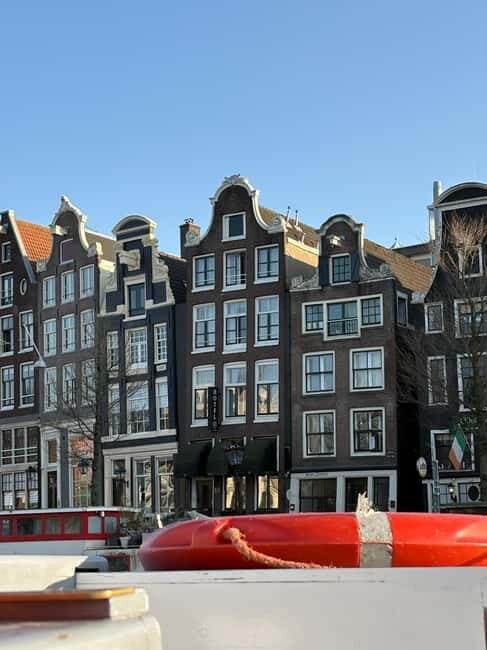
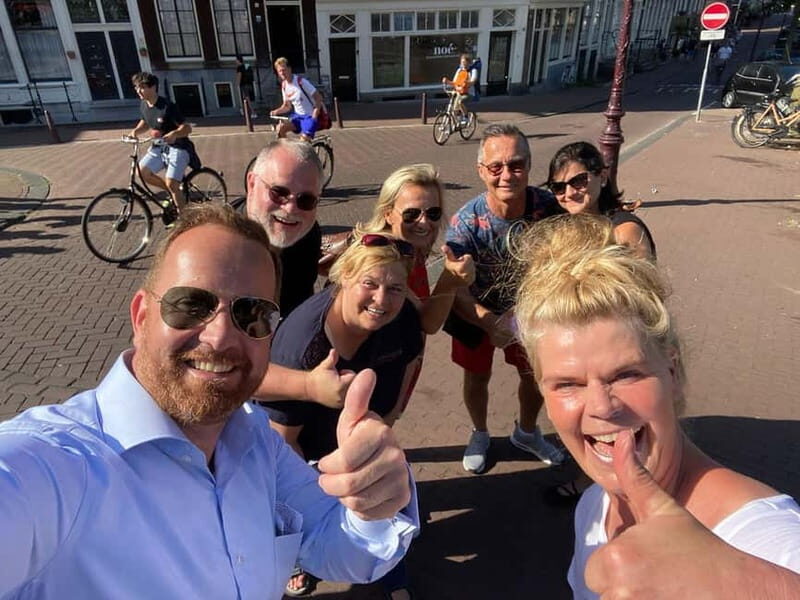
Your tour begins at Beursplein/Damrak, opposite Primark. The instructions are simple: look for the guide wearing a black and white striped band. That matters, because you don’t want to waste time hunting around in a high-foot-traffic area before the walking part even starts.
Amsterdam walking tours can start three different ways: a lecture, a sprint, or a gentle orientation. This one is clearly aiming for the “get oriented while walking” style. After the meet-and-greet, the guide launches into Amsterdam and the Netherlands’ history right away, using a visual anchor inside the Beurspassage area. So you’re not waiting until the middle of the tour to understand what the theme is.
Also note the practical stuff: the tour is 2 hours, it ends back at the meeting point, and you’re expected to do outdoor walking. That’s not “museum pacing.” It’s more like a focused stroll where you’ll stop often enough to learn, but not so often that the whole day turns into one long detour.
Finally, the tour runs rain or shine. Comfortable shoes and a weather-ready layer are not optional.
You can also read our reviews of more tours and experiences in Amsterdam.



The Beurspassage mosaic: Amsterdam history in one giant picture book

The core experience starts with the unique mosaic artwork of the Beurspassage—described as the largest mosaic artwork in the Netherlands. Instead of telling the story through a timeline, the guide uses it like a giant picture book. That difference is huge for how the tour feels.
A mosaic is visual and symbolic, which means the guide can connect themes to imagery you can actually look at. In practical terms, this makes it easier to remember what you just learned once you’re back outside. You’re not only absorbing facts—you’re building a mental map between the city’s layers and what you see in the streets afterward.
From there, the tour connects the mosaic story to what you can notice around you: historic buildings, street art, building style, and architectural features. The guide also covers how religion influenced life, what the colonial past means in the broader story, and how the monarchy fits into the country’s public identity—then brings it back to the everyday Amsterdam lifestyle, both past and present.
If you like context that helps you read the city like a document (not just take photos), this is a smart approach. If you prefer a tour that only stays outdoors and hits famous landmarks, you might find the mosaic-based opening shifts the rhythm a bit. But for most people, it’s a strong way to start because it gives you a story thread immediately.
Historic buildings, street art, and architecture with a point
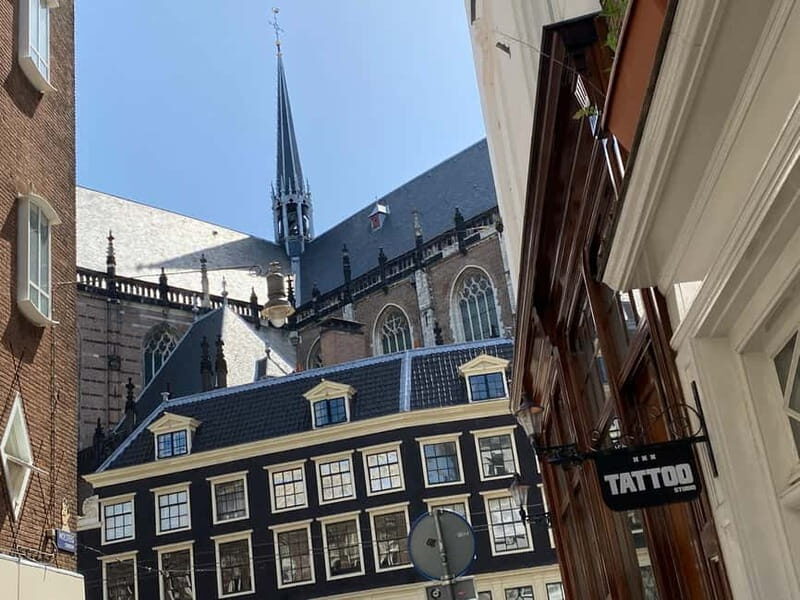
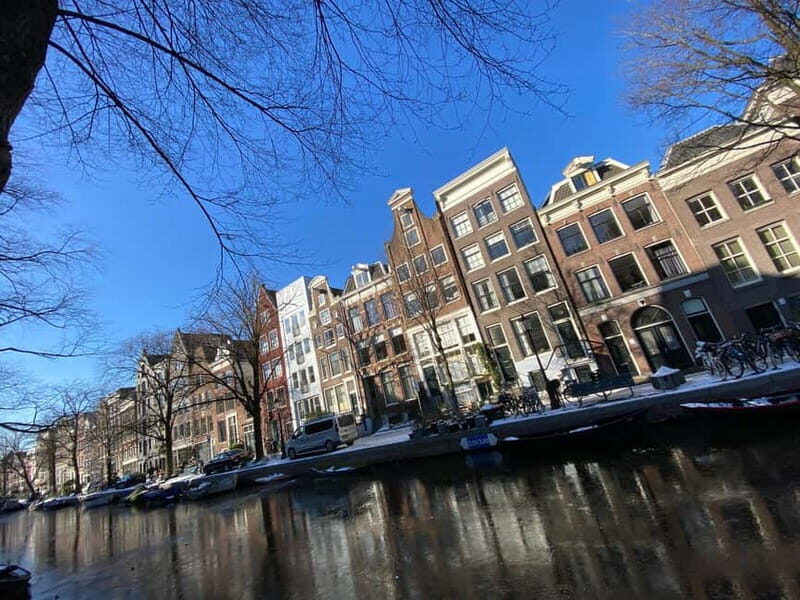
After the mosaic section, the walking part becomes more than sightseeing. You’re guided through the kinds of details people usually scroll past: historic building features, how streets and facades look in different eras, and how street art shows up as part of the city’s more current voice.
The guide ties these details to the tour’s main themes—religion’s influence, the colonial past, and the monarchy. That sounds big (because it is), but the way it’s presented matters. It’s not just “big topic, big topic.” It’s big topics explained through what you’re looking at right now.
That’s also where the German guide matters. The tour is described as cheerful, informative, and entertaining. Those traits are not just personality traits; they affect comprehension. If the guide keeps the tone light while still making historical connections, you’re more likely to stay focused—even while doing outdoor walking for two hours.
One thing to keep in mind: the tour doesn’t mention any entry ticket to attractions, and the included items are only a guided walking tour and a local guide. That’s actually a good sign for value. You’re paying for interpretation and local context, not for access to paid sites. You’ll leave with better “city reading skills” rather than photos from ticketed interiors.
Grachtengordel canal-belt walk: seeing residents, not just views
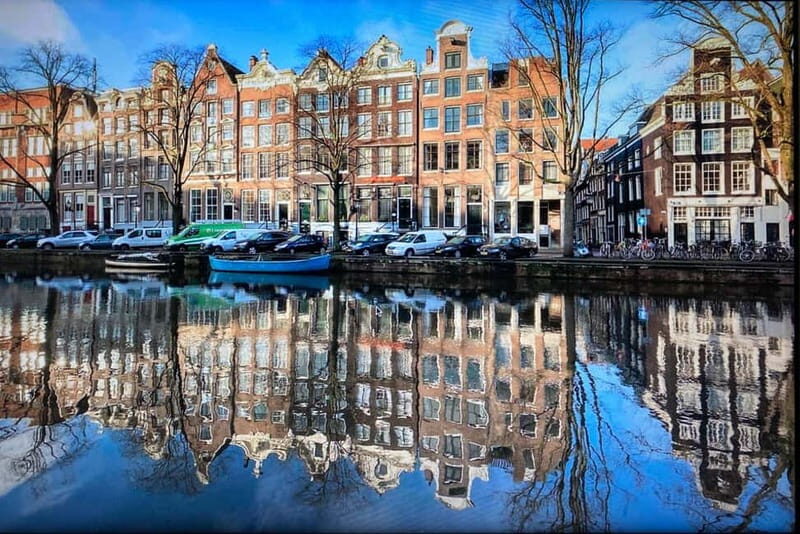
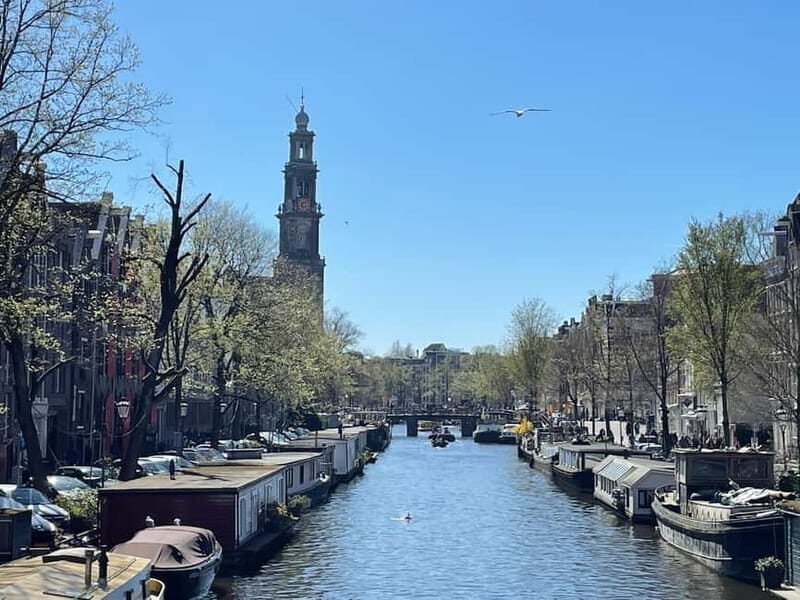
Next you move into the Grachtengordel, the canal-belt area, where the tour’s focus shifts from monuments to day-to-day life. The idea here is simple: you get a real sense of local culture by watching residents go about their day and hearing the guide’s insider perspective.
This part is especially useful if your Amsterdam plans include canals, neighborhoods, or self-guided exploring afterward. Once you’ve had someone show you what to notice—how people live around the canals, how buildings relate to street life, how the city’s history stays visible—you won’t look at the canal belt as one big postcard scene.
You’ll also benefit from the “small group” setup during this section. A group of 10 (max) is small enough that the guide can keep everyone together without turning the walk into stop-start chaos. You’ll feel less rushed, and it’s easier to hear explanations at normal walking pace.
There’s also a subtle value here: you’re not only learning. You’re observing. That makes it more likely the tour sticks in your head when you’re later eating nearby or wandering for your own photos.
How the small-group format changes the whole experience
This tour caps at 10 participants, which is a big deal in Amsterdam. With that size, you don’t have to be constantly on edge about losing the group. It also tends to reduce the typical “herding cats” feeling you get with larger departures.
The tour’s structure fits the small-group model well: it mixes a guided history opening with a walk that moves through different types of city details. When the group is small, the guide can pace explanations to the crowd and keep the energy up without long gaps where everyone waits silently.
I also like that the tour explicitly aims for intimacy and attention from the guide. That aligns with the “German speaking” format too. If you’re able to follow German at least comfortably, you’re more likely to get your questions answered and keep up with the guide’s links between history and what you see outside.
Possible drawback: if you’re sensitive to fast walking, or you need frequent seating breaks, you’ll want to plan carefully. The tour requires comfortable shoes and assumes steady movement outdoors.



Language and who this tour works best for
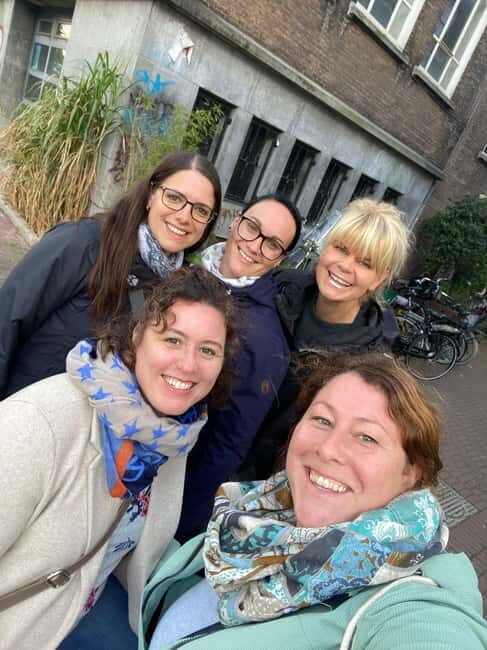
The tour is guided in German. That’s the most important “fit” factor besides mobility and weather gear.
If you speak German confidently, you’ll probably enjoy it a lot more than a general overview tour, because you can follow the guide’s connections between architecture, social life, and historical themes. If you’re only at beginner level, this can turn into a frustrating hour—even if the guide is friendly—because most of the value is in the narration.
It’s also not meant for everyone physically. The information includes wheelchair accessible, yet it also notes it’s not suitable for people with mobility impairments. That means the safe move is to confirm details before booking if mobility is a concern. Don’t guess.
Who it’s a great match for:
- You want a culture-focused walking tour that’s not just big-photo landmarks
- You like visual history tools (like the mosaic) and learning how to notice details
- You prefer smaller groups over crowded bus-tour energy
- You’re comfortable with or learning German, at least enough to enjoy a live guide
Price and value: what $30 buys in real terms
At $30 per person for about 2 hours, this tour lands in the “solid value” category—mainly because it includes a professional local guide and the walking tour itself, and it doesn’t require extra paid entry fees.
You’re paying for interpretation: someone explains Amsterdam’s layers in a way that helps you understand what you’re seeing. You’re not paying for access to attractions with separate tickets. That matters if you’re trying to budget your trip while still feeling like you got something meaningful.
Also, the small group size is part of the value math. If you split attention across 10 people instead of 25, you tend to get a better return on your time—especially on a theme-based tour like this one that depends on listening, not just wandering.
What you should plan to cover yourself:
- Food and drinks (not included)
- Any personal expenses during the day
- Entry fees (not included)
And one quick reality check: this is a walking experience. Even with a guide, it’s still 2 hours on your feet. So if you’re tired, plan a lighter day before this one.
What to bring (and what not to bring) for a smooth walk
You’ll want to bring:
- Comfortable shoes
- Water
- Comfortable clothes
- Outdoor clothing for the weather
That last point matters because the tour runs rain or shine. Amsterdam weather can flip quickly, so having a layer system is smarter than hoping for dry luck.
The tour also has clear rules on what’s not allowed:
- Luggage or large bags
- Intoxication
- Alcohol and drugs
That’s very practical. It likely helps keep the group moving smoothly and prevents delays near busy streets and the Beurspassage area.
One more tip for comfort: since the tour is back at the meeting point, you can plan it as part of a larger day. Don’t schedule something that requires you to be fully refreshed right afterward unless you know you handle walking well.
A practical feel for the pace and experience style
This tour is described as cheerful and entertaining, and that comes through in how it’s set up. It’s not just a history lecture. The structure uses a visual start (the mosaic) and then shifts into walking where architecture, street art, and everyday life become the “text.”
Because it’s 2 hours, you won’t get everything you’d ever want about Amsterdam—but you will get a clear framework. That framework is what helps your self-guided hours afterward. You start noticing the connections: how past themes show up in buildings, how the canal-belt relates to daily life, and how the city’s identity is built from different eras.
Think of it as a guided way to make Amsterdam feel less like a blur. If you tend to get overwhelmed by details, this format may help you sort what you see into a story you can follow.
If you’re expecting a checklist of only the most famous sights, you may feel it’s more reflective and culture-focused. But the upside is you’ll likely leave with a stronger sense of why the city looks the way it does.
Should you book Amsterdam Kultour with Herz & Seele?
Book it if you:
- Want a theme-based cultural walk that connects history to what you see
- Like small groups (max 10) and a guide who can give attention
- Are comfortable with German—or at least can follow a live guide in German
- Prefer learning through city details like architecture and the Beurspassage mosaic
Skip or reconsider if you:
- Can’t handle a German-only experience
- Need a tour with minimal walking or lots of rest
- Want guaranteed stops that involve paid admissions (this one doesn’t include entry fees)
Overall, this is the kind of tour that improves your next hours in Amsterdam. You don’t just get a walk—you get a lens.
FAQ
What language is the guide?
The live tour guide speaks German.
Where does the tour meet?
The tour meets at Beursplein/Damrak, opposite Primark.
How long is the walking tour?
The duration is 2 hours.
Is the tour a small group?
Yes. The group is limited to 10 participants.
What’s included in the price?
The price includes a guided walking tour and a professional local guide.
Is food or drinks included?
No. Food or drinks are not included.
Can I cancel and get a refund?
Yes. You can cancel up to 24 hours in advance for a full refund.
Is it wheelchair accessible?
The tour information states it is wheelchair accessible, but it also notes it is not suitable for people with mobility impairments. If this applies to you, it’s smart to check directly with the provider before booking.