REVIEW · ROTTERDAM
Discover Rotterdam: Classic Highlights Bike Tour by a Local
Book on GetYourGuide →Operated by Rottourdam · Bookable on GetYourGuide
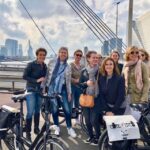
Rotterdam makes more sense on two wheels. This 3-hour classic highlights ride strings together the city’s biggest visual hits and the behind-the-scenes story of how Rotterdam remade itself after World War II, all while you’re rolling through the center. You’ll get a local guide who keeps things lively and practical, with time for photos and a short coffee break.
I especially like the mix of iconic architecture and maritime themes. You’ll pass major landmarks like Hotel New York, Erasmusbrug, and the Boijmans Van Beuningen Art Depot, then swing into the more playful shapes at the Cube Houses.
One thing to consider: this is a bike tour, so it’s not for you if you can’t ride comfortably (and it’s not suitable for people with back problems). If the weather is rough, dress smart and expect the pace to be “moving most of the time,” not sightseeing by slow stroll.
In This Review
- Key highlights to zero in on
- Why a 3-hour Rotterdam bike loop works
- Meeting at Linker Veerdam 1 and getting rolling
- Hotel New York to Erasmus Bridge: big-city icons, seen at speed
- From Veerhaven and De Brandgrens to the city’s comeback story
- Euromast and Boijmans Van Beuningen Art Depot: modern Rotterdam in layers
- Heilige Boontjes break at Fenix Food Factory: the best reset of the day
- Stadhuis Rotterdam to Grote of Sint-Laurenskerk: classic landmarks with context
- Cube Houses and Markthal: Rotterdam’s shapes you’ll remember
- Oude Haven to De Hef: maritime history meets steel-and-daring design
- How the tour handles pace, safety, and comfort
- Price and value: what $51 includes (and why it matters)
- Who should book this Rotterdam Highlights Bike Tour
- Quick checklist before you go
- Should you book?
- FAQ
- How long is the Rotterdam Classic Highlights Bike Tour?
- How much does the tour cost?
- Where does the tour start and end?
- What’s included in the price?
- Do I need to bring my own helmet?
- Is there a break during the tour?
- What languages is the guide available in?
- Is the tour suitable if I have back problems?
Key highlights to zero in on
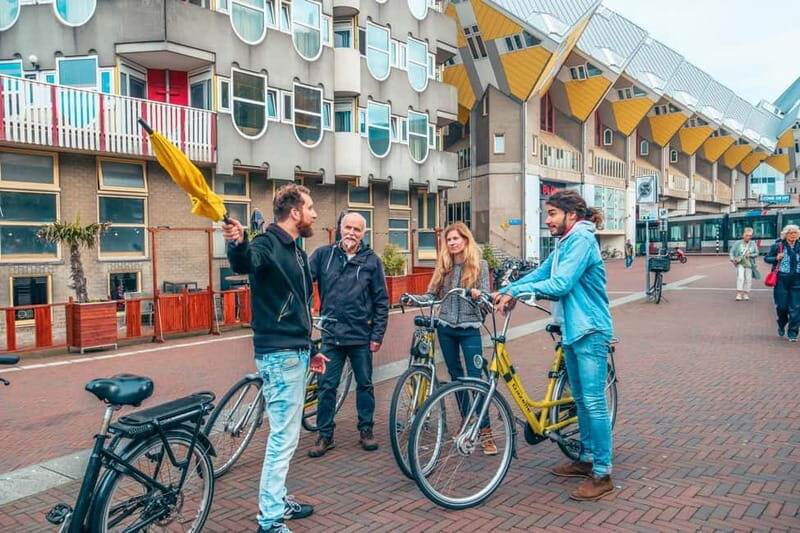
- Local guide energy (Elmer stands out): funny, helpful, and good at connecting landmarks to Rotterdam’s story
- Cube Houses + Markthal in one ride: lots of memorable shapes without long travel time
- A real break, not a token stop: 20 minutes at Fenix Food Factory for coffee and a bite
- Photo-ready route design: frequent passing stops for quick snapshots and orientation
- Maritime + modern architecture balance: you see how the city thinks about the past and the future side by side
Why a 3-hour Rotterdam bike loop works
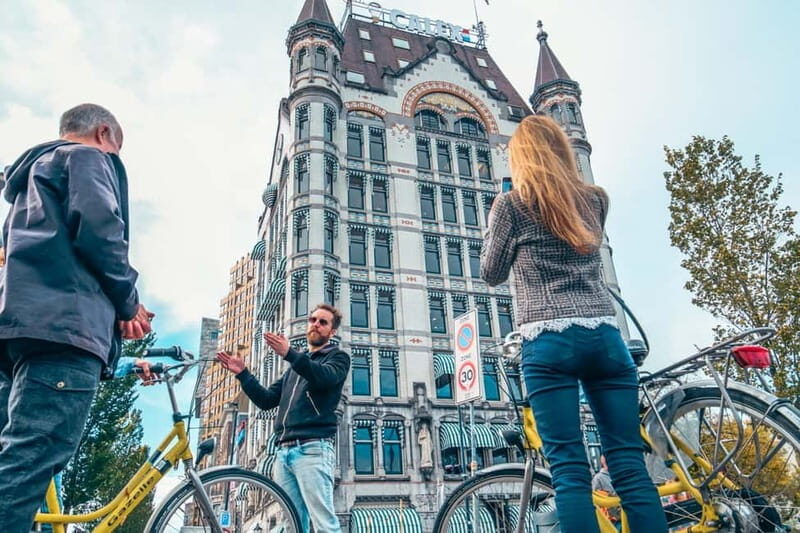
If you’re short on time, this is the kind of tour that actually earns it. Three hours is long enough to connect dots across neighborhoods, but short enough that you won’t feel stuck for half a day. The route is planned so cycling feels relaxed and safe, with regular moments to stop, look, and ask questions.
Rotterdam’s charm is partly visual, partly historical. You don’t just see buildings. You learn why the city looks the way it does, especially the resilience and transformation after World War II. When you’re on a bike, those lessons land faster because you’re constantly moving through the city’s layout.
Also, it’s a great way to get your bearings quickly. Once you’ve ridden the center loop, you’ll understand where things are. That helps when you want to return on your own for a longer walk or a museum visit.
You can also read our reviews of more cycling tours in Rotterdam
Meeting at Linker Veerdam 1 and getting rolling
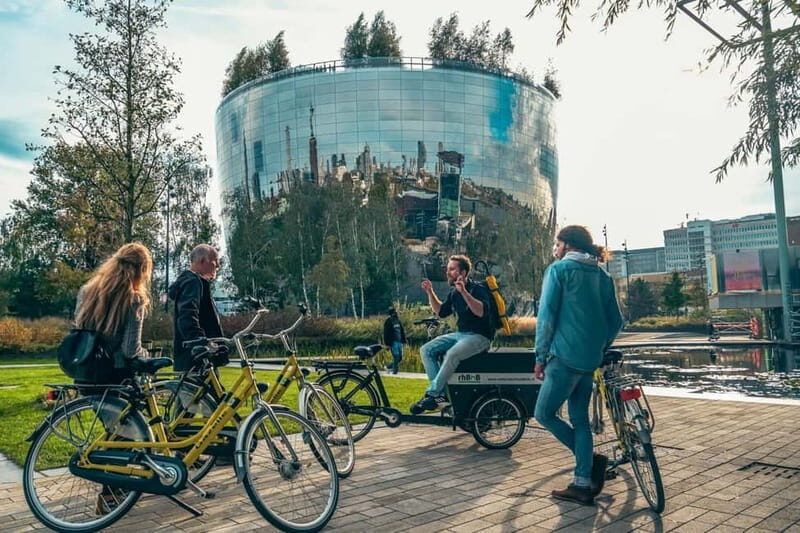
The tour starts at Linker Veerdam 1. Your best bet is to show up early and look for a small wooden house with a colorful rooftop. That’s where the guide will be waiting with the bikes.
For practical planning, this meeting point is easy to reach. One review highlighted that parking nearby is simple, which matters in Rotterdam where you might otherwise spend too much time circling. If you’re bringing your own bike, you may be able to use it, since the setup is flexible.
You should arrive 15 minutes before the start. Wear comfortable shoes and bring water. Helmets are optional (so you won’t be forced into it), but you’ll still want to dress for cycling and for the weather you actually get—not the weather forecast fantasy.
Hotel New York to Erasmus Bridge: big-city icons, seen at speed
Right after you start, you’re in the classic Rotterdam photo zone. The route passes by Hotel New York first. Even if you’re not going inside, seeing it from the street helps you place yourself in the city’s center-right rhythm.
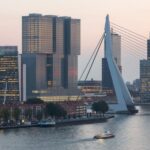
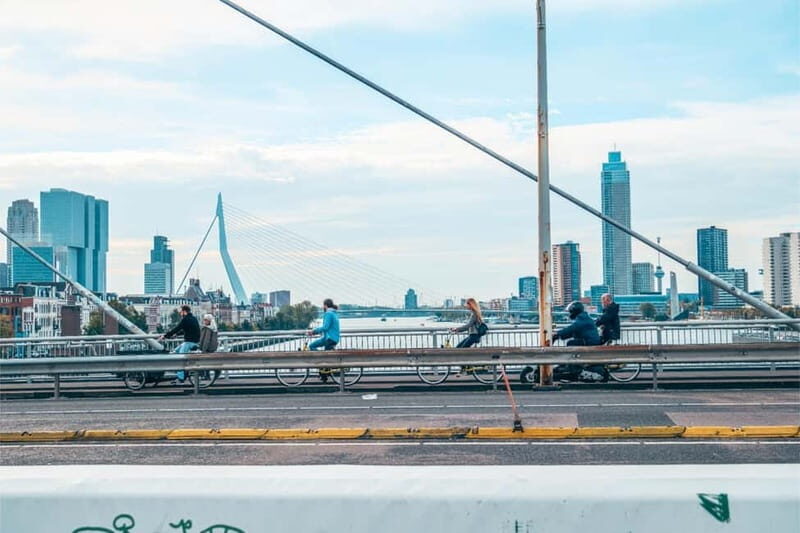
Then comes Erasmusbrug, where you get a quick look at one of Rotterdam’s most recognizable views. The value here isn’t just the bridge itself. It’s the perspective. From the bike, you get a sense of how the city connects sides and how modern Rotterdam frames its landmarks.
The timing is designed for easy momentum. You pass by some stops for about 10–15 minutes, which keeps energy up. You’re not stuck waiting for the group to catch up. If you like to take short photos and move on, this pacing fits.
From Veerhaven and De Brandgrens to the city’s comeback story
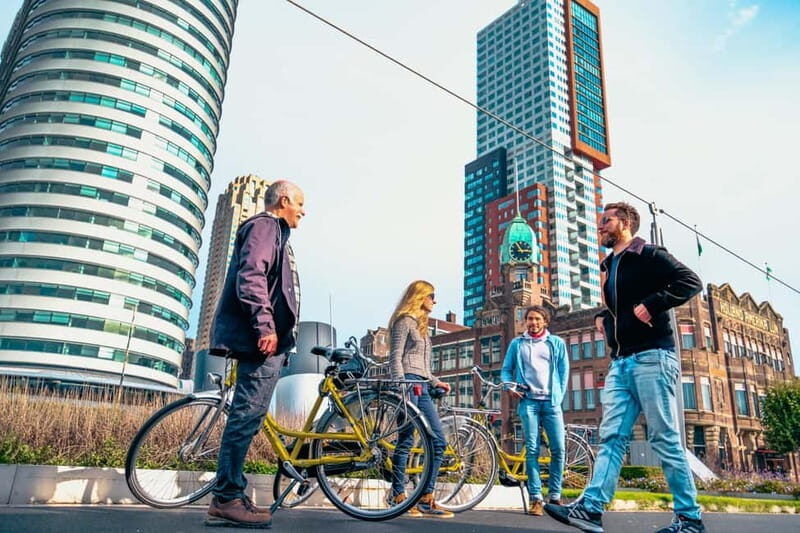
After the bridge moment, the tour shifts toward the waterfront side of the city with Veerhaven. You get passing views that help connect Rotterdam’s maritime identity with where the city’s life happens. It’s the kind of area where you can feel the port influence even without technical explanations.
Next is De Brandgrens. This is one of those stops where the guide’s storytelling matters most. The tour focuses on Rotterdam’s resilience and transformation after World War II, and this area supports that theme. You’ll hear how the city rebuilt, rethought, and moved forward—so your walk-through photos start meaning something.
These passing segments are also a practical win. You get context without losing time. If you’ve ever done a “museum-only” day, this tour is the opposite: architecture and history from street level, at bicycle speed.
Euromast and Boijmans Van Beuningen Art Depot: modern Rotterdam in layers
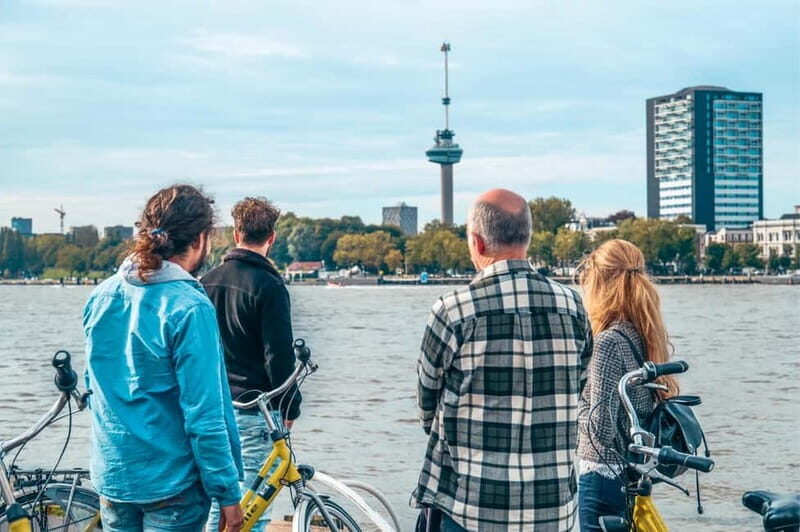
Two stops that work especially well together are Euromast and the Boijmans Van Beuningen Art Depot. Even though you’re not doing long visits, the route is set up so you can appreciate Rotterdam’s modern direction in quick hits.
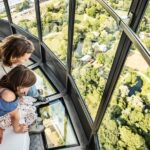
At Euromast, you’re getting a clear marker of the city’s skyline identity. A quick look from the bike gives you a sense of where the viewpoint energy comes from, and it helps you understand why Rotterdam leans into bold structure.
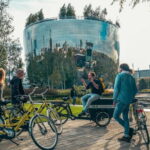
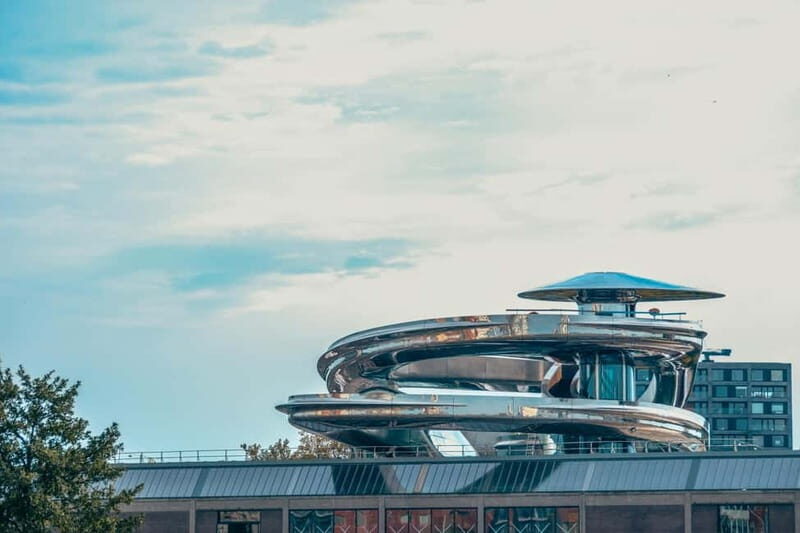
Then you reach the Depot Boijmans Van Beuningen area. This stop supports the tour’s theme of modern architectural wonders. If art and design matter to you, you’ll likely enjoy the contrast between Rotterdam’s practical waterfront story and the city’s forward-leaning cultural presence.
One tip: keep your camera handy here. These are the moments where a brief pause turns into the kind of photo you’ll still care about later.
Heilige Boontjes break at Fenix Food Factory: the best reset of the day
At Heilige Boontjes, you get a 20-minute break. This is not just a scheduled bathroom stop. It’s a proper chance to reset. The tour stops at Fenix Food Factory for coffee and a bite, and the break gives you time to chat with other participants.
This is one of the standout parts. Reviews praised the stop as a friendly moment in the middle of the ride—enough time to grab something warm or energizing, but not so long that the tour drifts.
If you’re the type who gets hangry halfway through an activity, plan to use this break fully. You’ll cycle more comfortably once you’ve refueled.
And because you’re on a bike tour, this break also helps you enjoy the rest of the route instead of pushing through tired.
Stadhuis Rotterdam to Grote of Sint-Laurenskerk: classic landmarks with context
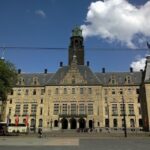
Next up are two major landmarks: the Stadhuis Rotterdam and the Grote of Sint-Laurenskerk. These stops give the tour a grounded feeling, like the city has roots that go beyond design trends.
You’ll pass by these sights with time to look and take photos, roughly in the 10–15 minute window. The practical benefit is that you can still enjoy the “big hits” without losing the flow of the ride.
This is also where the guide’s explanations can make the difference between seeing a building and actually understanding why it matters in Rotterdam’s story. The tour is designed so you’re constantly learning while you’re moving—so when you see older landmarks, they feel connected to the modern changes you’ve already heard about.
Cube Houses and Markthal: Rotterdam’s shapes you’ll remember
If there are two stops you should plan around for photos, it’s the Cube Houses and Markthal.
The Cube Houses are one of the tour’s most praised highlights. People commonly focus on the playful geometry, and the ride gives you a clean look with enough time to capture the iconic angles. One review called out liking the yellow cube houses specifically, which is exactly the kind of detail you’ll appreciate when the guide points things out and the light hits just right.
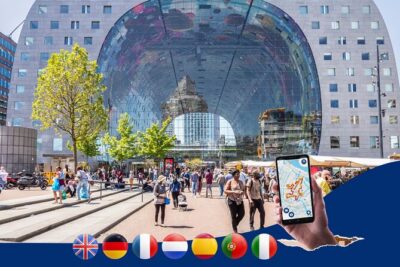
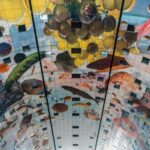
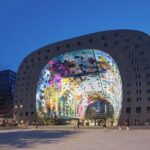
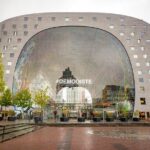
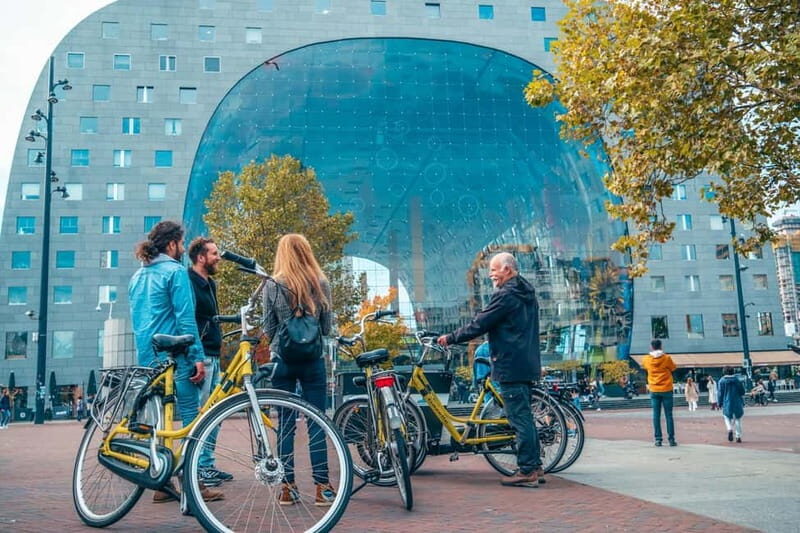
Then there’s Markthal. The tour treats it as a key center stop—busy, noticeable, and visually designed to pull your attention. Even if you’re not going inside, passing it by on a bike gives you a sense of how it anchors street life.
This pair works well because they show two different sides of Rotterdam’s creativity: sculptural housing versus designed public space. Together, they help you see why Rotterdam is famous for not copying the old style.
Oude Haven to De Hef: maritime history meets steel-and-daring design
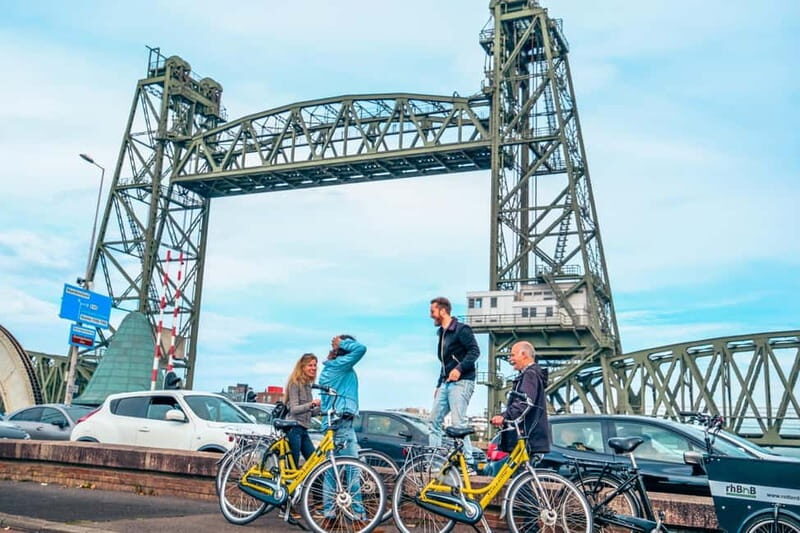
Late in the tour, you move into the Oude Haven area, followed by De Hef. This is where the maritime theme gets its street-level payoff.
Oude Haven gives you the harbor vibe without needing a ticketed museum experience. You’re seeing the type of setting Rotterdam built its identity on, and the guide’s framing ties it back to the city’s history and redevelopment themes.
Then De Hef adds a more industrial, bold structure moment. It’s the kind of stop that helps you connect Rotterdam’s future-facing outlook with its port-era bones. From the bike, you also get a practical sense of the city’s scale and how these landmarks relate to each other in a real walking-and-riding grid.
If you like photos with contrast—modern next to older industrial forms—these last stops deliver.
How the tour handles pace, safety, and comfort
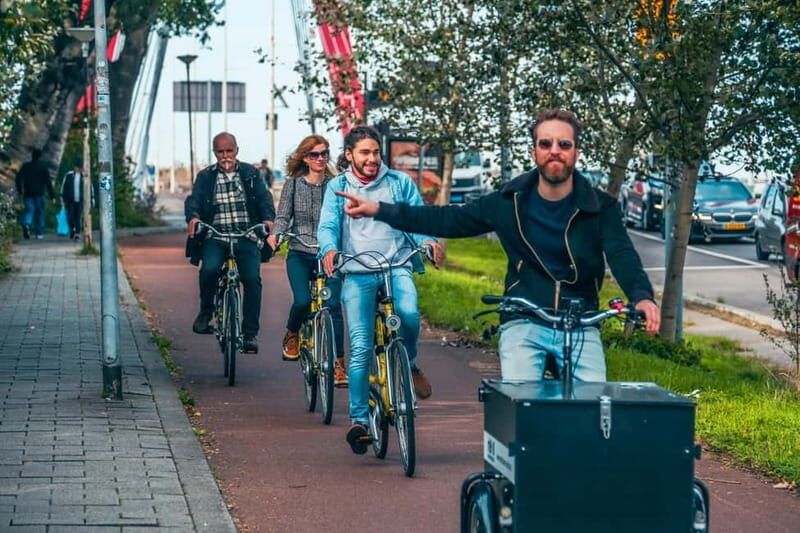
This tour is designed around a “moving but not rushed” rhythm. You’ll spend a lot of time cycling through the center, with passing stops that last about 10–15 minutes and a proper break at 20 minutes. That pacing matches the guide style described by participants: upbeat, structured, and keeping the energy steady.
The route is also set up to feel safe. Reviews specifically called out cycling being relaxed and safe, which matters because bike tours can feel stressful if the route is chaotic. Here, it’s planned to keep you comfortable while still seeing a lot.
Comfort-wise, you’ll want:
- comfortable shoes for stops and quick walking around
- water for the ride
- weather-appropriate clothing
Also note what this tour does not promise: it’s not built as a slow amble. If you prefer long museum-style breaks, you may find this format a bit too active. But if you want a smart overview you can build on later, the schedule works.
Price and value: what $51 includes (and why it matters)
The price is $51 per person for a 3-hour tour. What makes it feel reasonable is what’s included: bike rental and a live local guide, plus the stop at Fenix Food Factory for the break. You’re also getting a route that covers multiple major landmarks without needing to coordinate transport or tickets for every stop.
On pure sightseeing cost, it’s easy to spend more than that on just one paid attraction in a big city. Here, you’re paying for guided movement, history context, and bike logistics. That’s good value if you’re traveling efficiently and want your day to make sense.
What’s not included is food and drinks beyond the break itself. So you’ll still decide what to order at Fenix Food Factory. Bring cash or card as you prefer, and treat the break as your main built-in snack moment.
Who should book this Rotterdam Highlights Bike Tour
You’ll likely love it if:
- you want an overview of the center with iconic architecture and a clear theme
- you enjoy short story stops rather than long museum time
- you like cycling when it’s paced well and feels safe
- you want a guide who keeps things energetic, like Elmer, who was praised for being funny and informative
You should skip it if:
- you can’t ride a bike
- you have back problems and need different mobility options
- you hate the idea of moving for most of the activity
It’s also a strong fit for first-timers. After a loop like this, you’ll know what parts of Rotterdam you want to return to—especially if you’re planning a second day for slower exploring.
Quick checklist before you go
Bring:
- water
- a camera for the Cube Houses, Markthal, and bridge/skyline moments
- weather-appropriate clothing
- comfortable shoes
Optional:
- helmet (provided, but not mandatory)
Plan around:
- staying off alcohol and drugs during the tour
- no smoking on the tour
And if rain is coming, dress for it. A bike day does not get “magically indoor” just because the forecast is gloomy.
Should you book?
Yes, if you want a compact Rotterdam day that mixes modern design and the post-war story of rebuilding. The best reason to book is the structure: guided, paced, and photo-friendly, with an actual mid-ride break at Fenix Food Factory. You’ll leave with more than pictures—you’ll have a mental map and a clearer sense of why Rotterdam’s landmarks look the way they do.
I’d be more cautious if cycling stresses you out or if you need long seated stops. This tour is built for motion and momentum.
FAQ
How long is the Rotterdam Classic Highlights Bike Tour?
It runs for 3 hours.
How much does the tour cost?
The price is $51 per person.
Where does the tour start and end?
The tour starts and ends at Linker Veerdam 1.
What’s included in the price?
You get the 3-hour bike tour, a live tour guide, bike rental, and a stop for a break at Fenix Food Factory.
Do I need to bring my own helmet?
Helmets are provided but optional.
Is there a break during the tour?
Yes. There’s a 20-minute break at Heilige Boontjes, with a stop at Fenix Food Factory for coffee and a bite.
What languages is the guide available in?
The tour guide speaks English and Dutch.
Is the tour suitable if I have back problems?
No, it’s not suitable for people with back problems, and it’s also not suitable for people who can’t ride a bike.