Kinderdijk feels like a postcard you can pedal through. This private tour pairs Rotterdam-area waterways with UNESCO Kinderdijk windmills, plus local food stops and a proper look inside a working mill. It is built for people who like scenery with context, not just a quick photo stop.
I especially like the way this day mixes modes: a boat trip to get you there, then cycling through the polders around Kinderdijk for the long views. I also like the pacing that saves you from sprinting between attractions, with time for a stop for coffee and pastry and time to actually walk through the mill museum area.
One thing to consider is that the experience runs best with good weather. If the conditions are poor, you may be offered a different date or a full refund, so check the forecast before you lock in your plans.
In This Review
- Key things to know before you go
- Kinderdijk by bike: UNESCO windmills with real-world context
- Meeting at Willemskade and riding out by waterbus
- The cycling route: polders, canals, and a surprisingly easy ride
- Coffee, pastry, and cheese: the Dutch breaks that add flavor
- Inside the windmill and museum: how the working mill is explained
- Private guiding with Marco and Marga: where personalization shows up
- Price and value for a $239.65 private day
- What to bring, plus smart timing for photos and weather
- Should you book the Kinderdijk Bike Tour?
- FAQ
- How long is the Kinderdijk Bike Tour?
- Is this tour private?
- What does the tour include?
- Do I need good weather?
- Where do we meet, and where does it end?
- Is transportation from Rotterdam included?
- Are there discounts for children?
Key things to know before you go
- Private guide, personalized route: Your guide tailors the day to your group and time window.
- UNESCO Kinderdijk plus a working windmill visit: You see the site and you also get inside the mill experience.
- Bike + boat combo: You approach the windmill area from multiple perspectives via waterways.
- Local stops that feel Dutch: A traditional drink and a pastry stop are built into the tour.
- Cheese farm stop, but mind the day: A biological cheese farm stop is not on Sundays.
- Bring rain and sun gear: Weather changes fast in the Netherlands.
Kinderdijk by bike: UNESCO windmills with real-world context
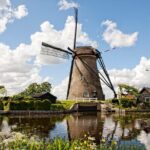
If you only visit Kinderdijk once, you will remember it longer than you expect. The windmills here are famous for a reason: you can feel how much work they did, and still do, in a country where water management and agriculture are basically the whole system. This tour is designed to show you more than the postcard angles.
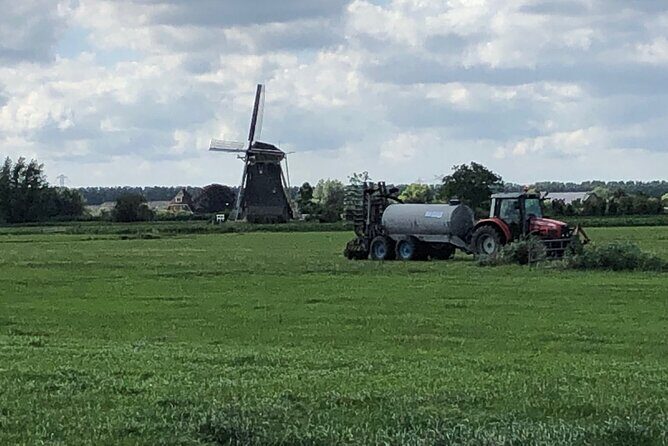
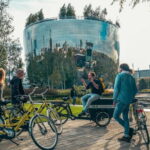
The core of the day is cycling around the Kinderdijk windmill area with views from different sides, not just one loop of the main paths. You get that gradual “there they are again” effect, where each turn opens a new line of sight across canals, fields, and windmill rows. That is why biking works so well here: you move slowly enough to notice details, but steadily enough to cover ground without getting tired of looking.
Then you get the piece that really adds meaning: a visit to an official, authentic Kinderdijk windmill and museum area. Instead of treating the windmills as scenery only, you spend time inside and learn how the mill worked and what the museum explains. One guide-led visit includes time with volunteer caretakers and a demonstration-style look at how the sails are set and the cap is turned, which makes the engineering feel tangible.
And yes, you also get the Dutch parts that make it feel like a real outing, like a break with local pastry and a drink. These short food stops are not filler. They break the ride at the right moment, and they give you a chance to reset your eyes for the next scenic stretch.
You can also read our reviews of more cycling tours in Rotterdam
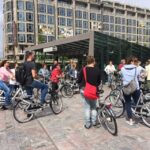
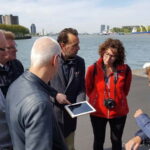
Meeting at Willemskade and riding out by waterbus
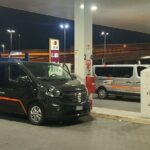
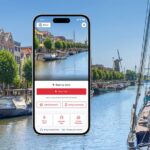
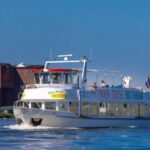
Getting from Rotterdam to Kinderdijk matters because it sets your mood. This tour starts at Watertaxi – Willemskade / Waterbus (53), a spot near public transport. From there, you head toward Kinderdijk by water (waterbus and/or boat, depending on how your day is run).
Most bookings include the return water transport, and the tour description also mentions options like booking transportation from Rotterdam by waterbus. The key practical point: confirm what your package includes when you book. Some setups describe a return ticket add-on (EUR 10 pp) or a broader dayticket (EUR 13 pp) for Rotterdam waterbus lines including Dordrecht. Your voucher details will tell you what you already have covered.
Once you are on the water, you start seeing why this works. You get windmill views from the waterways, and you arrive with the scenery already in your head instead of loading it all at once after you park a bike. In multiple guides’ styles, the boat ride also becomes a warm-up for the history talk, so when you step into Kinderdijk proper, you are not starting cold.
The tour is also described as near public transportation, and the host mentions pickup or meeting at the start point. If you are traveling independently and want your first step to be simple, this is one of the better setups around Rotterdam because it reduces guesswork.
The cycling route: polders, canals, and a surprisingly easy ride
The bike part is where the day turns from “trip” to “experience.” You cycle through the countryside around Kinderdijk, moving along paths that let you see windmills, water, and farmland from many angles. The ride is described as suitable for people with moderate physical fitness, and one of the feedback notes describes the bike path as fairly flat.
In real terms, that means you should plan your effort like a comfortable afternoon ride, not a training session. One detailed review described about 10 miles of biking through farmland and villages after the windmill-focused stops. The private guide can also adjust timing for your group, which matters if you are coming with kids, older family members, or just want more time for photos.
Wildlife spotting is part of the fun here. Expect chances to see swans, ducks, ducklings, rabbits, and even cows when your route lines up with the right stretches near the canals and fields. That sounds random, but it makes the ride feel alive, not staged.
You also cycle through villages and along quieter paths through the polders. Those winding stretches are where the windmills start to feel less like icons and more like neighbors. You are not constantly stopping, but you are also not rushing past everything. The guide uses the ride to explain what you are seeing and then gives you time to look again from a different angle.
Practical note: if your group has strong photo energy, you will want a camera ready and your settings sorted early. The guide often takes pictures for you, and if you want to take your own, keep your battery accessible. The route includes long enough scenic pauses that you will not feel like you are constantly filming through motion.
Coffee, pastry, and cheese: the Dutch breaks that add flavor
A good bike tour is half scenery and half rhythm. Here, the rhythm includes food, and the tour builds that in on purpose. You get a stop with coffee and/or tea and a local pastry. Reviews mention things like latte with cake and apple streusel style pastries. Even if you are not a big dessert person, this break is a smart pacing tool: it keeps the ride from turning into nonstop grinding.
You also get a traditional Dutch drink and local pastry as part of the experience. That matters because it helps you interact with local places instead of just eating something generic near a tourist stop. If you like the idea of trying what a small bakery or café serves, this tour is structured to give you that without adding extra planning on your end.
Then there is the cheese angle. The tour includes a stop at a local biological cheese farm, and the schedule note says this stop is not on Sundays. If you are traveling on a Sunday, plan for the ride to keep moving without that specific farm stop. If cheese is a priority, pick a day when that farm stop is available so you do not miss one of the most “small producer” moments of the day.
Finally, bottled water is not included. That is easy to handle, but worth remembering so you do not end up making a drink decision at the worst possible time. If you are the type who likes to sip constantly on a ride, bring a small bottle before you meet the group.
Inside the windmill and museum: how the working mill is explained
Most visitors see windmills from outside. This tour takes you further. You visit an official Kinderdijk windmill and museum, which is where the day gets educational in a way that does not feel like a lecture.
Inside, you can expect time to learn how the windmill setup functions and why it mattered for grain milling. One detailed account mentions a working flour-milling windmill and time with volunteer caretakers, including climbing inside and getting hands-on explanations about gears and engineering. That kind of inside access is what turns the windmill from an icon into a machine.
You also get a demonstration outside. The description includes how sails are set and how the cap is turned (with assistance). Even if you think you know how windmills work from school diagrams, seeing the motion and the logic in person makes it click. It is one thing to hear a fact; it is another to watch how parts interact.
The museum side helps you connect the mechanics to the bigger story of water, land, and farming in Holland. You are not just checking a box. You are learning why so many windmills were needed and what the system aimed to accomplish.
If you are traveling with kids (or just yourself as a kid at heart), this is also a good moment because volunteer caretakers often answer questions in plain language and show what matters.
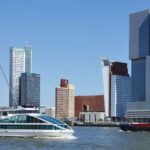
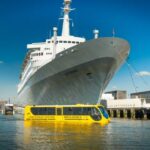
Private guiding with Marco and Marga: where personalization shows up
A private tour is not automatically better, but this one uses that advantage well. The tour is described as private, meaning only your group participates, and your guide can tailor the experience to your time window and interests. In multiple experiences, guides adjust the itinerary so you are not rushed and you still hit the key windmill moments.
Names you might see associated with this tour include Marco and Marga. Their common skill is turning the day into a conversation. Marco is mentioned as someone who communicates well before the trip, knows Kinderdijk as a local, and even takes photos to share later. Marga is described as patient, informative, and also tied closely to cheese-making on a farm, which adds a second layer of local context beyond windmills.
That matters because it changes how you experience the cycling. Instead of following a script, you get the sense that your guide is choosing stops and timing based on your pace. One review specifically praised the guide for modifying the plan and even managing timing so the rider got back in time to catch the correct return ferry or sea transport.
Even the small details can feel personal. Some guides help you get oriented quickly, take photos during scenic pauses, and keep the day calm instead of chaotic. When tours are private, you also tend to get more flexibility if your group moves at different speeds or if you want extra minutes at one spot for pictures.
If you are traveling solo, this private format can also make the day feel safer and more relaxed. You are not stuck merging into a bigger group rhythm.
Price and value for a $239.65 private day
Let’s talk money in a practical way. The price listed is $239.65 per person, for a 3 to 4 hour tour. That sounds like a premium, and it is—so the question is what you get for that spend.
Here is what is included in the tour description:
- Use of bicycle
- Waterbus ticket return including pickup at Rotterdam (with the start at Willemskade)
- Coffee and/or tea
- One drink and local pastry
- Entrances and a private guiding service
- Visit to the windmill and museum area with admission included
So you are paying for more than “bike rental plus sights.” You are paying for transport connection to Kinderdijk, guided context, and entry fees. You also get a built-in food break, which is often where self-guided plans quietly get expensive and messy.
If you compare this to assembling the day on your own—getting tickets, finding the right routes, and timing a windmill museum visit—this tour is a time-saver. You pay more, but you buy simplicity and smoother pacing.
One consideration: bottled water is not included. That is not a deal-breaker, but budget a small extra amount for your own drinks. Also, the cheese farm stop depends on the day of week, so if you are paying specifically to include that farm, choose your date accordingly.
What to bring, plus smart timing for photos and weather
Plan for Dutch weather, even in good seasons. The tour recommends:
- Camera
- Rain clothes
- Sun cap or sunglasses (and some form of sun protection)
That advice is real because wind and light can change fast, and because the cycling includes outdoor time. If you show up without a rain layer, you will feel it on your shoulders and hands.
Also think about how you like to ride. The tour is described as moderate fitness, and the route is described as fairly flat in at least one detailed account. Still, bring comfortable shoes and be ready for a few stretches that feel like a normal bike ride, not a leisurely stroll.
For photos, bring a plan. You will hit windmill viewing points repeatedly, but you will also pass canals and farmland details that are worth a shot. If your guide is taking photos and you want your own shots too, consider switching between the two so you are not juggling settings at the wrong moment.
Finally, keep one eye on the end of your day. The tour ends at Kinderdijk. If your return transport involves catching the right ferry, make sure you stay aware when the guide is timing the ride back. Private guiding helps, but you still want your brain on.
Should you book the Kinderdijk Bike Tour?
Book it if you want windmills plus context, and you do not want to manage logistics all day. This is a good choice for people who like:
- UNESCO sites with real meaning, not just a quick stop
- cycling through the polders at a calm pace
- guided explanations inside a working windmill and museum area
- a local break with pastry and a drink
- personal attention from a guide, especially if you want a tailored pace
Skip or reconsider if you dislike riding in changing weather or if your schedule cannot flex for weather-dependent operations. Since the tour needs good weather, build in a backup plan day.
FAQ
How long is the Kinderdijk Bike Tour?
It is about 3 to 4 hours total, with about 3 hours noted for the experience with admission included.
Is this tour private?
Yes. This is a private tour/activity, so only your group participates.
What does the tour include?
The tour includes bicycle use, entrances, private guiding service, and coffee/tea plus one drink and local pastry. It also includes the return water transport with pickup at Rotterdam.
Do I need good weather?
Yes. The experience requires good weather. If it is canceled due to poor weather, you will be offered another date or a full refund.
Where do we meet, and where does it end?
You meet at Watertaxi – Willemskade / Waterbus (53) in Rotterdam. The tour ends in Kinderdijk.
Is transportation from Rotterdam included?
The tour description indicates the waterbus return with pickup at Rotterdam is included. There are also waterbus options described as return ticket and dayticket pricing, so confirm what your booking includes.
Are there discounts for children?
Yes. Children 4–12 have a reduced cost, with details provided by the operator.