REVIEW · ROTTERDAM
Rotterdam: Art and Architecture Highlights Walking Tour
Book on GetYourGuide →Operated by Walk Rotterdam · Bookable on GetYourGuide
Rotterdam looks different with a guide. This 2.5-hour walk gives you a smart visual route through the city’s modern landmarks, starting at Rotterdam Centraal and ending at the Markthal, with an expert eye that turns buildings into a story you can actually follow. I especially liked how a guide like Diana can make Rotterdam’s post-bomb planning feel practical, not academic.
I also like that the tour mixes hard architecture with human creativity. You’ll spend real time on the open-air art collection and the street-art energy around Witte de Wit, so you don’t just “see” art—you learn how to look at it. One consideration: this walking tour isn’t suitable for visually impaired or hearing-impaired guests, so check your needs first.
In This Review
- Key highlights worth circling on your map
- Rotterdam Centraal: start where the city’s story begins
- Calypso building, Theater Square, and the post-bomb art thread
- The Museum Quarter: Kunsthal, New Institute, and Boijmans Depot
- Witte de With: the artsy street where your eyes learn a new habit
- Cube Houses and Markthal: architecture that feels like a place to live
- Price and what $65 buys you in real value
- What to wear and plan for during a rain-or-shine walk
- Who this tour suits best (and who should skip it)
- Should you book this Rotterdam Art and Architecture Highlights walking tour?
- FAQ
- Where does the tour start?
- How long is the Rotterdam art and architecture walking tour?
- What is the price?
- Is the tour in English?
- Is the tour wheelchair accessible?
- Is the tour indoors or outdoors?
- What’s included in the tour price?
- Are entry tickets included?
- What should I know about cancellation?
Key highlights worth circling on your map
- Rotterdam Centraal start under the station clock: easy to find, and the perfect launch pad for the city’s rebuild story
- Calypso building and Theater Square: a quick hit of iconic spots tied into the larger planning picture
- Museum Quarter stops at the Kunsthal and the New Institute: great variety without spending hours in transit
- Boijmans Depot, the world’s first accessible museum depot: a modern museum idea you can see in action
- Cube Houses plus Markthal to finish: architecture that’s also a place you can linger and enjoy
Rotterdam Centraal: start where the city’s story begins
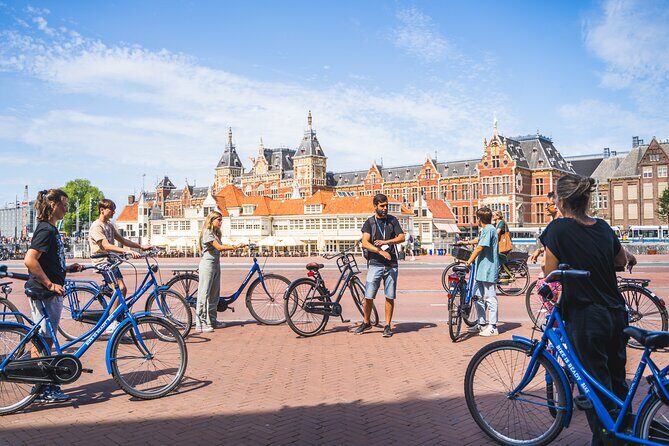
You meet by Rotterdam Centraal, next to the main entrance, under the station’s clock. That matters more than you’d think. Starting at the main hub gives you orientation fast, and it keeps the whole tour from feeling like a random checklist of landmarks.
This tour is built around the idea that Rotterdam is a city of choices. You’re walking through a modern sequence of buildings and public spaces, and the guide helps connect them so they don’t blur together. Instead of treating architecture like trivia, the tour turns it into planning you can read: what the city built, what it prioritized, and how the artwork in public space fits into the same narrative.
If you want a first-feeling of Rotterdam in a short window, this is a strong format. It’s also a good option when you’re tired of “big museum days” and want something outdoors that still feels structured.
You can also read our reviews of more walking tours in Rotterdam
Calypso building, Theater Square, and the post-bomb art thread
After you’re oriented near the station, the walk follows a line of major architectural moments—keeping the story moving. You’ll pass by the Calypso building and head toward Theater Square, which helps you understand how Rotterdam places culture right in the public flow of everyday life.
What I find smart here is the way the tour repeatedly brings art back into the conversation. Along the route, you’ll encounter a series of public works dedicated to the drama of the bombarded city. It’s not just a sombre detour; it’s the backbone for how Rotterdam is explained on this tour. The guide’s job is to help you see the connections—between rebuilding, design decisions, and why art appears in the open rather than staying behind museum walls.
This part of the route is where you’ll start to notice patterns. You’ll likely stop thinking of Rotterdam as only modern-and-sleek. You start seeing it as modern-and-directed—shaped by history, then expressed through architecture and public art.
The Museum Quarter: Kunsthal, New Institute, and Boijmans Depot
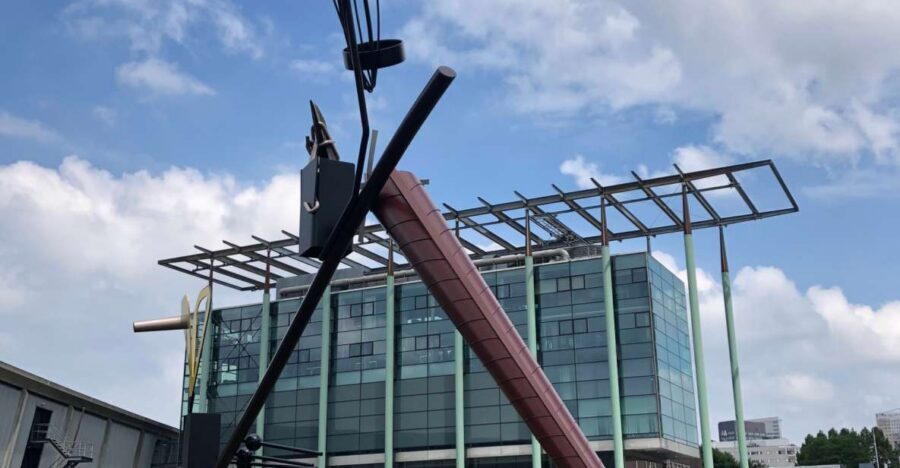
Next up is the Museum Quarter, where the tour lays out a practical range of cultural architecture. You’ll visit the Kunsthal and the New Institute, and then the rising icon: the Boijmans Depot.
That Boijmans stop is a big deal on paper: it’s described as the first accessible museum depot in the world. In plain terms, it means you’re seeing a new kind of museum concept—one where storage and behind-the-scenes museum life isn’t hidden away completely. Even if you don’t go inside for a formal exhibition, it helps you understand Rotterdam’s approach: modern institutions don’t only display art. They show how art is cared for, too.
This section is also valuable because it keeps your perspective wide. Kunsthal and the New Institute represent established cultural architecture, while the Boijmans Depot represents the next wave. Together, they give you an easy mental timeline without needing ticketed entry to every site.
A note on pacing: this is still a walking tour, so you’ll want to keep moving between stops. But since the cultural context is woven into each one, the walking doesn’t feel like empty time.
Witte de With: the artsy street where your eyes learn a new habit
Then the tour shifts into street-level creativity on Witte de Wit—described as the young, avant-garde street of Rotterdam. This is the part where the city’s art stops feeling like “a thing you view” and starts looking like “a thing you live around.”
The route includes open-air art and a fresh mix of street art. You’ll also see references to major artists—Henry Moore, Picasso, and Van Lieshout—along with Roden. The guide’s role is to connect the artist names to what you’re actually seeing in public space, which helps your brain file the experience correctly instead of letting it dissolve into random visuals.
My practical advice for this stop: don’t just look straight ahead. Rotterdam’s open-air art often rewards a slow scan—down the street, up on facades, and across walls where details sit like conversation pieces. If you rush, you’ll miss the point of why this is included.
Also, because it’s an artsy street, the vibe can change block by block. You’ll get better results if you treat it like an outdoor gallery: pause when the guide points something out, then take 10 seconds for your own look.
Cube Houses and Markthal: architecture that feels like a place to live
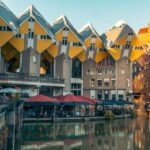
The tour continues to the futuristic Cube Houses complex. This is one of those stops where the architecture is the attraction—and the guide helps you understand why. You’re seeing a design idea made physical, not just a photo-op. After the earlier museum and art stops, the Cube Houses also act like a palate cleanser: bold form, fast impressions, and a strong sense of what the city is willing to try.
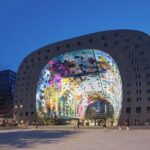
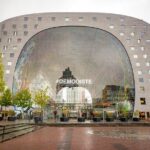
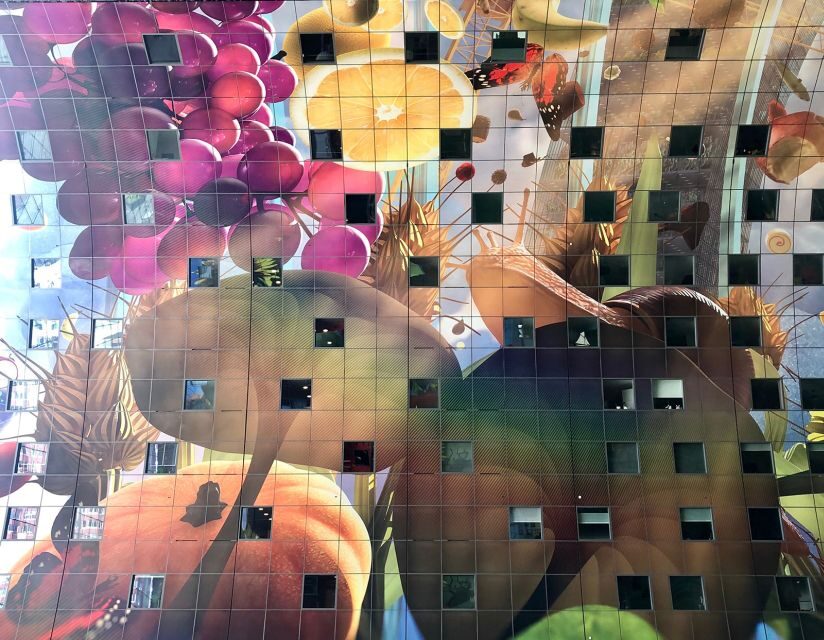
From there, you end in the Markthal, where architecture and art combine in a spectacular way. The key thing here is how Rotterdam uses a major public space as an art stage. Even if you’re not shopping or eating at that moment, the experience is about the way design makes the space feel alive and intentional.
This ending works well because it gives you a natural “last image” to carry home. You finish at a place that’s built for real life—movement, browsing, and lingering—which makes the tour’s themes land better than a final stop that’s just a viewpoint.





Price and what $65 buys you in real value
The price is $65 per person for about 2.5 hours with a live English-speaking guide. Entry tickets are not included, and food, drinks, and transportation aren’t part of the package either. So what you’re really paying for is guidance and interpretation: you’re buying someone’s ability to connect the dots between architecture and public art.
Is it good value? For many first-time visitors, yes—because Rotterdam can feel visual but hard to decode on your own. This tour doesn’t just point at famous buildings. It explains why they matter in a rebuild city, then ties in the open-air art collection so you leave with a clearer mental map.
Where you should be a little careful is expectations around inside-visits. Since entry tickets aren’t included, plan this as an outdoor and viewpoint-heavy experience. If you want museum entry beyond what’s visible from outside, budget separately.
Also, the group is described as wheelchair accessible and a private group option exists. That can affect how you experience the pace and attention you get, but the core value—guided context—stays the same.
What to wear and plan for during a rain-or-shine walk
This tour runs rain or shine, so your outfit matters. Bring comfortable shoes first. This is a walking-focused route, and the comfort gap between good shoes and bad shoes is huge.
Dress for the weather you’ll actually face that day. Rotterdam’s coastal conditions can change your plans fast, so pack a layer you can handle. If you’re sensitive to wet weather, a light rain shell helps more than an umbrella that keeps flipping inside the crowd.
Also note the practical rules: oversize luggage isn’t allowed, and unaccompanied minors aren’t allowed. Keep your bag small enough to handle easily in crowded public areas.
Who this tour suits best (and who should skip it)
This is a smart fit if you want:
- A fast, guided overview of major architecture icons in Rotterdam
- A way to connect post-bomb rebuilding themes to what you see today
- A mix of museum-quarter culture, street art, and standout architectural shapes
It’s also a good choice if you like learning how artists and architects share the same public stage.
But don’t pick this if you need accommodations for visual impairment or hearing impairment—the tour is not suitable for those needs based on the activity rules provided.
Should you book this Rotterdam Art and Architecture Highlights walking tour?
If your goal is to get your bearings quickly and learn how to look at Rotterdam with better eyes, I’d book it. Starting at Rotterdam Centraal, following a sequence of iconic buildings, and then ending in the Markthal gives you a clean narrative arc in just 2.5 hours.
I’d skip it if you’re hoping for a mostly-ticketed museum day or if you need a route designed for visual or hearing accessibility. Since entry tickets aren’t included and the format is firmly walking-based, choose accordingly.
My best advice: if you’re visiting Rotterdam for the first time and you want architecture plus open-air art to feel connected, this tour is a solid use of your time—and the $65 price feels like it’s going toward explanation, not just sightseeing.
FAQ
Where does the tour start?
The meeting point is by Central Station Rotterdam, next to the main entrance, under the station’s clock.
How long is the Rotterdam art and architecture walking tour?
It lasts about 2.5 hours.
What is the price?
The price is $65 per person.
Is the tour in English?
Yes, the live tour guide is available in English.
Is the tour wheelchair accessible?
Yes, the tour is wheelchair accessible.
Is the tour indoors or outdoors?
It is a walking tour that takes place outdoors, and it runs rain or shine.
What’s included in the tour price?
A live tour guide is included.
Are entry tickets included?
No, entry tickets are not included.
What should I know about cancellation?
Free cancellation is offered if you cancel up to 24 hours in advance for a full refund.