REVIEW · AMSTERDAM
Amsterdam: High Wine at wine bar Paskamer, 3-rounds
Book on GetYourGuide →Operated by Paskamer · Bookable on GetYourGuide
Great wine, zero guesswork.
A Paskamer High Wine turns your time in Amsterdam into a focused tasting lesson, with three rounds of wine and matching bites explained by WSET-style sommeliers. It’s in De Pijp, one of the city’s most relaxed areas for food and drink, and the format keeps you moving through flavors without feeling stuck.
What I like most is how the pairing stays practical: each glass comes with a bite made to match it, so you’re not just drinking. I also like that the staff are trained sommeliers, so you get the why behind each choice, not just what you’re having.
The main thing to consider: this is not a full dinner. Portions are small, so if you want a meal, plan to add food after or consider an extra round for more wine and bites.
In This Review
- Key points to know before you go
- Paskamer High Wine: a simple format that feels like a mini class
- De Pijp in Amsterdam: why this neighbourhood pairs well with wine
- Three rounds, three pairings: what happens during the tasting
- What about the food portion?
- Want more wine?
- The sommeliers: where the value really shows up
- Price and value: is $43 fair for Amsterdam wine + pairing?
- Timing: make the session feel unhurried
- Dietary wishes and what you should tell them upfront
- Who this suits best in Amsterdam (and who should skip it)
- Practical tips to get the best tasting experience
- Should you book Paskamer High Wine?
- FAQ
- How long is the Paskamer High Wine experience?
- Where does the experience start?
- What’s included in the ticket price?
- How many rounds are there?
- Can I add more wine and bites?
- Is this a full dinner?
- What dietary options are available?
- What languages are used during the experience?
- Is it accessible and who is it not suitable for?
Key points to know before you go
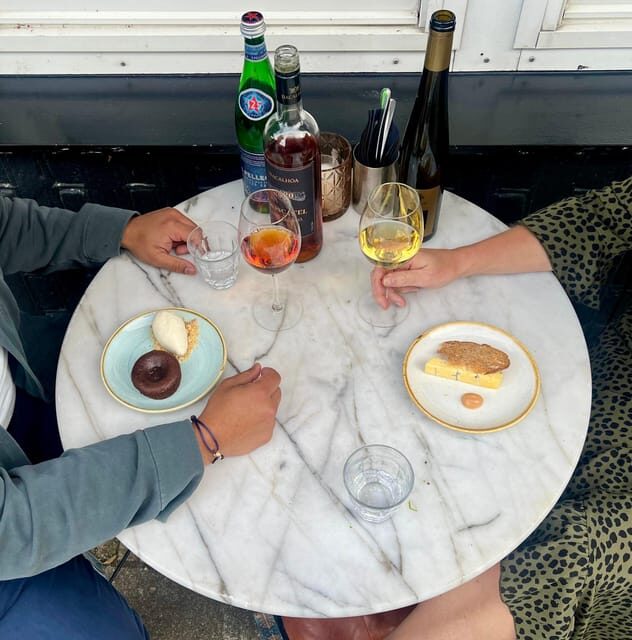
- Three structured rounds of wine and matching small bites make it easy to pace yourself
- WSET-certified sommelier guidance helps you understand the pairing choices as you taste
- De Pijp location gives you a real neighbourhood setting for a mid-evening treat
- Wine bar recognized as Wine Bar of the Year in 2022 in the Netherlands for strong beverage culture
- Optional extra round lets you turn the tasting into more of an evening
- Dietary requests are possible with advance notice, but you should tell them early
Paskamer High Wine: a simple format that feels like a mini class
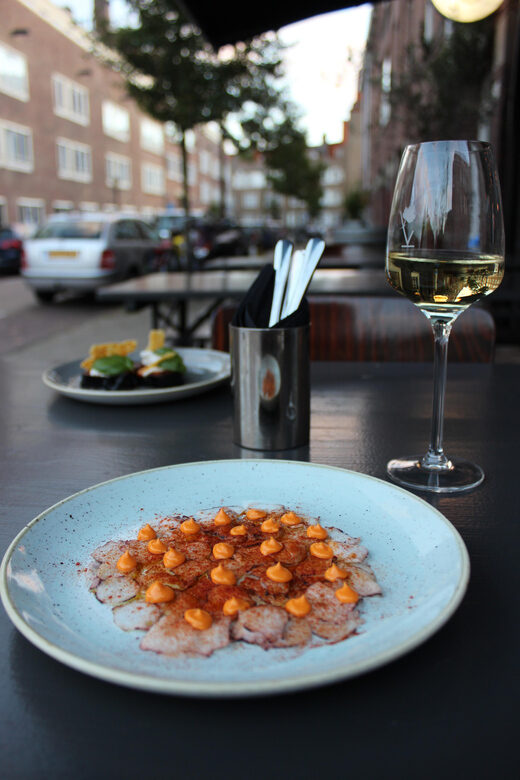
If you like wine but don’t want a lecture that turns into homework, this is a smart way to spend your time. The High Wine format is built around three tasting rounds, with a glass of quality wine paired with a small bite. It’s short, organized, and designed to be understandable even if you’re new to the grape world.
The “lesson” part matters. A good tasting can turn into random sipping if there’s no structure. Here, the pairing order and sommelier explanations give your palate a roadmap, so you can actually tell what changed from round to round.
You can also read our reviews of more wine tours in Amsterdam

De Pijp in Amsterdam: why this neighbourhood pairs well with wine
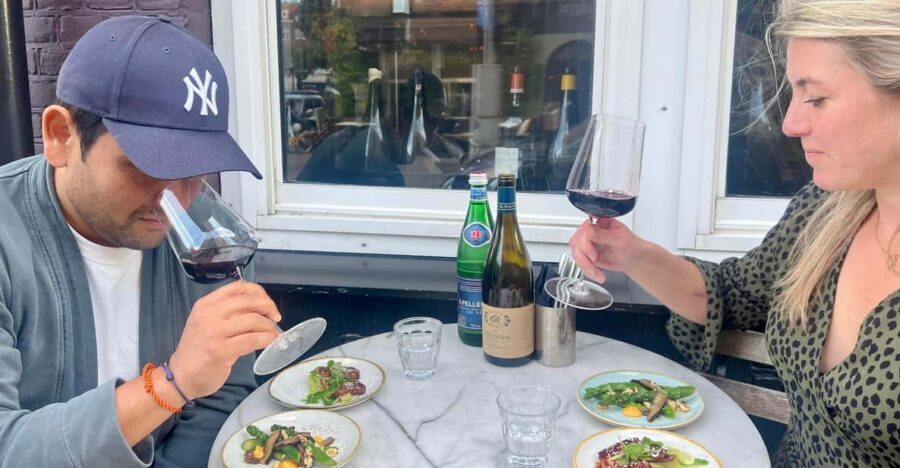
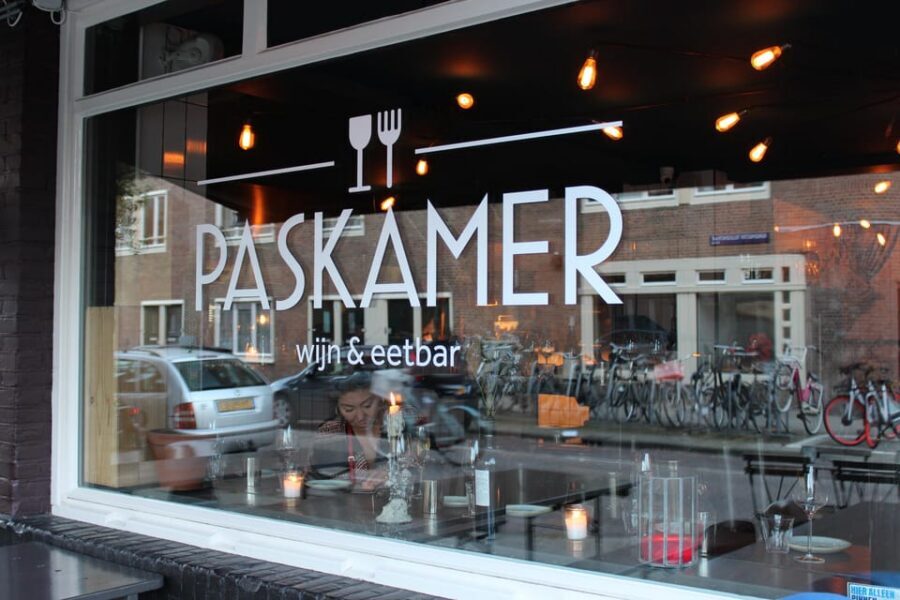
Paskamer is in De Pijp, a lively part of Amsterdam where food culture is a big deal and the vibe feels local rather than museum-quiet. That matters because a High Wine works best when you can relax between rounds. You’re not sprinting across town or competing with loud club energy.
Also, De Pijp is a handy base. After two hours, you’ll usually still be within easy reach of dinner and other bars if you want to extend the night. If your goal is to keep things flexible, this location helps.
One caution: because it’s a wine-focused venue, don’t plan this as a “quick stop between major sights.” It’s a tasting experience, and you’ll get more from it if you give it your full attention for the whole session.
Three rounds, three pairings: what happens during the tasting
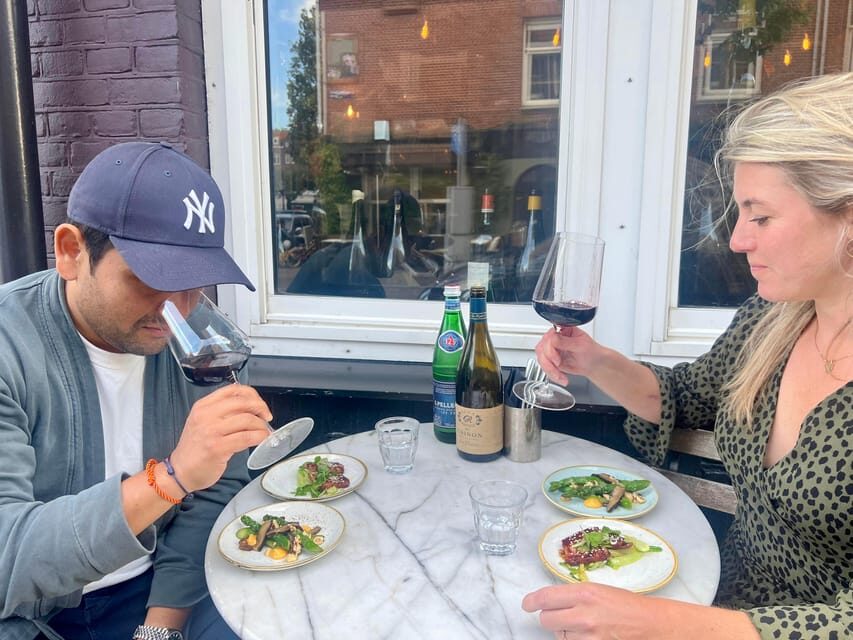
Your time is built as a progression. Each round brings:
- one glass of wine
- one small bite meant to match it
- explanation from the sommelier on why the pairing works
That might sound simple, but it’s the point. Instead of getting a full plate of food that overwhelms the wine, you get bites that support tasting. You’ll notice how taste changes when acidity meets a bite, or when fat or spice shifts how the wine reads on your tongue.
Round style matters for newcomers. If you don’t know what to look for, you’ll still be able to follow along because the experience is guided. You’re basically being taught how to compare: what you like, what you notice, and how the bite affects your perception of the wine.
What about the food portion?
The bites are intentionally small. The experience is meant to complement wine, not replace a full dinner. If you arrive hungry, you’ll likely enjoy the bites, but you may still want a proper meal afterward—especially if you tend to eat big at night.
Want more wine?
There’s an option to add an extra round for a supplement of EUR 11 per person. If you find yourself thinking, I’d happily keep going, that add-on is the cleanest way to extend without turning the evening into a guessing game.
You can also read our reviews of more drinking tours in Amsterdam






The sommeliers: where the value really shows up
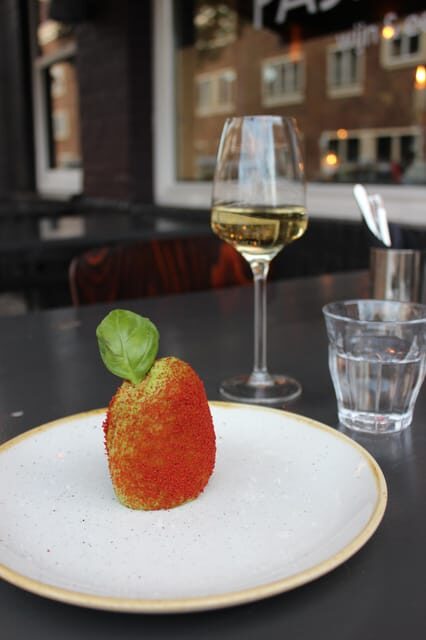
This isn’t just a tasting where someone reads a menu. It’s guided by sommeliers, and the experience is framed around teaching you why those wines and bites were matched. If you’ve ever done tastings where you leave knowing what you drank but not how to repeat it, you’ll appreciate this structure.
Even if you’re not chasing certifications or wine jargon, the explanations help you taste more intentionally. You learn how to connect:
- the wine style
- the bite flavor
- and the pairing logic
That’s the difference between entertainment and learning. The pairing becomes memorable because it gives you a mental hook: next time you see a similar style, you’ll have a better idea of what it might work with.
Also worth noting: the experience is offered in Dutch and English, so you can follow along comfortably.
Price and value: is $43 fair for Amsterdam wine + pairing?
At $43 per person, you’re paying for three wines, three matching bites, and guided sommelier interpretation over about two hours. The value here isn’t only the alcohol or the food—it’s the pairing work and explanation you wouldn’t get if you just ordered random glasses.
Here’s how I’d think about value in plain terms:
- If you want a simple night out with wine: this gives you structure and quality without planning.
- If you like learning: the guided pairing turns the experience into something you can use again later.
- If you want a big dinner: this isn’t designed for that, so you’ll likely spend extra afterward (or you’ll add that extra round).
And that optional extra round is part of the pricing logic. You can keep the base experience lighter, then scale up if you’re enjoying it. It’s a reasonable way to match your appetite and your wine mood.
Timing: make the session feel unhurried
The experience runs about 2 hours, and you’re asked to reserve around 90 minutes for the High Wine part. That tells you something important: it’s not meant to be rushed, and the ordering pace depends on pairing explanations between rounds.
If you’re trying to fit this between tight museum tickets, you may end up skipping parts of the explanation or feeling rushed. Better move: plan it as a main event. Then you can add dinner after, at a relaxed pace.
Also, since it’s private-group friendly, it can feel more comfortable if you’re not looking to compete with a loud crowd for attention. (You’ll still want to show up on time so the sommelier flow doesn’t get disrupted.)
Dietary wishes and what you should tell them upfront
You can request diet accommodations, but you’ll need to do it in advance. The key line to remember is that with prior notice, they can adjust.
So if you’re vegetarian, avoiding certain ingredients, or have a specific limitation, tell them when you book. Don’t wait and hope it works out on the spot. A pairing experience lives or dies on matching flavors, and that takes planning.
If you have dietary restrictions and you don’t have time to message ahead, consider whether you can confidently handle standard bites. This is one of those experiences where advance communication is part of getting a good result.
Who this suits best in Amsterdam (and who should skip it)
This High Wine experience is best for adults who want:
- quality wine in a guided format
- pairing structure with small bites
- a comfortable, neighbourhood setting in De Pijp
- an evening that’s educational without being stiff
It may not be ideal for:
- anyone who expects a full meal (the portions are small)
- families with kids, because it’s not suitable for children under 18
- pregnant women, since it’s noted as not suitable
If you’re celebrating something or just want a more meaningful evening than a bar hop, the three-round pacing can be a great fit.
And if you’re the type who likes to understand what you’re tasting, you’ll get more from the experience because the sommelier guidance is part of the package.
Practical tips to get the best tasting experience
A few small choices can make a big difference:
- Go in hungry for bites, not a feast. The High Wine is built around small portions.
- If you think you might want more, plan for the optional extra round. The add-on is designed for people who want to stretch the evening.
- If you have any dietary needs, communicate them before arrival so the pairings can actually match what you can eat.
- Wear something comfortable and stay ready to slow down. This is about tasting and listening between rounds.
Also, keep in mind the language option. If your Dutch is basic, you can still follow along in English, which helps a lot with the pairing explanations.
Should you book Paskamer High Wine?
Book it if you want a structured, guided Amsterdam wine evening where the food and wine pairing is the whole point. The combination of three rounds, WSET-certified sommelier guidance, and a De Pijp setting makes it a strong value if you enjoy tasting with an explanation.
Skip it if you’re looking for a full dinner experience or you’re traveling with kids under 18, or if the experience is not suitable for your situation. Also, if you prefer alcohol-free evenings, this one is clearly centered on wine.
If you’re on the fence, my simple decision rule is this: if you’d enjoy two hours of thoughtful wine and small bites, you’ll likely have a great time. If you want your evening to be all food, make a meal plan elsewhere and treat this as a start or a light add-on instead.
FAQ
How long is the Paskamer High Wine experience?
It lasts about 2 hours, with you reserving around 90 minutes for the High Wine tasting.
Where does the experience start?
It starts at Wijnbar Paskamer in Amsterdam’s De Pijp neighbourhood.
What’s included in the ticket price?
You get 3 quality wines, 3 matching bites, and guidance from a certified sommelier.
How many rounds are there?
The High Wine includes three rounds.
Can I add more wine and bites?
Yes. You can add an extra round for a supplement of EUR 11 per person, which includes 1 additional wine and a bite.
Is this a full dinner?
No. The portions are small and are not meant to replace a complete dinner.
What dietary options are available?
With prior notice, they can adjust for dietary wishes. You should inform them when booking.
What languages are used during the experience?
The experience is guided in Dutch and English.
Is it accessible and who is it not suitable for?
It is wheelchair accessible. It is not suitable for pregnant women or children under 18.