REVIEW · AMSTERDAM
Amsterdam: German Guided Canal Cruise with on Board Bar
Book on GetYourGuide →Operated by Starboard Boats · Bookable on GetYourGuide
Canals, stories, and a quieter boat ride. This one-hour cruise gives you Amsterdam’s landmarks from the water with a German-speaking guide and a fully electric boat. The only real drawback to weigh: it’s not suitable for wheelchair users, and during busy times canal traffic can cause slight departure delays.
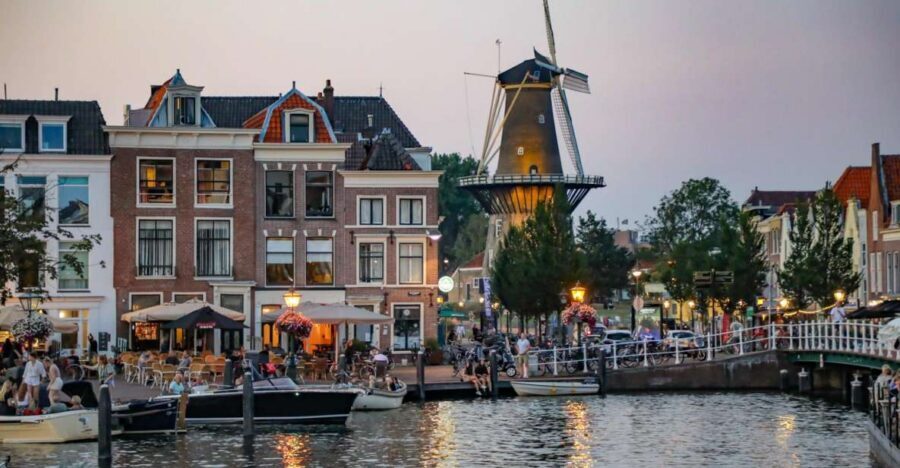
You’ll meet at Starboard Dock right on the Amstel near Rembrandtplein (about a 4-minute walk from Waterlooplein metro, or tram 14/4 to Rembrandtplein). Once you’re checked in, you cruise past some of the city’s most famous canal sights and churches—plus the kind of small details you normally miss when you’re just walking.
There’s also an onboard bar (drinks available for purchase). It’s the sort of tour where you can ask questions—especially because the boat is kept to a manageable size.
In This Review
- Key Things to Know Before You Go
- Starting at Starboard Dock: Easy Access, Clear Check-In
- Electric Boat Comfort: Hearing the Guide Without the Noise
- The First Stretch: Dancing Houses to Oude Kerk Views
- Dancing Houses: A Facade That Looks Like Motion
- Zuiderkerk: A Big Church Presence From the Water
- Munttoren: A Tower Moment
- Oude Kerk: Amsterdam’s Oldest Church
- Continuing Past Nicholas, Maritime Museum, and Montelbaanstoren
- Basilica of Saint Nicholas
- Het Scheepvaartmuseum: Maritime at Sea-Watching Distance
- Montelbaanstoren: Castle-Like Tower Energy
- Rembrandt Area to the Canal Rings: Herengracht and Prinsengracht
- Museum Rembrandthuis
- Herengracht: A Grand Canal Front
- Seven Bridges View Point: Where You Slow Down for Photos
- Stadsherstel, Prinsengracht, and the Magere Brug Moment
- Stadsherstel Amsterdam
- Prinsengracht: Another Big Canal Identity
- Magere Brug: The Bridge You’ll Want to Time
- Onboard Bar and Guide Q&A: Make the Ride Feel Like a Plan
- Price and Value: When $25 Feels Like a Smart Trade
- Practical Tips: Weather, Time, and What to Expect From an Hour
- Should You Book This German Electric Canal Cruise?
Key Things to Know Before You Go
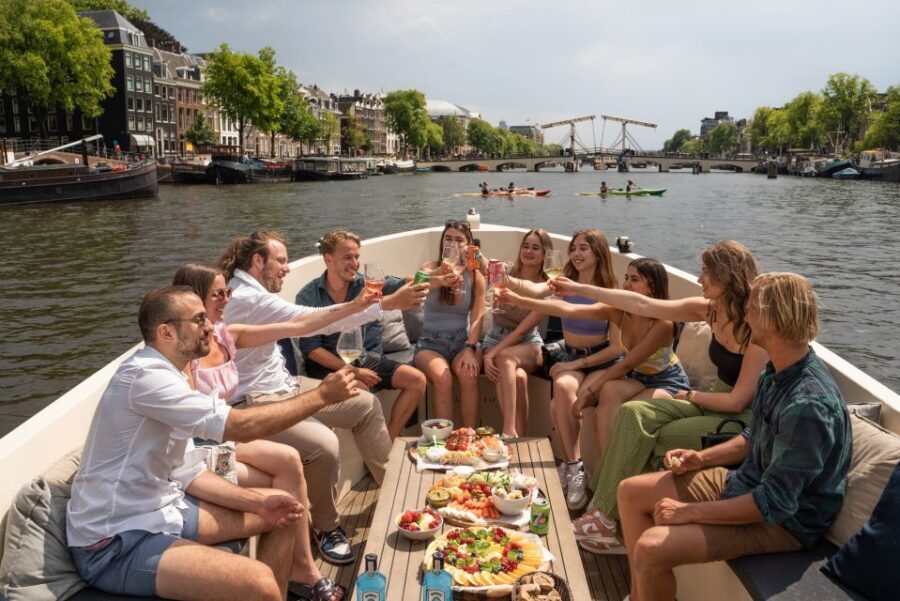
- German live commentary on a 60-minute route, focused on what you’re seeing and why it matters
- Fully electric motors for a quieter ride that’s easier to hear and more comfortable in the moments between sights
- Photo-friendly bridge timing, including the Seven Bridges viewpoint and the Magere Brug area
- A real landmark mix, from the Oude Kerk (Amsterdam’s oldest church) to major canal fronts like Herengracht and Prinsengracht
- Small-boat feel that lets you interact with the guide rather than just sitting and zoning out
- Onboard bar for purchased drinks, so you can make the ride feel more like a relaxed evening plan
Starting at Starboard Dock: Easy Access, Clear Check-In
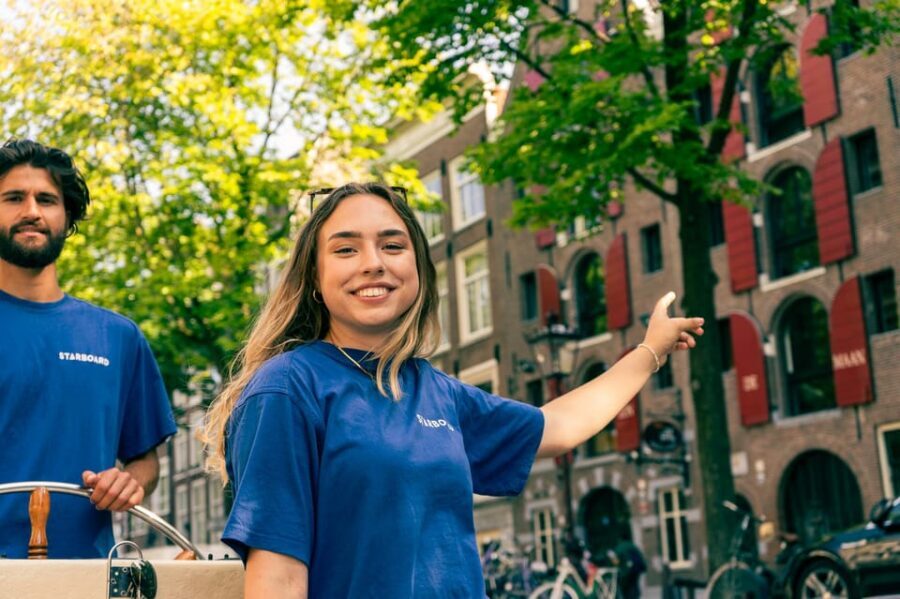
The cruise starts at Starboard Dock on the Amstel, close to Rembrandtplein. Getting there is simple: you can walk from Waterlooplein metro (about 4 minutes) or take tram lines 14 and 4 to Rembrandtplein, then follow signs to the dock area. When you arrive, look for staff in blue shirts with Starboard on them. Boarding is scheduled, so it helps to be early—plan on arriving about 15 minutes before departure.
What I like about this setup is that it reduces stress. You’re not hunting for a hidden pier in a maze of canals. You’re also not racing a long transfer from a far-away starting point. For a one-hour activity, that matters.
One practical note: you’ll want weather-appropriate clothing. The cruise is short, but Amsterdam weather loves to change its mind fast. A light layer and something to handle wind or mist will keep you comfortable.
You can also read our reviews of more boat tours in Amsterdam
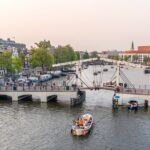

Electric Boat Comfort: Hearing the Guide Without the Noise

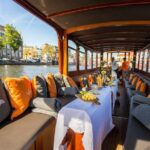
This is a fully electric canal boat, and that changes the experience in subtle but important ways. First, it’s quiet, which means you catch more of the guide’s explanations instead of playing audio catch-up. Second, the ride feels smoother when you glide past buildings and bridges close to the water.
You may be on an open or closed boat depending on operations. That choice mostly affects how exposed you’ll be to wind or drizzle. Either way, the core promise stays the same: this is designed for a relaxed cruise where the city feels close.
Because the boat is kept to a manageable size, you also get something you don’t always get on sightseeing boats: real interaction. You can ask questions instead of waiting until the end when everyone is already shifting toward the exit.
The First Stretch: Dancing Houses to Oude Kerk Views
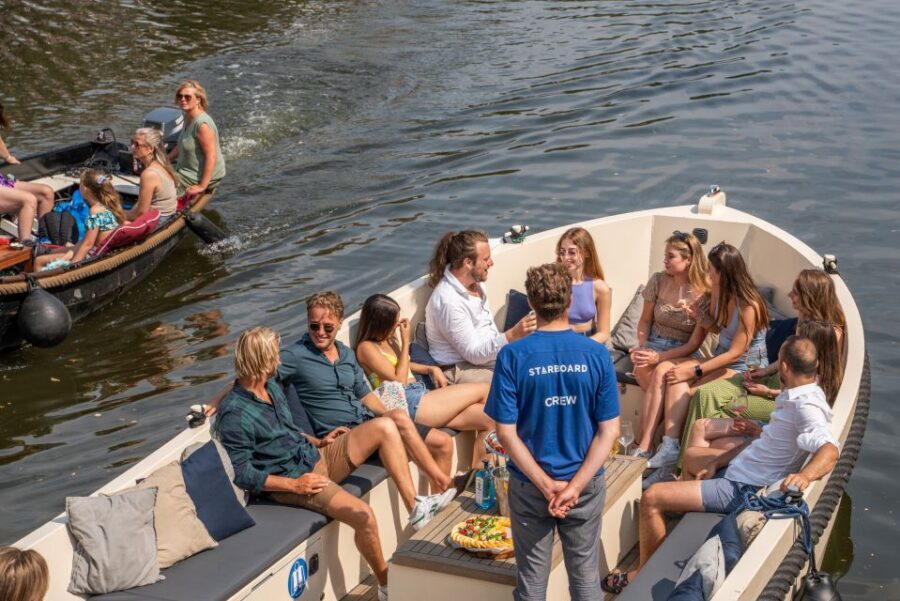
Right after departure, you start building context fast. The guide doesn’t just point out famous buildings; they connect them to the city’s character: trade, maritime influence, and the way Amsterdam grew around water.
Dancing Houses: A Facade That Looks Like Motion
You’ll pass the Dancing Houses, with a quick cruise segment that’s short but memorable. These buildings are the kind of Amsterdam oddness that makes you stop and stare from the water. It’s a good early stop because it sets the tone: the city is more playful and complicated than a simple postcard view.
Zuiderkerk: A Big Church Presence From the Water
Next up is the Zuiderkerk. From the canal, church architecture reads differently—less like a standalone monument and more like a landmark that helps structure the entire neighborhood. Even in a quick pass, you’ll get a sense of how visible religious buildings were in the early city.
You can also read our reviews of more guided tours in Amsterdam

Munttoren: A Tower Moment
You’ll also glide by Munttoren. Towers in Amsterdam tend to act like navigation markers in the skyline. Watching it from water is helpful because you’re seeing how it aligns with bridges and canal edges, not just how it looks from a street viewpoint.
Oude Kerk: Amsterdam’s Oldest Church
Then comes a major highlight: the Oude Kerk. The boat route gives you time to clock it properly, including the fact that it’s Amsterdam’s oldest church. This is where the guide’s storytelling really earns its ticket price. If you’re the type who likes a reason behind what you’re seeing—rather than a list of names—you’ll probably enjoy how the guide ties buildings to the city’s history.
Tip for you: if you’re taking photos, aim for a steadier shot while the boat slows slightly near these bigger landmark fronts. This is where the water angle looks most dramatic.
Continuing Past Nicholas, Maritime Museum, and Montelbaanstoren
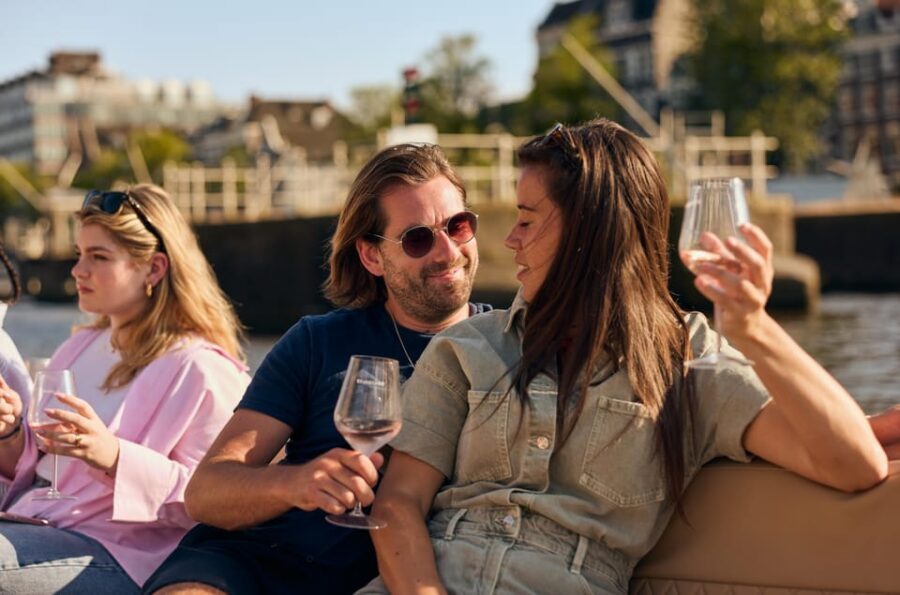
After the church cluster, the cruise keeps rotating through Amsterdam’s identity: religion, trade, and the city’s longstanding connection to the sea.
Basilica of Saint Nicholas
You’ll pass the Basilica of Saint Nicholas. From the water, religious architecture often feels more monumental because you’re seeing it framed by bridges and canal edges. It’s not just a “look here” moment; it’s part of the run of landmarks that make the city feel layered.
Het Scheepvaartmuseum: Maritime at Sea-Watching Distance
Next is Het Scheepvaartmuseum. Even without walking in, the pass helps you understand Amsterdam’s maritime tradition—something your German guide explains as part of the tour’s larger theme. If you’re curious about how a seafaring mindset shaped the city, this is one of the key waypoints.
Montelbaanstoren: Castle-Like Tower Energy
You’ll then glide past Montelbaanstoren. Again, towers matter here because canals create their own “viewsheds.” From the water, you’ll feel how the city’s vertical accents break up long stretches of canal frontage.
If you like when your guide explains why buildings are where they are (and what that meant historically), this middle portion is usually the most satisfying. You’re not just watching scenery—you’re getting the story behind it.
Rembrandt Area to the Canal Rings: Herengracht and Prinsengracht
The cruise route swings back into the canal-ring feeling, where you start seeing how Amsterdam’s street-level life is mirrored by the water.
Museum Rembrandthuis
You’ll pass by museum Rembrandthuis for a shorter moment. Even if you don’t plan to visit the museum later, this stop helps connect the canal experience to a specific creative figure. It’s one of the ways the route keeps variety in a short time.
Herengracht: A Grand Canal Front
Then you’ll cruise along Herengracht. This canal is a reminder that Amsterdam’s wealth and power also lived on the water. You’ll get the canal-house perspective—especially because one of the tour themes is learning why the famous canal houses are often leaning. (Your guide’s explanation is part of the value here; it turns a “weird building” into a story you remember.)
Seven Bridges View Point: Where You Slow Down for Photos
The boat reaches the Seven Bridges View Point area. This is one of the places where the route makes its photo promise feel real. From the water, bridges stack visually in a way you don’t always get on land. If you want clean shots, this is your cue to get your camera ready early and stay patient.
Stadsherstel, Prinsengracht, and the Magere Brug Moment
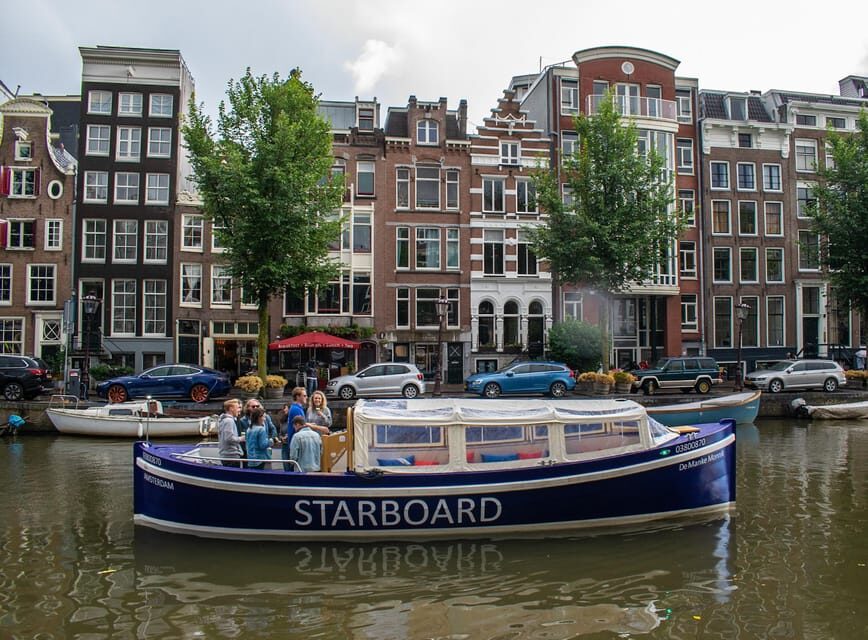
Later in the ride, you’re basically building toward Amsterdam’s most romantic visual beats.
Stadsherstel Amsterdam
You’ll pass Stadsherstel Amsterdam. This reads like a smaller, more local stop, but it matters because it reinforces that Amsterdam’s canal story isn’t frozen in the past. You’re seeing a city that still manages heritage in real time.
Prinsengracht: Another Big Canal Identity
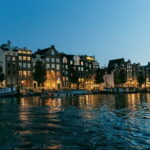
Next is Prinsengracht. If Herengracht is about grandeur, Prinsengracht carries its own classic canal vibe. From the water, you’ll notice how canal fronts create a repeating pattern of windows, steps, and house edges—so even quick glides feel meaningful.
Magere Brug: The Bridge You’ll Want to Time
Finally, you’ll cruise near Magere Brug—one of Amsterdam’s standout photo locations. The guide’s narration helps here too: this is where you’re not just seeing a bridge, you’re seeing why this city is famous for images like it. The boat ride gives you a steady viewpoint long enough to enjoy it rather than rushing past.
Onboard Bar and Guide Q&A: Make the Ride Feel Like a Plan
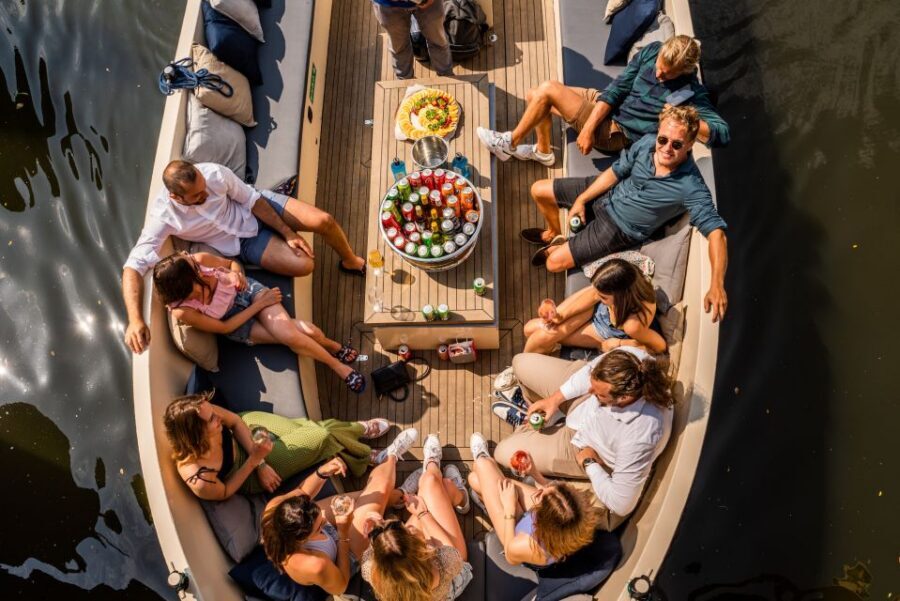
The tour includes a chance to order a drink onboard, but beverages are not included. For $25, that actually makes sense: the core cost goes into the electric boat operation, the skipper, and the German-speaking guide.
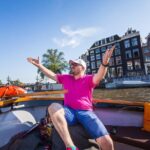
Where the onboard bar helps is mood. A canal cruise can feel like passive viewing. Having a drink available gives you permission to slow down. It also gives you a natural moment to ask the guide questions while you’re still mid-route and not trapped waiting for the end.
A practical point: if you’re picky about hearing the guide, stand or sit where you can hear comfortably, and don’t time your questions for the quietest times—boats, crowds, and wind all compete for your attention.
Also, you’ll likely hear real guide personalities. Past departures have included hosts such as Yannis and Pedro, and the feedback attached to their storytelling highlights how the tour can feel fun, not just factual.
Price and Value: When $25 Feels Like a Smart Trade
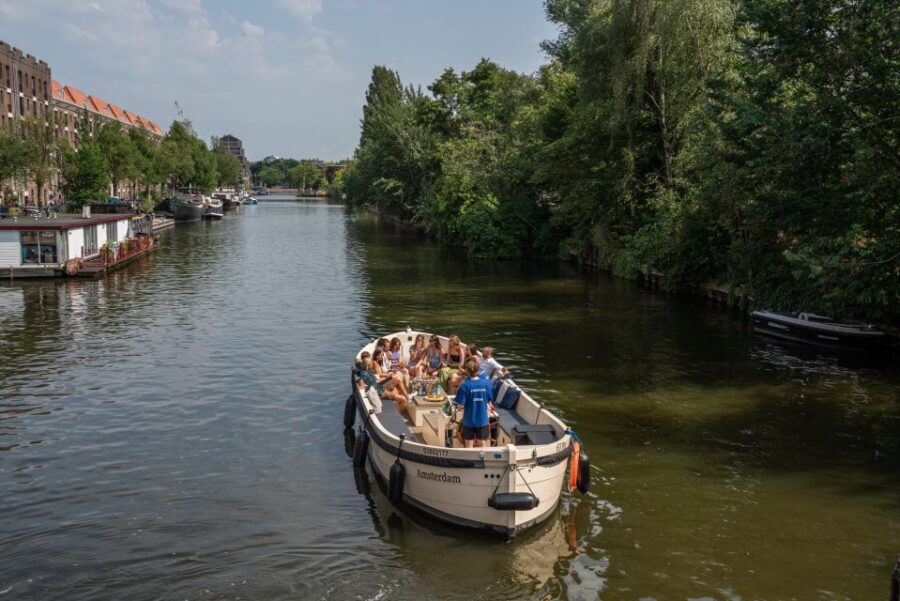
At $25 per person for one hour, this canal cruise is priced like a solid “core Amsterdam experience.” You’re paying for three things that usually add up fast on your own:
- A live German guide with explanation (not just signage)
- A fully electric boat ride with a skipper
- A curated route that hits major landmarks and photo spots
If you’re doing Amsterdam on foot, you’ll spend more time and energy moving between places. Here, the city comes to you. You get a high-density overview—church landmarks, canal houses, and the bridge views—without burning half your day on transit.
For me, the biggest value is the combination of electric quiet plus German narration. Many tourists come for the visuals. This tour also teaches you how to read the city while you’re looking at it.
Practical Tips: Weather, Time, and What to Expect From an Hour
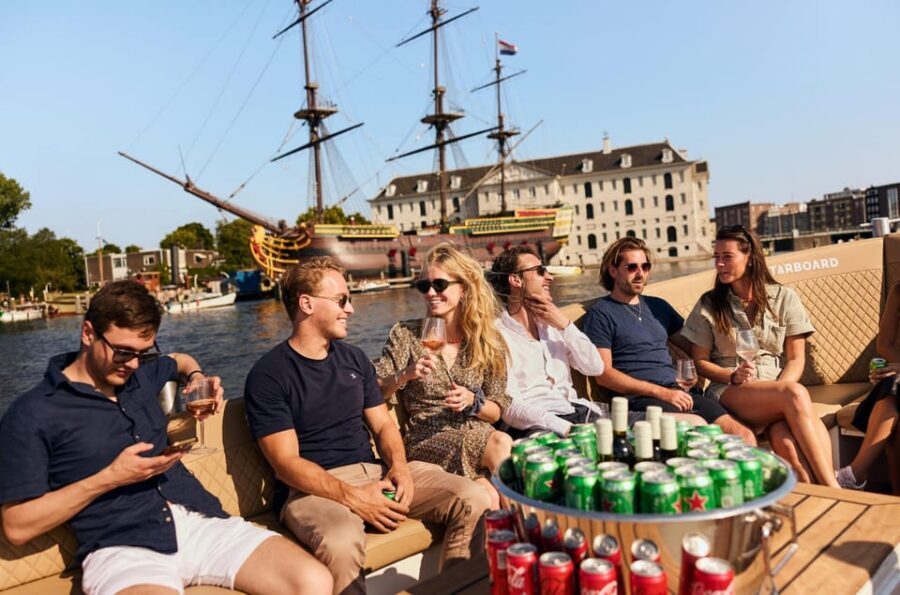
This cruise is short, so treat it like a focused overview. Don’t expect deep museum-level content. Do expect a guided tour that’s tuned for seeing a lot and understanding enough to make your later walking tours smarter.
A few things to keep you comfortable:
- Bring weather-appropriate clothing. Wind near the water can surprise you.
- Arrive early at Starboard Dock. If you’re late, the boat departs on schedule and refunds aren’t available for late arrivals.
- Plan for peak-season canal traffic. Small departure delays can happen occasionally due to congestion.
And one clear constraint: wheelchair users can’t use this tour. If that affects you, you’ll need another Amsterdam canal option with accessibility built in.
Should You Book This German Electric Canal Cruise?
Book it if you want a one-hour Amsterdam canal experience that mixes major landmarks (like Oude Kerk and the Magere Brug area) with real narration in German. It’s also a good fit if you like photo moments but don’t want to spend the whole day switching between viewpoints.
Skip it or reconsider if you need accessibility for a wheelchair, or if German-only narration would limit your enjoyment. And if you know you’re traveling during peak crowds, show up early and accept that canal congestion can nudge timing.
If your goal is a calm, quiet, story-led canal overview that helps you understand what you’ll see later on land, this one earns its place.