REVIEW · AMSTERDAM
Amsterdam: Classical Music Concert at the Begijnhof
Book on GetYourGuide →Operated by The Liberty Productions · Bookable on GetYourGuide
A quiet church can make loud emotions. This one-hour classical concert takes place in the English Reformed Church inside the Begijnhof, in one of Amsterdam’s most peaceful courtyards. You’re surrounded by old stone, not stage lights, and that changes how the music lands.
I love the sound in the English Reformed Church. People don’t need an audio system for this kind of music, and the room helps each phrase feel clear. I also love the program choices: big-name masterpieces like Vivaldi’s Four Seasons and Mozart’s Requiem, mixed with shorter hits like Pachelbel’s Canon and Handel’s Ombra mai fu.
One thing to consider: it’s only about an hour. If you want a long evening plus chat-time or drinks, this is more of a focused concert stop than a whole night plan. Also, aim to arrive on time so you don’t miss entry.
In This Review
- Key Points You’ll Care About
- Where You’ll Go: English Reformed Church in the Begijnhof
- The 1-Hour Plan: What Happens Before Music Starts
- The Program Breakdown: From Four Seasons to Symphony No. 5
- Vivaldi: The Four Seasons (Spring & Summer)
- Pachelbel: Canon & Gigue in D major
- Mozart: Requiem (Lacrimosa)
- J.S. Bach: Air on the G String
- Schubert: Ave Maria
- Mozart: Salzburg Symphony K136 (Allegro)
- Beethoven: Symphony No. 5 (Allegro)
- Handel: Ombra mai fu from Xerxes
- Why the Venue Matters for Your Listening Experience
- Cost and Value: Is $30 Worth It?
- Comfort, Dress Code, and Who This Fits
- Practical Tips for a Smooth Night
- Should You Book This Classical Concert?
- FAQ
- FAQ
- How long is the concert?
- How much does it cost?
- What’s included in the ticket?
- Where do I check in?
- What music is performed?
- Is transportation or food included?
Key Points You’ll Care About
- Begijnhof setting: the concert happens in a serene courtyard area, not a modern hall.
- Historic venue: the English Reformed Church is one of the oldest church buildings in Amsterdam.
- Strong, crowd-friendly repertoire: Vivaldi, Mozart, Bach, Beethoven, plus Handel and Schubert.
- Great value for classical fans: ticket price is about $30 for a one-hour performance with program included.
- Comfort is easy: no dress code, and the venue is wheelchair accessible.
- Good pacing: the program is built from recognizable works, so you get an instant musical payoff.
Where You’ll Go: English Reformed Church in the Begijnhof
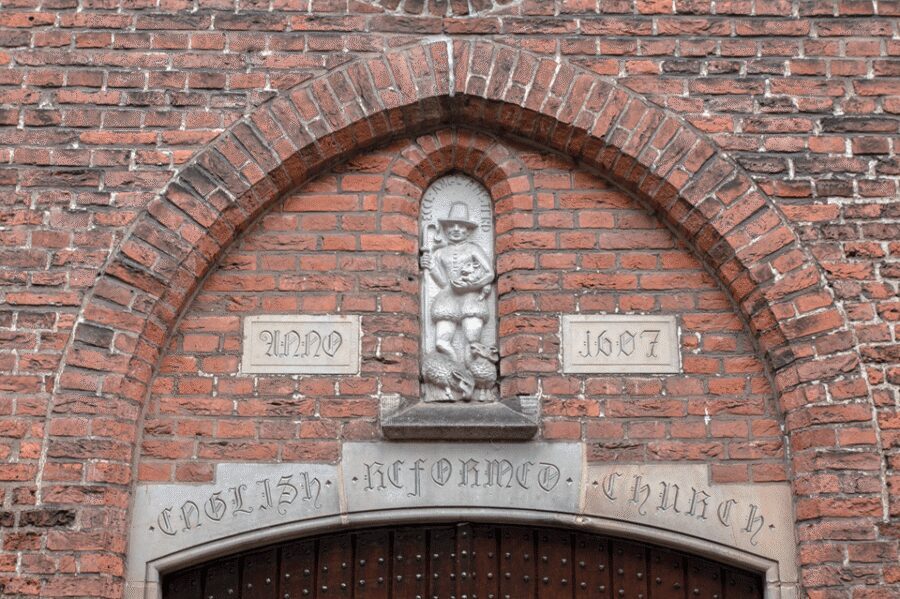
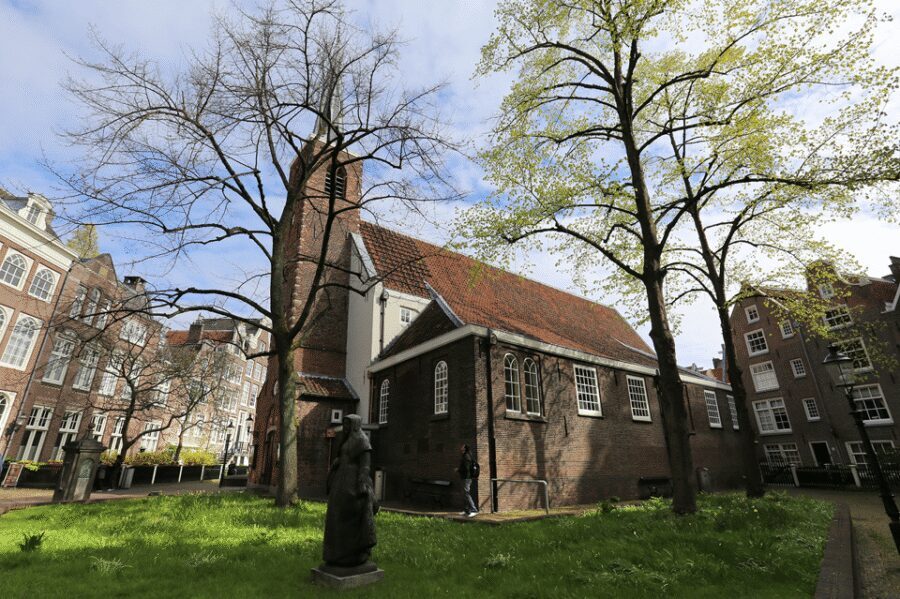
The address on the day is the English Reformed Church at the Begijnhof. That’s the key mental picture to hold: you’re not heading to a concert venue on a busy street. You’re stepping into a quieter pocket of Amsterdam where the buildings and courtyard vibe feel medieval.
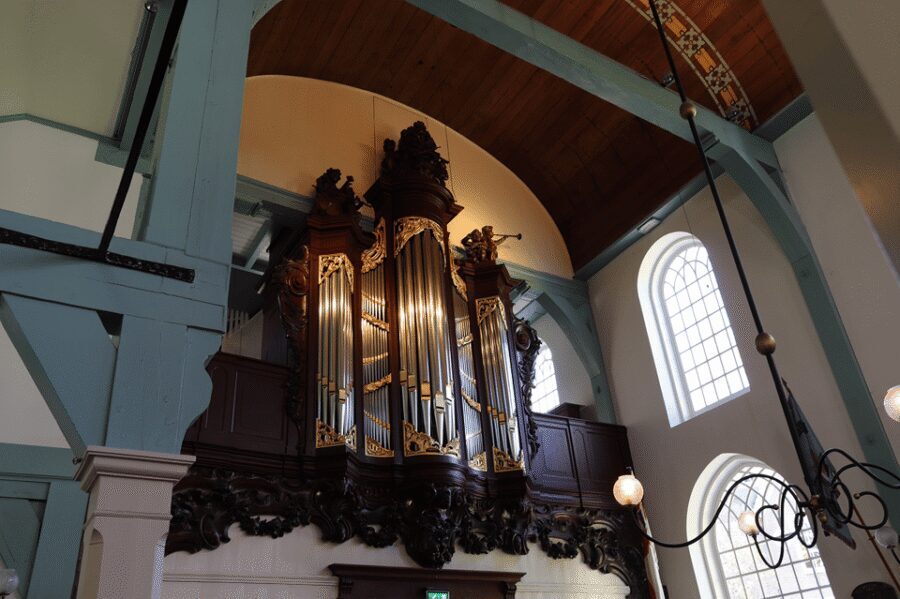
The church itself is the star of the setting. It’s described as one of Amsterdam’s oldest church buildings, which matters because the room doesn’t feel generic. Instead of the sound bouncing off sterile surfaces, you get a more natural, reverberant feel that suits classical music. That’s exactly why this concert works so well, even though it’s only an hour long.
You’ll show your ticket at the entrance, then take your seat. There’s also a printed concert program included, which is a smart touch if you want to follow along while the orchestra and soprano move through the music.
You can also read our reviews of more tours and experiences in Amsterdam
The 1-Hour Plan: What Happens Before Music Starts
This is a simple experience with a clear shape: enter, listen, and leave. You should plan for enough time to get in before the performance begins, because the instruction is to arrive on time to guarantee entrance. Once you’re inside, you’re basically set.
The pre-concert moment is part of the appeal. You’re in a real church space, not a temporary stage. You’ll likely notice that people keep their voices low, and that helps the room feel respectful and calm. That quiet is not forced. It just happens when the setting is historic and the concert format is straightforward.
Then the music takes over, with the Amsterdam Gala Orchestra plus a soprano. The program is a mix of familiar crowd favorites and emotionally heavier pieces, which keeps the evening from feeling like one long mood.
The Program Breakdown: From Four Seasons to Symphony No. 5
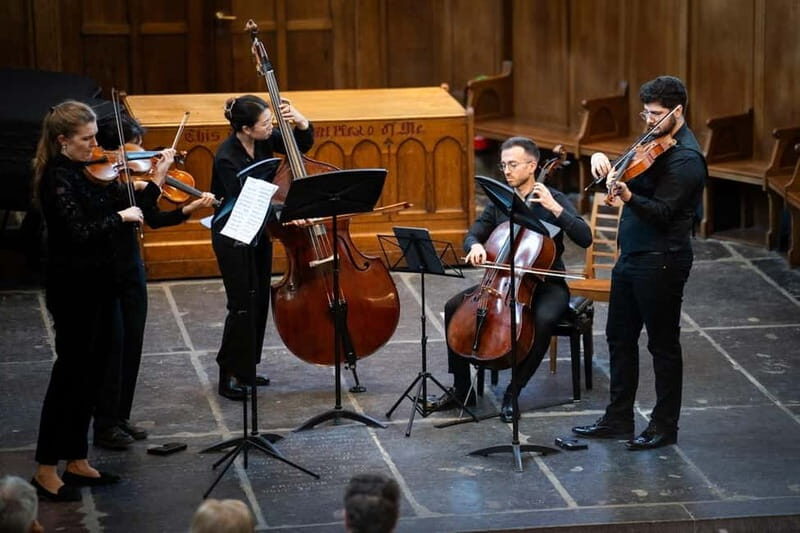
This concert isn’t random. It’s built from pieces that almost everyone recognizes in one way or another, either from recordings or from the way those melodies show up in movies, ads, and playlists. That’s good for your first classical concert, and it’s also good if you already know your way around composers.
Here’s what you’ll hear, in the program order provided:
Vivaldi: The Four Seasons (Spring & Summer)
Vivaldi’s Four Seasons is the gateway drug for many people, and for a reason. The music often feels like it’s painting a scene, with bright movement and clear energy. You get Spring and Summer, which leans the mood toward livelier, warmer tones rather than winter’s harsher edge.
In a church like this, the rapid musical phrases can sound especially crisp. It’s one of those sections where you’ll feel the room’s acoustics work with the orchestra instead of against it.
Pachelbel: Canon & Gigue in D major
Then comes Pachelbel’s Canon and Gigue in D major. The Canon is famously looping and steady, while the Gigue adds more bounce. If you’re thinking, Wait, are we repeating again, you’ll still enjoy it because the performance brings subtle shifts in phrasing and balance.
For first-timers, this is a great “breather” piece. You can listen actively without needing to track complex storylines.




Mozart: Requiem (Lacrimosa)
Next is Mozart’s Requiem, focusing on the Lacrimosa. This is where the evening turns more solemn. It’s also a strong reminder that the concert isn’t just about easy background music. The soprano helps bring out the emotional line, and the orchestra gives it weight.
This is one of the best parts of the night if you like classical music that feels serious, not decorative. If you’ve never heard Requiem music performed live, this is the moment that can change your idea of what a concert feels like.
J.S. Bach: Air on the G String
After that intensity, you get Bach’s Air on the G String. It’s lyrical and flowing, often treated like a calm pause in many concert programs. Live, it can sound surprisingly intimate, because the melody sits so clearly in the sound.
This part is ideal if you want your senses to slow down a notch. You don’t need to know the theory. Just listen to how the phrase grows, then relaxes.
Schubert: Ave Maria
Then Ave Maria from Schubert. It’s spiritual, but it’s also simply beautiful. The combination of church setting plus this piece tends to land emotionally because it fits the space. You’ll likely notice how the room supports the long notes.
Mozart: Salzburg Symphony K136 (Allegro)
Next up is Mozart’s Salzburg Symphony K136, Allegro. This is the wake-up call. The music brings momentum back, and the orchestra shifts from lyrical to energetic.
If you like when classical music feels like movement through air—patterns, rhythm, and forward drive—this section is a good one to watch. Even if you’re not studying the musicians, you’ll feel the structure in the way the music advances.
Beethoven: Symphony No. 5 (Allegro)
Beethoven’s Symphony No. 5 (Allegro) is a classic closer choice in many concerts because audiences know the energy it carries. The rhythm and punch give the evening a strong finish. And in a historic room, the impact can feel more physical than you expect.
This is the section where even people with zero classical background often stop thinking and just listen. It’s hard to not feel something here.
Handel: Ombra mai fu from Xerxes
Finally, you’ll hear Handel’s Ombra mai fu from Xerxes. It’s graceful and singing, a softer landing that rounds out the emotional arc from serious to lively to reflective.
If you’re leaving with a smile, this closing choice helps. It doesn’t end on noise or just volume. It ends on musical elegance.
Why the Venue Matters for Your Listening Experience
You could hear these same composers in any concert hall. But this church space changes the experience in subtle ways.
First, the room acoustics are a big part of why the concert earns such high praise. The venue is historic, and people highlight that the acoustic feels perfect. That matters because classical music relies on timing, blend, and resonance. When those click, you hear detail without needing to strain.
Second, the Begijnhof atmosphere adds a layer of calm. You’re not thinking about traffic or crowds. You’re in a quieter zone, which makes the music feel more like an event and less like an errand.
Finally, the English Reformed Church gives you a sense of place. When you hear sacred-leaning works like Mozart’s Requiem or Schubert’s Ave Maria in an actual church, it just makes sense. You don’t need explanations. The setting does part of the storytelling.
Cost and Value: Is $30 Worth It?
At about $30 per person for a one-hour concert, this is strong value if you like classical music or want your first taste of it with confidence. Here’s what you’re getting for the price:
- Entry ticket included
- Printed concert program included
- No dress code needed
- A full performance by the Amsterdam Gala Orchestra with soprano
- A carefully chosen mix of major works (not a random grab bag)
What you’re not getting is transportation and food/drinks. That’s normal for a ticketed concert. The cost makes sense if you’re already in the city center area and can build it around an evening walk, a dinner stop nearby, and a short trip to the Begijnhof.
If you’re comparing it to longer paid activities, think of this as a tight, high-impact stop. One hour, big names, and a venue that improves the listening.
Comfort, Dress Code, and Who This Fits
This experience is easy to plan because there’s no dress code. You can show up comfortable and focus on the music. That’s a real win when your travel days have already used up your energy.
It also fits a wide range of people:
- First-time classical listeners who want instant access to familiar masterpieces
- Music fans who appreciate hearing the big works in a serious setting
- Travelers who want culture without a whole-day commitment
And if you need wheelchair access, the venue is listed as wheelchair accessible.
Practical Tips for a Smooth Night
These are small things that help you enjoy the concert more.
- Arrive early enough to get in on time. Entry matters here.
- Plan for it to be an evening-only activity. Food and drinks are not included.
- If you like following along, open the printed program. It’s included, and it helps you match sections to what you’re hearing.
- Wear comfortable shoes. You’re in a courtyard area, and you may do a short walk before entering.
Also, keep your expectations aligned with a one-hour format. This isn’t a multi-hour festival event. It’s a focused concert with a full run of major works.
Should You Book This Classical Concert?
If you’re considering it, I’d say book it if you want a memorable classical evening with zero fuss. The combination of the English Reformed Church setting, the Begijnhof atmosphere, and a program packed with recognizable masterpieces is a tough mix to beat for $30.
You might skip it if you’re hunting for a long guided tour, a social event, or a full dinner-and-show package. This is music-first, venue-second, and it does that well.
FAQ
FAQ
How long is the concert?
The duration is 1 hour.
How much does it cost?
The price is listed as $30 per person.
What’s included in the ticket?
Your ticket includes entry, a printed concert program, and there’s no dress code required.
Where do I check in?
Show your ticket at the entrance to the English Reformed Church at the Begijnhof.
What music is performed?
The program includes works by Vivaldi (The Four Seasons, Spring & Summer), Pachelbel (Canon & Gigue in D major), Mozart (Requiem, Lacrimosa and Salzburg Symphony K136 Allegro), Bach (Air on the G String), Schubert (Ave Maria), Beethoven (Symphony No. 5, Allegro), and Handel (Ombra mai fu from Xerxes).
Is transportation or food included?
No. Transportation and food and drinks are not included.