REVIEW · AMSTERDAM
Amsterdam Private Historical Walking Tour
Book on Viator →Operated by 360 Amsterdam Tours · Bookable on Viator
Two hours, and suddenly you get Amsterdam. This private historical walking tour strings together Dam Square and the city’s most recognizable corners, then adds stops that explain how the place got built, traded, and governed. You’ll also hit the Bloemenmarkt area, including the world’s famous floating flower market.
What I like most is the way the guide turns street-level sights into a clear story. You’ll spend short, focused time at each stop, which keeps the pace lively and makes it easier to get your bearings fast. In particular, I’ve seen guides like Henk and Sylvia praised for connecting landmarks with art and even current events.
One thing to consider: it’s a walking tour with brief stops, not a museum deep-dive. If you want long interior visits or lots of free time for wandering on your own, you may wish you had more hours.
In This Review
- Key things to know before you go
- Two hours, nine stops, and a map you can actually use
- Price and what $156.88 really buys you
- Dam Square: Amsterdam’s power center and timeline marker
- Royal Palace and the New Church: authority and belief in walking distance
- Begijnhof: the calm courtyard you’ll need after the big squares
- Multatuli statue: cheese tasting and fair trade origins
- Munt Tower to Nieuwmarkt: money, markets, and Rembrandt’s route
- Bloemenmarkt and Spui: flowers on water, books on a square
- Finishing near the Jordaan and Anne Frank House: a food-focused landing
- What the guide does best on this route
- Walking comfort and how to make the most of the 2 hours
- Who should book this private Amsterdam historical walk
- Should you book this Amsterdam Private Historical Walking Tour?
- FAQ
- Where do you meet, and where does the tour end?
- How long is the Amsterdam private walking tour?
- Is this tour private, and is it offered in English?
- What’s included in the price, and what isn’t?
- Are there admission fees for the stops?
- Can I get a full refund if plans change?
Key things to know before you go
- Dam Square to Koningsplein in 2 hours gives you a practical city core walkthrough
- Private guide, private pace means you can ask questions without a big group squeeze
- Bloemenmarkt floating flower market is built into the route, not an afterthought
- Begijnhof offers a peaceful reset right in the center of town
- Nieuwmarkt and de Waag help you understand why artists and markets mattered
- Spui includes a book-market moment and a local “miracle” reference nearby
Two hours, nine stops, and a map you can actually use
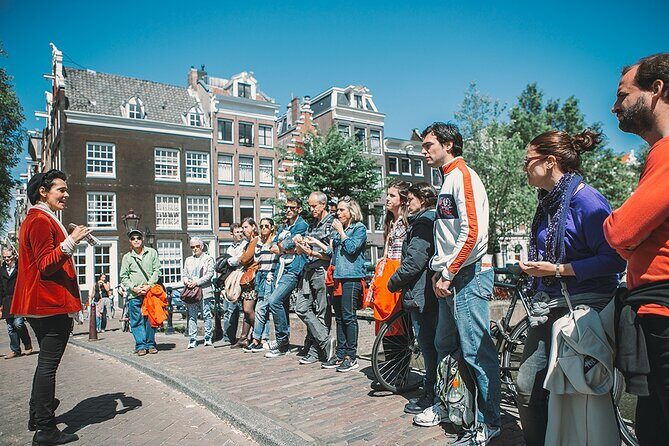
This is the kind of tour that works because it gives you structure. Amsterdam can feel like a maze at first, with canals, streets that bend, and neighborhoods that seem to swap personalities every block. A tight route lets you understand how the city core pieces fit together.
You’re on the move for about two hours, with time boxed for each highlight. That means you get a strong first pass without wasting daylight. You’ll also leave with a mental map you can reuse later while you explore on your own.
And because it’s private, the pace won’t be tuned for the slowest or fastest person in a large crowd. If you want to linger for a photo at a statue or listen longer to a story near a square, you can usually make that call with your guide.
You can also read our reviews of more walking tours in Amsterdam



Price and what $156.88 really buys you
The price is $156.88 per person for a private tour. For Amsterdam, that’s in the range where you should ask: is it just a “show me the sights” walk, or do you get real value?
Here, the value is that the tour includes a private guide plus all fees and taxes. That matters because guided city walks can quietly become expensive once you add extras. Also, the listed stops are tied to moments with ticket-free admissions in the tour flow, so you’re not paying for multiple entrances just to get the story.
One small plus: there are group discounts noted, which can reduce the price if you’re traveling with friends or family and want a private setup for a small party.
Dam Square: Amsterdam’s power center and timeline marker
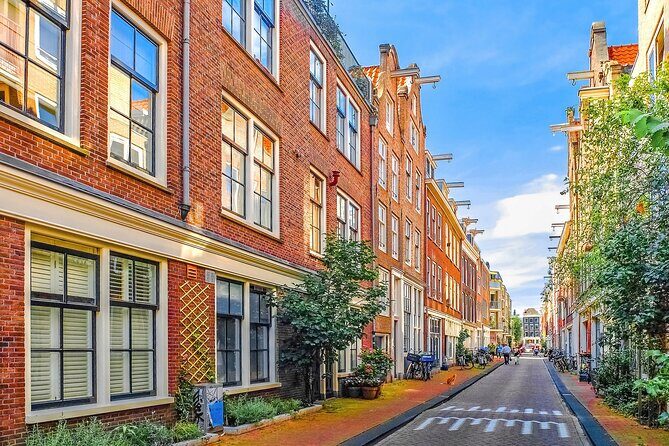
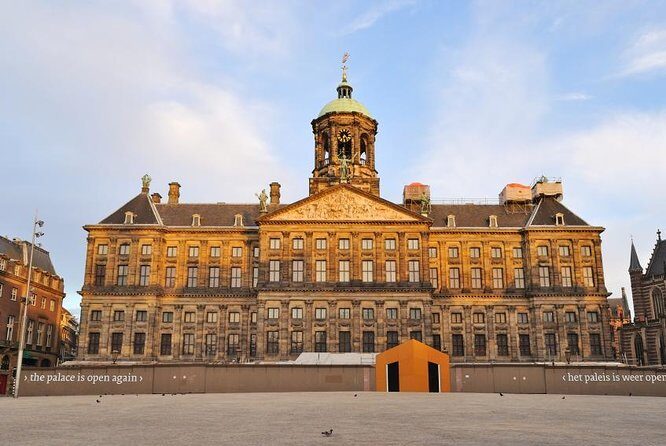
Your walk begins at Dam Square, the public heart of the city and a starting point for almost any “how Amsterdam became Amsterdam” explanation. This spot is where political authority, big civic events, and old city identity all collide in one open space.
You’ll see the Royal Palace, plus the Dam area itself, and you’ll connect it to the early story of Amsterdam. Right here, your guide’s job is to help you look past the postcard view and understand why this place became the city’s anchor.
You’ll also take in New Church nearby during this initial cluster. The key benefit is that you see the relationship between government buildings and religious landmarks early on, so the rest of the tour feels like it’s building toward meaning instead of jumping between random stops.
Expect around 15 minutes in this first area. That’s enough time to orient yourself and get the main themes before you move into quieter corners.
Royal Palace and the New Church: authority and belief in walking distance
The Royal Palace stop focuses on the idea of power you can read right off the façade. Even if you don’t step inside, your guide can point out how this area historically positioned Amsterdam as a serious civic center, not just a canal-side trading town.
Then it’s on to the New Church, with a shorter about 5 minutes feel. This is one of those stops that works because it reminds you that Amsterdam wasn’t shaped only by commerce. Belief, ceremonies, and public life all influenced how people lived and what they celebrated.
A practical tip: if your guide mentions specific themes (ceremonies, civic roles, symbolism), jot down two or three words in your phone notes. You’ll use them later when you visit other churches or historic buildings on your own.
Begijnhof: the calm courtyard you’ll need after the big squares
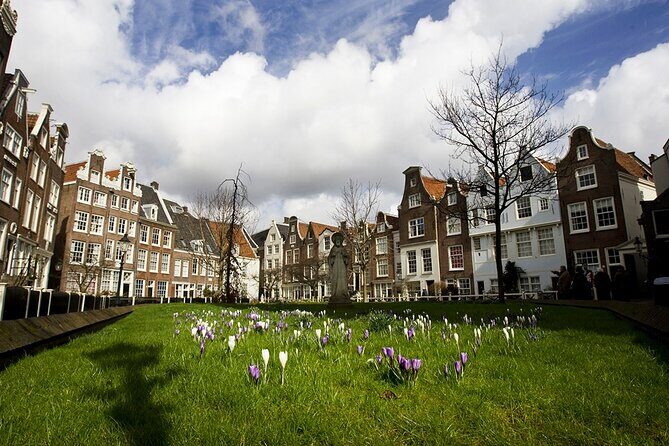
After the center’s open spaces, you go to Begijnhof, the classic kind of place that makes you slow down. This is a beautiful pocket of quiet where the atmosphere changes. Instead of the grand public squares, you get a more human-scale setting.
Your time here is short—around 5 minutes—but that’s perfect. Begijnhof works like a pressure release valve in the middle of a walk. It also gives your guide a chance to explain how certain communities and social systems functioned in the city.
What I’d watch for: the contrast between the surrounding streets and the courtyard feel. If you focus on that shift, the story sticks better.
You can also read our reviews of more private tours in Amsterdam





Multatuli statue: cheese tasting and fair trade origins
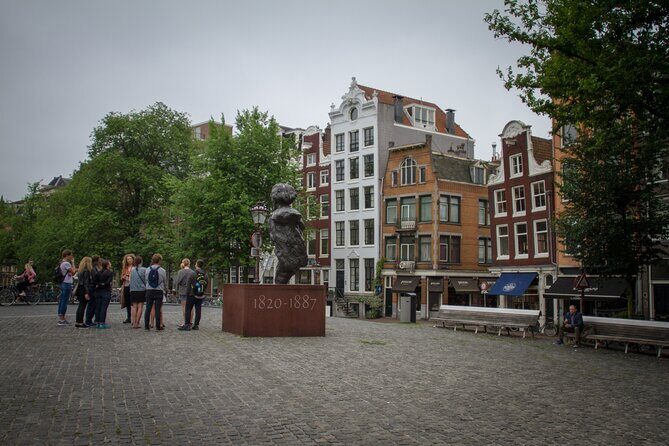
Next comes the Statue of Multatuli, tied to a story about social change and the beginnings of fair trade thinking. This is one of the most “modern history” stops on the route, even though it sits in a classic city setting.
There’s also a cheese tasting element here. That turns the tour from pure sightseeing into something more sensory. And it gives you a chance to ask questions about why a story like fair trade matters in a trading port city like Amsterdam.
Time is brief—about 5 minutes—so come ready to listen and taste, not to linger. If you’re the type who asks questions, this is a good stop to do it. Your guide can likely connect the dots between trade ethics and everyday consumer choices.
Munt Tower to Nieuwmarkt: money, markets, and Rembrandt’s route
The walk continues to Munt Tower (Munttoren), where your guide will explain why this tower belongs in any Amsterdam story. In cities like this, currency and trade aren’t side topics—they are the engine.
Then you reach Nieuwmarkt, a square with real personality. In the middle, you’ll see de Waag, and your guide will point out the connection to Rembrandt, who came to paint there in earlier days. That detail matters because it shows how artists weren’t separate from commerce and civic life. They worked within the same spaces as traders and public institutions.
You’ll spend around 10 minutes at Nieuwmarkt. Use it to look for small clues your guide mentions—street geometry, building functions, and the “why” behind the location.
If you want a quick win afterward: stand in the square and look in three directions. That simple habit helps you lock the area into your mental map for later.
Bloemenmarkt and Spui: flowers on water, books on a square
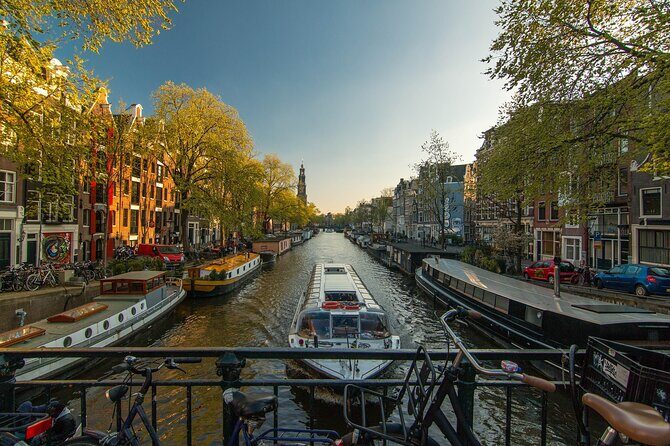
Then it’s time for Bloemenmarkt, the largest floating flower market in the world. Even if you’re not shopping, this is an iconic photo and a strong example of how Amsterdam does commerce.
The lesson here isn’t just that flowers exist. It’s that the city adapted trade to its water-based layout. Your guide can frame the market as both a spectacle and a practical way of selling goods in a canal-shaped city.
You’ll have about 5 minutes here, which is enough to take photos and understand the context without turning it into a long shopping detour. If you do want to buy, plan for quick decisions. The route is time-boxed.
After that, you reach Spui. Your guide references the nearby “miracle of Amsterdam,” and you’ll also see that a bookmarket is held at this square. This is a lovely shift from flowers and civic power to everyday culture: reading, strolling, and local public life.
Another quick tip: if the tour is on a day when the bookmarket is active, lean into it. Even a short moment looking at signage or stalls can make the neighborhood feel real.
Finishing near the Jordaan and Anne Frank House: a food-focused landing
The tour ends near Koningsplein, with the route tying into the Jordaan area. This is a smart finish because the Jordaan is known for local food and neighborhood energy.
Your guide will also provide local food recommendations near the Anne Frank House area in the Jordaan. That’s a practical way to convert the history you just learned into a plan for your next hour.
Why this ending works: instead of stopping you at a random point, you land near places where you can keep exploring right away. And if you’re hungry, you don’t have to guess.
What the guide does best on this route
The most praised aspect of this tour is the guide’s delivery. People highlight guides who keep things lively and detailed, and who know how Amsterdam’s stories connect—art, politics, and everyday life.
If your guide is Henk or Sylvia (names you may hear), expect clear explanations and a knack for making landmarks feel connected. The goal isn’t to recite dates. It’s to help you see patterns: how the city grew, who shaped it, and why certain places became symbols.
Also, because it’s private, your guide can aim the story toward what you care about. If you love political history, ask for that thread. If you’re more interested in art and culture, steer toward the Rembrandt and public-life connections.
Walking comfort and how to make the most of the 2 hours
This tour is mostly outside and mostly on foot. Wear shoes you don’t mind walking in for about two hours, even if the stops are short.
A few practical moves that help:
- Bring water, but plan to get it outside the tour if needed since food and beverages aren’t included.
- Use your phone for photos, but keep your eyes up for the guide’s pointing moments. Many of the interesting details are best seen when you’re standing exactly where the guide suggests.
- If you have specific questions—like how the flower market adapted to water—ask them early. Guides can usually tailor later explanations based on your interest.
Who should book this private Amsterdam historical walk
Book it if you want:
- A strong first-time route through Amsterdam’s central landmarks
- A private experience where you can ask follow-ups
- History explained in plain language, with connections to culture and modern topics
It also fits well if you’re traveling with someone who learns better by walking and talking rather than reading museum plaques.
It might not be the best match if you want long museum time, big indoor tickets, or a slow-paced wander with lots of free roaming. This tour is intentionally structured—short stops, meaningful context.
Should you book this Amsterdam Private Historical Walking Tour?
Yes, I’d book it if you like smart orientation and you want key sights tied together by a guide who explains what you’re seeing. The best value here is the mix of iconic landmarks—Dam Square, Royal Palace area, New Church—plus stops that add texture, like Begijnhof, the fair trade linked story at the Multatuli statue, and the floating flowers at Bloemenmarkt.
At $156.88 per person, you’re paying for a private guide and a clean, time-efficient route. With all fees and taxes included and no listed paid admissions during the stops, it’s a straightforward way to spend your first hours in the city.
If you’re on the fence, consider this: Amsterdam rewards routes that help you understand structure. This one gives you that structure fast, then sends you toward the Jordaan for food and more exploring.
FAQ
Where do you meet, and where does the tour end?
You start at Dam Square (Dam, 1012 Amsterdam) and end at Koningsplein, Amsterdam.
How long is the Amsterdam private walking tour?
It runs for about 2 hours.
Is this tour private, and is it offered in English?
Yes. It’s a private tour with only your group, and it’s offered in English.
What’s included in the price, and what isn’t?
Included are a private guide and all fees and taxes. Not included are food or beverages and tips/gratuities.
Are there admission fees for the stops?
The listed stops show admission ticket free, and the tour includes all fees and taxes, but food and beverages are not included.
Can I get a full refund if plans change?
Yes. You can cancel for a full refund if you cancel at least 24 hours before the experience starts (local time). If you cancel less than 24 hours before, you won’t get a refund.