REVIEW · AMSTERDAM
Amsterdam: Anna Frank and World War II History Walking Tour
Book on GetYourGuide →Operated by insolitAmsterdam B.V. · Bookable on GetYourGuide
Amsterdam’s WWII story hits hard on foot. This walking tour guides you through Amsterdam’s Jewish district and brings you right up to the outside of the Anne Frank House, while explaining what happened during the Nazi occupation.
What I really like is the way the tour connects big events to everyday life: you start with the Jewish community’s roots around 1600, then move into the realities of occupation and persecution. And the guide experience matters too. In the feedback for this tour, the Italian guide name Ginevra comes up for being prepared and passionate, and that tone is exactly what you want on a subject this heavy.
One consideration: the tour runs in Italian, and Anne Frank House entry isn’t included—you’ll end at the entrance, where you can choose to visit inside on your own with an audio guide.
In This Review
- Key highlights you’ll actually remember
- Walking Through Amsterdam’s WWII Story in Just Two Hours
- Meeting at H’ART Museum (Ex-Hermitage) on the Amstel Side
- The Name Memorial Monument: Where 120,000 Lives Are Marked
- Ex-Jewish District Walking Route: How the City Changed
- From Jewish Origins to Nazi Occupation: A Story With Cause and Effect
- Reaching the Area Connected to Anne Frank’s Two Years in Hiding
- Anne Frank House Entrance: What You See, What You Don’t Pay For
- Guide Quality and What to Do With Italian Language Tours
- Price vs. What You Get: Is $28 Worth It?
- Who This Tour Is Best For (and Who Might Want Something Else)
- Should You Book This Anne Frank and WWII History Walking Tour?
- FAQ
- How long is the Amsterdam Anne Frank and WWII History walking tour?
- Where does the tour start and where does it end?
- How much does the tour cost?
- What is included in the price?
- Is the Anne Frank House entry included?
- If I visit the Anne Frank House inside, do I get an audio guide?
- What will I see during the tour?
- What time periods does the tour cover?
- What language is the tour in?
- Is there free cancellation?
Key highlights you’ll actually remember
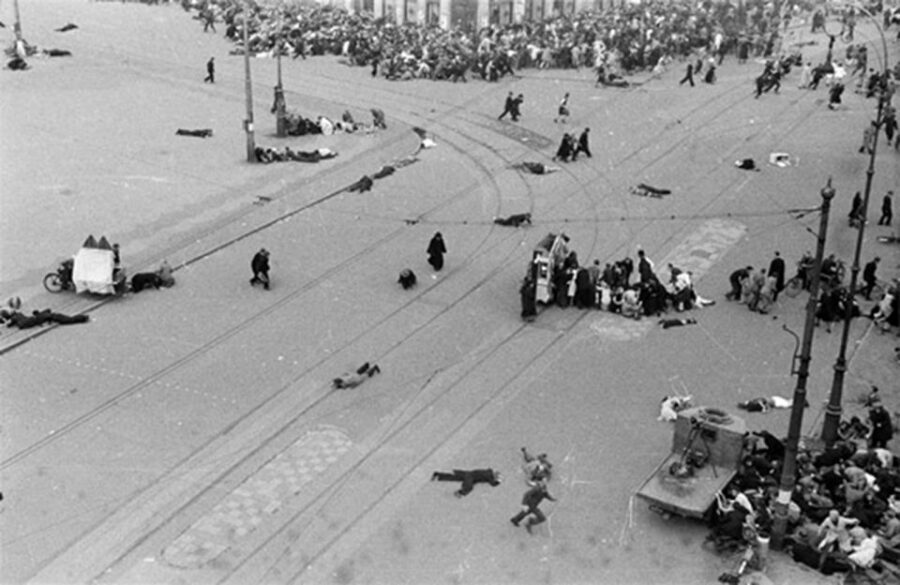
- A Holocaust name memorial stop linked to the loss of 120,000 Jewish, Sinti, and Roma people during WWII
- Anne Frank House seen from the outside, with context for what you’re looking at
- A timeline from around 1600 Jewish origins to Nazi occupation and deportation
- A focused 2-hour format designed for history lovers who want the story on foot
- End at the Anne Frank entrance so you can decide what to do next
- Italian live guide (and Ginevra is specifically mentioned in feedback for strong engagement)
Walking Through Amsterdam’s WWII Story in Just Two Hours
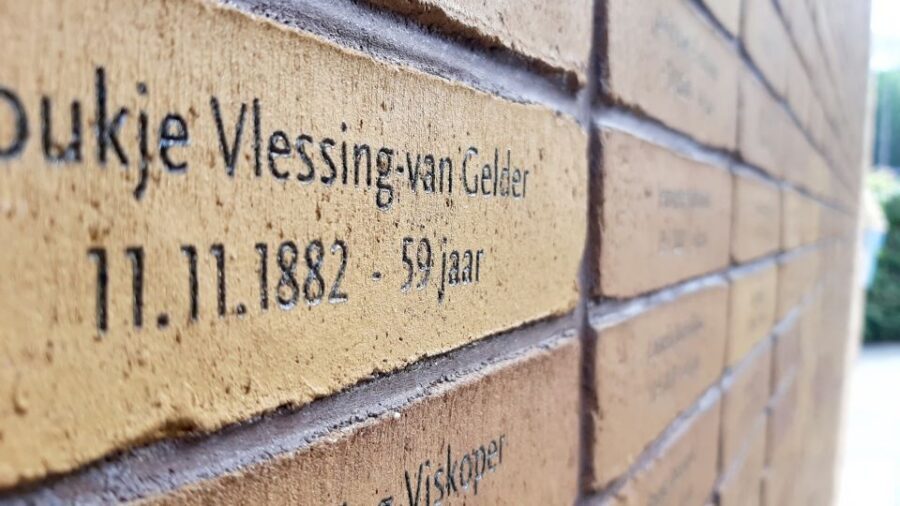
If you want the Amsterdam of the Second World War explained in a way that feels human, this tour is a smart choice. It’s a 2-hour walking tour built around Jewish community history, the Nazi occupation, and the specific place where Anne Frank and her family were in hiding for two years before deportation. You won’t just hear dates and names—you’ll see the locations connected to the story and understand how they fit into the wider city.
The value here is focus. For $28, you get a local guide and a guided walk that takes you across the relevant parts of Amsterdam, ending at the Anne Frank House entrance. Then, if you want, you can add the interior visit yourself. That split—guided context plus optional independent time inside—lets you control how much you take on.
This is also a tour that respects your time. It’s meant for people who want to understand Anne Frank alongside other Amsterdam WWII stories, without turning the experience into an all-day event.
You can also read our reviews of more walking tours in Amsterdam



Meeting at H’ART Museum (Ex-Hermitage) on the Amstel Side
The tour starts at the entrance of the H’ART Museum (ex-Hermitage) on the Amstel side. That matters because it sets the tone immediately: you’re not starting at a big museum doorstep. You’re starting in the city.
From the first minutes, you’re also positioned for the route’s logic. The meeting point feeds you into the memorial stop and then toward the historic Jewish district areas that shaped Amsterdam during the war period.
The tour ends back at the meeting point, which means you’re not left wondering how to get home or how the route will “loop” at the end. You’ll know where you are when it’s over.
The Name Memorial Monument: Where 120,000 Lives Are Marked
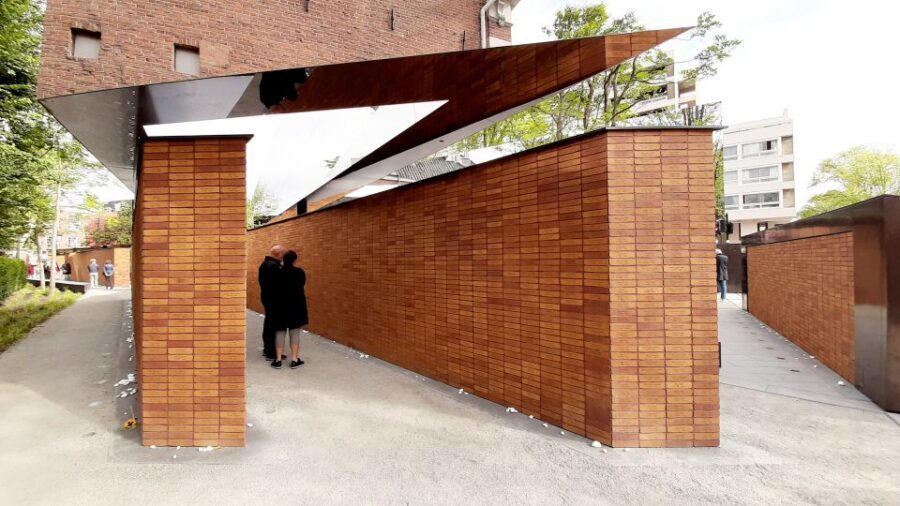
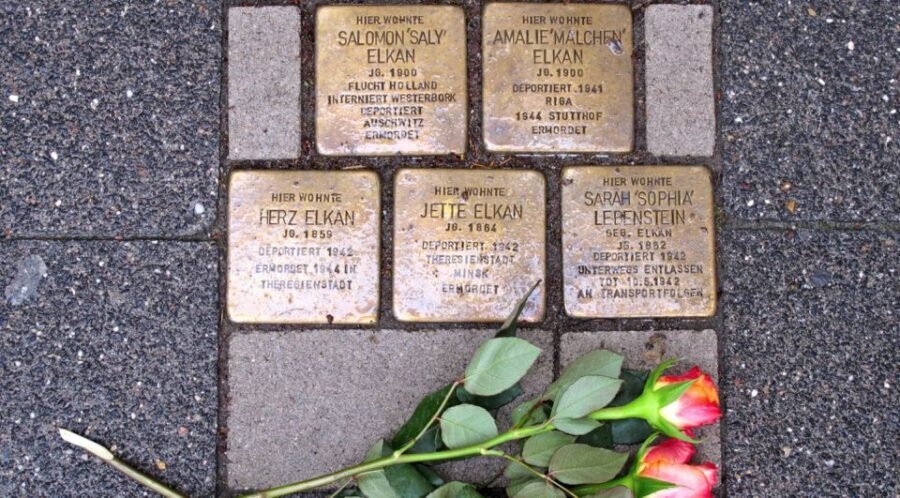
One of the most important stops is the name memorial monument connected to the WWII loss of 120,000 Jewish, Sinti, and Roma people. This isn’t a casual photo stop. It’s the kind of place where the guide’s job is essential: to give the memorial meaning and connect it to what happened in Amsterdam during the occupation.
This location is valuable because it anchors everything that follows. You can’t understand the story of hiding, deportation, and survival—or even what the Jewish community meant in the city—without facing the scale of what was destroyed. The tour makes that the foundation.
Also, the memorial stop is placed early, before you move into neighborhood storytelling. That timing helps your brain hold onto the bigger reality while you learn the smaller, place-specific details.
Ex-Jewish District Walking Route: How the City Changed
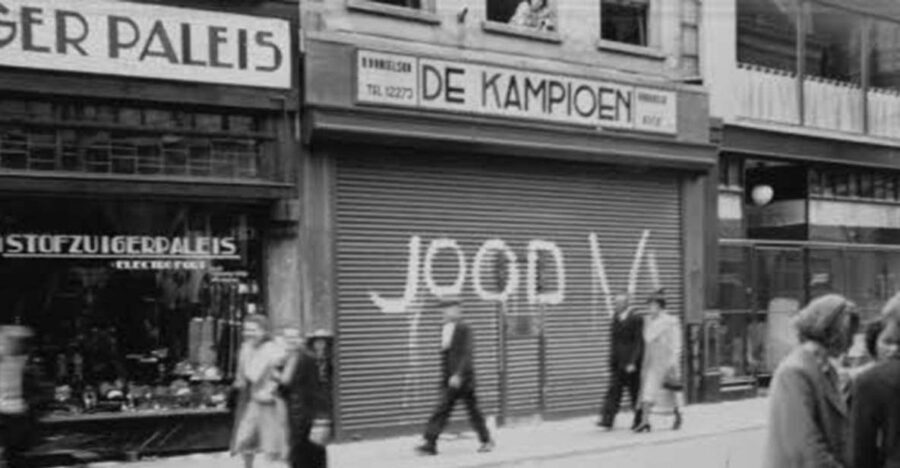
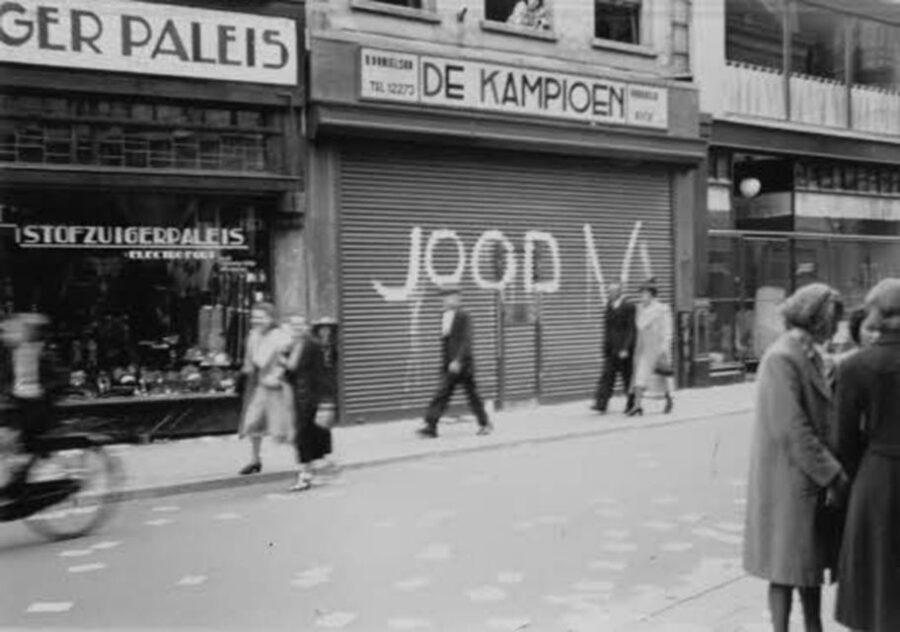
After the memorial, you’ll explore the ex-Jewish district and learn how the Jewish community related to the wider city. This part is more than “history sightseeing.” It’s about understanding Amsterdam’s urban story and how one community’s life was shaped—then shattered—by the war.
The guide walks you through:
- The first origins of the Jewish community around 1600
- The city’s situation as Nazi occupation took hold
- The way Amsterdam’s neighborhood life changed under persecution
What I like about this approach is that it gives you a timeline, not just a sequence of stops. Starting from around 1600 helps you understand this was not a sudden event that appeared overnight. It had roots, routines, and a place in city life. Then the Nazi occupation section explains the break between everyday Amsterdam and the horrors that followed.
This is especially meaningful if you come to Anne Frank with only the famous narrative. By the time you reach the hiding-related area, you’re not just thinking about one family. You’re seeing how the war rewired the entire city.
From Jewish Origins to Nazi Occupation: A Story With Cause and Effect
A strong walking tour teaches cause and effect. This one does that by building a chain: origins around 1600, growth and presence in Amsterdam, then the impact of Nazi occupation and the Holocaust.
You’ll also hear how the Jewish district links to the wider city. That part is key. When you only think of the Jewish quarter as a separate world, it’s easy to miss the scale of isolation and control. But when you understand how it connected to the city, you can better grasp what persecution meant in daily life.
And because the tour is only two hours, the guide has to keep the story moving. The pacing is designed so you leave with a clearer sense of structure—why things happened, not just what happened.
You can also read our reviews of more historical tours in Amsterdam






Reaching the Area Connected to Anne Frank’s Two Years in Hiding
Then comes the walk that most people are really waiting for: the route reaches the part of Amsterdam where Anne Frank and her family stood in hiding for two years, before deportation.
Even though this tour focuses on the walk and the context, this moment still carries weight. You’re arriving in the geographic space tied to the story you already know. That’s where “history as a story” becomes “history as a place.”
The guide’s job here is to help you understand what it meant to live with fear and uncertainty during occupation—how the hiding period fits into the bigger timeline of the Nazi campaign and the Holocaust. The tour frames Anne Frank’s experience inside the wider events of Amsterdam during WWII, so you don’t leave with the impression that this story exists alone.
From a practical point of view, ending near the Anne Frank House also means you can plan your next step without losing momentum.
Anne Frank House Entrance: What You See, What You Don’t Pay For
This walking tour ends at the entrance of the Anne Frank House. You’ll see the house from the outside as part of the experience, and that exterior viewing is paired with the story so it doesn’t feel like a quick “sight” moment.
Important: Anne Frank House entry is not included. The tour gives you the guided context, then leaves the ticket decision to you. If you want to go inside, you can visit in autonomy and use an audio guide that will be supplied.
That setup is genuinely useful. It lets you match your energy level. Some people want to move straight into the house. Others need a short pause after the walking route. Either way, you’re not trapped in a fixed schedule you didn’t choose.
Guide Quality and What to Do With Italian Language Tours
This experience is led by a live Italian guide. The language choice is the biggest factor for whether this tour will feel easy or stressful.
If you read Italian or speak it at a basic level, you’re set up well. The tour includes a timeline (1600 origins, Nazi occupation, the hiding period) and you’re learning through a guided walk. With Italian-only delivery, clarity matters.
What helps most is your mindset. Go in expecting serious subject matter, and treat it like a guided lesson rather than casual sightseeing. The positive feedback for the guide—especially the mention of Ginevra as prepared and passionate—suggests the tour is built around good explanation, not just reciting facts.
My practical tip: if Italian is not your strongest language, consider doing a quick personal read-up before the tour starts. Then the guide’s narration becomes reinforcement instead of your first exposure to the story.
Price vs. What You Get: Is $28 Worth It?
For $28 per person, you’re paying for a local guide and a walking tour that covers multiple WWII-linked components: a memorial connected to 120,000 deaths, the story of the Jewish district, and the route leading you to the Anne Frank House entrance.
Anne Frank House entry costs extra because it’s not included. So you’re not paying for an all-in-one museum package. You’re paying for interpretation plus route—basically, the part that helps the places make sense.
That’s where the value comes from. If you’re the kind of person who benefits from having someone connect dates, locations, and consequences, this price is reasonable. If you only want to stand outside the Anne Frank House and move on, it might feel like you could do it independently. But if you want the city context—Jewish community origins around 1600, Nazi occupation, and what the hiding period represents—then this tour is a solid use of your time.
Also, the tour has a 4.8 rating from 86 reviews, which is often a sign the experience delivers what it promises, at least in terms of explanation and engagement.
Who This Tour Is Best For (and Who Might Want Something Else)
This is best for:
- History lovers who want Amsterdam’s WWII story tied to real locations
- People who care about understanding Anne Frank alongside other events affecting the Jewish community and victims connected to the Holocaust
- Anyone who likes short, structured walking tours that end at a major site
It may be less ideal if:
- You strongly prefer tours in a language other than Italian
- You want Anne Frank House entry included in the price
The good news is that the ending location gives you flexibility. You can add the interior visit if you want, with the audio guide included for that part.
Should You Book This Anne Frank and WWII History Walking Tour?
I’d book it if you want the Anne Frank story placed inside Amsterdam’s bigger WWII context—Jewish community origins around 1600, the impact of Nazi occupation, and the meaning of the name memorial monument tied to 120,000 victims. The route’s structure makes it easier to understand the timeline in a way that feels connected to place.
I’d pause if Italian isn’t workable for you, since the tour is delivered in Italian only. And if you were hoping for an all-inclusive Anne Frank House visit, you should know entry isn’t included; you’ll be relying on your own decision and an audio guide for the inside visit.
If you fit the first group, this is a meaningful, practical way to spend a couple hours in Amsterdam with clear takeaways.
FAQ
How long is the Amsterdam Anne Frank and WWII History walking tour?
It lasts 2 hours.
Where does the tour start and where does it end?
The tour starts at the entrance of the H’ART Museum (ex Hermitage) / Amstel part and ends back at the same meeting point.
How much does the tour cost?
The price is $28 per person.
What is included in the price?
The tour includes a local guide and a walking tour.
Is the Anne Frank House entry included?
No. Anne Frank House entry is not included, and the entrance ticket is not part of this visit.
If I visit the Anne Frank House inside, do I get an audio guide?
Yes. If you visit the house in autonomy, an audio guide will be supplied.
What will I see during the tour?
You’ll see the outside of the Anne Frank House, explore the ex-Jewish district, and stop at a name memorial monument connected to the deaths of 120,000 Jewish, Sinti, and Roma during WWII.
What time periods does the tour cover?
The tour covers the first origins of the Jewish community around 1600, explains Nazi occupation, and walks to the area tied to Anne Frank’s family hiding there for two years before deportation.
What language is the tour in?
The live tour guide speaks Italian.
Is there free cancellation?
Yes. You can cancel up to 24 hours in advance for a full refund. The tour also offers reserve now & pay later to keep your plans flexible.