REVIEW · AMSTERDAM
Amsterdam private city walking experience with a local
Book on Viator →Operated by Guidance Travel · Bookable on Viator
Amsterdam makes sense when a local leads.
This private 2-hour walk strings together the city’s biggest turning points and everyday details, from 17th-century trade to wartime scars. You’ll get an English guide, a mobile ticket, and a route built around short stops so you can see a lot without committing to museums.
I especially like two things about this experience. First, the guide approach is personal—Manouk asks questions, remembers what you care about, and can steer the walk toward your interests in history and architecture. Second, the tour doesn’t just point at sights; it explains why they matter, and some tours include maps/pictures plus small local edible treats that make the facts feel more real.
One thing to consider: the pace is brisk. With several stops at about 15 minutes each (Nieuwmarkt gets about 30), you’ll be viewing mostly from the street, so if you want long, inside-the-building time, plan another activity after.
In This Review
- Key highlights to know before you go
- Why this private Amsterdam walk works so well
- Beursplein: where the city’s name and 17th-century power connect
- Dam Square and the Royal Palace: civic pride and wartime memory
- Begijnhof: a calm courtyard that says a lot about tolerance
- House on the Three Canals: canals, design, and the bicycle bridge idea
- Nieuwmarkt: the Waag, guilds, and the story behind the dancing houses
- Zeedijk: Chinatown’s 1970s danger story and today’s everyday vibe
- Centraal Station: architecture, logistics, and why the location matters
- What you’ll actually feel during the walk with Manouk
- Price and group size: when $180.62 is good value
- How to plan your day so this walk fits cleanly
- Should you book this Amsterdam private walking experience?
- FAQ
- How long is the Amsterdam private city walking experience?
- Is this tour private?
- What’s the group size limit?
- Where does the tour start and end?
- What language is the tour offered in?
- Do we need to buy tickets for the stops?
- Is there a mobile ticket?
- Can I bring a service animal?
Key highlights to know before you go
- Private group up to 12: easier questions, more flexibility, less crowd stress than big group tours
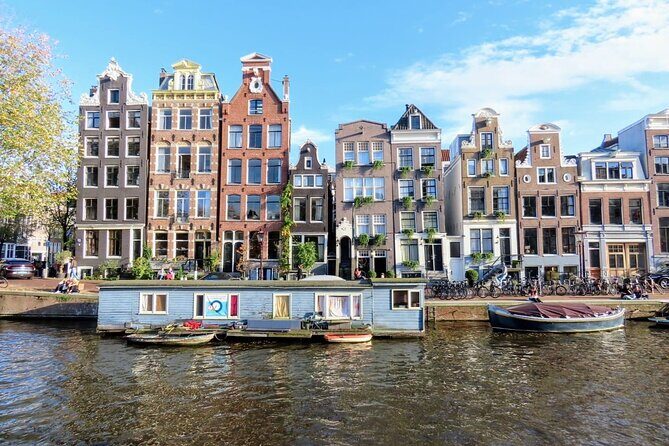
- A tight route through key districts: Beursplein, Dam Square, Begijnhof, three-canal house area, Nieuwmarkt, Zeedijk, Centraal Station
- Manouk’s prepared style: maps and pictures help you connect what you’re seeing to the story
- Street-level history with present-day context: including how Zeedijk’s Chinatown changed over time
- Mostly free stops: you’re spending time looking and learning, not buying admission at each halt
Why this private Amsterdam walk works so well
Amsterdam can feel like a picture postcard until someone helps you connect the dots. This tour is built to do that fast, using central landmarks and a walking route that keeps you oriented. You cover both the flashy and the quiet parts of town, so the city comes across as a place that evolved, not just a set of pretty canals.
The best part is the guide’s tone: professional, but friendly. In the feedback I saw, Manouk stood out for being welcoming to solo visitors and for making families comfortable, too. That matters because a private walk isn’t only about facts—it’s about whether you feel at ease asking questions mid-stroll.
You should also know what you’re signing up for. This is a city walk, not a museum sprint. Expect mostly outdoor viewing and explanations between stops while you move on foot.
You can also read our reviews of more walking tours in Amsterdam



Beursplein: where the city’s name and 17th-century power connect
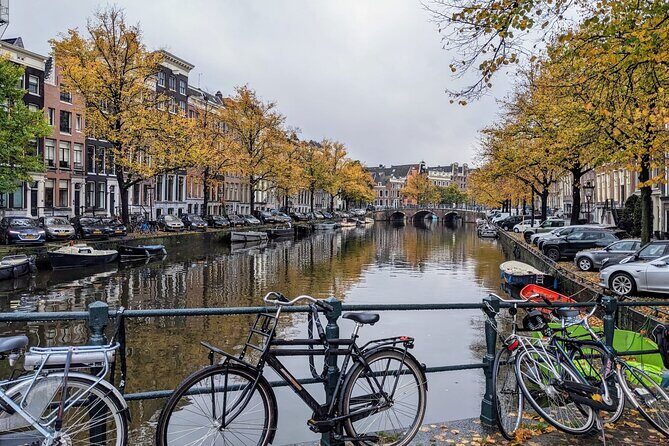
You start at Beursplein (near where the walk begins and ends), a solid choice because it gives you a “big picture” entry into Amsterdam. This area is tied to how the city grew from earlier local life into a major engine of global commerce in the 17th century.
You’ll also learn how Amsterdam got its name and what that early identity looked like before the famous canal-city reputation. It’s the kind of context that makes later stops click—when you understand the city’s economic pull, the rest of the map starts behaving like a story you can follow.
Stop time here is about 15 minutes, and you’ll spend part of it standing and listening, then moving on. Practical tip: if you’re sensitive to cold or wind, Beursplein is open, so dress for outdoor listening.
Dam Square and the Royal Palace: civic pride and wartime memory
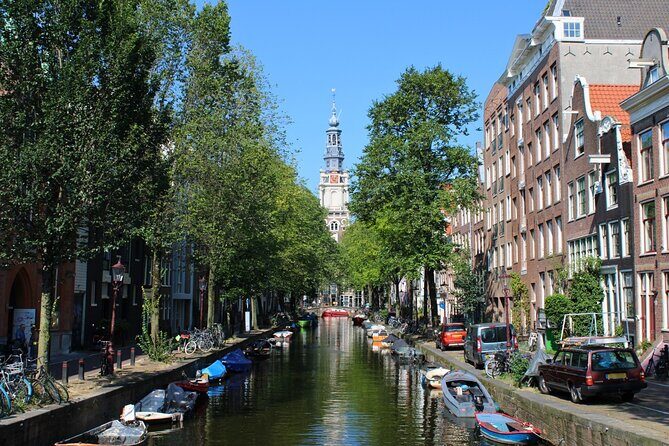
Next comes Dam Square, Amsterdam’s famous “center of gravity.” You’ll hear how the square played a role in the city’s formation—then you’ll look at the Royal Palace on the Dam and connect it to the darker parts of 20th-century life, including its role during the Second World War.
This stop is one of those that can turn generic if a guide doesn’t frame it. Here, the framing matters: the palace isn’t just a pretty landmark; it’s tied to power, governance, and how Amsterdam staged itself as a modern city.
Like Beursplein, this is about 15 minutes. That’s enough to orient you, but not enough for lingering photo binges. If your camera has a strong opinion, keep moving with the group so you don’t get rushed at the later, more architectural stops.
Begijnhof: a calm courtyard that says a lot about tolerance
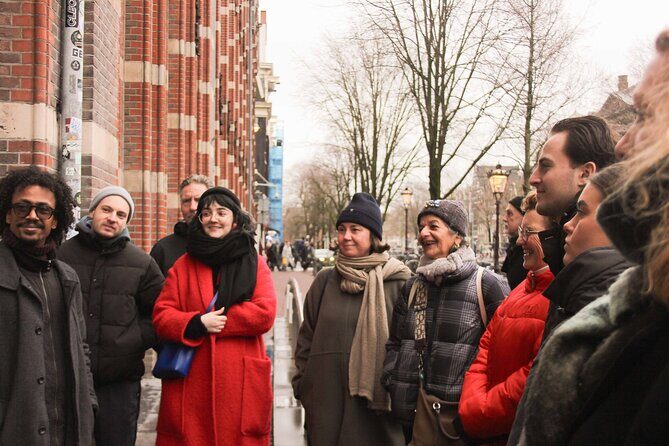
Then the walk gets quieter at Begijnhof, a serene courtyard that feels like it’s tucked a little out of the main noise. The key here is how the guide connects religious life to social change—explaining what Begijnhof reveals about Amsterdam’s tolerance and how different communities shaped daily life.
You’ll also see some of the oldest houses in Amsterdam, including one of the two wooden cottages. This is the kind of detail that helps you picture what the city looked like before it became a canal-and-crowds icon.
Stop time is about 15 minutes, and it’s usually a good moment to slow down your pace. If you’re with kids, this stop can work well because the setting is calm and easy to observe.
Possible consideration: because it’s an interior courtyard atmosphere, you’ll want to keep your voice low and be mindful of the space. It’s not a “wide-open square for selfies” kind of stop.
House on the Three Canals: canals, design, and the bicycle bridge idea
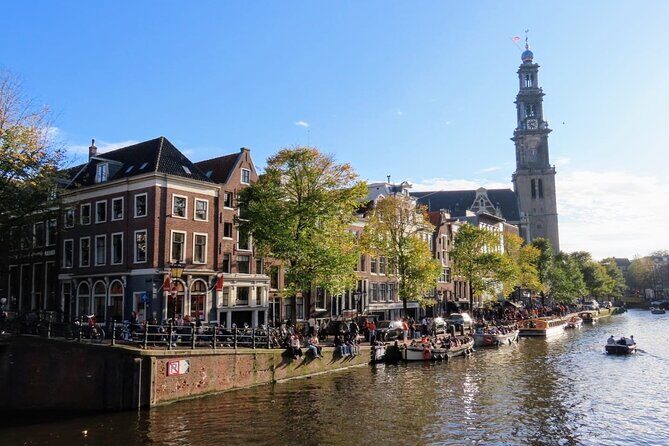
From Begijnhof, you move into the more architectural, slightly quirky Amsterdam zone. You’ll see the House on the Three Canals, a standout because the building’s position is literally shaped by the water layout. It’s one of those visual puzzles that’s fun to understand, especially when the guide ties it back to canal planning and the way the city solved space constraints.
You’ll also hear about something called the bicycle bridge—a practical detail that feels very Amsterdam: transportation design that blends into the urban fabric. You’ll likely notice how bikes, canals, and street circulation all influence what “looks normal” here.
This stop is about 15 minutes. It’s enough time to appreciate the idea and take photos, but not enough to park for long. If you’re into engineering or design, bring your curiosity—this part is often where an explanatory guide makes Amsterdam feel smarter.
You can also read our reviews of more city tours in Amsterdam





Nieuwmarkt: the Waag, guilds, and the story behind the dancing houses
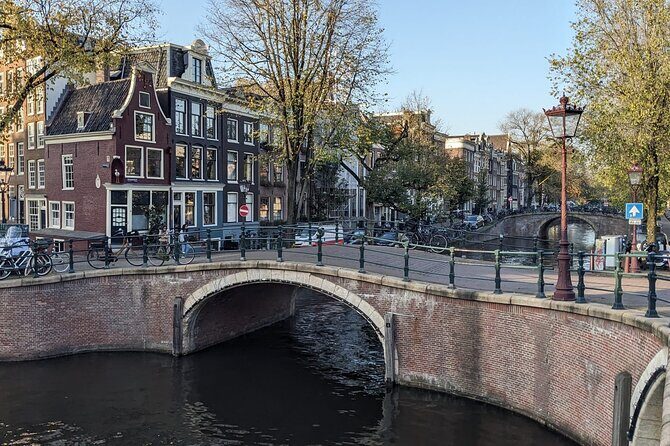
Nieuwmarkt is where the tour gives you more time, about 30 minutes, and it shows. You’ll discover the Waag, originally an old city gate that later became a guild hall, which helps explain the importance of guilds in Amsterdam’s economy and identity.
This is a big theme: guilds weren’t just clubs. They shaped skills, regulated trades, and influenced how the city functioned daily. When you connect that to what you’re seeing now, Nieuwmarkt becomes more than a street name.
You’ll also see the “dancing houses,” which are famous for their angled, off-kilter look. The guide’s job here is to explain why they look that way and what that means in terms of building behavior and the city’s realities over time.
One drawback to flag: if you’re hoping for deep museum-style content, Nieuwmarkt is still a walking-stop experience. The value is in the interpretation, not in long indoor time.
Zeedijk: Chinatown’s 1970s danger story and today’s everyday vibe
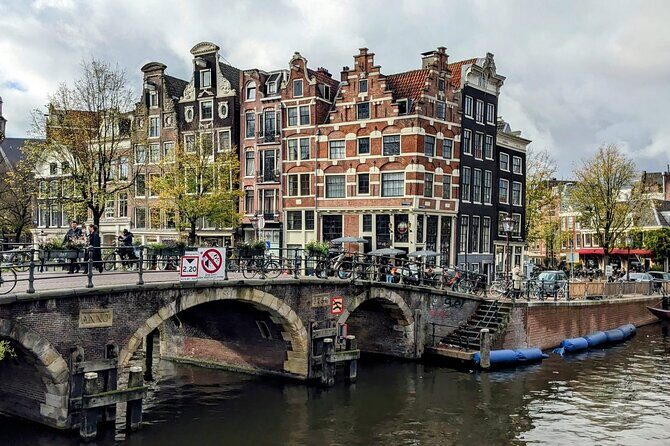
Next is Zeedijk, and this stop adds a social history angle that many Amsterdam tours skip. You’ll hear about Chinatown on this street and how Zeedijk was once considered the most dangerous area in Amsterdam during the 1970s.
Then the story turns toward change: you’ll learn how the area declined and how it transformed into a favorite spot for many Amsterdammers. That contrast is the point—Amsterdam isn’t static. Neighborhoods shift, identities reshape, and streets keep rewriting themselves.
Stop time is about 15 minutes, which is just enough to grasp the theme without turning it into a lecture. You’ll likely also enjoy this stop because the street feels “alive” in the everyday way, not only postcard-amazing.
Practical consideration: since you’re walking through an active area, keep an eye on where you’re stepping and don’t drift behind while you’re taking photos.
Centraal Station: architecture, logistics, and why the location matters
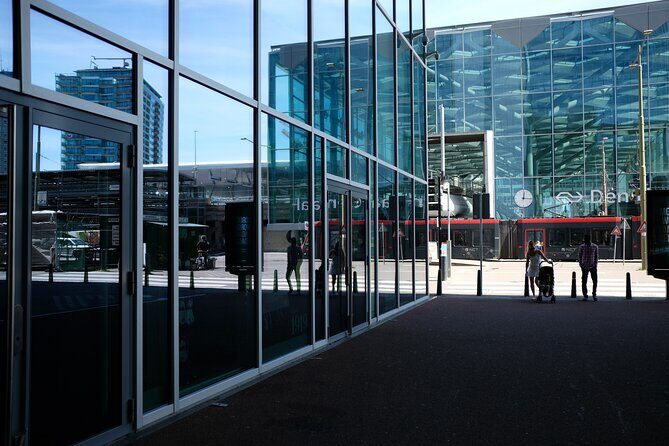
The final highlight is Centraal Station, and yes, it’s worth the attention. The station is known for its stunning architecture, and the guide connects that beauty to the station’s role as a long-time transportation hub and a historical symbol of connection and prosperity.
This is also a smart ending point because it gives you a sense of Amsterdam’s “circuits.” If you’re learning how the city works, stations are more than transportation—they’re where people and commerce meet.
Stop time is about 15 minutes, and it’s typically spent on orientation: what you’re seeing, why it’s important, and how it fits the city’s evolution. If you’re tired by then, don’t worry; the guide can help you focus on the most useful viewpoints rather than making you stare at details you’ll miss anyway.
After Centraal Station, the walk ends back where you started: Beursplein.
What you’ll actually feel during the walk with Manouk
A big part of the value is that this isn’t a scripted “read the plaque” tour. The guidance style that shows up repeatedly is: warm, curious, and adaptable.
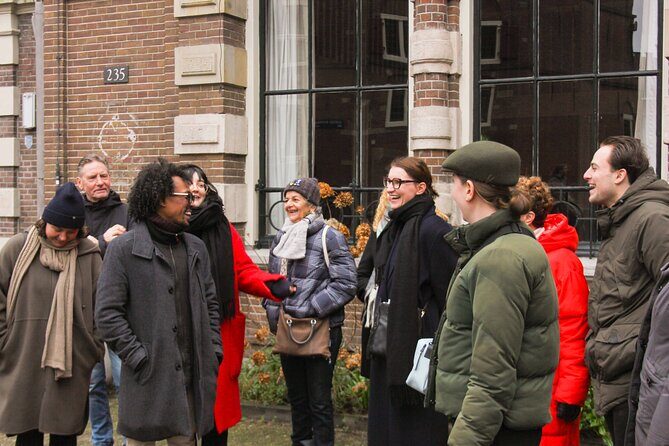
Manouk comes across as the type of guide who asks about your trip, then builds explanations around your reactions. That’s why solo visitors often feel comfortable. You’re not stuck talking to a stranger group for two hours; you’re talking with someone who can match your pace and curiosity.
It also helps that the tour is structured with support materials. Several reviews mention maps and pictures that go along with the commentary, plus small local edible treats. That combination is practical: it makes the city’s geography easier to remember and turns the walking time into something you can replay later while you’re shopping or eating nearby.
If you care about history and architecture, you’ll probably like how the route keeps linking past systems—trade, guilds, civic spaces—to what you can still see on the street.
Price and group size: when $180.62 is good value
This tour costs $180.62 per group, up to 12 people, and it runs about 2 hours (often described as 2 to 2.5). Since the pricing is per group, the main question isn’t whether it’s cheap. It’s whether private time with a local guide is worth it for your situation.
Here’s the value logic that usually works:
- If you’re traveling as a family, two couples, or a small group of friends, you spread the cost across more people. That private attention becomes a bargain.
- If you like asking questions, this kind of format saves time. Instead of guessing with a phone, you get answers tied to what you’re seeing right then.
- If weather or fatigue can derail your day, a tight, guided route can prevent your Amsterdam time from turning into wandering with no plan.
The only real financial downside is if you’re traveling alone and compare it to a low-cost group tour. In that case, this is still a strong pick if you want a personal tone and a guide who adjusts to you.
How to plan your day so this walk fits cleanly
This experience is built for central Amsterdam, so pair it with activities that don’t require major travel time. Plan a light second half of your day after the walk. You’ll often feel motivated to return to parts of the route for photos or snacks, especially after you understand the stories behind the buildings.
A few practical tips so you enjoy it more:
- Wear comfortable shoes. You’ll be on foot for the whole route.
- Keep your schedule flexible enough for short stops. Each highlight is around 15 minutes, and Nieuwmarkt gets longer.
- If you care most about architecture, let the guide know early. Manouk has shown she can adapt to interests in that area.
Also, this is offered in English, and it’s supported with a mobile ticket. Service animals are allowed, and it’s near public transportation—helpful if you’re building a full day around tram and train connections.
Should you book this Amsterdam private walking experience?
If you want Amsterdam with context—trade money, civic power, religious tolerance, neighborhood change, and architecture explained in plain language—this tour is a strong choice. The big selling points are the guide style (Manouk’s welcoming, personalized approach) and the way the route connects different parts of the city into one understandable story.
I’d skip it only if you’re looking for long museum time, lots of interior access, or a slow, sit-and-stare pace. This is a walk built for moving and learning without getting weighed down.
My advice: book it if you want your first day (or first full day) in Amsterdam to feel organized. You’ll finish with a mental map, a few standout stories you’ll remember, and easier choices for what to do next.
FAQ
How long is the Amsterdam private city walking experience?
It runs about 2 hours, and you can expect it to take roughly 2 to 2.5 hours including the walking time between stops.
Is this tour private?
Yes. It’s a private tour/activity, and only your group participates.
What’s the group size limit?
The price is per group for up to 12 people.
Where does the tour start and end?
It starts at Beursplein, 1012 JW Amsterdam, Netherlands and ends back at the meeting point.
What language is the tour offered in?
The experience is offered in English.
Do we need to buy tickets for the stops?
The stops listed are free, so you won’t be buying admission at each highlight.
Is there a mobile ticket?
Yes, you receive a mobile ticket.
Can I bring a service animal?
Yes. Service animals are allowed.