REVIEW · AMSTERDAM
CULTURE Cultural city tour
Book on Viator →Operated by Herzblut - Amsterdam Stadtführungen mit Herz & Seele! · Bookable on Viator
Amsterdam has a way of rewarding slow attention. This 2.5-hour cultural city tour follows a tight loop through the historic core, with a guide who mixes major sights with small, human details about how the city works—then and now. I like that the vibe stays upbeat while still covering the big themes you care about, like monarchy and religion and what canal life really meant. I also like the small-group feel (max 8), which makes it easier to ask questions when the story connects to what you’re seeing in front of you. The main drawback: with only a couple of hours, it’s an excellent overview, not a long sit-down deep study of any one neighborhood or church.
You’ll start at Beursplein (1012 Amsterdam) and move through places that most first-timers rush past unless someone points out the meaning. Dam Square sets the stage, then you get architecture moments at Magna Plaza, canal-life context at Torensluis, local atmosphere in the Jordaan, and finally Westerkerk with its carillon stories. And if you end up with a guide like Anne, that review feedback is on point—clear, fun, and anchored in details that help the city click.
In This Review
- Key highlights before you go
- Getting Your Bearings at Beursplein and Dam Square
- Magna Plaza in 15 Minutes: Architecture With a Story, Not a Lecture
- Torensluis and Canal Life: How the Water Shaped the City
- The Jordaan: Where the Atmosphere Does Half the Work
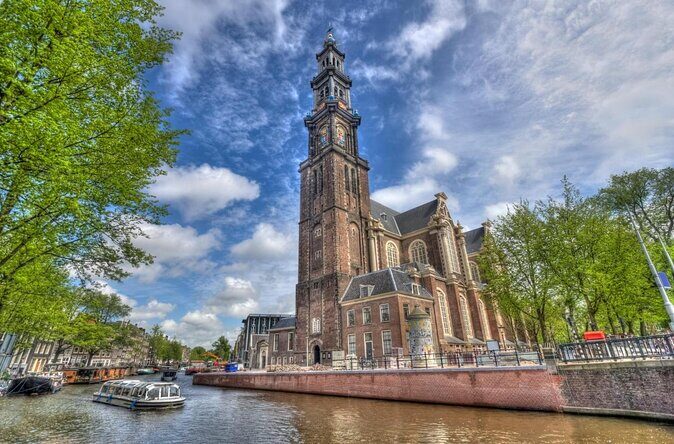
- Westerkerk and the Carillon: Culture You Can Hear in Your Head
- Price and Value: What $30.86 Buys You in the Real World
- How to Get the Most From This Walk (Without Burning Out)
- Who Should Book This Amsterdam Heart-and-Soul Tour
- Should You Book This Tour or Keep It Flexible?
- FAQ
- How long is the tour, and where does it start and end?
- What does the tour cost?
- Are admission tickets included?
- How many people are in each group?
- Can the guide adapt the tour if I have a walking disability?
- What if my plans change—can I cancel?
Key highlights before you go
- Dam Square origins made practical, with the surrounding landmarks tied to monarchy and everyday Amsterdam life
- Magna Plaza (15 minutes) for a quick hit of architecture and storytelling without turning the day into a museum marathon
- Torensluis canal focus that explains how the water shaped the city’s growth and even reaches into Dutch colonial rule
- Jordaan impressions that put you in the right mood for real neighborhood Amsterdam, not just photo ops
- Westerkerk and the carillon added as a cultural stop, not just another building on the route
Getting Your Bearings at Beursplein and Dam Square
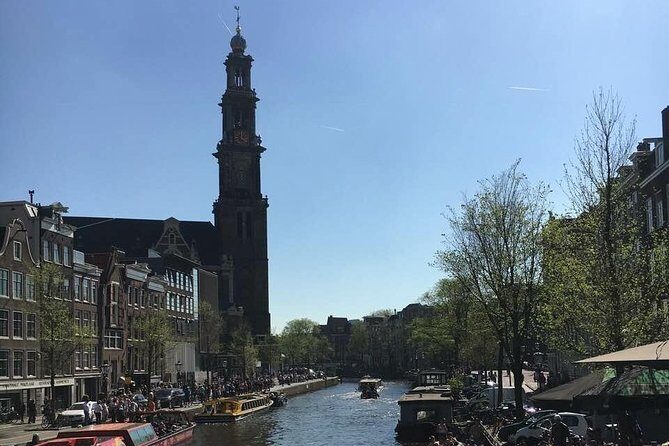
The meeting point is Beursplein, and that’s a smart start if you want orientation. This is classic central Amsterdam, so you’re not fighting logistics before you even begin. Expect the tour to run about 2 hours 30 minutes on foot, and then come back to the same spot.
Dam Square is the anchor. You spend about 45 minutes here, and the guide’s job is to show you the historically relevant buildings around the square, not just the square itself. The story centers on Amsterdam’s origins, monarchy, and how daily life has shifted over time. Practically speaking, this matters because Dam Square is one of those places where you can stand there and take photos without truly knowing what you’re looking at.
A good cultural guide turns the square into a map. You start noticing how power, commerce, and public space overlap. You’ll also get anecdotes that make the place feel lived-in rather than like a stage set. One thing to keep in mind: Dam Square is your longest stop at 45 minutes, so if you know you like churches less than canals, this part might feel a little more political and less scenic than the water sections later on. Still, it’s the kind of grounding you’ll feel thankful for once you reach the canals.
You can also read our reviews of more city tours in Amsterdam

Magna Plaza in 15 Minutes: Architecture With a Story, Not a Lecture
After Dam Square, you move to Magna Plaza for about 15 minutes. This is a quick stop by design, and that’s part of the value. Instead of turning the tour into a shopping detour or a long interior visit, you get an example of Amsterdam architecture with related stories and context.
What I like about this kind of stop is how it bridges eras. Amsterdam isn’t only about old canals and gabled houses. You also see how the city keeps reshaping itself while still leaning on familiar design language. Magna Plaza becomes a shortcut for understanding that Amsterdam’s identity isn’t frozen in the past.
For you as a reader: if you get tired when history turns into only dates and dynasties, a stop like this helps reset your attention. It gives you something visual you can process quickly, with a guide interpreting the details so you don’t miss the “why” behind the look. Admission here is listed as included, so you’re not juggling ticket decisions in the middle of the walk.
Torensluis and Canal Life: How the Water Shaped the City

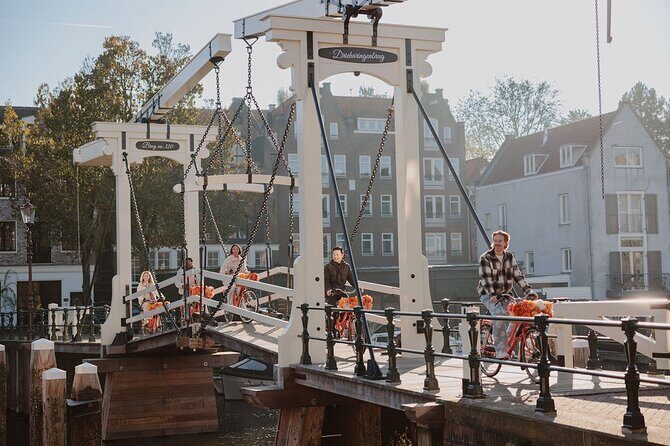
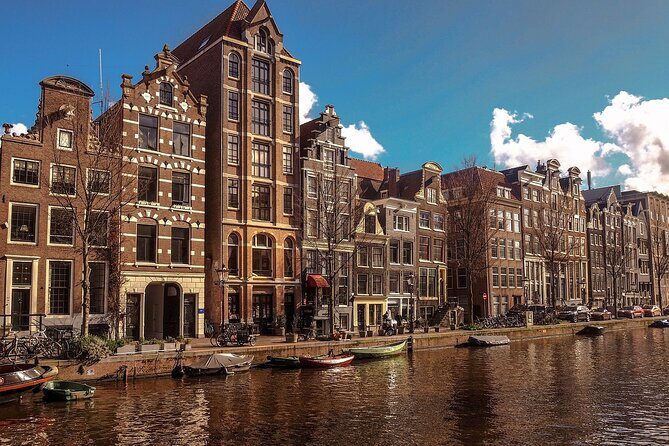
Next comes Torensluis, where you spend about 30 minutes. This is where the tour shifts from squares and buildings into the daily reality of living with water. You’ll learn about life on the canals, with and on the water—how Amsterdam’s design supports that way of moving, working, and trading.
This stop also connects the canal story to bigger power structures. You get information about Holland’s colonial rule, plus how that kind of historical reach influenced architecture and urban development. The guide also covers historical figures and other related details. Even if you don’t walk away reciting names, the takeaway is clearer: Amsterdam’s canal system wasn’t only pretty infrastructure. It was part of how wealth and influence traveled, and it shaped what the city chose to build.
Torensluis is also a strong “look again” moment. On earlier stops, you learn what to notice. Here, you learn how to interpret what you’re noticing. If you’ve ever felt like canal houses are all the same in photos, this kind of stop helps you separate the look of the canal from the function of it.
Admission at this stop is marked as included, so you can focus on the story rather than costs.
The Jordaan: Where the Atmosphere Does Half the Work
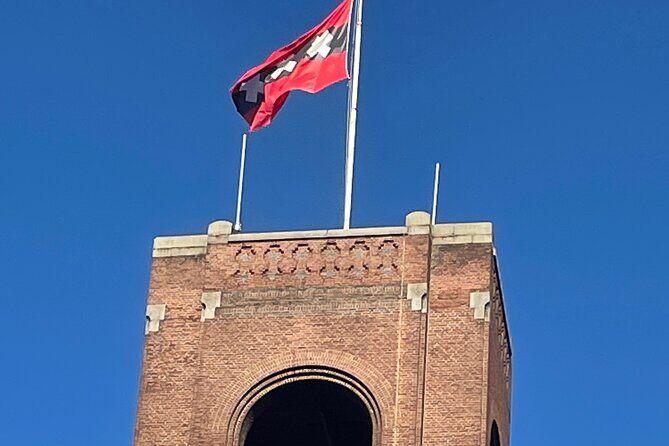
The Jordaan stop is about 20 minutes, and it’s intentionally lighter on formal facts. Here the goal is to experience Amsterdam’s unique neighborhood atmosphere—so you can enjoy the impressions and soak up how people live, not just what happened centuries ago.
What I find useful about a short Jordaan segment is pacing. You’ve been in story mode at Dam Square and context mode at Torensluis. Then you get a space that’s more about observation: street rhythm, canal-adjacent views, and that feeling of everyday life moving around you. The guide’s job is to point out small peculiarities that many people ignore. That instruction matters because the Jordaan is exactly the kind of place where you can walk through on autopilot and miss the details that make it special.
Admission is listed as included for this stop too, so you’re not paying extra for the privilege of slowing down and looking. If you prefer your history to be grounded in real life—how people actually behave in a neighborhood—this is one of the better segments to match your style.
If you’re a fast walker who hates stopping, the Jordaan might feel short. But it’s a good fit for the overall route, because it keeps the tour moving while still leaving enough time for impressions.
Westerkerk and the Carillon: Culture You Can Hear in Your Head
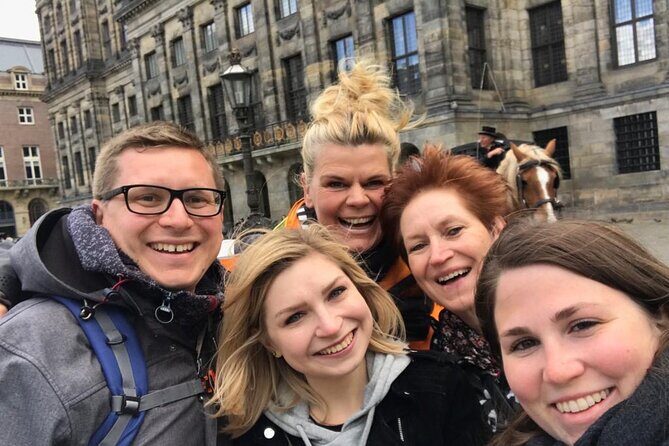
The tour ends with Westerkerk, where you spend about 10 minutes. It includes information and stories plus the carillon element. Westerkerk is one of those landmarks that people recognize, even if they don’t know why it matters culturally. Here, the guide helps you connect the religious side of Amsterdam with the sounds and symbolism tied to places like this.
A carillon is a bell system, usually played from a fixed station, and it’s used for events and regular calling in places where churches historically served as civic anchors. You may not treat this stop like a “main attraction” while you’re standing there, but the guided context gives it meaning. Instead of just a quick photo stop, you get a cultural explanation you can carry with you for the rest of the day.
Admission is listed as included, and the stop is short, so it won’t hijack your afternoon. If you love religious art and architecture, you may want more time here later on your own—but as part of a balanced cultural walk, this is a well-placed cap.



Price and Value: What $30.86 Buys You in the Real World
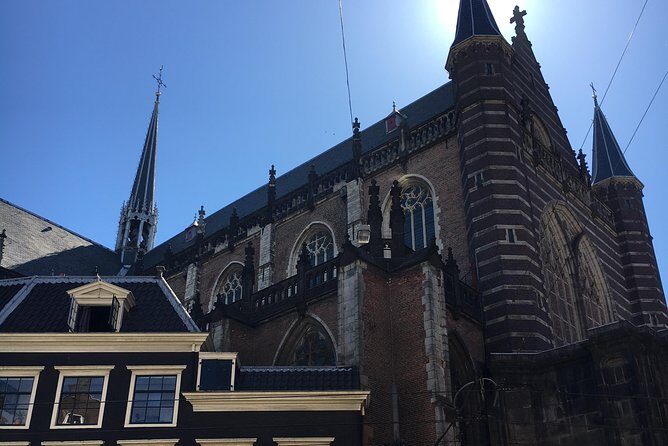
At $30.86 per person, this tour is priced like a focused, central-city experience rather than a long-distance excursion. The biggest value isn’t just the guide. It’s the way the tour stitches together themes so they make sense as you walk: monarchy and public power at Dam Square, a modern architecture example at Magna Plaza, water and development at Torensluis, neighborhood texture at the Jordaan, and religious-cultural context at Westerkerk.
You also get a professional guide included and a mobile ticket. That’s the kind of “small” convenience that matters when you’re trying to keep your day efficient. The group size is capped at 8 travelers, which typically improves the experience because the guide isn’t shouting over a crowd.
One small note on budgeting: Dam Square lists admission ticket not included, while other stops list admission as included. That likely means you won’t face extra ticket decisions at most points, but you should assume there’s at least one sight where you might not be covered.
Finally, you’ll often see this booked about 7 days in advance. If your dates are tight, booking sooner is sensible, mainly because smaller group tours can fill up.
How to Get the Most From This Walk (Without Burning Out)
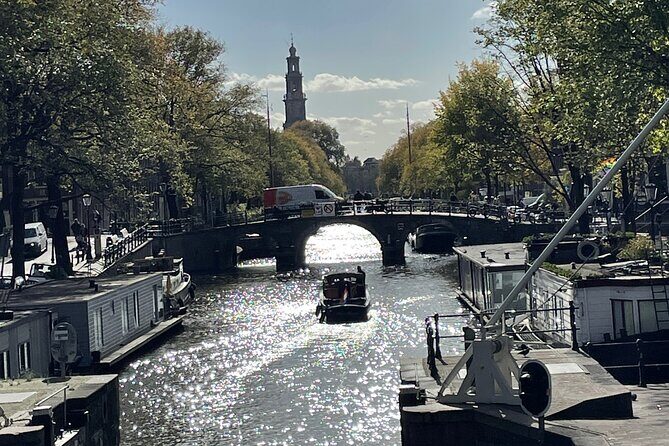
This is a walking tour that lasts around 2.5 hours, so you’ll get the best results by preparing for comfort, not speed.
Bring:
- comfortable shoes (you’re on foot most of the time)
- a phone camera with enough battery for canal-and-building visuals
- a curious mindset, because the stories are tied to what you’re seeing
Your best strategy is to treat each stop like a “lens.” At Dam Square, learn how power and public space show up. At Torensluis, learn how water connects to development. At the Jordaan, learn how daily life feels. If you do that, the tour won’t feel like random sightseeing. It’ll feel like a guided way to read the city.
If you’re sensitive to lots of standing, consider pacing yourself during the Jordaan and Westerkerk segments, since those are the lighter, impression-focused parts. And if you have a walking disability, the tour notes that you can let them know in advance so they can adapt.
Who Should Book This Amsterdam Heart-and-Soul Tour
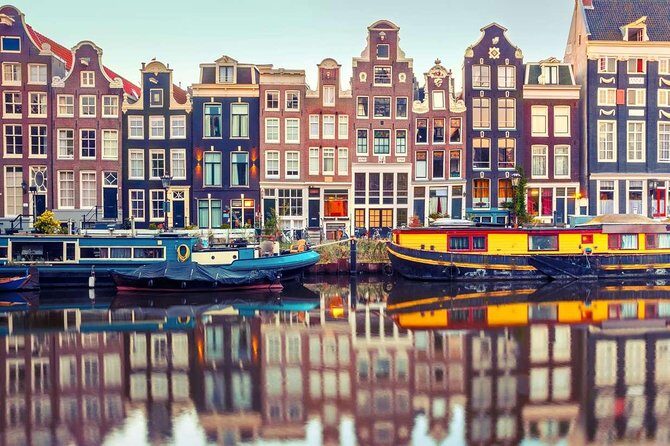
This experience is a strong match for:
- first-timers who want a well-paced overview of the historic center
- people who like history but also want the human side—how Amsterdam lives, not just how it was ruled
- travelers who prefer smaller groups (max 8) and a guide who tells stories clearly
It’s less ideal if you want:
- long time inside museums or churches with deep content that takes hours
- a photo-heavy stroll with no interpretation (this tour is very guided-story focused)
- a full-day route that covers multiple neighborhoods far beyond the center
In other words, it’s a great “set your compass” tour. Then you can go explore on your own with better instincts for what matters.
Should You Book This Tour or Keep It Flexible?
Book it if you want a smart, story-driven route through Dam Square, the canal context at Torensluis, the Jordaan mood, and a cultural closer at Westerkerk. The price makes sense for what you get: a professional guide, mostly included admissions at the key stops, and a route that teaches you how to look at Amsterdam instead of just where to stand.
Skip or keep it flexible if you’re already confident with Amsterdam’s basics and you prefer longer, slower visits to just one or two sights. At 2.5 hours, this is more orientation and interpretation than long-form sightseeing.
If you’re in the “I want Amsterdam to click” mood, this one is a solid choice.
FAQ
How long is the tour, and where does it start and end?
The tour runs about 2 hours 30 minutes. It starts at Beursplein, 1012 Amsterdam, and ends back at the same meeting point.
What does the tour cost?
The price is $30.86 per person.
Are admission tickets included?
Admission ticket coverage depends on the stop. Dam Square is listed as admission not included, while Magna Plaza, Torensluis, the Jordaan, and Westerkerk are listed as having admission tickets included.
How many people are in each group?
This tour has a maximum of 8 travelers.
Can the guide adapt the tour if I have a walking disability?
Yes. Let them know in advance if you’re impaired by a walking disability, and they can adapt.
What if my plans change—can I cancel?
You can cancel for a full refund if you do it up to 24 hours before the experience starts. If you cancel less than 24 hours before, the amount paid is not refunded.