REVIEW · THE HAGUE
The Hague : Must-See attractions Private Walking Tour
Book on GetYourGuide →Operated by Guydeez Tours · Bookable on GetYourGuide
Power, paintings, and politics in one short walk. This private tour is a smart way to connect the dots across Dutch Revolt history, famous art, and the country’s seat of government in just a couple hours. I especially love the stop at Mauritshuis for Vermeer’s legacy, and the way Binnenhof and Ridderzaal are explained as the working heart of Dutch politics.
One caution: at $88 per person for 2 hours, it’s not a budget stroll. It’s a better value if you want a guide to translate what you’re seeing and help you plan the rest of your day.
In This Review
- Key highlights to look forward to
- A private 2-hour walk that links power to art
- Starting at Plein 17: getting oriented fast
- Het Plein and the Willem van Oranje story (Dutch Revolt context)
- Mauritshuis: Vermeer’s paintings, explained in place
- Binnenhof and Ridderzaal: where Dutch politics becomes tangible
- Hofvijver pond and the Thorbecke Monument: constitution in plain language
- Lange Voorhout and Noordeinde Palace: elegant streets with real purpose
- Grote Kerk and the stork on top: architecture with a story
- Johan de Witt statue: the shocking ending to a political life
- Private guidance makes the difference (and you can request your guide)
- Getting around: walking first, smart transport as needed
- Price and value: when $88 per person makes sense
- Who this tour is best for (and who might pass)
- Should you book this The Hague private walking tour?
- FAQ
- How long is the tour?
- What is the meeting point?
- Is this tour private?
- What language is the guide?
- Is it wheelchair accessible?
- Do I get to customize the route?
- What’s included in the price?
- Is food or drink included?
Key highlights to look forward to
- Private, customizable route so you can steer the pace toward politics, art, or both
- Mauritshuis framing that ties famous paintings to the museum’s role in Dutch culture
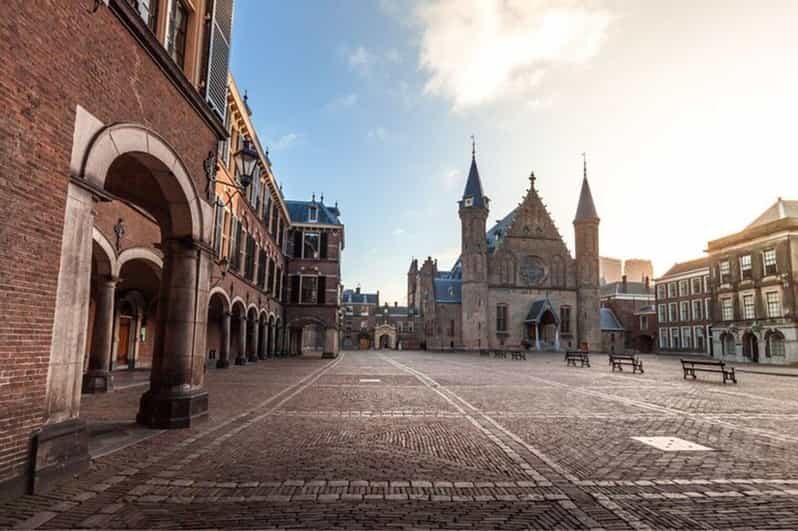
- Binnenhof and Ridderzaal context that makes the parliament complex feel real, not just historic
- Constitution stop at Thorbecke Monument to explain how Dutch governance developed over time
- Lange Voorhout + Noordeinde Palace views mixing grand streets, embassies, and the king’s working palace
- Stork-topped Grote Kerk + Johan de Witt statue for unforgettable stories you won’t get from a quick pass
A private 2-hour walk that links power to art
If you like seeing how places connect, this tour works. The Hague can feel a bit split—political buildings on one side, culture on the other—but a good guide ties them together fast. You start with revolution-era context, then you move toward masterpieces and the parliament complex without the usual whiplash.
You’re also not doing this with a crowd. This is a private, exclusive walking experience, and you can customize what matters most to you. That changes the whole feel: you can ask questions, linger when something grabs you, and skip what doesn’t.
You can also read our reviews of more walking tours in The Hague
Starting at Plein 17: getting oriented fast
You meet your guide at Het Plein / Plein 17, right in the center of the city’s “important stuff” zone. It’s a good place to start because you’re already close to the route’s main anchors. From here, the tour moves on foot with short segments that may include public transport depending on the option you choose.
In practical terms, this matters. With only 2 hours, you don’t want to spend your energy figuring out which direction the major sites are in. You want someone local to do that math for you.
Het Plein and the Willem van Oranje story (Dutch Revolt context)
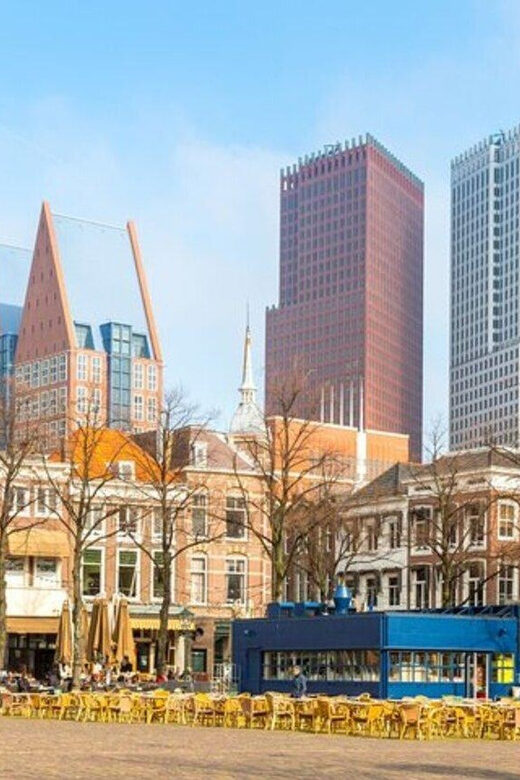
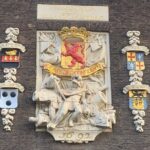
First stop: Het Plein, where the focus is Willem van Oranje, the Father of the Fatherland. This is where the tour starts doing something useful: it gives you the Dutch Revolt background so later buildings and monuments don’t read like random landmarks.
It’s one thing to stand in front of a statue. It’s another to understand why that figure matters and how the conflict shaped the Netherlands that came after. If you’ve got any curiosity about Dutch identity—or why The Hague became such a political hub—this start sets you up.
Mauritshuis: Vermeer’s paintings, explained in place
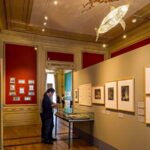
Next up is the Mauritshuis Royal Picture Gallery, famous for major works by Johannes Vermeer. This is the kind of stop where a guide can do a lot of heavy lifting. You’re not just told what the museum is; you’re given history and context around what makes it matter.
Why I think this works well for you: Vermeer is one of those artists people recognize, but the meaning gets clearer when you understand the setting that preserves and frames those works. The tour’s goal here is to make the place click, so you leave with a stronger sense of what to notice if you do visit the museum more closely later.
If you want maximum art time, you may still need more than this 2-hour window. But as a “setup visit” with context, this stop earns its spot.
Binnenhof and Ridderzaal: where Dutch politics becomes tangible
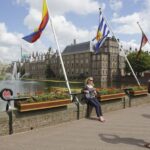
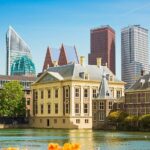
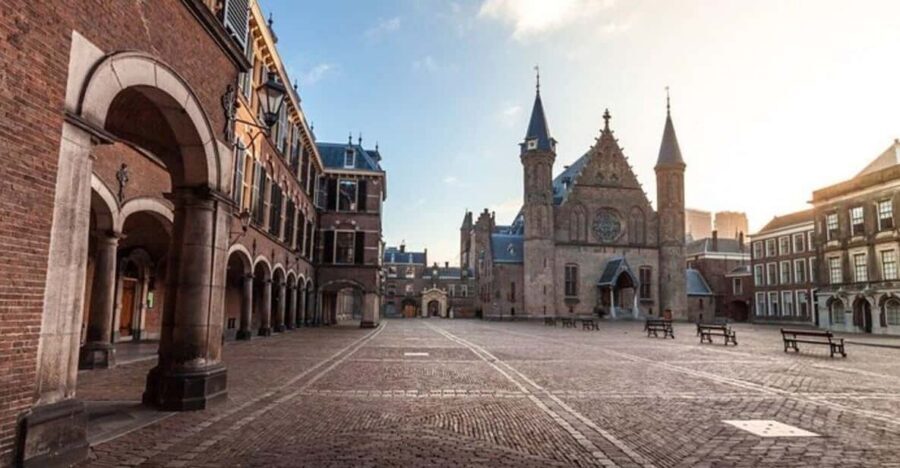
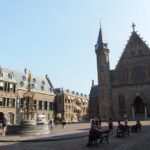
Then you reach the Binnenhof & Ridderzaal, the parliament complex. This section is a standout if you care about how countries actually function, not just what they look like from the outside.
You’ll learn about the complex’s significance, and there’s even a chance you might see ministers while you’re there. Even if you don’t catch that exact moment, you’ll come away with a sense of how the space works as a political stage—because your guide explains what you’re looking at.
Also, this is where private format really shines. Standing in front of government buildings is one thing. Having a guide connect architecture and history to modern governance is another.
You can also read our reviews of more private tours in The Hague

Hofvijver pond and the Thorbecke Monument: constitution in plain language
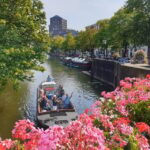
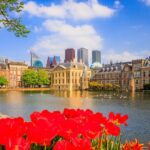
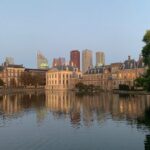
After politics in action, the tour slows down slightly near the Hofvijver pond. It’s a calmer pocket in the city, and it helps you absorb what you’ve just learned around the Binnenhof.
From there, you visit the Thorbecke Monument, tied to the Dutch constitution. This is a smart inclusion because it moves you from “what government does” to “how the structure got built.” If you’ve ever wondered why constitutional ideas show up in public spaces, this stop gives you that link.
Even if you’re not a legal-history fan, you’ll likely appreciate how your guide frames it. This is the kind of story that makes monuments feel more like explanations than decoration.
Lange Voorhout and Noordeinde Palace: elegant streets with real purpose
Now the tour heads along Lange Voorhout, often described as the Champs-Élysées of The Hague. You’ll pass the kind of street scene that makes you understand why diplomats and institutions feel at home here—embassies, an art museum, and impressive streetscape views.
Then you reach Noordeinde Palace, described as the working palace of the Dutch king. This is one of those stops where you get a sense of what’s “symbolic” versus what’s “operational.” The Hague isn’t only for tourists; it’s for systems that keep running, day after day.
From a traveler’s standpoint, I like that you’re walking. The city’s center is best understood on foot, and you get to notice details without losing time inside lines.
Grote Kerk and the stork on top: architecture with a story
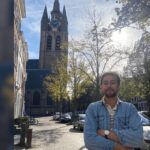
Next comes the Great or St. James’ Church (Grote Kerk), known for the stork on top. That detail alone is fun—storks are not what you expect to notice on first glance in a major church—but the guide’s job here is to help you see the bigger picture.
This is where the tour avoids becoming a checklist. Instead, each site has a hook: a symbol, a historical reason, or an idea about Dutch culture that your guide connects back to what you’ve already seen.
Johan de Witt statue: the shocking ending to a political life
Near the final stretch you’ll see the Statue of Johan de Witt, connected to the Johan de Witt Scholengroep. The story here is stark: he was the only Dutch head of government eaten by an angry mob.
Yes, it’s grim. And yes, it’s memorable. A good guide doesn’t soften the facts; they explain the context around why such an event became part of national memory. If you want The Hague to feel human—not just elegant and formal—this is the kind of stop that brings it there.
It also rounds out the tour’s arc. You started with Willem van Oranje and the Dutch Revolt. You ended with Johan de Witt and the political turmoil that followed. That makes the whole walk feel coherent.
Private guidance makes the difference (and you can request your guide)
One of the best parts of this tour is the guide’s ability to tailor the experience. You’re not locked into a rigid lecture. If you’re interested in politics, you’ll get more of that framing. If you want more culture and architecture, you’ll get that too.
The tour also includes help from the team to book tickets for the visits you want. That’s useful in The Netherlands, where popular places can require planning. It reduces the hassle so you spend your time looking, not searching.
Also, if you can request a guide, I’d take it seriously. People specifically rave about Dr. Elif Toposkal—including the fact that she has a PhD in history and architecture and uses an iPad with slides to show historical context. Another guide mentioned positively is Angela, with praise for matching the group’s tastes.
Even if you don’t request a specific person, the guide’s role is clear: interpret the city for you, then send you off with useful advice for what to do next.
Getting around: walking first, smart transport as needed
This tour is a walking experience with public transport included unless you select an option that changes that. Practically, that means you should be prepared to walk quite a bit, but you may not be walking the entire way nonstop.
Why that matters: when you have limited time (2 hours), you want efficiency without giving up the street-level feel. This route design tries to keep you moving between major clusters—the political center, then the culture and architecture stops nearby—without turning it into a long hike.
Price and value: when $88 per person makes sense
$88 per person for 2 hours sounds steep if you think you’re only paying for someone to point at buildings. But you’re paying for a private guide, plus customization, plus planning help (including ticket support).
Here’s how I frame the value for you:
- If you want to understand what you’re seeing—Vermeer in context, parliament in context—this can feel like money well spent.
- If you’re traveling with kids or teens, the patience and question-friendly pace can be a big win, since everyone gets their own questions answered.
- If you’re the type who prefers self-guided walking tours with audio apps, you may find it pricey for what you get.
To me, this is best viewed as a short, high-impact orientation to The Hague’s most important narrative threads: art, governance, and the stories people built monuments to remember.
Who this tour is best for (and who might pass)
This fits you if:
- You want main highlights plus explanations, not just photos
- You’re short on time but still want context for the big-name places
- You prefer a private format where you can ask questions and adjust the pace
You might skip it if:
- You’re mostly interested in slow museum browsing with lots of time inside galleries
- You’d rather explore alone and don’t feel you need guided history or architecture framing
Should you book this The Hague private walking tour?
Yes, I think you should book it if your goal is to understand The Hague quickly and well. This tour is built for meaning: it links places like Mauritshuis, the Binnenhof, and the Thorbecke Monument into a single story about Dutch culture and governance. The private format makes it feel personal, and the guide’s ability to use context—especially with guides like Dr. Elif Toposkal—can turn “seeing sights” into real understanding.
If you’re on a tight budget, you might look at alternatives. But if you’re willing to pay for interpretation, planning help, and a route that hits the core in just 2 hours, this is a strong choice.
FAQ
How long is the tour?
It lasts 2 hours.
What is the meeting point?
You meet your guide at Plein 17 / Het Plein.
Is this tour private?
Yes. It’s a private, exclusive walking tour with no one else in your group.
What language is the guide?
The live guide speaks English.
Is it wheelchair accessible?
Yes, the tour is wheelchair accessible.
Do I get to customize the route?
Yes. The tour is private and customizable based on what you want to see.
What’s included in the price?
It includes the private tour, customization, walking and public transport (except if you choose an option that changes this), and help booking tickets for the visits you want.
Is food or drink included?
No. Drink or food is not included.