REVIEW · THE HAGUE
The Hague: Escher in The Palace Museum Ticket
Book on GetYourGuide →Operated by Escher in Het Paleis · Bookable on GetYourGuide
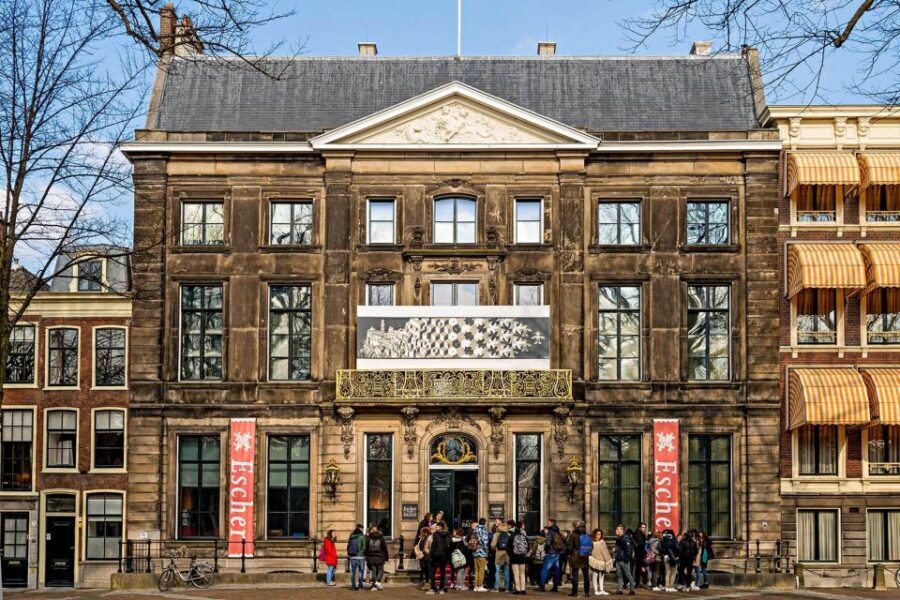
Optical trickery in a royal palace works. The Escher in Het Paleis exhibition turns famous prints into a full-on experience inside the former Winter Palace of Queen Mother Emma, where the original royal feel has been kept. I especially love the sheer scale of Metamorphosis III and how the museum’s rooms make the art feel like it belongs there, not like an afterthought.
Second, I like that the visit moves beyond passive looking. You get both classic Escher favorites and a hands-on section called Looking as Escher Does, where your eyes play games and your hands figure out patterns. The one thing to consider is that the spaces can feel a bit tight, and some viewing areas (like video) may feel warm or cramped.
In This Review
- Key highlights at a glance
- Why this Escher ticket feels different than a normal museum visit
- The palace itself: what you’re actually walking into
- Metamorphosis III and the long wall of impossible logic
- The exhibition floors: how the art unfolds through the palace
- Looking as Escher Does: the interactive second-floor section
- Audio guide in many languages: getting context without slowing down too much
- Chasing details: chandeliers, videos, and small moments that make it feel alive
- The café in the former kitchen: a smart pause mid-visit
- Price value: what about $15 gets you in real terms
- Getting the most out of your visit (without rushing it)
- Who this ticket suits best—and who should think twice
- Should you book Escher in Het Paleis?
- FAQ
- Where is the meeting point for this ticket?
- How do I get there from The Hague Central Station?
- What’s included with the ticket?
- Which languages are available for the audio guide?
- Are luggage or large bags allowed inside?
- What dates is the palace closed?
Key highlights at a glance
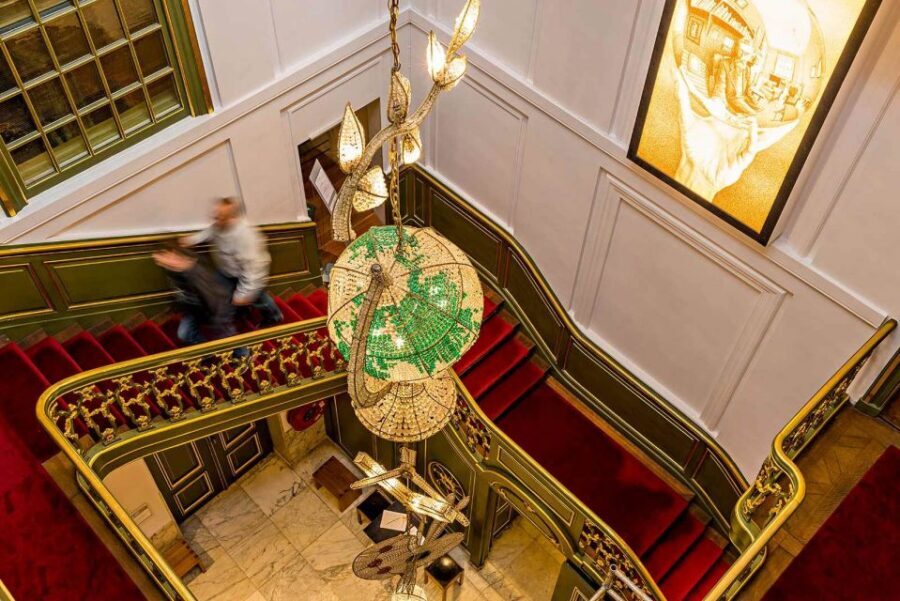
- Royal setting, real atmosphere: The palace keeps its original ambience, so the art sits in a place with gravity.
- Metamorphosis III (7 meters long): A huge woodcut that makes time and space feel like one idea.
- Over 130 prints plus more art: You get a broad view of Escher themes, not just the biggest hits.
- Looking as Escher Does: Interactive puzzles on the second floor for both kids and adults.
- Day and Night + Climbing and Descending: Two iconic illusion prints that still feel weirdly fresh.
- Audio guide in many languages: English plus a wide list if you want story and context while you walk.
Why this Escher ticket feels different than a normal museum visit
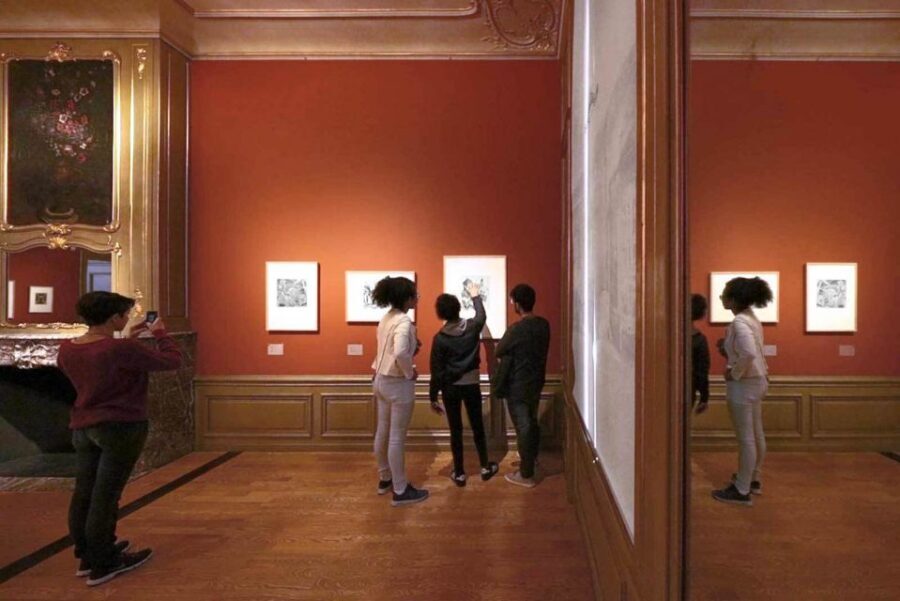
Escher is famous for impossible staircases, shape-shifting worlds, and patterns that pretend to have rules you can’t see. Most museums show his work like a slideshow: nice frames, good labels, you move on. This one has a built-in advantage. The Het Paleis building doesn’t feel neutral. It feels like you’re stepping into a stage.
That matters because Escher’s art is all about perspective. The exhibition’s setting reinforces that. You’re not just reading about optical logic; you’re in a space where symmetry, ornament, and old-world formality already do some of the visual work for you. If you care about how places change the way you see things, you’ll enjoy this.
I also like that the exhibition focuses on the full artist, not just the “greatest hits.” The collection is described as showing almost all of Escher’s works in the permanent display, with the famous themes presented repeatedly and evolving. That is a big deal. When you see the same core ideas return in new forms, the art stops being random tricks and starts feeling like a long investigation.
You can also read our reviews of more tours and experiences in The Hague

The palace itself: what you’re actually walking into
Meet at Het Palais, Lange Voorhout 74, Den Haag. Getting there by public transit is easy: from The Hague Central Station, take tram 9 (get off at Korte Voorhout) or tram 17 (get off at Kneuterdijk).
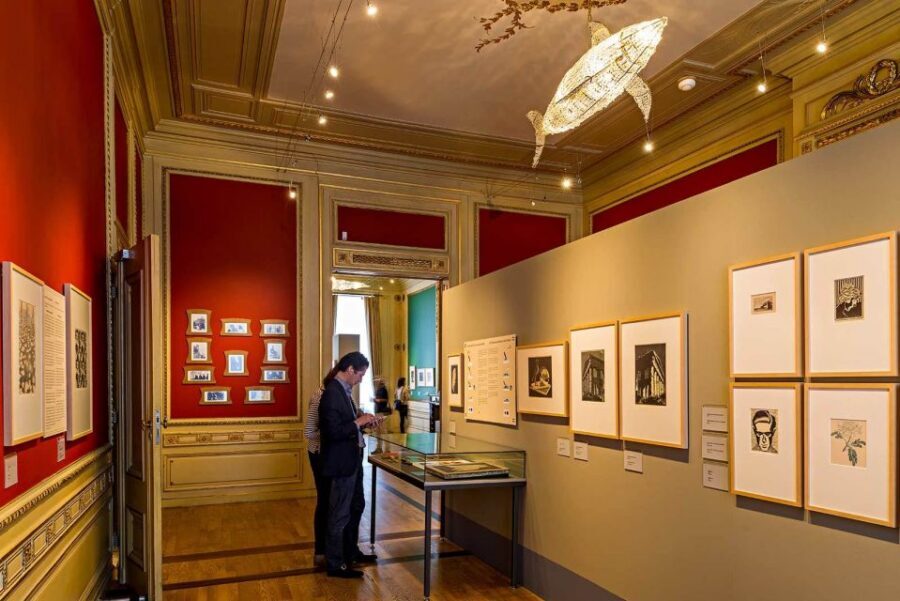
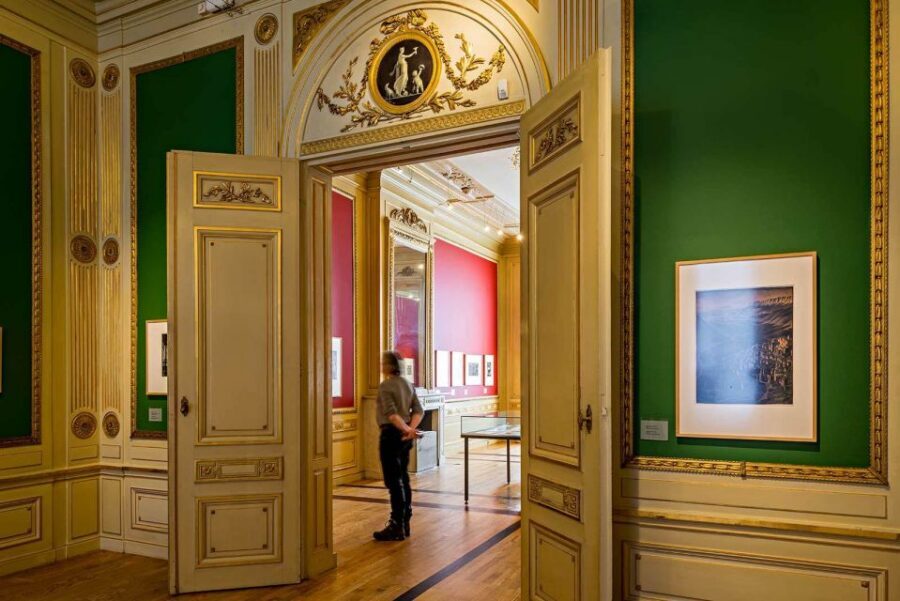
Now, the building. This former Winter Palace of Queen Mother Emma is called out as the only public building in The Hague where the original royal ambience has been maintained. Whether you know Dutch royal history or not, you’ll feel the difference right away. The palace doesn’t try to be a modern art box. It’s older, quieter, and built for grandeur—so Escher’s “brain-bending” prints land with extra punch.
One small practical note: you’re visiting in a palace, not a warehouse. That’s part of the charm, but it can mean some rooms are compact. If you’re someone who likes lots of space to spread out, plan to move steadily and don’t expect wide-open galleries.
Metamorphosis III and the long wall of impossible logic
Let’s talk about the star: Metamorphosis III, the 7-meter long woodcut. The key word here is experience. This piece is displayed in a non-conventional way so you can see how Escher combines time and space into one continuous organic idea.
What that means in real life: this isn’t just a “look at it from a distance” print. You’ll want to slow down. The whole point is that the transformation isn’t a single moment. It’s a process. As you follow the changes, your brain keeps trying to decide where one world ends and another begins.
I love this because it’s the rare “famous art moment” that still feels like discovery. Even if you’ve seen photos online, a large scale plus a guided display setup changes the rhythm. The piece is huge enough that you notice relationships between areas you’d never catch in a book or on a screen.
If you only have time for one must-see object, make it this.
The exhibition floors: how the art unfolds through the palace
The permanent exhibition dedicated to Escher’s work is spread throughout the palace, and it’s packed—over 130 prints, plus other influential works mentioned as part of the wider presentation. I found the best way to handle it is not to rush room to room like you’re checking items off a list. Instead, pick a few themes and follow how Escher returns to them.
The display includes many of the “impossible” prints you’ve heard about:
- Day and Night, where a Dutch scene shifts into a flock of birds.
- Climbing and Descending, showing rows of people perpetually ascending and descending a staircase.
These titles don’t fully prepare you for how those illusions operate. Escher’s trick isn’t just that the picture changes. The deeper magic is that the picture seems to force the viewer into participating. You keep trying to reconcile the same shapes from different angles or different layers of meaning.
Also, I appreciate that the exhibition doesn’t only focus on one side of Escher. The collection is described as showing his evolution and his love of mathematics. So if you like the art and you like the idea that there’s real structure behind the weirdness, you’ll be in your happy place.
Looking as Escher Does: the interactive second-floor section
On the second floor, there’s an interactive exhibition called Looking as Escher Does. This is where the museum stops being only visual and starts inviting your participation.
The concept is simple: you do puzzles with your eyes and you unravel some mysteries with your hands. The format is described as games for your eye and for your hands, so think of it as learning the rules by playing inside them, not by reading a paragraph.
This is also the area where kids can have real fun without needing special art knowledge. One review highlights a treasure hunt for children elsewhere in the museum experience, and this interactive area fits that same family-friendly spirit. Even if you travel solo, it’s a nice break from looking at prints and labels. You get your brain to switch modes for a bit.
If you’re visiting on a busy day, try to arrive with energy. Interactive rooms work best when you’re not waiting for your turn.
You can also read our reviews of more museum experiences in The Hague

Audio guide in many languages: getting context without slowing down too much
An audio guide is included, with languages listed as English, Dutch, German, French, Chinese, Japanese, Ukrainian, Korean.
You don’t need to use it, since the displays include descriptive information. But having an audio track is useful when you want story and interpretation while you’re moving. It can help you connect the visual tricks to the broader “how and why” of Escher’s thinking—especially around themes like mathematics, repetition, and transformation.
My advice: don’t treat the audio guide like a lecture. Use it in the moments where your brain starts asking questions: how did this transformation work, what theme is returning here, and what are the rules of this illusion?
If you’re traveling with mixed language needs, the multi-language list is also a big practical win.
Chasing details: chandeliers, videos, and small moments that make it feel alive
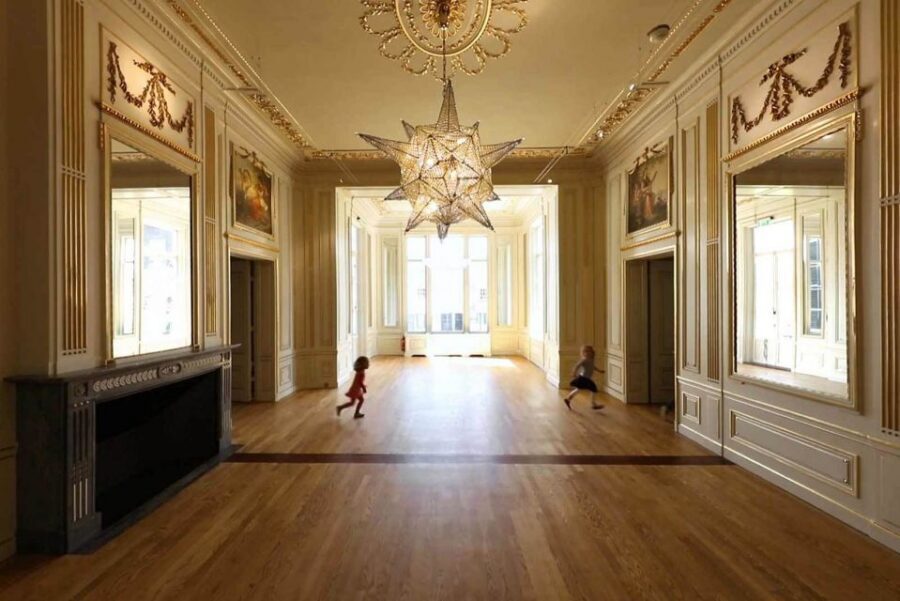
Some of the most memorable museum moments aren’t the headline prints. They’re the little things you notice while you’re moving between rooms.
One review specifically calls out the chandeliers, and I’d take that seriously. In a palace setting, lighting and décor can affect how you see the art. It’s not just pretty. It’s part of the atmosphere.
There’s also mention of a video introduction and a bio-style presentation about Escher’s life, which sets the tone for the visit. That can be great for first-timers because it frames what you’re about to see. The only watch-out is that the video viewing space is described as small and may feel stuffy for some people. If you’re sensitive to heat or crowds, plan your visit with a quick walk-through first, then come back for the video when you’re ready.
The café in the former kitchen: a smart pause mid-visit
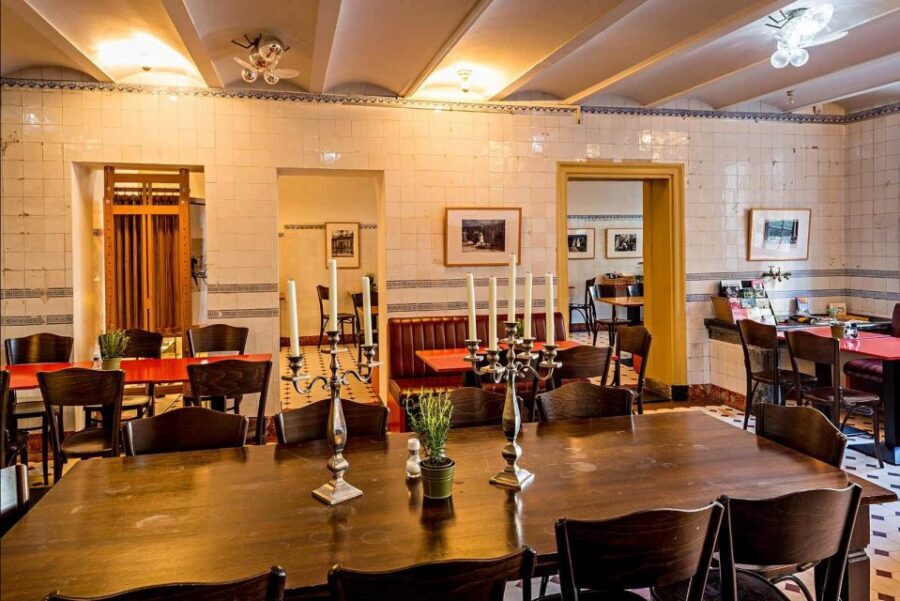
One practical reason I’d plan time for the museum café: it’s located in the former kitchen of the palace. That means your break feels like part of the building, not just a rushed stop.
You don’t need a long meal. Just get a drink, reset your eyes, and come back to the prints with fresh focus. Since Escher’s work rewards close looking, a quick pause can make a second pass more enjoyable.
If you’re traveling with kids, this kind of pause helps keep energy up for the interactive parts.
Price value: what about $15 gets you in real terms
The ticket price is listed as $15 per person. For that money, you’re not paying for a workshop or a small pop-up. You’re paying for access to a permanent Escher collection with a standout centerpiece—Metamorphosis III—plus a hands-on second-floor exhibit.
The bigger value point isn’t just the price tag. It’s the combination:
- A major Escher display in a palace setting that still feels like a palace.
- Over 130 prints in one go.
- Interactive time so the visit isn’t only “look, read, move.”
At $15, it’s the kind of museum ticket that works even if your schedule is tight. If you’re doing a day in The Hague, this can be a centerpiece activity without turning your day into a chore.
Getting the most out of your visit (without rushing it)
Here’s how I’d plan it so you actually enjoy it, not just survive it:
- Start by picking one or two prints to treat as anchors: Metamorphosis III and one of the headline illusions like Day and Night.
- Then move through the rooms looking for repeating ideas: transformation, patterning, and impossible depth.
- Save the interactive Looking as Escher Does section for later, after you’ve trained your eye on the styles and themes.
- Give yourself a realistic time window. One review notes the museum is a good size for about an hour or so if you browse carefully. If you stop to read more and play with the interactive puzzles, plan more time.
If you like optical illusions, math in art, or design patterns, you’ll get more out of it. If you hate slow galleries, you can still see the highlights, but you’ll want to move with purpose.
Who this ticket suits best—and who should think twice
This ticket is a great fit if:
- You love Escher already and want to see a large number of prints together.
- You enjoy when art has a “rules” component—mathematics, structure, and transformation.
- You’re traveling with kids and want something visual and interactive.
- You care about visiting art in distinctive architecture, not just in a generic gallery.
You might want to think twice if:
- You’re very sensitive to crowding or tight spaces, since some rooms and viewing areas are described as compact.
- You’re hoping for a full guided narrative. Guided tours exist for reservation (up to 20 people, listed at EUR 60 per guide), but the standard ticket experience is self-directed with an audio guide option.
Should you book Escher in Het Paleis?
Yes—if you want a museum visit that feels like more than “another art stop,” book it. The value is strong at around $15, and the setting inside Het Paleis adds something rare: an atmosphere that makes the optical puzzles feel even more grounded. If you love the idea of following transformation from start to finish, the 7-meter Metamorphosis III is worth building your day around.
FAQ
Where is the meeting point for this ticket?
The meeting point is Het Palais – Lange Voorhout 74 Den Haag.
How do I get there from The Hague Central Station?
From The Hague Central Station, you can take tram 9 to stop Korte Voorhout or tram 17 to stop Kneuterdijk.
What’s included with the ticket?
The ticket includes admission to Escher in Het Paleis and an audio guide.
Which languages are available for the audio guide?
The audio guide is available in English, Dutch, German, French, Chinese, Japanese, Ukrainian, and Korean.
Are luggage or large bags allowed inside?
No. Luggage or large bags are not allowed.
What dates is the palace closed?
The palace is closed on Christmas Day and January 1. It is open on Easter, King’s Day, Ascension Thursday, Whitsun, and Whit Monday.