REVIEW · THE HAGUE
The Hague: Prison Gate Museum
Book on GetYourGuide →Operated by Rijksmuseum de Gevangenpoort · Bookable on GetYourGuide
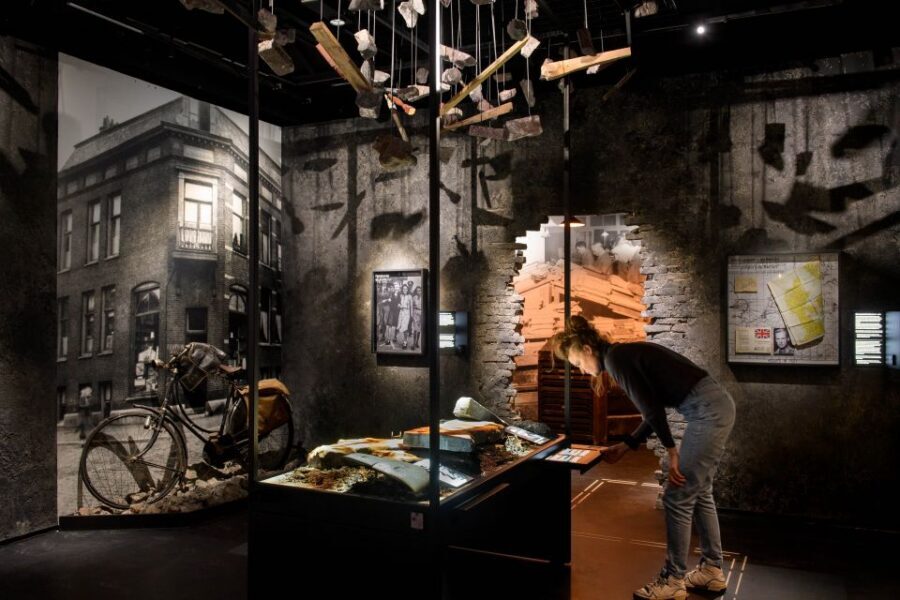
Prisons usually mean silence. This one means stories. The Prison Gate Museum in The Hague is a medieval monument that you walk through as it explains how crime and punishment worked, including major moments like the De Witt brothers’ murder. I love the way the museum tells the history like a guided narrative, and I also like that you can see the actual prison cells and related instruments instead of only reading about them. The main thing to consider is that the content includes torture and punishment tools, so it’s not for everyone who wants a light, casual stop.
This is also a good pick if you want something “real” in The Hague, not just another pretty building. You’ll be learning in a place that genuinely shaped Dutch justice for centuries, from gateway to courthouse to prison. Since this experience is without a guided tour, you’ll want to go at a comfortable pace and actually read what’s in front of you, not rush.
In This Review
- Key highlights you’ll care about
- A medieval gateway on the Hofvijver: what makes Prison Gate special
- Ticket value: what you get for $18 and why it’s fair
- Walking the story without a guide: how to pace your self visit
- The cells and courtroom world: what you’ll notice as you move through
- The De Witt connection: how the museum makes major Dutch history feel tangible
- Torture and punishment instruments: what you’ll see and how to handle it
- Price, time, and logistics that matter on a 1-day plan
- Who should book and who should think twice
- Should you book the Prison Gate Museum in The Hague?
- FAQ
- Where is the Prison Gate Museum located?
- How long does the visit take?
- How much is the entry ticket?
- Is a guided tour included?
- What’s included with the ticket?
- Are food and drinks included?
- Can I cancel for a full refund?
Key highlights you’ll care about
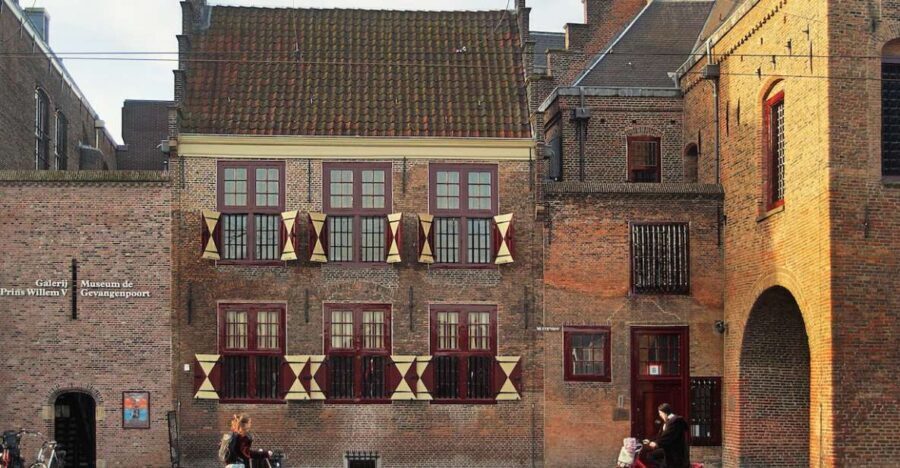
- A medieval gateway on the Hofvijver that once led into the Binnenhof area
- Jailhouse + courtroom history tied to the Hof van Holland
- Cells connected to real Dutch figures, including Johan and Cornelis de Witt
- Torture and punishment instruments shown as part of the story
- Questions answered on-site, like how rich and poor prisoners differed
- A one-day visit that’s focused enough to fit into a busy Hague itinerary
A medieval gateway on the Hofvijver: what makes Prison Gate special
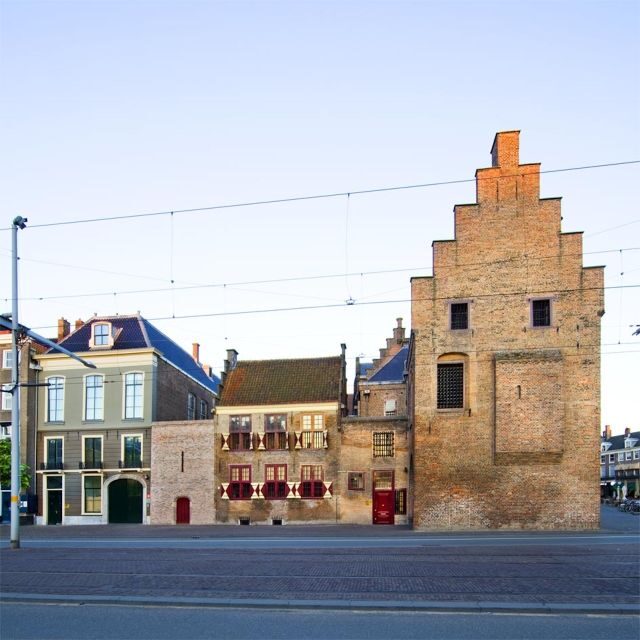
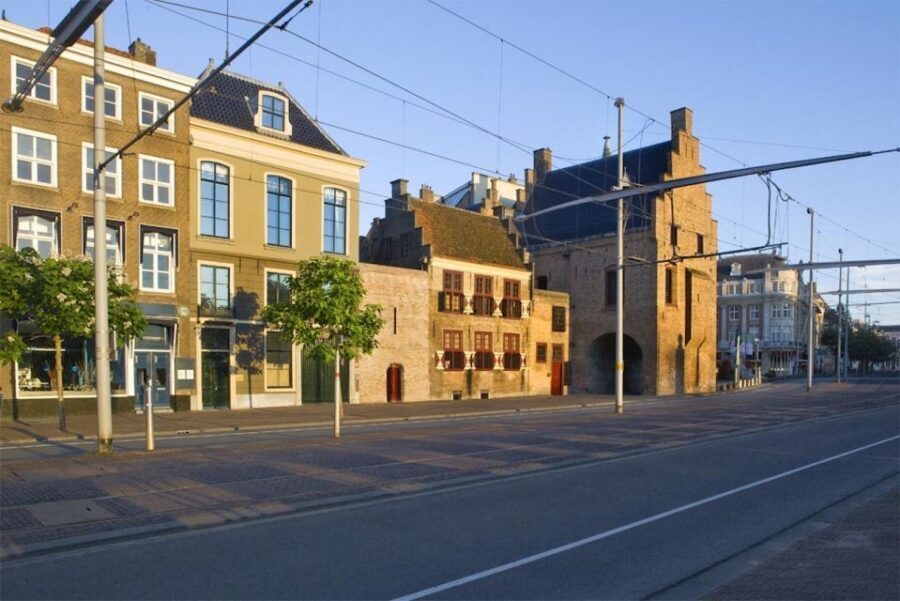
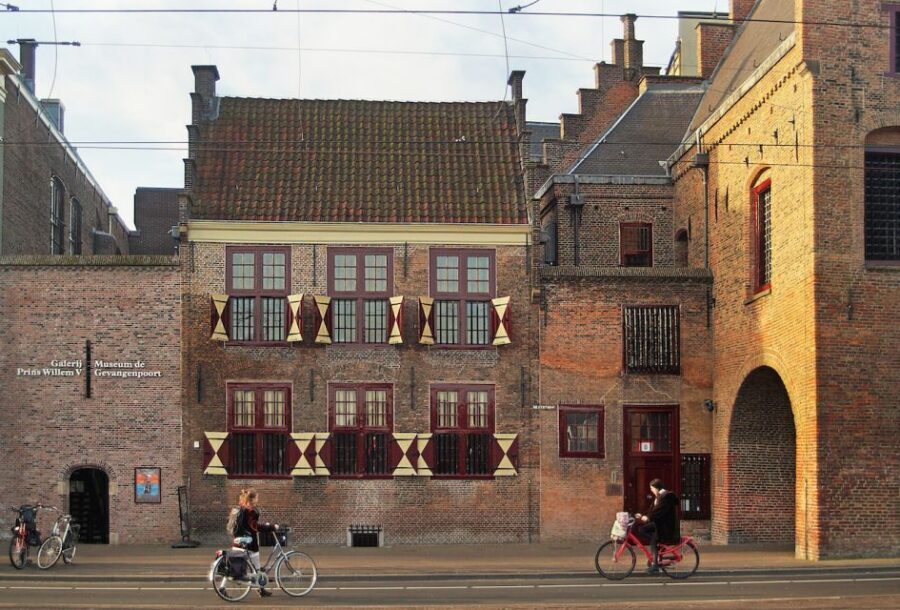
The Prison Gate Museum, Rijksmuseum de Gevangenpoort, is set on the Hofvijver in The Hague. That setting matters, because it’s not tucked away in some side street where you might feel unsure you’re in the right place. You’re right by one of the city’s most recognizable central features, and the building itself looks like it belongs to another century.
What makes it more than a dramatic photo stop is the building’s layered job history. In the 13th century, this structure served as a gateway to the Binnenhof. Then, over later centuries, it shifted roles and became a prison and courthouse connected to the Hof van Holland. That means when you walk through, you’re not just seeing “a museum about prisons.” You’re walking through a structure that actually helped run detention and legal proceedings in Dutch history.
I like how the museum frames it as a system. Instead of presenting justice as one simple event, it explains the whole chain: suspected criminals waiting for trial, defaulters imprisoned, verdicts delivered, and punishments carried out. You start seeing how the place worked day to day, not just what happened in famous headline moments.
You can also read our reviews of more museum experiences in The Hague



Ticket value: what you get for $18 and why it’s fair
At $18 per person for a 1-day visit, you’re paying for a focused museum experience centered on one major site. That price feels sensible because you’re getting access to a full, story-driven experience in an actual historic monument, not just a quick exhibit.
Here’s what’s included: entry ticket, WiFi, and a wardrobe. That wardrobe detail is more useful than it sounds. If you arrive with a bag or extra layer, you have somewhere to put it so you can move around comfortably and actually read displays without constantly adjusting your belongings.
Also, the museum is designed to work even when you’re not paired with a guide. Since this is without a guided tour, the ticket value depends on whether you enjoy self-directed learning. Based on the museum’s design and presentation style, it’s built to keep you moving through a narrative, with enough context that you don’t feel lost.
Walking the story without a guide: how to pace your self visit
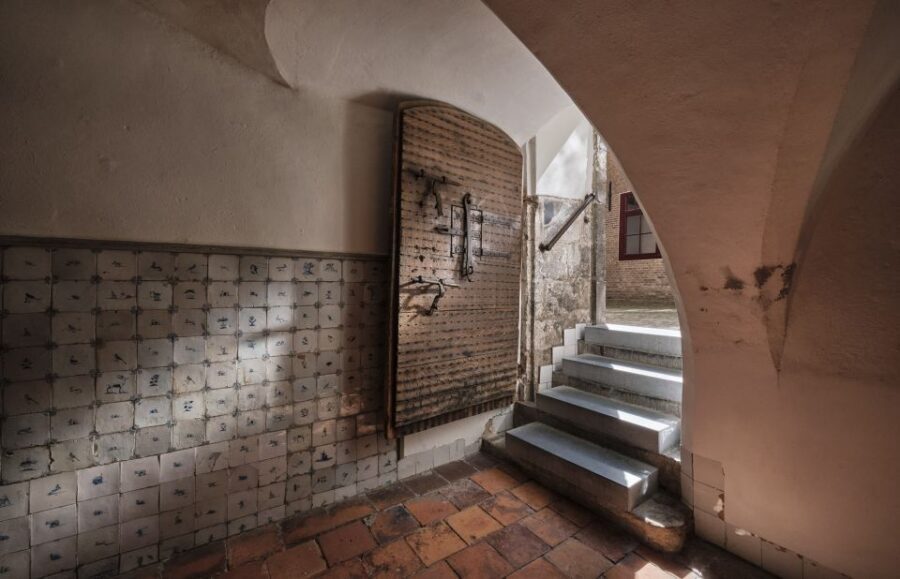
This experience is without a guide, which means you control your pace. That’s a plus if you hate feeling herded. It’s also a reality check: you’ll get the most out of the visit if you take a little time at each stop rather than treating it like a speed run.
A practical way to do it is to think in “before trial, during trial, after verdict” stages. The museum is set up to help you understand:
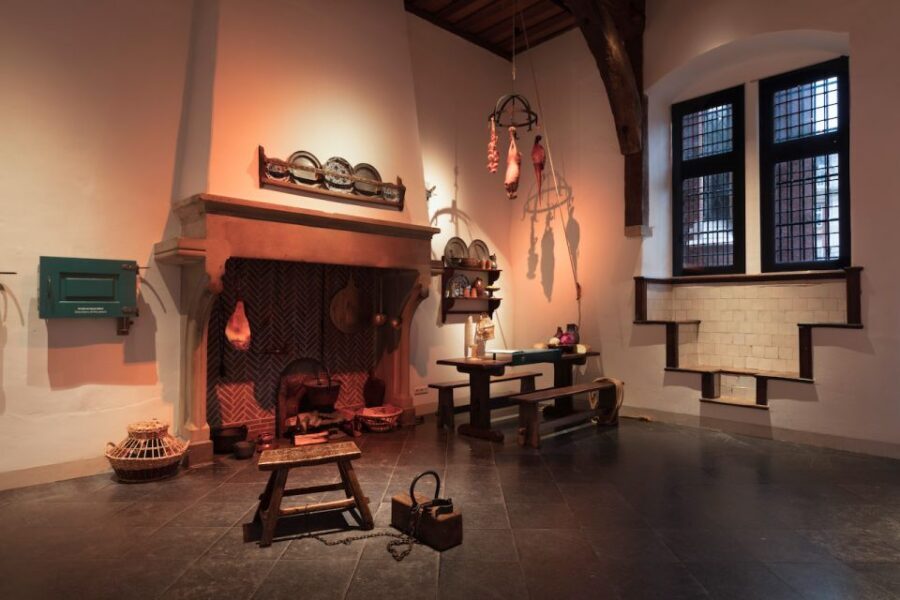
- Where people were held (the prison cells you’ll see)
- How verdicts were handled (the museum addresses where prisoners heard their verdict)
- What punishments were given (you’ll also see the punishment instruments on display)
- Whether conditions differed by status (the museum addresses how poor and rich prisoners could differ)
You don’t need to be an expert on Dutch legal history to follow this. The design leans on clear storytelling, and the visual approach seems aimed at making the building readable as history. One of the strongest impressions is that the story comes across as understandable and presented in a visual, compelling way, not just text-heavy.
Tip for your visit: bring your curiosity, not your phone dependence. WiFi is included, but you’ll likely enjoy the museum more when you pause, read, and take in what the prison gate looks like from inside. If you do use your phone, use it to help you connect names and dates as you go, rather than to replace the exhibits.
The cells and courtroom world: what you’ll notice as you move through
When you tour a prison museum, the main danger is staying on the surface: wow, grim, dark, next. The Prison Gate Museum gives you more structure, and you’ll probably notice that it’s trying to answer specific, human questions.
For example, it’s not only about famous names. It asks where people stayed, and it explicitly raises the issue of class. Was there a difference between poor and rich prisoners? The museum presents this as part of the story, so you’re encouraged to compare what you see rather than only absorbing one uniform version of imprisonment.
Then there’s the legal side. This place didn’t just detain people; it also functioned like a courthouse tied to the Hof van Holland. You’re shown how suspected criminals waited for their trial and how defaulters could end up imprisoned. That legal “in-between” time is often left out of prison stories elsewhere, so I appreciate that this museum treats the waiting and process as part of the experience.
And you’ll hit the moments that anchor it in Dutch history. One of the key examples highlighted in the museum’s narrative is the murder of the De Witt brothers. This isn’t offered as trivia. It’s used to show how the building intersects with major events that shaped the country’s story.
The De Witt connection: how the museum makes major Dutch history feel tangible
The De Witt brothers connection is one of the reasons this site draws people who might otherwise skip a prison museum. Johan and Cornelis de Witt are name-recognition figures in Dutch history, and the museum ties them directly to the building’s role.
What I like about how this connection is handled is that it doesn’t float in the abstract. The museum links them to the reality of imprisonment here, bringing the political and historical stakes down to something concrete: cells, confinement, and the machinery of punishment and trial.
This approach is useful for you because it turns a museum into a place where names have physical meaning. If Dutch history is something you’ve read about before, the museum can help your memory lock onto a location. If you’re new to it, the De Witt moments act like signposts that guide you through the broader context.
Just keep your expectations realistic. This isn’t a thick biography exhibit. It’s still a prison gate story first, with major historical episodes woven into the narrative.





Torture and punishment instruments: what you’ll see and how to handle it
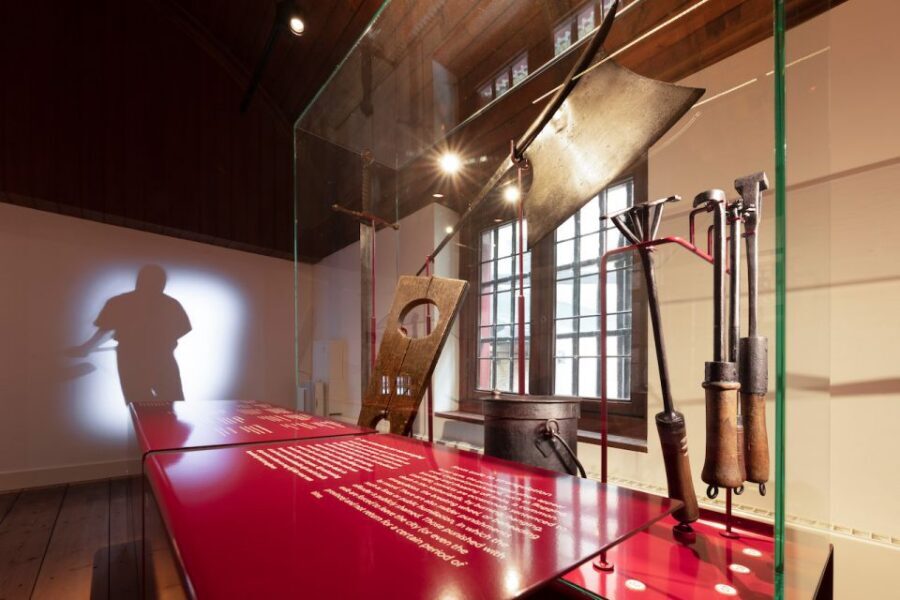
One of the museum’s most talked-about elements is the national collection of torture and punishment instruments. That’s a bold claim in the best way, because it tells you you’re not just looking at a couple of old tools behind glass.
The museum doesn’t just mention punishment. It explains the instruments connected to torture and shows them as part of how the system functioned. It also addresses the question of what punishments were given, so you can see the difference between imprisonment and other forms of punishment.
Important note: this content is intense. If you’re sensitive to graphic or disturbing historical material, take that seriously. You can still enjoy the museum for its historical and educational value, but you should go in knowing it includes hard subjects.
How to handle it practically:
- Move slower when you reach the instruments section. Don’t treat it like a checklist.
- If you need a pause, use the surrounding storytelling areas to reset your focus.
- Focus on context: what problem the justice system claimed to solve, and how punishment was used to enforce order.
I think this museum’s strongest power is that it shows the human impact of “justice” as it operated in earlier centuries, not as a sanitized concept. That can be uncomfortable, but it’s also where the meaning is.
Price, time, and logistics that matter on a 1-day plan
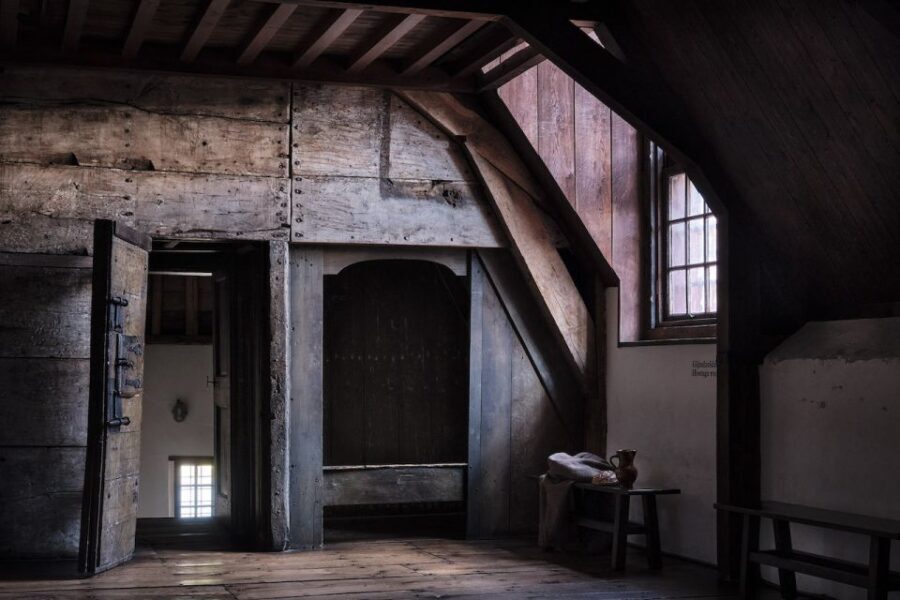
You’re planning a 1-day visit, and that helps you design the rest of your Hague day. This is not a multi-day deep dive into endless galleries. It’s centered on one major historic complex, with a clear narrative path through its spaces.
Because the experience is without a guided tour, you should plan for time to read and absorb. A quick skim will leave you with mostly impressions, not understanding. If you only have an hour, you might still see key areas, but you’ll likely miss the way the museum ties details together: how imprisonment worked, how verdicts were delivered, and what instruments existed in the punishment system.
What’s worth bringing:
- Comfortable shoes, since you’ll be moving through a historic building
- A light bag if possible, so you can use the included wardrobe quickly and get comfortable
- A willingness to slow down for the heavier parts of the story
As for food and drinks, they’re not included. So plan a meal before or after your visit. That’s especially helpful because the prison content can take more mental energy than you’d expect, and you don’t want to rush your day trying to find something last minute.
Who should book and who should think twice
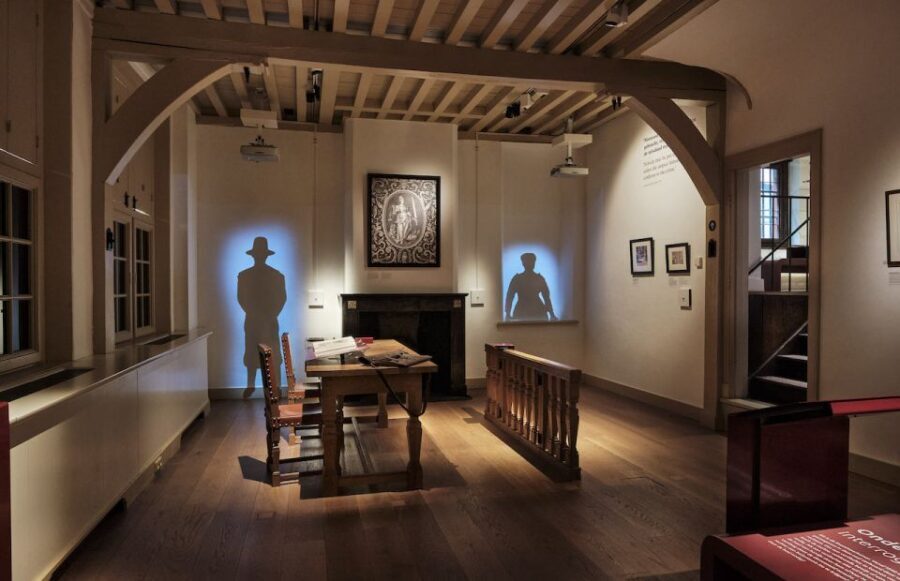
This museum is a strong match if you like:
- Dutch history connected to specific places
- Museums that tell a story using visuals and physical settings
- Learning about how legal systems worked in earlier centuries
- A visit that feels focused rather than scattered across a huge complex
It’s also ideal if you’re curious about the darker corners of history and you want context, not just shock value. The museum’s design approach seems built to make the story clear and understandable, not hidden behind jargon.
Think twice if:
- You want only light, kid-friendly entertainment
- You’re very sensitive to torture and punishment material
- You dislike self-guided visits and need a live guide to keep you engaged
Should you book the Prison Gate Museum in The Hague?
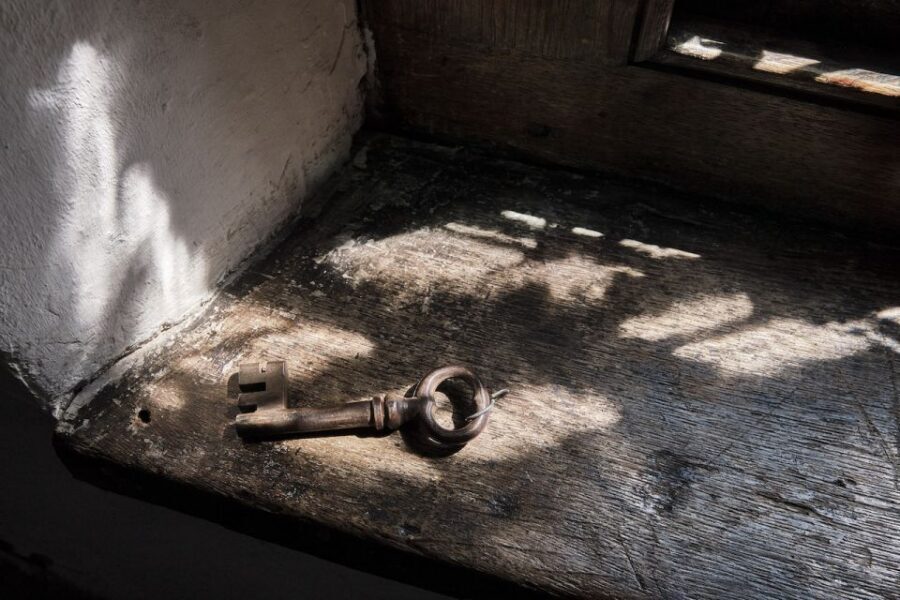
Yes, I’d book it if you want a serious, memorable Hague experience without needing a complex plan. The $18 ticket feels like good value because you get access to a single historic site that teaches a full story: gateway to Binnenhof area, prison and courthouse operations, famous historical connections like the De Witt brothers, and the uncomfortable reality of torture and punishment instruments.
You’ll probably appreciate it even more if you’re the type who likes reading labels and connecting facts to what you see in front of you. And if you’re open to the heavier side of history, this one has a way of sticking with you long after you leave the building.
FAQ
Where is the Prison Gate Museum located?
It’s in The Hague, in South Holland, Netherlands, and it’s beautifully situated on the Hofvijver.
How long does the visit take?
The experience is listed as a 1-day activity.
How much is the entry ticket?
The price is $18 per person.
Is a guided tour included?
No. This activity is without a guide, so it’s designed for self-paced visiting.
What’s included with the ticket?
The included items are the entry ticket, WiFi, and wardrobe.
Are food and drinks included?
No. Food and drinks are not included.
Can I cancel for a full refund?
Yes. Free cancellation is available up to 24 hours in advance for a full refund.