REVIEW · THE HAGUE
Royal Delft: Delftblue Factory and Museum Admission Ticket
Book on Viator →Operated by Royal Delft · Bookable on Viator
A real factory makes Delft Blue feel real.
At Royal Delft (Koninklijke Porceleyne Fles), you get a self-guided museum + workshop-style factory visit where you’ll learn how centuries-old designs actually get painted and fired. It’s also a place with famous cultural links, from themed rooms to royal patronage that shaped the look of Delftware.
I especially like the chance to watch people at work—from painting to the production process—so the pretty patterns aren’t just on display. I also like that the visit is organized enough to work well solo, with panels and an audio tour in multiple languages, so you’re not stuck guessing what you’re seeing.
One thing to consider: this isn’t a big, all-day museum. If you rush, you can feel like you’re walking fast through a compact experience. If you want it to sink in, plan for a little extra time, especially if you pause for the brasserie.
In This Review
- Key things to know before you go
- Royal Delft in one hour: what your ticket is really buying
- The factory and museum flow: easy self-guided exploring
- The themed rooms: where Delft Blue becomes a story
- Watching production: where the craft gets specific
- Plan your timing around the brasserie and the showroom
- Price, value, and practical logistics that actually matter
- Who should book Royal Delft, and who might not love it
- Should you book Royal Delft: Delftblue Factory and Museum Admission Ticket?
- FAQ
- How long is the Royal Delft museum and factory admission experience?
- Is this ticket self-guided or do I need a guide?
- What languages are available for the audio tour?
- Is food included with the ticket?
- Is Wi-Fi available?
- Do I get a mobile ticket?
- What are the opening hours?
- Are children allowed?
- How big are the groups?
- Can I cancel for free?
Key things to know before you go
- Skip-the-line entry that helps you make the most of your time inside
- A 1-hour audio tour available in 8 languages for independent exploring
- Hand-painted tradition on view, including the chance to see artists working
- Themed rooms tied to Delft’s art world, plus a look at royal collections
- Factory tour + showroom in one visit, with shopping at the end
- Brasserie access for coffee, tea, lunches, and high tea (pay on your own)
Royal Delft in one hour: what your ticket is really buying
You’re paying about $20.52 for a ticket that’s built for a smooth, efficient visit: skip-the-line entry, then a structured audio experience that guides you through the museum and the working parts of the factory. That value is biggest if you care about craft—because you’ll see the real process, not just photos.
The duration listed is about 1 hour, but the experience is set up so you can slow down. The museum portion is compact, and the factory viewing is flexible. In practice, I’d plan for 1 to 1.5 hours if you read the room signs, watch the painters for a bit, and linger in the shop.
The ticket is also a practical choice for independent travelers. The audio tour gives you direction without needing to match your day to a tour guide’s pace. Plus, free Wi-Fi can help if you want to look up a piece’s story or map your timing while you’re nearby.
You can also read our reviews of more tours and experiences in The Hague

The factory and museum flow: easy self-guided exploring
This visit works like a self-guided route through a museum and a working ceramic factory. You’ll move room to room, following the audio stops and the information displays. The layout is designed so you don’t feel lost, even if you’re not with a group.
A strong part of this experience is how you can split your attention:
- You can watch production happening in the factory areas.
- You can learn from screens and room panels.
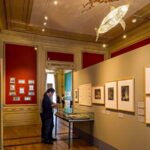
- You can compare antique and modern Delftware in the museum displays.
If you’re the type who prefers quiet curiosity over a fast script, this style is ideal. You can stand in front of a piece for an extra minute, then drift to the next room when you’re ready.
One small caution: because there’s no full-time guide running behind you, you’ll rely on what’s around you—panels, samples, and the audio track. If you’re the sort of visitor who needs constant narration to stay engaged, consider leaning into the audio from the start so you don’t miss the story threads.
The themed rooms: where Delft Blue becomes a story
Royal Delft isn’t just about “pretty blue plates.” The museum organizes the craft into themes that connect Delft Blue to people and history.
Here are three rooms/themes you’ll see as you move through:
- A dining room tied to Johannes Vermeer: you’ll encounter the Delft connection through the lens of one of the city’s best-known artists. It’s a clever way to make Delft Blue feel like it belongs to everyday life, not just formal display.
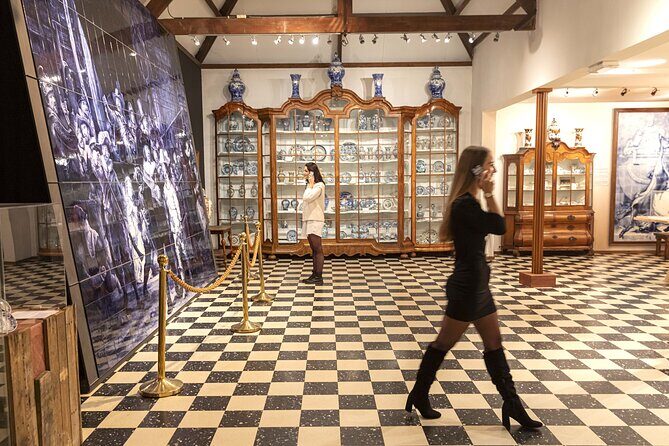
- Royal Chambers with Orange Ceramics: these look at pieces produced for the Dutch Royal family across the centuries. Even if you’re not a royal-history person, this gives you a useful context for how Delftware status and style changed over time.
- Museum galleries for antique and modern Delft Blue: you’ll see how patterns and forms evolved, not just that Delft Blue exists.
What I like about this structure is that it helps your brain “file” the experience. When you later see painting and production, it doesn’t feel like random craft footage. It starts to feel connected to why the designs matter and who they were made for.
Watching production: where the craft gets specific
The factory side is where Delft Blue stops being an idea and becomes a set of hands-on steps.
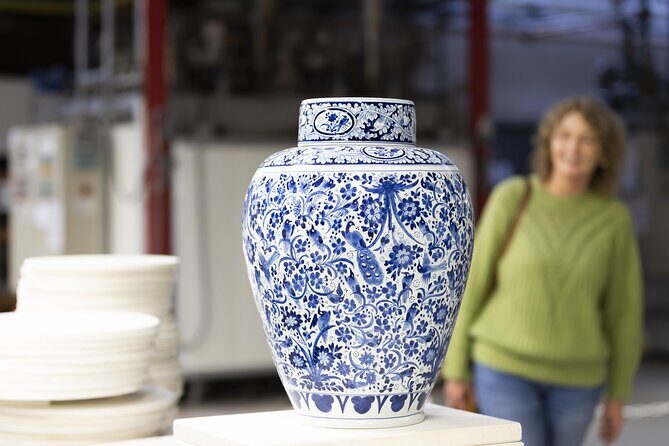
Royal Delft is famous for the claim that its ware is still entirely hand painted according to older tradition. In the visit, you should expect to see:
- A painter at work, showing how designs get placed onto the ceramic surface
- A production process presented through audiovisual material, so you understand what you’re seeing rather than just passing by machines
- Additional viewing points where you can stop and watch the work as it happens
One especially memorable technical detail you may hear through the audio is how the color transforms during firing—there’s a reference to the shift from black to Delft Blue in the firing process. That’s the kind of thing that makes the blue tone feel less magical and more scientific, which I find oddly satisfying.
If you’re into art, design, or handmade processes, this is the moment you’ll care about most. You’re not just collecting souvenirs—you’re learning what’s behind them.
Plan your timing around the brasserie and the showroom
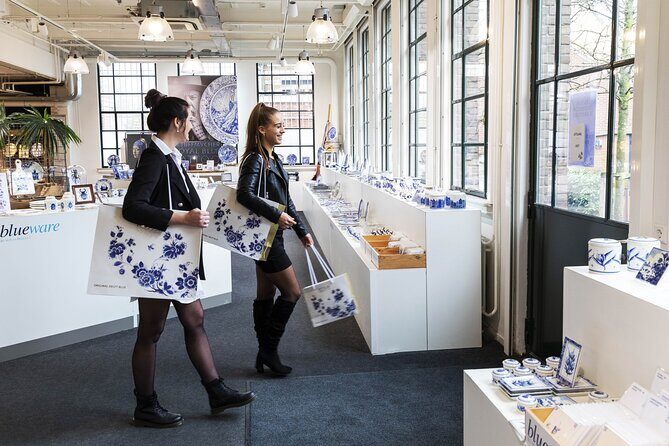
After you finish the museum and factory areas, you’ll come to the showroom and the shopping zone. This is where Delftware fans tend to slow down—because you’re looking at finished pieces, not just examples.
I’d also plan time for the Brasserie if you like the idea of a calm break. The cafe is in the complex, overlooking a courtyard, and it serves coffee, tea, lunches, and high teas. Food and drinks are not included in your ticket, so treat it as a bonus.
A practical tip: if you’re tired from walking and reading, this is a smart place to reset. One of the best moments people describe is sitting down with a cup of tea served in Delftware—small detail, but it makes the craft theme feel complete instead of ending abruptly at the gift shop.
If you want to go a step further, Royal Delft also offers workshops where you can try painting Delft Blue, though that isn’t included in this admission ticket. So consider this admission as your learning base, and save hands-on time for a workshop slot if your schedule allows.
You can also read our reviews of more museum experiences in The Hague


Price, value, and practical logistics that actually matter

Let’s talk value in plain terms. $20.52 sounds like a “museum ticket,” but what you’re getting is a mix that’s more interesting than a typical exhibit:
- Skip-the-line entry
- A structured audio tour in up to 8 languages
- A chance to see a working factory element, not only displays
That combination is what makes it feel worth the money. If your goal is simply to see some Delftware on walls, you may find it small. If your goal is to understand how it’s made and why Delft Blue became a signature style, this works well.
A few logistics points that help your day go smoother:
- Group size is capped at 15, which usually helps keep the experience calmer.
- It’s near public transportation, so you don’t need a car to pull it off.
- There’s free Wi-Fi, handy for quick lookups or syncing timing.
- Hours are 9:30 AM to 5:00 PM daily for 2026, so you can fit it into a day that’s already heavy on museums.
Parking can also be convenient if you drive. One detail that pops up in feedback is that there’s a small parking lot beside the building, which is genuinely helpful in this kind of area where bigger lots aren’t always guaranteed.
Who should book Royal Delft, and who might not love it
This ticket is a great match if you:
- Care about craft, ceramics, and process
- Want a self-guided experience where you control the pace
- Like museums that connect art to everyday objects
- Want a Delft Blue experience focused on production and design logic
You might skip it if you:
- Want a huge museum with many hours of wandering
- Need a full guided tour with constant explanations
- Dislike shop-heavy endings (because the showroom is part of the flow)
Also, it’s fine for most people, including families, as long as kids are with an adult. Service animals are allowed, and the site supports independent participation for a typical visitor.
Should you book Royal Delft: Delftblue Factory and Museum Admission Ticket?
I’d book it if Delftware is on your must-see list and you like seeing how the work gets done. The hand-painted process, the themed museum rooms, and the practical structure of an audio tour in 8 languages make it an efficient, high-satisfaction stop.
If you’re the type who rushes through everything, the experience may feel short. If you read slowly, watch carefully, and plan for a tea break, you’ll likely feel like you got your money’s worth.
FAQ
How long is the Royal Delft museum and factory admission experience?
It’s listed at about 1 hour.
Is this ticket self-guided or do I need a guide?
It’s self-guided. You use the included audio tour.
What languages are available for the audio tour?
The audio tour is offered in 8 possible languages.
Is food included with the ticket?
No. The museum brasserie is available, but meals and drinks are not included.
Is Wi-Fi available?
Yes, free Wi-Fi is included.
Do I get a mobile ticket?
Yes, it’s a mobile ticket.
What are the opening hours?
For 2026, it’s open daily from 9:30 AM to 5:00 PM.
Are children allowed?
Yes, children must be accompanied by an adult.
How big are the groups?
There’s a maximum of 15 travelers.
Can I cancel for free?
Yes. Free cancellation is available up to 24 hours in advance for a full refund.