REVIEW · ROTTERDAM
Cultural Walking Tour in Rotterdam
Book on Viator →Operated by Walk Rotterdam · Bookable on Viator
Rotterdam makes sense on foot. This cultural walk stitches together the city’s most important landmarks and explains how Rotterdam rebuilt itself into today’s design-forward port capital. You’ll follow an itinerary anchored by places like Rotterdam Centraal Station and the Markthal, with commentary from a professional architect/art-historian type guide who connects what you see to how the city thinks.
What I really like is the architecture framing. Instead of vague sightseeing, you get a guided read on urban design decisions—why certain buildings matter, what survived, and what replaced what. A second big plus: there’s time for an authentic market taste at Markthal, so the walk isn’t just about facades.
One possible drawback: it’s a solid 2 hours of walking, and Rotterdam can feel extra cool or windy near the river. Dress for the weather, and if you’re chasing photos, bring a charged phone and expect you’ll pause a lot.
In This Review
- Key highlights you should care about
- Rotterdam’s rebuilding story in a 2-hour walk
- Starting at Rotterdam Centraal, then walking the monumental Lijnbaan
- Grote of Sint-Laurenskerk: the oldest building and a lesson in survival
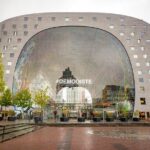
- Markthal: indoor food culture where design gets loud
- The Erasmus Bridge finish: views, engineering energy, and the Maas contrast
- How the guide experience makes or breaks this walk
- Timing, pace, and what to bring (so the two hours feel easy)
- Price and value: is $54.06 worth it?
- Who this tour suits best
- Should you book this Rotterdam cultural walking tour?
- FAQ
- How long is the Rotterdam cultural walking tour?
- Where do you meet and where does the tour end?
- What’s the price per person?
- Is it offered in English?
- Are there admission fees for the stops?
- Is there an age limit or walking difficulty level?
Key highlights you should care about
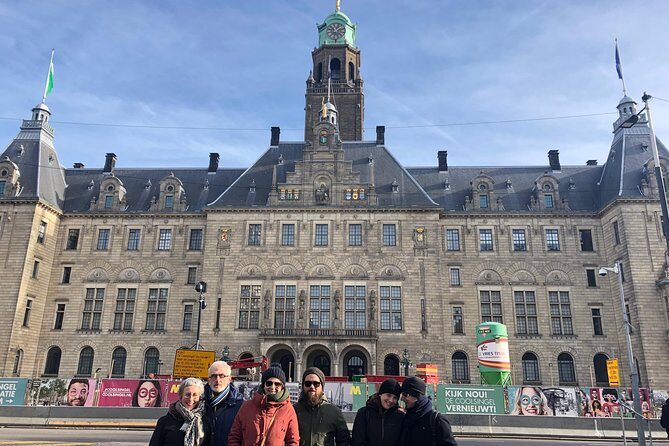
- Architect-led storytelling that links buildings to Rotterdam’s rebuilding and urban design
- WWII-survival architecture at Grote of Sint-Laurenskerk, the oldest building that partly endured the bombardment
- Markthal food culture inside one of the city’s most impressive indoor market halls
- Erasmus Bridge finish with river views and the modern development feel across the Maas
- Small groups (max 20) plus group discounts, which usually means less rushing and more questions
- Central start and finish near public transport, so you can roll right into the rest of your day
Rotterdam’s rebuilding story in a 2-hour walk
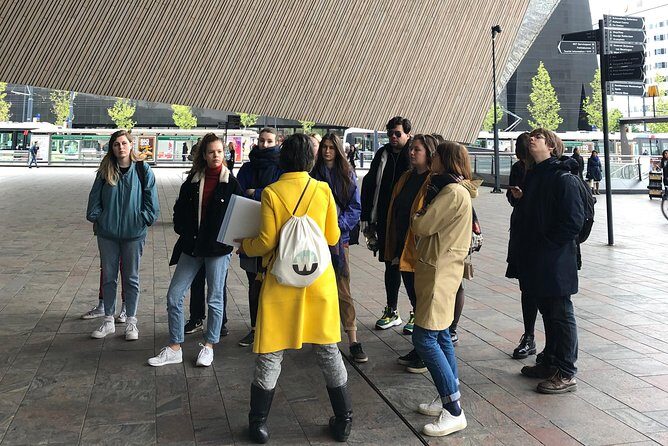
Rotterdam is one of the few European cities where you can practically read history through construction. A big chunk of the center you see today reflects a tough period, then a bold decision: rebuild smarter, faster, and with a clear design idea.
That’s why this tour works. You’re not stuck in a single neighborhood bubble. You move from transport and everyday city life (Rotterdam Centraal and Lijnbaan) to landmark identity (Grote of Sint-Laurenskerk) and then to the food-and-design statement of Markthal. Finally, you end with a riverwide view that shows the contrast between old waterfront function and new high-end architecture.
You’ll also get an easier way to understand the city if you’re only in Rotterdam for a short time. Two hours is enough to make the skyline feel coherent, not random.
You can also read our reviews of more walking tours in Rotterdam
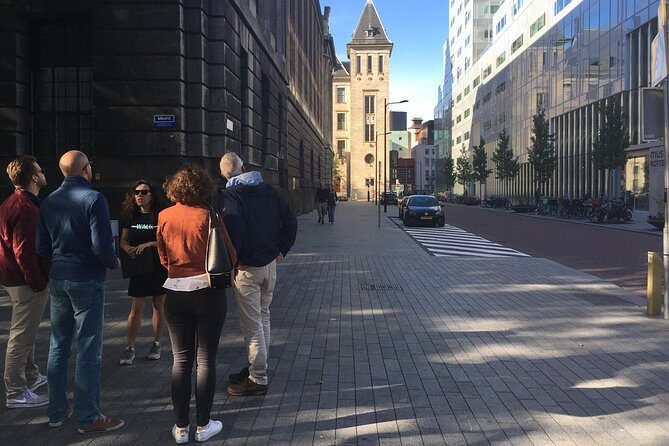
Starting at Rotterdam Centraal, then walking the monumental Lijnbaan
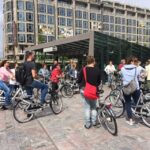
You begin at Rotterdam Centraal Station, the newly built centerpiece of the city’s rail network. Even if you’ve just arrived, this opening gives you orientation fast. It also sets the tone: Rotterdam is modern, and it’s not shy about showing new infrastructure.
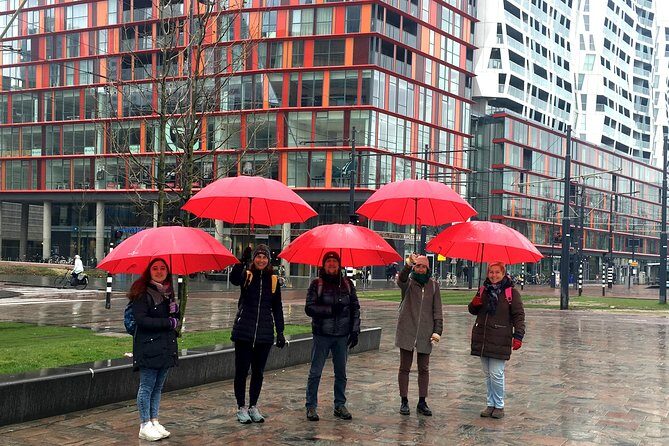
From there, you’ll head through the Lijnbaan, described as the city’s biggest national monumental area. This is a key stretch because it’s not just a street you pass through. It’s part of Rotterdam’s designed shopping-and-city-life identity, and it’s where your guide can connect architecture to how people actually move and gather.
What to watch for here:
- How the space feels planned for flow, not just buildings lined up on a sidewalk
- Details around the streetscape that explain why Rotterdam looks the way it does now
- The guide’s “why” explanations, which make you notice more than you would on your own
A small note: the Lijnbaan section is a walking rhythm moment. If you want a break every 20 minutes, plan on the tour’s pace rather than expecting frequent stops.
Grote of Sint-Laurenskerk: the oldest building and a lesson in survival
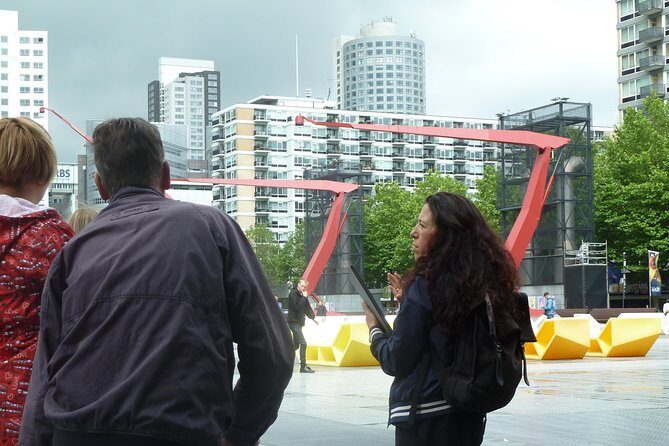
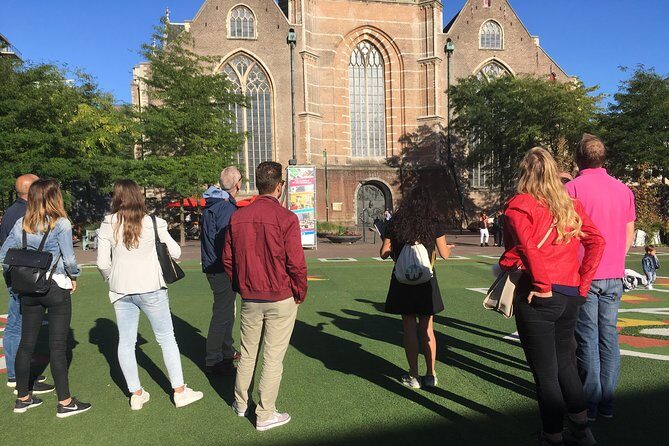
Next you’ll admire the exterior of Grote of Sint-Laurenskerk, the oldest building of Rotterdam that partly survived the bombardment. That sentence sounds like history trivia until your guide ties it to the city’s rebuilding mindset.
Standing in the church exterior area lets you do a simple comparison in your mind: what endured, what changed, and why Rotterdam is often talked about as a city shaped by deliberate reconstruction. The church matters for more than age. It’s a reference point—like a visual anchor—making the rest of the walk’s architecture commentary easier to grasp.
Time here is brief, but that can be a benefit. You don’t get stuck in one spot longer than you need. You get enough to lock the idea in, then move on.
If you’re the kind of traveler who hates being hurried, you’ll probably still be okay here because the stop is positioned as an important “hold this in your head” moment before you transition into the market and bridge views.
Markthal: indoor food culture where design gets loud
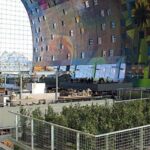
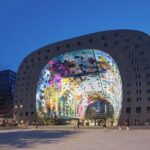
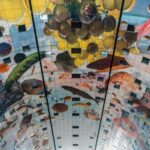
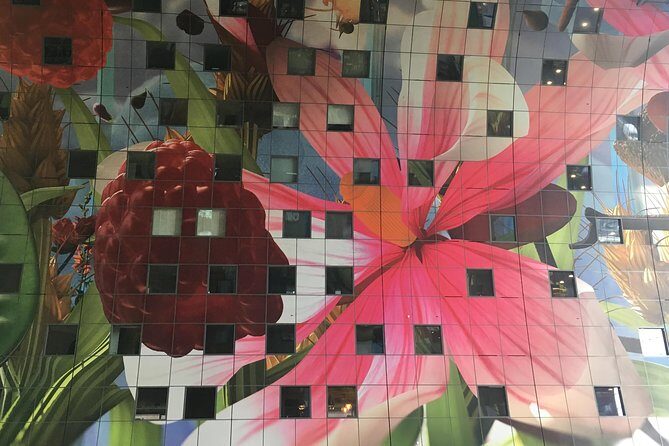
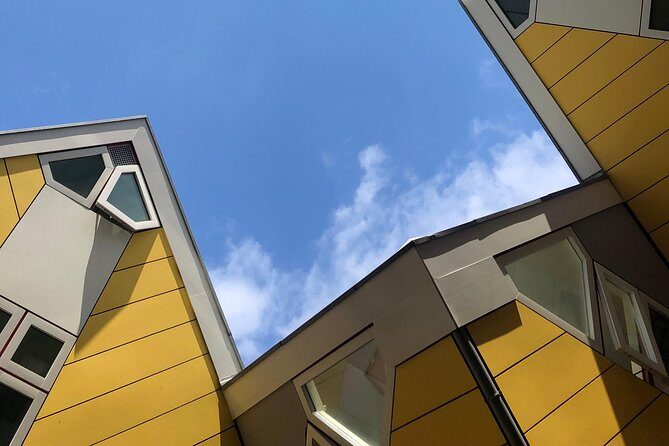
Markthal is one of the stops that turns a “sightseeing walk” into a “Rotterdam walk.” The guide focuses on the impressive indoor market and food hall, and this is where the tour earns its money with a real-life feel.
The practical reality: snacks are not included, but the tour highlights an authentic taste in the local market. That usually means you’ll have a window to buy or sample something on your own. Bring a little cash/card readiness, and don’t assume you’ll be handed food.
Why Markthal fits the tour theme:
- It shows Rotterdam design as lived experience, not just monuments
- Indoor markets tell you how a city feeds itself day to day
- You get a chance to pause, look up, and actually enjoy the space rather than just “get the photo”
This is also a great place to slow down for your own photos, because it’s visually dense. If you like pictures, charge your phone fully before the tour and consider saving storage—this kind of interior space eats memory fast.
The Erasmus Bridge finish: views, engineering energy, and the Maas contrast
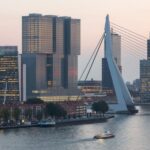
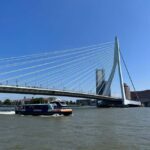
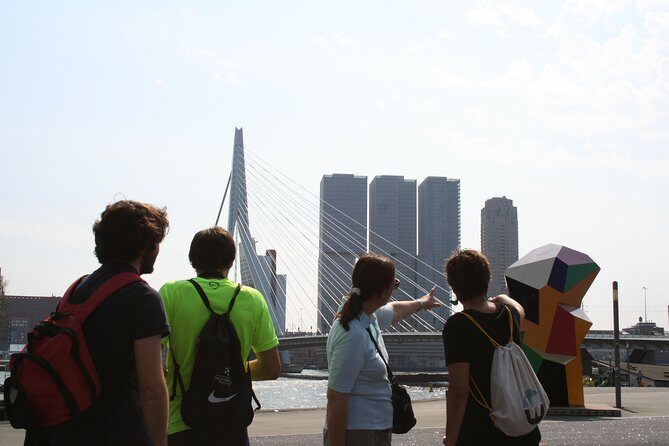
The tour ends by the riverside at Boompjeskade, finishing near views toward the Erasmus Bridge and modern architecture developments on the other side of the Maas.
This ending is smart. After walking through city center layers and landmark identity, you get to step back and see the city’s bigger picture. Bridges are the Rotterdam language of connection—between districts, between old port function and newer commercial/residential design, and between water and streets.
What you’ll likely enjoy most:
- A wide view that makes the skyline easier to understand
- The sense of scale that you don’t get inside streets
- The guide’s “connect-the-dots” explanations that tie back to earlier stops
Because the riverside can be breezy, keep an eye on your comfort level. If you’re doing this in colder months, a warm layer helps a lot.


How the guide experience makes or breaks this walk
This tour is led by a local guide plus a professional architect guide. That matters because Rotterdam architecture is specific. It’s not all Gothic churches and classic facades. It’s modern construction, engineering choices, and design decisions shaped by history.
In the real-world examples you’re likely to encounter, guides such as Tania and Sonia are described as strong with materials and urban design context. You can expect story-driven explanations that connect architecture, engineering, and politics—so you come away with more than a list of places.
One more thing I like: smaller groups help you ask questions. With a maximum of 20 people, you’re less likely to feel like you’re being marched through without a chance to clarify what you’re seeing.
Timing, pace, and what to bring (so the two hours feel easy)
The tour runs about 2 hours, with short stops (around 10 minutes each) along the way. That pace is ideal if you want movement and context, but it also means you can’t rely on long breaks.
Here’s how I’d prep so you’re comfortable:
- Dress for wind, especially near the river finish
- Bring water if it’s warm, or if you tend to get tired during longer walks
- Keep your phone ready for photos; Markthal interiors and bridge views are photo magnets
- Wear shoes with decent grip—Rotterdam sidewalks can be slick when wet
If you’re traveling solo, this can actually be a good format because you may get extra attention and more back-and-forth. The tradeoff is that you might not naturally meet other people in the way you would on a more social, longer group tour. Either way, you’ll get the guide’s focus.
Price and value: is $54.06 worth it?
At about $54.06 per person, you’re paying for two things: a guided city route and the added expertise of an architect/art-historian style guide. That isn’t just “someone with a mic.” The itinerary is built around specific architectural and historical discussion points, including WWII survival context and design-focused market and skyline views.
It’s also a small-group tour (max 20) with group discounts, which helps if you’re traveling with someone—especially since the minimum age is 12 and the pacing is fairly moderate.
What you should know about what’s included:
- Included: local guide and professional architect guide
- Not included: drinks and snacks
- The stops themselves show free admission for the listed sights, so you’re not paying extra entry fees during the walk
For value, the key is whether you’ll actually use the guide’s expertise. If you’re the type who likes hearing the why behind buildings, this price feels reasonable. If you mostly want photos with minimal explanation, you may feel like you could DIY this route cheaper—but you’d lose the architecture and rebuilding context that makes Rotterdam click.
Who this tour suits best
This walk is a good match if you:
- Want an architecture-and-city-history angle without spending half a day
- Enjoy urban design explanations and WWII-to-rebuilding context
- Like market culture and want a chance to grab a bite at Markthal
- Prefer a manageable group size and central meeting points
It’s not the best fit if you:
- Have trouble with sustained walking (it’s described as moderate fitness)
- Need long seated breaks
- Get frustrated when weather affects outdoor riverfront areas
Should you book this Rotterdam cultural walking tour?
I’d book it if you want to understand Rotterdam in a fast, street-level way. The combination of architectural storytelling, landmark sequencing, and the market-and-riverside contrast makes it more than a checklist walk.
But be honest with yourself: if weather-sensitive comfort is your top priority, plan your clothing carefully. Also budget a little extra for drinks and any snack you want at Markthal, since those aren’t included.
If you’re coming to Rotterdam for the first time, or you want a smart orientation route that you can build on later, this is the kind of tour that helps the whole city make sense.
FAQ
How long is the Rotterdam cultural walking tour?
It’s listed at about 2 hours.
Where do you meet and where does the tour end?
You start at Rotterdam Central Station, 3013 AJ Rotterdam, and end at Boompjeskade, 3011 Rotterdam, by the Maas river.
What’s the price per person?
The price is $54.06 per person.
Is it offered in English?
Yes, it’s offered in English.
Are there admission fees for the stops?
The itinerary notes free admission tickets for the listed stops.
Is there an age limit or walking difficulty level?
The minimum age is 12 years, and it’s aimed at people with a moderate physical fitness level.