REVIEW · ROTTERDAM
Rotterdam Architecture and Highlights Walking Tour (TOP RATED)
Book on Viator →Operated by Trigger Tours · Bookable on Viator
Rotterdam looks like a set built for architects. This tour turns that into an easy, guided street-level story, with about 40 architecture stops and a free water or soda break right in the middle. I love how much you get through in a short time, and I love that you’re not just staring—you’re learning the meaning behind the shapes. One catch: the route is packed, so the time you spend at each site can be quick, and you may need to ask for specific details like construction dates.
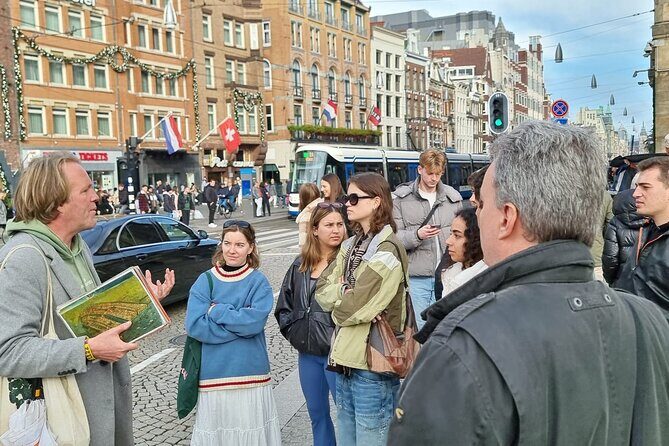
You’ll meet at Stationsplein 10 near Rotterdam Central Station, then walk with a local guide in English. Expect a private experience for your group, and plan on roughly 2 hours of walking plus a 30-minute refresh break that keeps the tour from feeling like one long slog.
In This Review
- Key things that make this tour worth your time
- Rotterdam Central Station: The perfect starting point for city-scale architecture
- How the 2-hour walk really works (and why the break is smart)
- Modern Rotterdam’s big story: rebuilding after WWII, seen on the street
- The highlight route: Central Station, Cube Houses, Markthal, and City Hall
- Rotterdam Central Station
- Cube Houses (the famous ones)
- Markthal (the enclosed market experience)
- City Hall (a hint of older Rotterdam)
- Kunsthal and Erasmus Bridge: the skyline moves, and you learn how to read it
- Kunsthal
- Erasmus Bridge
- What you’ll learn from the guide (and how to get better answers)
- Stops can vary: how to manage expectations in a route this short
- Value check: is $35.52 for 2 hours (plus a break) a smart buy?
- Who should book this Rotterdam architecture walk
- Practical tips before you go (so you don’t miss the point)
- Should you book this tour?
- FAQ
- Where do I meet for the Rotterdam Architecture and Highlights Walking Tour?
- How long is the tour?
- Is this tour private?
- What’s the tour price?
- Is the tour offered in English?
- What architectural highlights will I see?
- How many architectural sights are included?
- Are drinks included?
- Is food included?
- Is there a minimum number of people required?
- Can I get a full refund if I cancel?
Key things that make this tour worth your time
- 40-plus architecture sightings on a route that keeps your eyes busy
- Rotterdam Central Station to Erasmus Bridge as the backbone of the walk
- Mid-tour drink stop after about 1.5 hours to reset (and yes, it’s included)
- A mix of modern icons and older buildings you can actually point at
- Ask-anything format where your guide can tailor answers to your interests
- Private, small-group feel so you can keep questions coming without shouting
Rotterdam Central Station: The perfect starting point for city-scale architecture
The meeting point at Stationsplein 10 puts you right where Rotterdam wants to greet you: practical, central, and unmistakably part of the modern city. I like tours that start somewhere functional, because it frames what you’re about to see as real urban design, not museum artifacts.
From the start, the guide sets the theme: Rotterdam’s architecture is shaped by disruption, then rebuilt into a place where modern design takes center stage. That context matters. Without it, the skyline can look random. With it, you start seeing a logic—choices made, then choices refined.
This is also where you can steer the tour early. If you care more about design meaning than names and dates, say so at the meetup. If you want specifics—construction years, designers, the “why” behind each project—ask right away. The format is built for questions.
You can also read our reviews of more walking tours in Rotterdam

How the 2-hour walk really works (and why the break is smart)
The headline duration says about 2 hours, but the experience is paced like a longer story: walking for about 1.5 hours, a 30-minute break, then continuing through the second half. That timing is good news if you don’t want to be stuck outdoors in one straight line for the full session.
You’ll be moving past a lot of stops—around 40 architectural sights—so think of this tour as breadth first. You’ll likely get a quick “what it is + why it matters” at each place, not a deep dissertation at every corner. That’s not a flaw; it’s the trade you make for coverage in a short window.
The mid-tour drink break is included: free water or soda at a central Rotterdam location. For a walking tour, it’s a small detail that makes a big difference. You get a chance to reset your pace and refocus your eye for the last stretch.
If you’re the type who likes to linger, plan to do it after the tour ends. Take notes during the walk, then go back to the 1 or 2 buildings you want to see longer.
Modern Rotterdam’s big story: rebuilding after WWII, seen on the street
Rotterdam’s architecture is often discussed as modern, but the key idea on this tour is that the modern skyline isn’t random style—it’s a response. The city’s wealth of modern architecture connects directly to what happened during World War II, when much of the area was destroyed and then rebuilt.
This is why the tour works even if you’re not an architecture nerd. You’re walking through the results of policy, economics, and a strong “rebuild better” mindset. The guide’s job is to help you read the city’s visual language—what each building is trying to accomplish, and why Rotterdam wanted that in the first place.
And yes, you’ll also see some older buildings. That contrast is the real lesson. Instead of treating Rotterdam like a single style, you start seeing it as different time periods sharing the same streets.
The highlight route: Central Station, Cube Houses, Markthal, and City Hall
The walk is organized around big landmarks, so you always know you’re moving through the city’s main “architecture sentence.” You’ll pass by Rotterdam Central Station, then hit signature sights that people immediately recognize.
Rotterdam Central Station
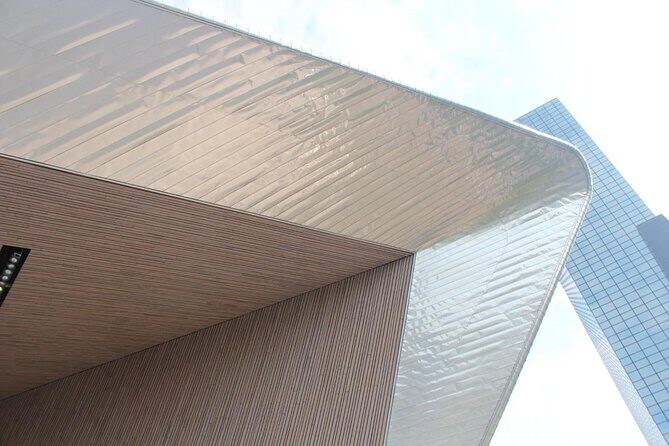
Starting here isn’t just convenient. A major station shows you Rotterdam as a working city, not a postcard. It’s a clean place to begin the story, because the guide can frame what modern infrastructure and public space mean in Rotterdam’s rebuild.



Cube Houses (the famous ones)
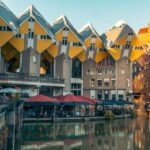
The Cube Houses are one of the most photogenic parts of Rotterdam, so expect plenty of neck-tilting. This is where the tour’s theme becomes tangible: bold form, engineering-driven design, and a city that’s willing to make buildings that don’t look like anyone else’s.
A small timing note: one mismatch in pacing has shown up. Sometimes a packed route can mean a headline stop gets less time than you expected. If Cube Houses are top priority for you, flag that early so the guide can weigh it in.
Markthal (the enclosed market experience)
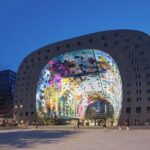
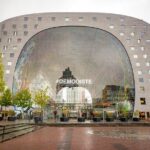
Markthal is another must for architecture lovers because it’s not just a building shell. It’s an enclosed market—so you get architecture plus everyday life in the same view. In a short walk, it’s a great stop because it shows how design affects how people move, shop, and gather.
City Hall (a hint of older Rotterdam)
City Hall is specifically called out, and I like that this tour doesn’t run only on modern icons. When you see an older civic building mixed in with newer designs, you start understanding Rotterdam as layers, not one era.
Kunsthal and Erasmus Bridge: the skyline moves, and you learn how to read it
Two of the most talked-about modern landmarks on the route are Kunsthal and Erasmus Bridge. These stops are where Rotterdam starts feeling like a living lab—design that’s meant to be seen from multiple angles.
Kunsthal
Kunsthal is a strong “architecture thinking” stop. Even if you only catch it from the street, it’s the kind of building that pushes you to look at massing and form—how the structure sits in the urban scene and how it reads as a cultural signal.
Erasmus Bridge
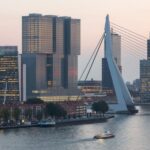
Erasmus Bridge is the skyline punctuation mark. When the route includes it, it gives you a clean visual climax, tying the city’s modern identity to a piece of engineering you can actually see.
But here’s the practical caution: because the walk is time-limited, this bridge has been cut short on at least one version of the schedule. If Erasmus Bridge is non-negotiable for you, treat this as a “see it early and ask questions at the bridge” situation. Ask the guide during the first half whether it will be fully covered in your group’s timing.
What you’ll learn from the guide (and how to get better answers)
This tour lives or dies by the guide. In a good version, you don’t just memorize names—you understand why the city looks like it does. You’ll hear stories about building creation and meaning behind the architecture, with room for your questions.
The experience has had guides with different styles. Names that have led the tour include Edwin, Michaël, Sne, Susan, and Tony (with Trigger Tours). That variety matters because some guides lean more into overall city context, while others push harder into the architecture detail.
So how do you make sure you get the architecture focus you paid for? Simple: ask for specifics at the first couple of stops.
- Request construction years or timeframes for buildings that matter to you.
- Ask what design goal shaped the form.
- If the guide starts drifting into broad city facts, gently redirect: you want the architecture angle.
You don’t need to be confrontational. A good guide will appreciate clear direction, and the format allows questions.
Also, the tour description says you’ll get stories of creation and meaning. If you want those meanings, ask for them in plain language. You’ll get a better answer when you request what you actually care about.
Stops can vary: how to manage expectations in a route this short
This is where I’m going to be straight with you. The tour promises a lot in limited time: around 40 architectural sights, including major landmarks like Cube Houses, Markthal, Kunsthal, and Erasmus Bridge.
That means each stop is more like a spotlight than a full spotlight show. Some sights may be quick mentions rather than long talks. That’s normal for a route built for coverage, but it can feel disappointing if you expect architect-level detail everywhere.
One more expectation check: the announcement and the time limits have not always matched perfectly, especially around which headline landmarks get the full walk-by treatment. The best fix is communication. When you meet your guide, ask what the walking order is and whether Erasmus Bridge and Cube Houses are fully included in your group’s timing.
Value check: is $35.52 for 2 hours (plus a break) a smart buy?
At $35.52 per person, you’re paying for three things: a local guide, structured context, and the convenience of not having to plan a route yourself. You’re also getting free drinks (water or soda) during the refresh break.
For this price, the deal gets better if you meet the tour with clear goals:
- You want a guided overview fast.
- You like architecture stories tied to real places.
- You want someone to point out what to look for.
If you’re hoping for a slow, deep, architect-led lecture at each building, you may want a longer specialized tour instead. But if you want a solid “get your bearings fast” session for Rotterdam architecture, this fits the bill.
Also, booking about 53 days in advance on average suggests it’s a popular slot. If you’re traveling in high season, don’t wait too long.
Who should book this Rotterdam architecture walk
This is a great match if you:
- Like to see the city’s design story in a single afternoon block
- Prefer walking tours with lots of quick stops and guided context
- Enjoy asking questions and getting answers on the street
- Want modern landmarks plus a few older anchors like City Hall
It’s also a good fit for couples and small groups who want a private feel. The experience is described as private for your group, with a local guide and mobile ticket.
If you’re the kind of traveler who wants maximum detail at each stop, you might need to plan one extra self-guided pass after the tour ends. Use the tour to pick your favorites, then circle back.
Practical tips before you go (so you don’t miss the point)
- Start strong at the meetup. Tell the guide what you care about—Cube Houses, Markthal, Erasmus Bridge, or the older civic buildings.
- Bring a notebook or use your phone for quick notes. When you’re seeing lots of architecture, it’s easy to mix up what you loved.
- Expect lots of standing and walking past viewpoints. Comfortable shoes are the boring hero here.
- Since the tour includes free water or soda, you don’t need to buy a drink during the break. You can save that money for later.
And one more thing: if you’re traveling with kids or anyone who gets bored quickly, ask the guide to make the explanations short and visual. Rotterdam architecture is often easier to understand when the story is simple.
Should you book this tour?
Book it if you want a fast, guided Rotterdam architecture sweep that mixes famous modern landmarks with a few older anchors. The included free drinks and the structured reset halfway through make it a practical walk, not a marathon.
Skip or approach with caution if you expect long, technical explanations at every single stop. This tour is built for breadth, and a packed route can mean some sights get less time than you hope.
If you do book, go in with two priorities: ask your questions early, and confirm how the pacing will handle the big-ticket stops like Cube Houses and Erasmus Bridge. With that small effort, you’ll get a much more satisfying architecture story out of your time in Rotterdam.
FAQ
Where do I meet for the Rotterdam Architecture and Highlights Walking Tour?
You meet at Stationsplein 10, 3013 AJ Rotterdam, Netherlands.
How long is the tour?
The tour is listed at about 2 hours, and the tour plan includes a break after about 1.5 hours, with the activity ending back at the meeting point.
Is this tour private?
Yes. It’s a private tour/activity, and only your group participates.
What’s the tour price?
The price is $35.52 per person.
Is the tour offered in English?
Yes, it’s offered in English.
What architectural highlights will I see?
You’ll see or pass by major stops such as Rotterdam Central Station, Cube Houses, Markthal, City Hall, Kunsthal, Erasmus Bridge, and many more.
How many architectural sights are included?
You walk past about 40 architectural sights with your guide.
Are drinks included?
Yes. Free drinks (water or soda) are included, and there is a relaxing break with a refreshing beverage during the tour.
Is food included?
Food and drinks are not included unless specifically specified.
Is there a minimum number of people required?
Yes. A minimum of two people per booking is required.
Can I get a full refund if I cancel?
Free cancellation is available up to 24 hours in advance of the experience start time for a full refund.