REVIEW · AMSTERDAM
Amsterdam: Red Light District Tour
Book on GetYourGuide →Operated by Trigger Tours · Bookable on GetYourGuide
Amsterdam’s Red Light District feels like two cities at once.
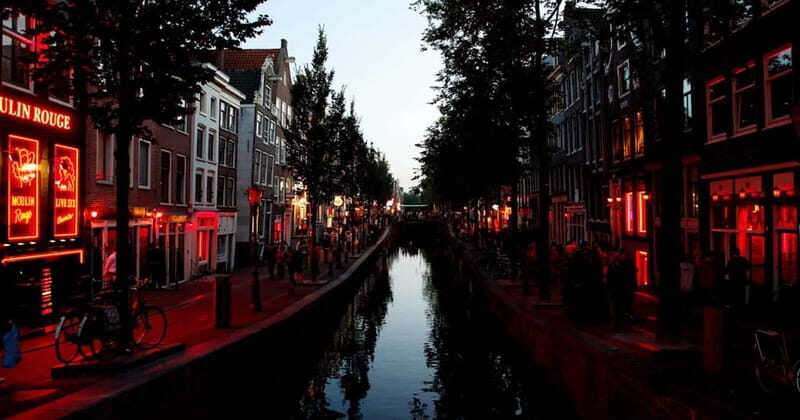
This tour gives you the context to make sense of what you’re seeing: red-lit windows, neon signage, coffee shops, and narrow Old Town streets, all wrapped in the legal and cultural story of how the area works. I like that it’s guided in multiple languages, and that names like Victor, Jay, Andrea, and Adam keep popping up in feedback for being clear, respectful, and fun.
I also really like the “walk-and-learn” pacing. You’ll move from Dam Square through adult-focused landmarks, then back toward key historic sights like Oude Kerk and the Flower Market area, so you don’t just get one-note views. Second big plus: you get pointers that make the neighborhood easier to navigate, including stops tied to coffee-shop history and even a look at the first coffeeshop.
One consideration: this is a dense, street-level walk and it’s not suitable for people with mobility impairments. Also, the tour needs a minimum number of participants to run, so check timing ahead of time.
In This Review
- Key highlights worth paying attention to
- A 2-hour Red Light District walk with real context
- Cost check: what $33 buys you in Amsterdam
- Meeting points and route basics across the Old Town
- Dam Square to Condomerie: where the vibe changes fast
- Brothel windows, neon signs, and how legality shapes what you see
- Leidse Square, Grachtengordel, and narrow streets that keep you alert
- Oude Kerk and Amsterdam’s oldest building stop
- Amsterdam Chinatown, the Flower Market area, and Nieuwmarkt Square
- What to expect from your guide (and how to make it easier)
- Who this tour fits best (and who should skip it)
- Should you book this Amsterdam Red Light District tour?
- FAQ
- How long is the Amsterdam Red Light District tour?
- How much does the tour cost?
- What languages are available?
- What’s included in the tour price?
- Where do you meet and where does the tour end?
- Is the tour suitable for people with mobility impairments?
Key highlights worth paying attention to
- Red-tinted windows plus the legal/cultural framework so it’s not just a spectacle
- First coffeeshop of Amsterdam and the walk along the narrowest street
- Historic Old Town stops that keep the area grounded in Amsterdam’s real city story
- Canal-belt area (Grachtengordel) views during a practical walking route
- Oude Kerk and the oldest building stop to balance the rest of the itinerary
- Guides praised for pace, respect, and clear answers, with names like Robin, Joshua, Victor, Jay, Andrea, Pilar, Sanders, Adam, and Aarre showing up often
A 2-hour Red Light District walk with real context
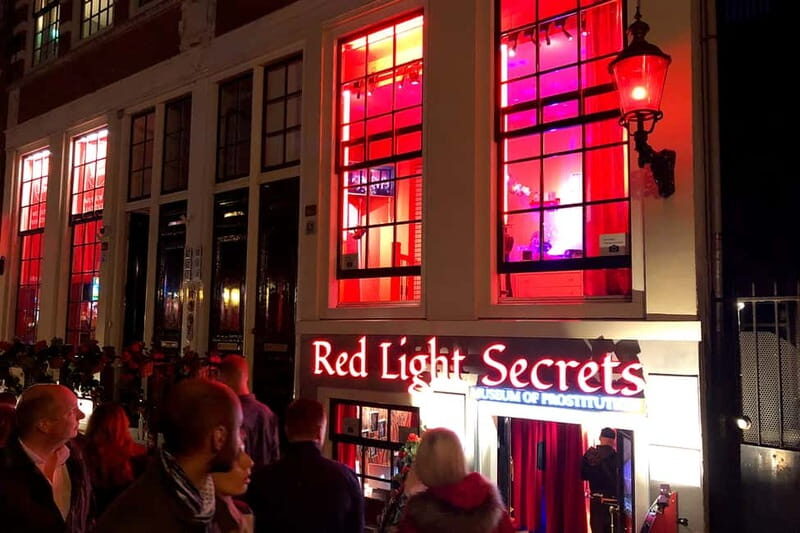
This is a two-hour walking tour built for people who want more than photos. You’ll see the famous sights—like the red-lit windows and neon signs—but the point is understanding how Amsterdam treats this district: what’s legal, what’s cultural, and how the neighborhood functions day to day.
I like that the guide doesn’t just list facts. The best versions of this tour keep a steady, human tone and include stories about the district’s past and present, including more recent controversies. You’ll come away with a clearer picture of why the area exists where it does—and why Amsterdam handles it the way it does.
You can also read our reviews of more tours and experiences in Amsterdam.


Cost check: what $33 buys you in Amsterdam
At $33 per person, you’re paying for three things: a timed entry into the walk, a guide to help you read the streets, and enough structure that you’re not wandering awkwardly on your own. In a place like this, a guide matters because signage, boundaries, and the “what am I looking at?” questions can pile up fast.
Also, the experience is professional-guided and designed for small groups or private options, depending on what you book. That’s a big value add because you can ask practical questions without feeling rushed.
No food or drinks are included, so if you’re hungry, plan a meal before or after. The good news: the tour’s length is short enough that you can still keep your day moving.
Meeting points and route basics across the Old Town
You’ll start at one of several meeting points on Prins Hendrikkade (or at nearby landmark options). The specific start varies by the option you choose, and the tour ends back at that same meeting point.
Here’s the practical shape of the route: you begin at a major center (Dam Square), move into the district’s adult-focused streets (including a stop at Condomerie), then shift outward through Leidse Square and toward canal and historic areas like Grachtengordel. The later stops—Amsterdam Chinatown, Oude Kerk, Amsterdam Flower Market, and Nieuwmarkt Square—are key because they remind you you’re still in a full city neighborhood, not a closed-off theme park.
Dam Square to Condomerie: where the vibe changes fast
Dam Square is a solid starting point because it’s a classic Amsterdam anchor. You’ll begin there with the guide setting the frame—what the district is, how Amsterdam historically handled it, and what you should expect to see as you move through the side streets.
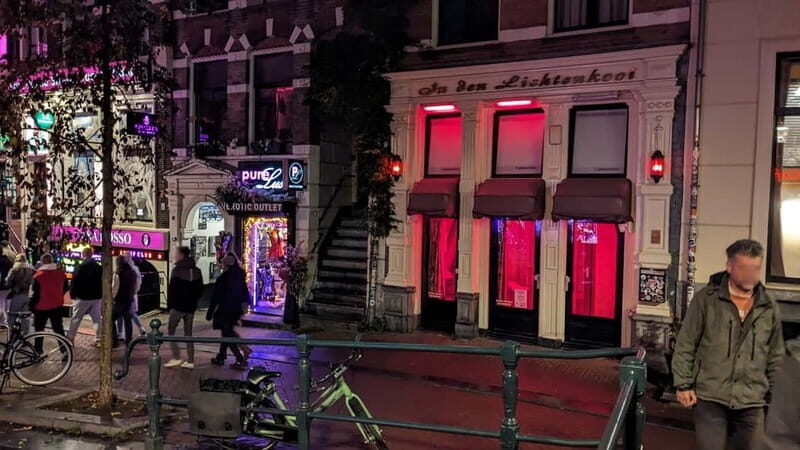
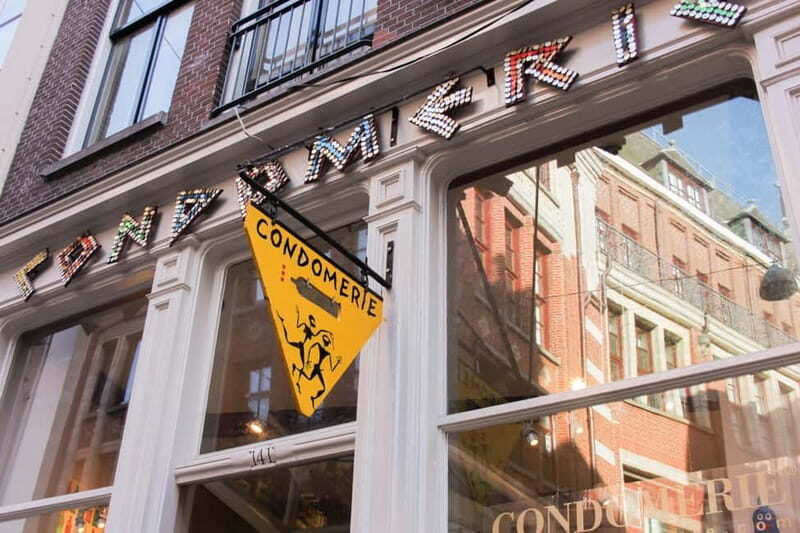
Then you head toward Condomerie, a stop that signals you’re entering a zone where adult commerce is part of the visible street life. This is one of those places where having a guide helps. Without one, people tend to either stare, skip the explanation, or feel awkward about what they’re supposed to do. With a guide, you get a calmer walkthrough and can keep your focus on the neighborhood’s story.
Brothel windows, neon signs, and how legality shapes what you see
The headline sights here are the famous red-tinted windows and neon signage. The tour’s edge is that it treats those sights as more than shock value.
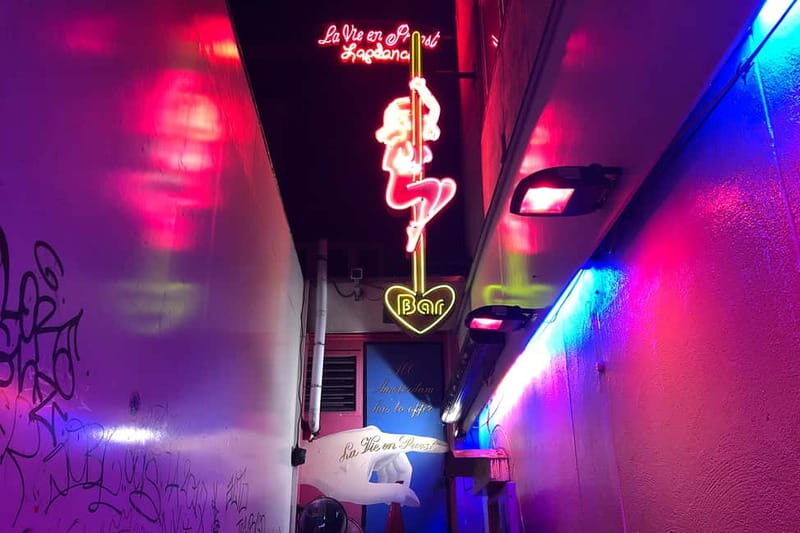
You’ll get a guided explanation of the legal and cultural aspects of the trade, plus stories about daily life in the area. The goal is to help you notice details without turning the walk into uncomfortable sightseeing. The guide also walks through narrow alleys, so you’ll get a feel for why the district’s design and history matter.
A helpful note from the style of guides praised in feedback: many guides are careful with tone and emphasize respect for the people who work there. That doesn’t erase the fact that this is an adult area—but it keeps the experience from becoming gross or careless.





Leidse Square, Grachtengordel, and narrow streets that keep you alert
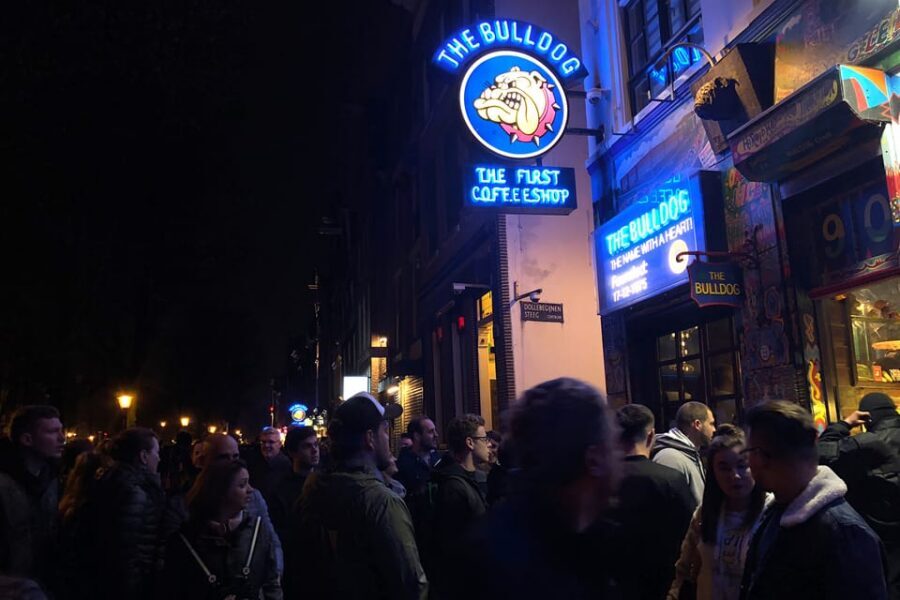
Leidse Square brings a different energy than Dam Square—more entertainment and late-night Amsterdam vibes. It’s a good waypoint because it helps you understand the district’s connection to the larger city, not just the windows themselves.
From there, you’ll pass through Grachtengordel (the canal belt area). Even if you’re not a hardcore canal fan, the timing works: the canals and the old neighborhoods create contrast. You see how the district sits within Amsterdam’s historic core, alongside buildings and street geometry that have existed for a long time.
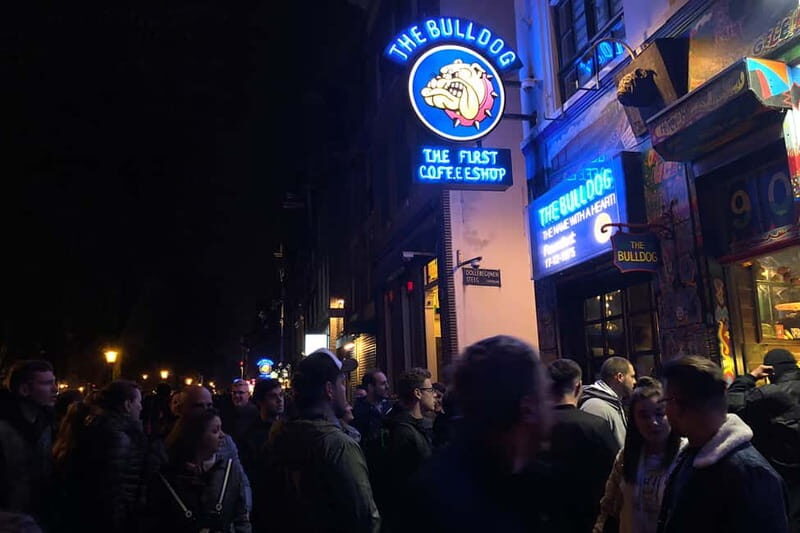
The tour also includes a walk through some of the narrowest streets, where the “small space, dense activity” feel becomes obvious. You’ll also get a chance to see the first coffeeshop of Amsterdam during this part of the route. That’s a great pairing, because coffee shops and adult entertainment are often mentioned together, yet they’re part of different layers of the city’s culture.
Oude Kerk and Amsterdam’s oldest building stop
One of the smartest parts of this tour is the balance it creates. Right after the adult-focused streets, you shift to Oude Kerk—and this stop is timed so you can cool down your brain.
The tour highlights include seeing the oldest building in Amsterdam, and Oude Kerk is the place tied to that moment on this route. Standing in that kind of historic setting after walking the Red Light District helps you reset. You remember that Amsterdam’s old streets and older institutions are still here—just surrounded by new realities.
This isn’t a “history lecture” style stop. It’s more like a palate cleanser: you get a clear anchor point for what’s ancient in the city before the walk ends.
Amsterdam Chinatown, the Flower Market area, and Nieuwmarkt Square
Later on you’ll head into Amsterdam Chinatown and toward Nieuwmarkt Square. These stops matter because they show you how the neighborhood changes block by block. The district isn’t isolated; it rubs shoulders with other cultures and everyday commerce.
You’ll also stop near the Amsterdam Flower Market, which adds a different kind of street scene. It’s the kind of place where you can look up at the architecture and notice Amsterdam as a city of canals, markets, and movement—not only as a headline destination.
If you’re trying to learn how to navigate Amsterdam neighborhoods, these final stops help you connect dots. After the Red Light District, you get a route that feels like a real walk through the city’s old center, not a straight line of shock sights.
What to expect from your guide (and how to make it easier)
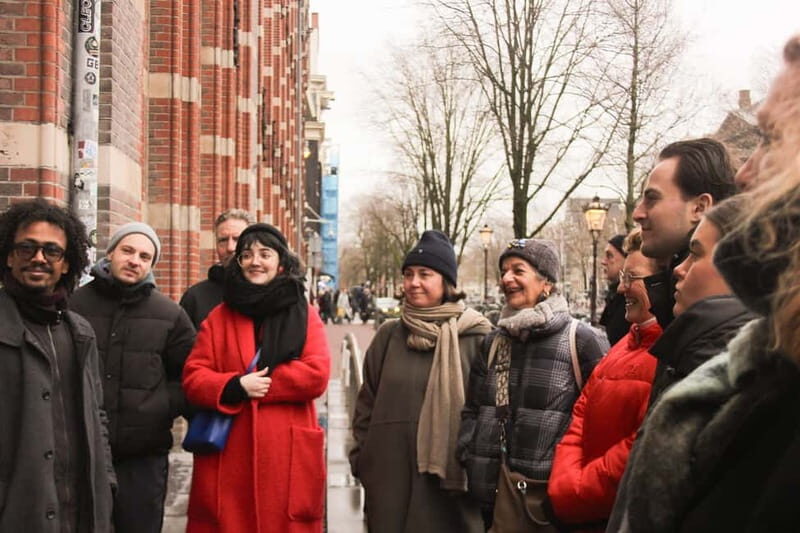
This tour is offered in English, German, Spanish, and Dutch, and it can run as private or small groups. In feedback patterns, guides like Robin, Joshua, Victor, Jay, Andrea, Pilar, Sanders, Adam, and Aarre show up as standouts for being clear, funny, and very willing to answer questions.
What you’ll want to do to get the most out of it:
- Keep your questions practical. Ask about what’s legal, what’s changing, and how Amsterdam frames this area.
- Treat the walk like a history-and-culture walk, not a scavenger hunt.
- Keep your phone low near the most sensitive areas. The guide will steer you toward the right viewing moments.
Also, plan for walking on city streets. It’s not a museum tour. You’re reading the neighborhood as you go—so wear shoes you can move in comfortably.
Who this tour fits best (and who should skip it)
This is a great match if you:
- want historical context and the legal/cultural angle, not just street-level sightseeing
- prefer a guided walk so you don’t feel lost or unsure what to do
- like mixing “serious Amsterdam” (churches, canals, old buildings) with a controversial subject in a respectful way
It’s not a great fit if:
- you need wheelchair-friendly routes (it’s not suitable for people with mobility impairments)
- you’re uncomfortable with adult-themed street life even with a guided, respectful explanation
- you’re looking for food, because no food or drinks are included
Should you book this Amsterdam Red Light District tour?
I’d book it if you want a structured, respectful way to see the famous sights and understand why Amsterdam treats the Red Light District the way it does. For $33, the real value is the guide’s ability to explain what you’re looking at while you’re still in the neighborhood—so your questions don’t turn into awkward guesses.
I’d skip or rethink it only if mobility is an issue, or if you’d rather focus on other Amsterdam highlights and keep this particular topic off your itinerary. Otherwise, this is one of those tours that turns a confusing destination into something you can actually interpret—windows, coffee-shop history, old buildings, and all.
FAQ
How long is the Amsterdam Red Light District tour?
It’s a 2-hour walking tour.
How much does the tour cost?
The price is listed as $33 per person.
What languages are available?
The live guide is offered in English, German, Spanish, and Dutch.
What’s included in the tour price?
You get a 2-hour guided walking tour with a professional guide.
Where do you meet and where does the tour end?
Meeting points vary by option, and the tour ends back at the meeting point.
Is the tour suitable for people with mobility impairments?
No, the tour is not suitable for people with mobility impairments.