REVIEW · AMSTERDAM
Guided Walking Street Food Tour of De Pijp & Beyond
Book on Viator →Operated by Hungry Birds Street Food Tours Amsterdam · Bookable on Viator
Street food can be the fastest way to learn Amsterdam. This guided walk threads you through Albert Cuyp Market and the everyday food streets of De Pijp, with a guide who explains what you’re eating and why locals care about it. You’ll sample a mix of Dutch classics and international snacks, so you get variety without hopping all over town.
I like that the tour keeps things small (up to 8 people), which makes it easier to ask questions and pace yourself while walking. I also like the focus on supporting small businesses instead of chasing generic tourist stops. One possible drawback: the food lineup often includes items like herring and kroket, so if you have strict dietary needs, you’ll want to communicate early and be ready to opt out where necessary.
In This Review
- Key things I’d count on from this tour
- Why De Pijp and Albert Cuyp Market work for a street food day
- Albert Cuyp Market: your first 45 minutes of Dutch classics and global snacks
- De Pijp side streets: Toko culture and iconic Dutch bites in a real neighborhood
- What you’ll eat: 7+ street foods plus a few drinks
- The guide energy: why banter and good pacing matter on a food tour
- Timing and walking pace: a 4–5 hour neighborhood stroll, not a sprint
- Price and value: what $155.68 buys you in the real world
- Who should book this street food walk (and who might not love it)
- Book it or skip it: how to make the decision
- FAQ
- How long is the guided walking street food tour?
- What is the price per person?
- Where does the tour start, and what time?
- What language is the tour offered in?
- How many people are in the group?
- Is there free cancellation?
Key things I’d count on from this tour
- Small group size (max 8): more conversation, less waiting in line.
- Two food zones in one afternoon: Albert Cuyp Market plus De Pijp side streets.
- At least 7 street foods plus a few drinks: enough variety to feel like a real tasting.
- International street food next to Dutch favorites: from places like Indonesian and Surinamese-influenced snacks to Japanese bites.
- English guide with group-smart banter: guides like Sharmain and Sara are praised for reading the room.
- Local pace over tourist pace: you’re walking neighborhoods, not just viewing them.
Why De Pijp and Albert Cuyp Market work for a street food day
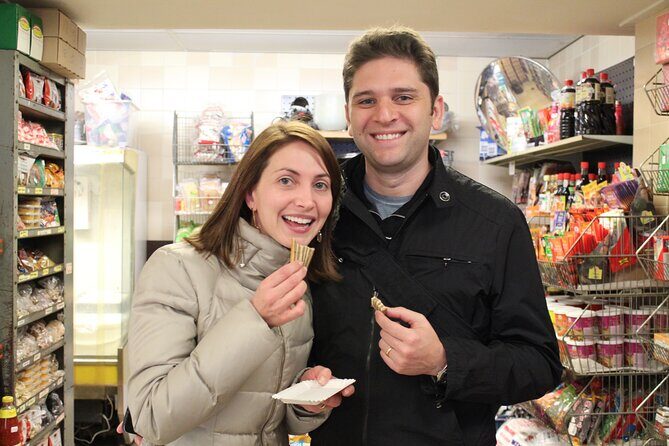
If you’re trying to understand Amsterdam beyond canals and museum tickets, you need a different lens. This tour gives you that lens through food—the kind people actually eat on normal days.
De Pijp is perfect for this because it’s built around small shops, narrow streets, and the mix of cuisines you find in a neighborhood that lives year-round. You’ll start at Albert Cuyp Market, which is one of the best places in Amsterdam to see how Dutch food culture and international influences sit side by side. Then you’ll continue into De Pijp, where the food is spread out across street corners and tiny eateries instead of all packed into one hall.
The whole point is simple: you get your bearings fast, and you eat your way into the neighborhood’s rhythm. That’s a win if you only have a short window in the city or if you’d rather spend your time tasting rather than shopping for souvenirs.
You can also read our reviews of more walking tours in Amsterdam



Albert Cuyp Market: your first 45 minutes of Dutch classics and global snacks
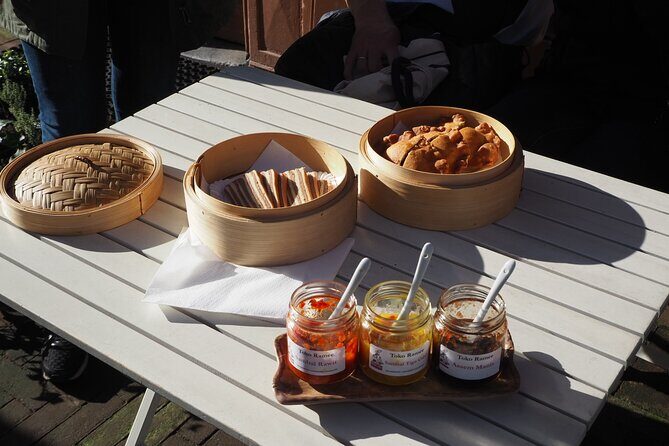
You’ll begin at Albert Cuypstraat 75, 1072 CN, with a 45-minute stop at Albert Cuyp Market. This is where the tour gets you oriented and gives you a strong starter set of flavors.
At the market, you’re not just walking past stalls. You’re directed toward small family businesses and food entrepreneurs—places loved by many Amsterdammers and also the kind of shop that doesn’t need a flashy location to succeed. The tour focuses on Dutch favorites and street foods from different backgrounds, such as Indonesian, Surinamese, and Japanese influences.
Some of the specific things you can expect during this stop include:
- Herring (a classic Amsterdam bite, even if it’s an acquired taste for some)
- Broodje Pom (a bread sandwich-style snack)
- Kroket (deep-fried goodness that shows up all over the Netherlands)
- Stroopwafels (the caramel syrup waffle cookies you’ll keep thinking about later)
What makes the market portion valuable is the way it sets context. Instead of treating each bite like a random sample, you get a sense of how these foods became everyday staples—then you carry that understanding into the neighborhood walk.
A practical consideration: markets can be busy, and you’ll be standing, tasting, and moving in tight spaces. If you prefer slow museum-style movement, this portion might feel more intense. If you’re fine with that, it’s one of the best ways to get into Amsterdam’s real food tempo.
De Pijp side streets: Toko culture and iconic Dutch bites in a real neighborhood
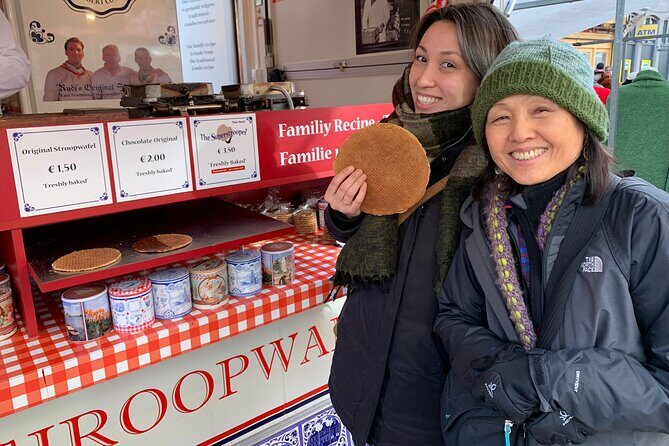
After the market, you’ll spend about 3 hours in De Pijp, which is where the tour shifts from a market mindset to a neighborhood mindset. Here the food is tied to daily local life—small storefronts, narrow streets, and eateries that look like they’ve served the same crowd for years.
You’ll visit a mix of:
- Dutch street food stands and snack counters
- Toko’s (small grocery stores and eateries, often stocked with Asian products and sometimes featuring Indonesian or Surinamese food)
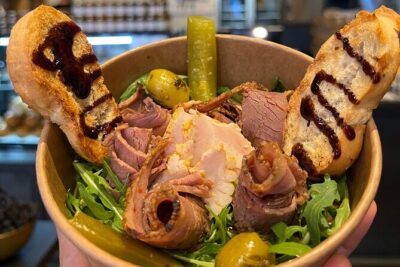
- International newer eateries, including Japanese Sandos
This is the part where your walking skills matter. De Pijp is not about big boulevards and wide sidewalks. It’s more about turning corners, spotting what’s open, and learning how the neighborhood’s food identity shows up in small places. You’ll get a sense of how locals eat when they don’t have to think about it.
Expect classic Dutch street foods along the way, such as:
- Fries
- Poffertjes (little Dutch pancakes, often served warm and sweet)
- Stroopwafels again (yes, it’s a repeat, but they’re built to be the kind of treat you want more than once)
- Kroket
- Herring
One plus: the tour is designed so you’re not just consuming. The guide helps you understand what you’re looking at—like why a Toko might carry certain ingredients and what kinds of snacks fit the street-food style here.
If you’re trying to avoid tourist traps, De Pijp is a smart choice because the food is tightly linked to the neighborhood’s actual community. The tour also keeps you moving through smaller streets instead of only taking photos in obvious places.
What you’ll eat: 7+ street foods plus a few drinks
This tour is built around tasting: at least seven local street foods and a few drinks. That number matters, because Amsterdam street food can get expensive if you buy one bite at a time with no plan.
Here, the sampling approach is the value. You get enough bites to compare flavors and textures—salty against sweet, fried against saucy, familiar Dutch staples against international options—without needing to pick perfectly from a menu.
A helpful way to think about the tasting style:
- You’ll likely get multiple Dutch comfort foods early and mid-tour.
- You’ll also get international options so the day doesn’t become a loop of the same flavor profile.
- Drinks are included, but not described in detail here, so you should expect light add-ons rather than a full bar crawl.
If you’re a picky eater: this tour is still worth considering, but go in with flexibility. You’ll want to share any restrictions with the guide so they can steer you toward the best matches within the tour’s fixed rhythm. The food list you might see includes items like herring and kroket, which won’t work for everyone.
The guide energy: why banter and good pacing matter on a food tour
Food tours succeed or fail based on the guide, even when the restaurants are great. On this one, the guide personality comes up again and again—especially the sense of fun banter and reading the group.
Two guide names are specifically mentioned in the feedback: Sharmain and Sara. The praise isn’t just for being friendly. It’s for being able to manage different personalities while still keeping the conversation moving as you walk. That’s important because you’re on your feet for hours.
A small group of up to 8 people also changes the vibe. You’re not yelling answers across a crowd. You can ask why a certain snack matters, what ingredient to notice, or what you should try next. And when the group is small, the guide can adjust the pace if someone needs a short pause at the market or wants a slower moment to eat.
If you like tours where you learn something without the lecture feeling, this is the kind of setup that tends to work. You get history and context tied to the food, not stuck in the abstract.
You can also read our reviews of more food & drink experiences in Amsterdam



Timing and walking pace: a 4–5 hour neighborhood stroll, not a sprint
This experience runs about 4 to 5 hours, starting at 11:00 am. That’s a good midday-to-early-afternoon window in Amsterdam because you’re eating before the late-day crush, and you’re finished while the city still feels lively.
What I’d plan around:
- Wear shoes you trust for uneven sidewalks and tight corners.
- Expect short pauses to buy, eat, and move on.
- You’ll likely end up satisfied, but still ready for a casual dinner later.
Also, the experience ends in a different location than the start (the exact end point is not spelled out in the details you provided). That’s common for walking tours in neighborhoods with multiple food stops. If you’re connecting to something later that day, give yourself a buffer so you’re not rushing to transit right after you finish eating.
Price and value: what $155.68 buys you in the real world
At $155.68 per person, this isn’t the cheapest way to eat in Amsterdam. The question is whether it’s worth it for your time.
Here’s what you’re paying for, based on the tour details:
- A guide (English) who takes you to specific food stops in De Pijp and at Albert Cuyp Market
- At least seven street foods plus a few drinks
- A tight itinerary format that covers two neighborhood zones instead of forcing you to figure it out alone
- A max group size of 8, which can reduce waiting and increase your ability to ask questions
There’s also a practical cost-saver built in: the tour tickets you encounter here are noted as admission ticket free for the market-style stops, meaning the price isn’t inflated by museum admissions.
If you tried to reproduce this yourself, you’d spend time figuring out where to go, what to order, and how to avoid random picks. You might also miss the local context that helps you choose confidently. For many people, that alone makes a guided tasting day feel like a time investment rather than just an expense.
Bottom line: if you want a planned food day with enough variety to count it as a highlight, the pricing makes more sense than if you’re only looking for one quick snack.
Who should book this street food walk (and who might not love it)
This tour fits best if you:
- Like street food and want variety without hunting for addresses on your own
- Enjoy walking neighborhoods and learning how locals eat
- Want to avoid obvious tourist traps by focusing on small businesses and everyday spots
- Appreciate a guide who keeps the energy light and the food talk clear
It’s also a good fit if you want to travel with a partner or a small group vibe. The max of 8 is ideal for small-group interaction.
You might reconsider if you:
- Have strict dietary rules (because the tour’s food list can include herring and kroket-type items)
- Hate crowded market environments and tight passageways
- Prefer a slower sightseeing pace where food is secondary
The tour does note that most travelers can participate, and service animals are allowed. That helps if you need a more straightforward participation setup.
Book it or skip it: how to make the decision
I think you should book this tour if you’re in Amsterdam for a short stretch and you want a high-return day. The combination of Albert Cuyp Market plus De Pijp street food gives you a real feel for how Amsterdam eats, not just how it looks.
I’d skip it if your idea of travel is mostly scenery and sit-down meals. This is a walking tasting experience. Even when the stops are short, the format is built around moving and sampling.
If you want my simple decision rule: if street food is your style and you want local focus over tourist checklists, this is a strong pick—especially with the small group size and guides who know how to keep the mood fun while staying practical.
FAQ
How long is the guided walking street food tour?
The tour lasts about 4 to 5 hours.
What is the price per person?
The price is $155.68 per person.
Where does the tour start, and what time?
The tour starts at Albert Cuypstraat 75, 1072 CN Amsterdam with a start time of 11:00 am.
What language is the tour offered in?
The tour is offered in English.
How many people are in the group?
The tour has a maximum of 8 travelers.
Is there free cancellation?
Yes. You can cancel for a full refund up to 24 hours before the experience starts, and cancellations within 24 hours are not refundable.