REVIEW · AMSTERDAM
Amsterdam Jordaan Food & Drinks Tour with Eating Europe
Book on Viator →Operated by Eating Europe Food Tours Amsterdam · Bookable on Viator
Three hours can feel like a week.
This Amsterdam Jordaan food-and-drinks walk is built around real local eating: a 400-year-old apple pie stop, classic Dutch bar food, and drinks that go beyond the usual tourist pour. I like that it keeps things small (max 12), so you actually talk with your guide and the pace stays human. I also like that the menu isn’t just one-note Dutch comfort food; you’ll spot Surinamese and Indonesian influence in dishes most first-timers never connect to Amsterdam. One drawback to keep in mind: it’s a tasting tour, not a sit-down feast. If you want a big meal with full portions, you may still feel a bit snacky by the end.
You’ll start at Noordermarkt 48 and finish at Prinsengracht 261a, with the route designed for neighborhoods, canals, and food spots that locals keep using. Expect a steady walk, a mix of quick bites and seated tastings, and stops that weave in stories tied to Dutch everyday life and WWII-era Amsterdam—plus a final jenever and bitterballen moment that lands like a classic punchline.
In This Review
- Key highlights at a glance
- Why the Jordaan is a smart place to eat in Amsterdam
- What the 3-hour route feels like on your feet
- Your food walk: Papeneiland, fishmongers, cheese bars and more
- Stop 1: Papeneiland and the 400-year-old apple pie moment
- Stop 2: Vishandel Centrum for herring and kibbeling
- Stop 3: Café De Poort for Gouda with aging stages
- Canal walk and Golden Age context
- De Gangen Willemstraat for a look at Amsterdam’s hardest edges
- Stop 4: Mama’s Koelkast for Surinamese rotirol
- Stop 5: Pat’s Poffertjes Oude Leliestraat for the griddle treat
- Stop 6: A WWII-era site exterior (Anne Frank House area context)
- Final stop: Café Dialoog for bitterballen and jenever
- Dutch classics with Surinamese and Indonesian side quests
- Drinks you get to sip: beer, wine and jenever
- How the guides shape the tour, from Gerard to Elena
- Is $110.05 a fair price for this food tour?
- FAQ
- How long is the Amsterdam Jordaan Food and Drinks Tour?
- How much does the tour cost?
- What food and drinks are included?
- Where does the tour start and end?
- Is there a limit on group size?
- Can dietary needs be accommodated?
- Can children join?
- Is there a cancellation option for a full refund?
- Should You Book This Amsterdam Jordaan Food and Drinks Tour?
Key highlights at a glance
- Legendary apple pie at Papeneiland in a 400-year-old brown café
- Fresh fish at a traditional fishmonger with herring and crispy kibbeling
- Cheese with aging stages at Café De Poort (Gouda pairs with wine)
- Surinamese rotirol from Mama’s Koelkast in a women-run catering shop
- Jenever and bitterballen to end at Café Dialoog in a cozy brown café
Why the Jordaan is a smart place to eat in Amsterdam
The Jordaan is one of those Amsterdam neighborhoods that makes sense for food. It’s not just a pretty postcard. It’s a former working area that turned into a fashionable food-and-café zone over time, and that shift shows up in what you’ll taste today.
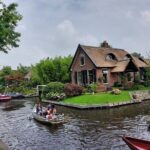
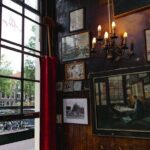
You’ll move along canals and pass classic brown cafés and specialty spots right where locals actually hang out. The route also gives you a sense of Amsterdam’s Golden Age influences—how trade, prosperity, and food culture bumped into each other. It’s also where you get that feeling of walking through narrow streets and water edges that shaped daily life for centuries.
The tour uses Jordaan like a living menu. Instead of “eat anywhere, anytime,” you’re eating in the neighborhood’s natural rhythm: fish counters, cheese bars, dessert griddles, and places that still feel like they have regulars.
You can also read our reviews of more food & drink experiences in Amsterdam

What the 3-hour route feels like on your feet
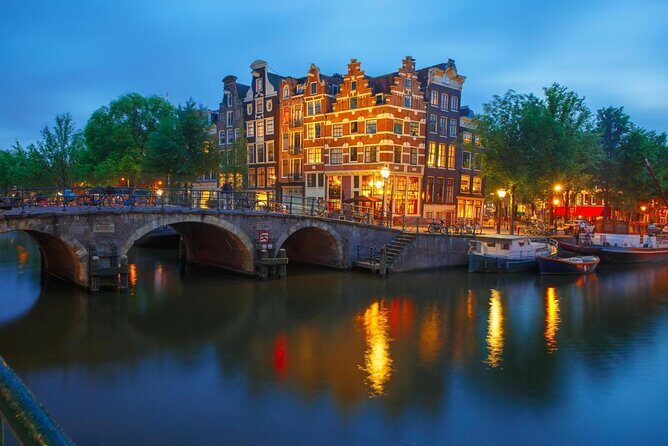
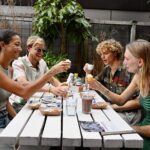
This is a roughly 3-hour walk with about 8 authentic shops and eateries and a lot of the tasting happens while you’re moving between stops. The group size is capped at 12, which matters more than people expect. It keeps questions from getting lost, and you’re not stuck in a line of 30 while your guide tries to speed-feed facts.
The tour runs in English and starts at Noordermarkt 48 (near public transport), finishing at Café Dialoog on Prinsengracht 261a. Bring comfortable shoes. You’ll be on sidewalks and canal-adjacent streets, and rain can happen—one of the most common review themes is that the food still makes it worth it, but walking in wet weather is wet walking.
Practical tip: plan to work up a mild appetite first. With tastings spaced throughout, you don’t want to arrive full of pastry already, or you’ll miss the point.
Your food walk: Papeneiland, fishmongers, cheese bars and more
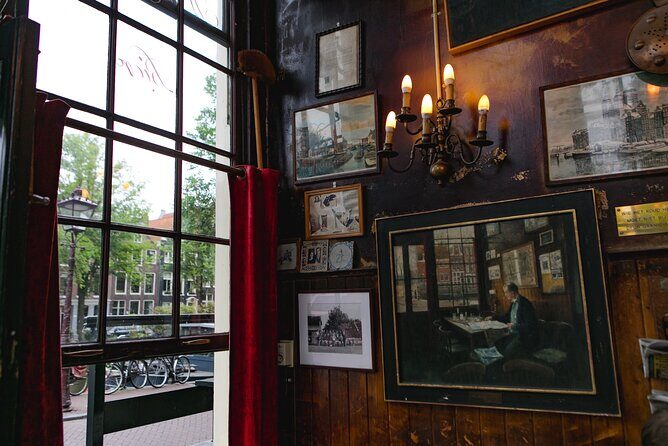
Here’s the route in the order you’ll experience the flavors. Expect a mix of standing tastings and short seated moments, plus drinks built into the stops.
Stop 1: Papeneiland and the 400-year-old apple pie moment
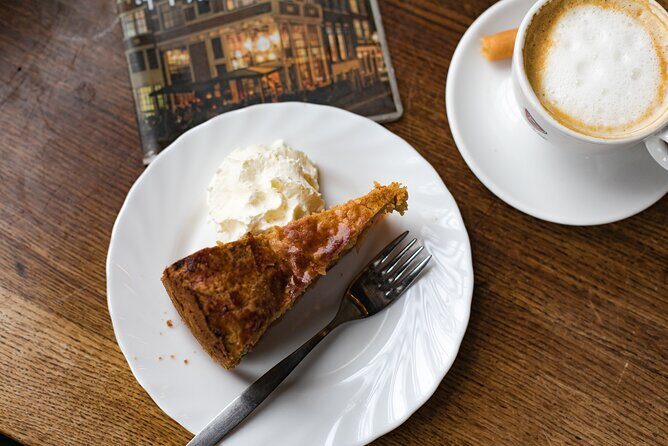
You kick things off at Papeneiland for Amsterdam’s legendary apple pie at a 400-year-old brown café. The beauty here is simplicity: apple pie that’s been family-made for generations, paired with your choice of coffee, cappuccino, or tea.
This stop sets the tone. Amsterdam desserts can be fussy elsewhere, but this feels like comfort food with history. The apple pie is also the easiest way to calibrate what Dutch sweetness means—more pastry-deep than candy-sweet.
Stop 2: Vishandel Centrum for herring and kibbeling
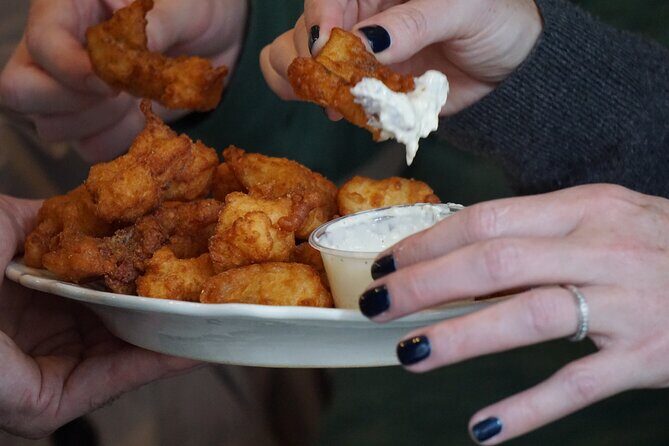
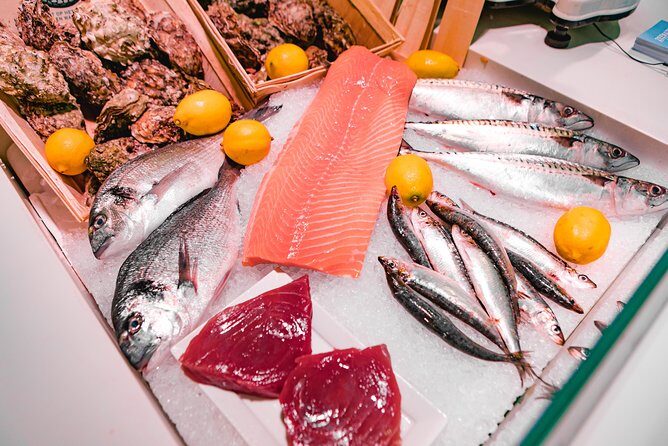
Next comes fish at a classic Dutch fishmonger. You’ll taste fresh herring and crispy kibbeling (fried fish pieces), and you’ll see fish prep happening right in the open back area.
If herring makes you nervous, you’re not alone. Dutch sashimi-style pickled herring is a shock to the system for some people—raw onion and pickles do the heavy lifting. But this tasting approach keeps it manageable. You get the flavor idea without being forced into a full fish plate.
You can also read our reviews of more tours and experiences in Amsterdam


Stop 3: Café De Poort for Gouda with aging stages
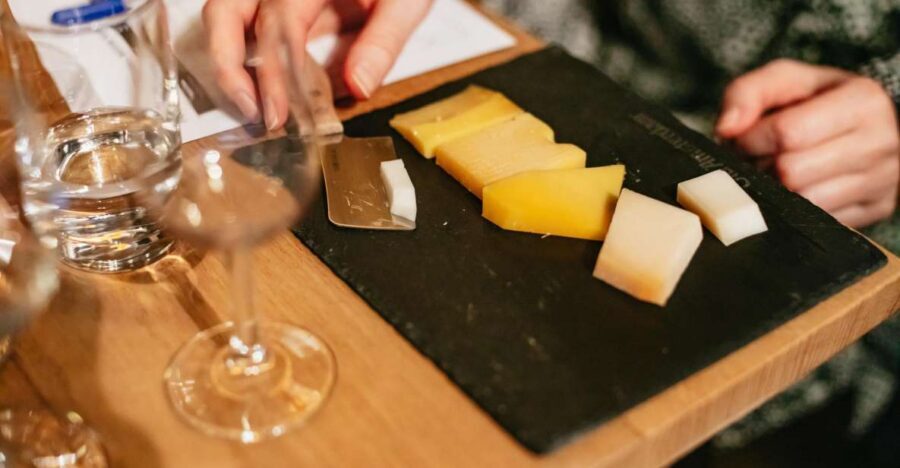
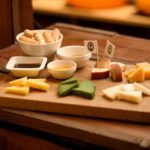
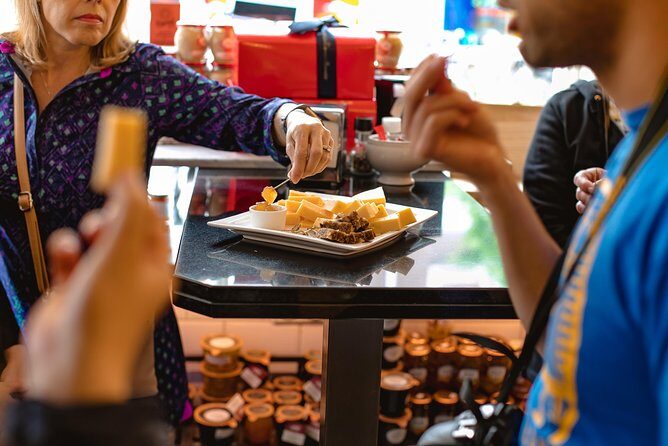
Then it’s cheese at Café De Poort Amsterdam, where you’ll sample an assortment of organic Gouda. The smart move is that you taste different cheeses at different aging stages, so you can actually detect how flavor changes as the cheese matures.
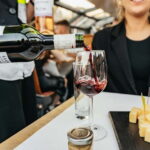
You’ll also pair cheese with wine here. It’s one of the most practical stops on the tour because it trains your palate. After this, “Dutch cheese” stops being a category and becomes a set of specific flavors you can name.
Canal walk and Golden Age context
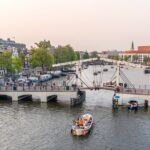
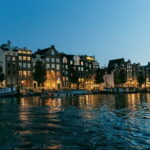
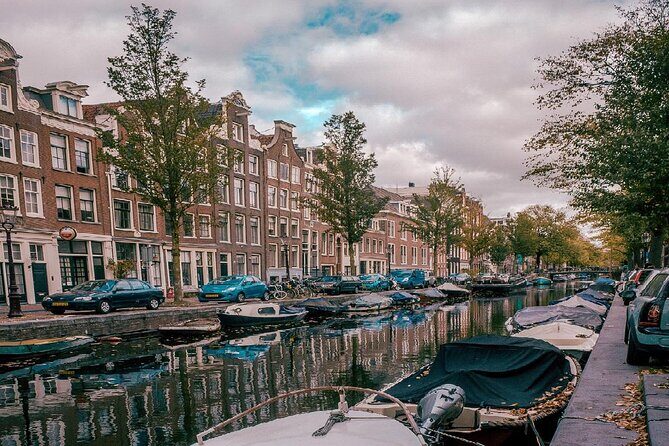
Between food stops, you’ll take in canal views with 17th-century architecture while your guide connects the city’s Golden Age to food culture. This is where the tour becomes more than eating. You get context for why certain foods stuck around and why brown cafés became cultural anchors.
De Gangen Willemstraat for a look at Amsterdam’s hardest edges
You’ll walk through De Gangen Willemstraat, known as the hallways or slums—tight alleys behind houses that once housed the city’s poorest residents. Your guide uses the narrow lanes as a way to explain how people lived, suffered, and survived, and how that reality shaped food habits.
It’s an important tonal shift in the tour. You’re still in the Jordaan, still moving fast enough to keep it fun, but the stories add weight. If you’re sensitive to WWII themes, know you will hear about the impact of the period on Amsterdam’s culture and cuisine.
Stop 4: Mama’s Koelkast for Surinamese rotirol
Mama’s Koelkast is a standout because it turns “food tour” into real food-world mixing. It’s a women-run catering shop where Mama Jane serves homemade Surinamese rotirol—a flavorful, home-cooked highlight built from cultural roots that most tourists never think to seek.
This is one of the best places to notice how Amsterdam’s food scene has always been shaped by migration and trade. You’re not just tasting Dutch staples. You’re tasting Amsterdam’s broader pantry history.
Stop 5: Pat’s Poffertjes Oude Leliestraat for the griddle treat
For something sweet, you’ll stop for poffertjes, the fluffy mini pancakes cooked fresh on a griddle. They’re served warm with butter and powdered sugar.
This stop is short, but it’s classic Amsterdam in the best way: warm, simple, and comforting, with that street-food feel that reminds you the Netherlands also does snackable pleasures, not just savory bars.
Stop 6: A WWII-era site exterior (Anne Frank House area context)
You’ll also view the exterior of a poignant historical site while your guide gives context about Amsterdam during WWII and what that meant for the city’s culture and food scene afterward. The tour specifically references Anne Frank’s House as a landmark tied to this period, so expect a somber, reflective moment alongside the tasting momentum.
Final stop: Café Dialoog for bitterballen and jenever
You end at Café Dialoog on Prinsengracht 261a with crispy bitterballen and a smooth glass of jenever. This pairing is a classic for a reason: salty, crunchy fried goodness next to a traditional gin made from juniper.
If you try jenever for the first time, this stop is a good intro. It’s not a forced shot. It’s part of a pairing that makes sense with the food.
Dutch classics with Surinamese and Indonesian side quests
Dutch food can sound repetitive on paper, but this tour keeps it varied on purpose. The lineup is basically a quick tour of the Dutch comfort-food system:
- Fish-and-fry culture, shown through herring and crispy kibbeling
- Cheese-first thinking, taught through Gouda aging stages and wine pairing
- Brown-café bar snacks, with bitterballen as the finish
- Dessert griddles, via poffertjes
- Pickled herring style Dutch sashimi, where sour and salty carry the story
Then comes the part that many people love most: the non-Dutch influences. The Surinamese rotirol is the clearest example, but the tour also points you toward how Indonesian and other colonial-era food influences show up in Amsterdam eating today. That matters because Amsterdam food culture isn’t locked in a museum. It’s changed all the way up to now.
A small-group format helps here. You’re not just swallowing bites—you’re learning what you’re tasting and why it belongs in Amsterdam.
Drinks you get to sip: beer, wine and jenever
Drinks are included throughout the tour. The highlights you’ll taste include local beer, wine, and traditional jenever.
The pacing matters. You get drinks spread across stops rather than one big alcohol dump early on. The wine pairing with Gouda is especially useful because it helps you understand how Dutch flavors are balanced. And the jenever at the end works as a celebratory finish that feels very Dutch bar-culture, not like a watered-down tasting flight.
If you’re the type who wants to sip slowly and stay in control, this is a good structure. You can pace yourself because the food stops keep pulling the focus back to flavor.
How the guides shape the tour, from Gerard to Elena
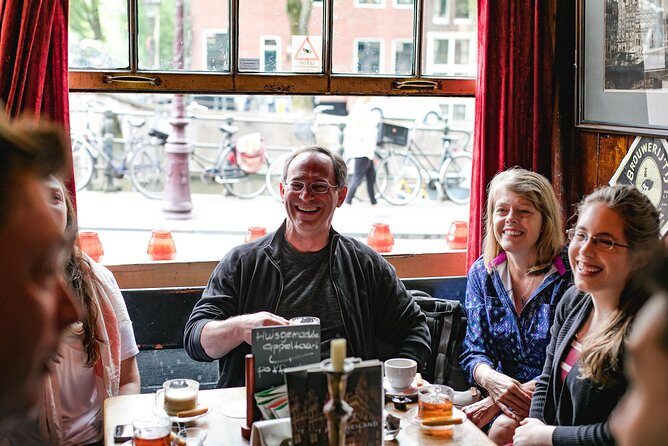
This kind of tour lives or dies on the guide. The good news: the guide feedback here is consistently strong. You’ll hear names like Gerard, Stephanie, Paul, Danielle, Elena, Mickey, and Jacob tied to guides who kept the tone friendly and kept the facts moving.
What I like about the pattern in guide comments is how often it comes back to three things:
- They connect the food to the city, not just to cooking trivia
- They manage small-group flow so everyone gets a moment
- They handle oddball moments well, like switching a dish when dietary needs come up
One specific plus: at least one guide is noted as verifying an allergy and swapping a dish accordingly. Still, do keep in mind the tour has limits for severe or life-threatening allergies. If that’s your situation, don’t gamble with it—ask directly ahead of time.
Is $110.05 a fair price for this food tour?
At $110.05 per person for about 3 hours, you’re paying for more than tastes. You’re paying for:
- multiple stops across a real neighborhood
- included drinks (not just one toast)
- a guided route with history and food context
- a small group cap, which is rare at this price point
Also, the stops include admissions for certain tastings, and that reduces the hidden “gotchas” cost. You’re not just buying your way into one café. You’re being routed through fish, cheese, dessert, and bar snacks with drinks built in.
If you’re the type who already loves Amsterdam and wants one high-value activity you can book early, this is that category. It’s also a great first activity in town because it gives you a mental map of Jordaan and the kind of places you can return to later.
If you’re expecting a full-course meal with large portions, it may not satisfy that hunger level. The tour is designed for sampling, with enough food to feel like you ate well, but not so much that you need a nap on a canal bridge.
FAQ
How long is the Amsterdam Jordaan Food and Drinks Tour?
It runs for about 3 hours.
How much does the tour cost?
The price is $110.05 per person.
What food and drinks are included?
You’ll taste several authentic Dutch items plus drinks throughout the tour, including local beer, wine, and traditional jenever. Specific tastings include apple pie, herring and kibbeling, Gouda cheese, Surinamese rotirol, poffertjes, and bitterballen.
Where does the tour start and end?
Start: Noordermarkt 48, 1015 NA Amsterdam.
End: Prinsengracht 261a, 1016 GV Amsterdam.
Is there a limit on group size?
Yes. The tour has a maximum of 12 travelers.
Can dietary needs be accommodated?
The tour states they’ll do their best to accommodate vegetarians, gluten-free guests, and other dietary needs if you email or add a note at booking. It is not suitable for severe or life-threatening food allergies.
Can children join?
Children under 4 can join for free, but food is not included. Paid tickets with food included are available for ages 4 and up.
Is there a cancellation option for a full refund?
Yes. Free cancellation is available up to 24 hours in advance for a full refund.
Should You Book This Amsterdam Jordaan Food and Drinks Tour?
Book it if you want one activity that mixes real food eating with Jordaan walking and practical context. This is especially worth it if it’s your first Amsterdam weekend and you want to learn the local bar-café rhythm fast. The small group size helps, and the final jenever-and-bitterballen finish is a strong closer.
Skip it or choose something heavier if you crave big portions at each stop, or if you need strict handling for severe allergies. Otherwise, for $110.05 and about 3 hours, this is a straightforward way to eat like Amsterdam actually eats.