REVIEW · AMSTERDAM
Amsterdam: City walking experience with a local
Book on GetYourGuide →Operated by Guidance Travel · Bookable on GetYourGuide
Amsterdam starts making sense fast.
This 2-hour city walk uses real local stories to connect Amsterdam’s canals, squares, and tolerance-focused history to what you see today, with a stroopwafel treat along the way.
I especially like two things: the way the route turns landmarks into a timeline, from the UNESCO canal belt to the after-effects of WWII, and how the city adapted to modern life. I also like the small-group feel, and how guides such as Manouk keep things friendly, interactive, and full of practical suggestions for what to do next.
One drawback to weigh: you’ll look at the Royal Palace area, but the tour does not include palace entry, and it’s not suitable for kids under 12—so families expecting a little bit of everything may want a different option.
In This Review
- Key highlights to expect on this Amsterdam local walk
- Why a local-led walk is the fast way to understand Amsterdam
- Price and what you actually get for $28
- Where you start at Beursplein and how the 2 hours flow
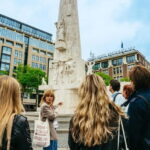
- Dam Square and the Royal Palace area: the civic Amsterdam moment
- Spui Square: where the guide brings in modern city life
- Begijnhof: tolerance made visible in a quiet courtyard
- Huis Aan De Drie Grachten: canal-belt lessons you can see
- Nieuwmarkt Square and Amsterdam Centraal: WWII impact and the bike question
- The Red Light area context: understanding without sensationalism
- Stroopwafel and the Dutch snack: the taste that makes it stick
- Small-group energy and smart recommendations you can use later
- Accessibility and practical comfort notes
- Who should book this Amsterdam city walk with a local guide
- FAQ
- How long is the Amsterdam city walking experience with a local?
- Where do I meet the guide, and where does the tour end?
- Is the Royal Palace included in the tour?
- What food and souvenir are included?
- Is this tour suitable for children or wheelchairs?
- What languages are the live guides speaking?
- Should you book this tour?
Key highlights to expect on this Amsterdam local walk
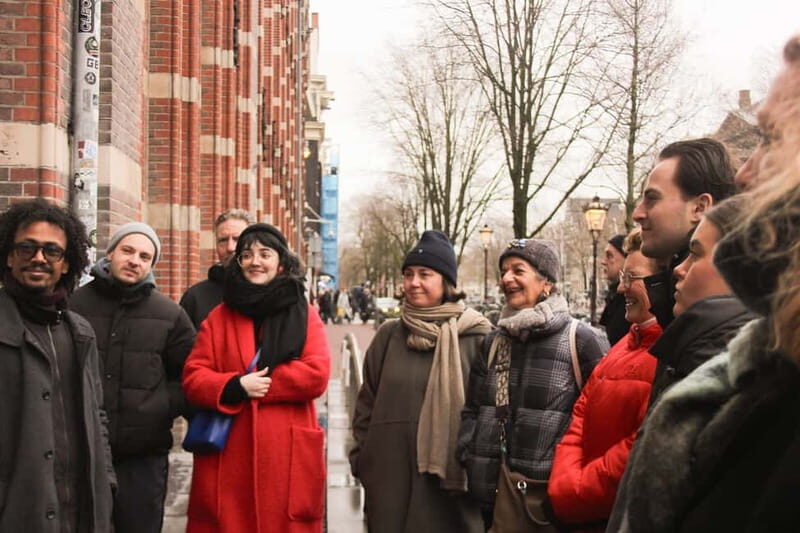
- A story-driven route through Dam Square, Begijnhof, and Amsterdam’s canal-belt neighborhoods
- UNESCO canal belt context plus how the city changed after WWII
- Bikes explained, including why so many disappear
- Local culture topics tied to Amsterdam’s reputation, including coffeeshops and prostitution (plus the 3 XXX’s)
- A stroopwafel moment midway through, with a small souvenir at the end
Why a local-led walk is the fast way to understand Amsterdam
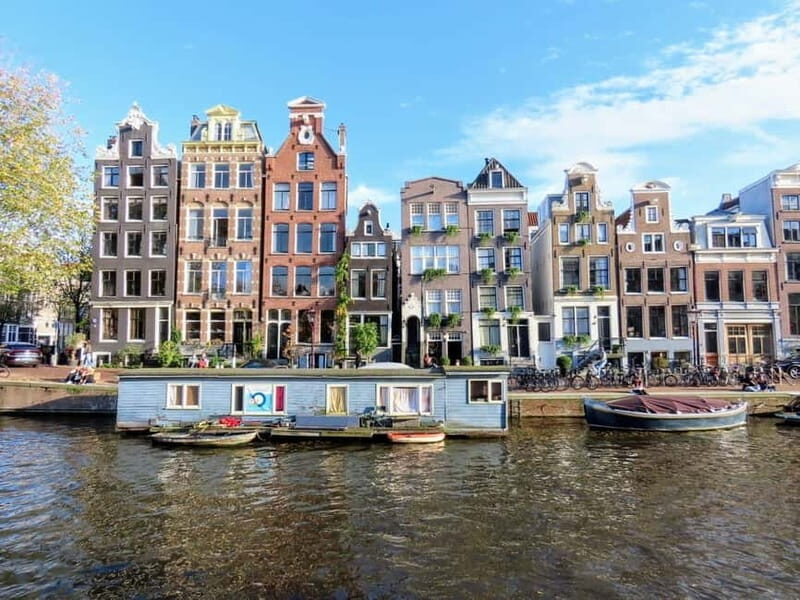
Amsterdam can feel like a postcard until someone puts it into context. This walk gives you that context. You start in the center and move through a mix of civic squares, medieval corners, and the modern city in action—so you’re not just sightseeing. You’re building a mental map of how the place works.
A big theme is tolerance. The guide frames Amsterdam’s open-minded attitude as something with deep roots, not just a modern marketing slogan. As you move through places like Dam Square and Begijnhof, you’ll see how different eras left their marks—then you’ll connect it to today’s rules, routines, and reputations.
I like that the tour also connects the visible to the invisible. You get stories about the UNESCO canal belt and the WWII impact, plus the practical side of city life like bikes, and how Amsterdam handles the things that attract attention. You’ll finish with a clearer sense of what’s genuinely “Amsterdam” versus what’s just noise.
You can also read our reviews of more walking tours in Amsterdam



Price and what you actually get for $28
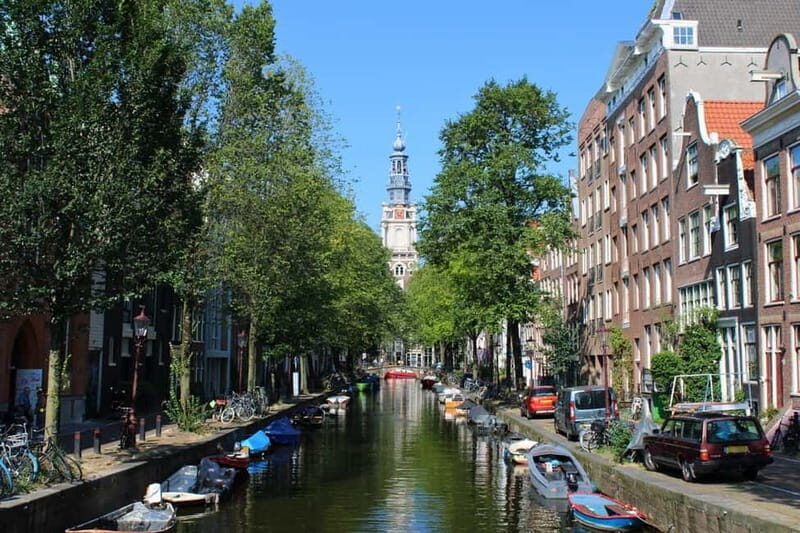
At about $28 per person for a 2-hour walking tour, the value comes from what’s included and what’s left out. You get a live local guide, a Dutch snack, and a small souvenir. You also get a stroopwafel treat during the walk, which is the kind of included food stop that instantly makes the tour feel worthwhile.
What’s not included is palace entry—so you get the square-and-stories experience, not a ticketed interior visit. If you want the Royal Palace inside, plan to do that separately. The good news is that this keeps your time focused: you’re walking, learning, and seeing more corners of the center rather than sitting in a line with a timed ticket.
So who does this suit best? If you’re on your first day or first full day and you want a grounded orientation—canals, squares, and the city’s modern identity—this is a solid use of time for the money.
Where you start at Beursplein and how the 2 hours flow
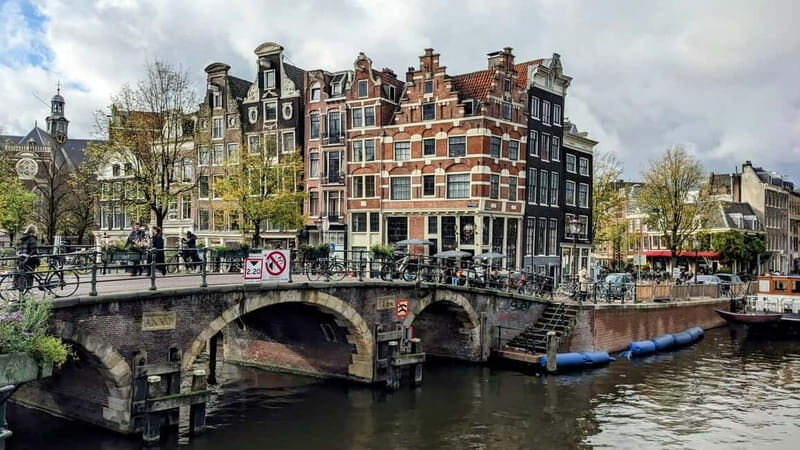
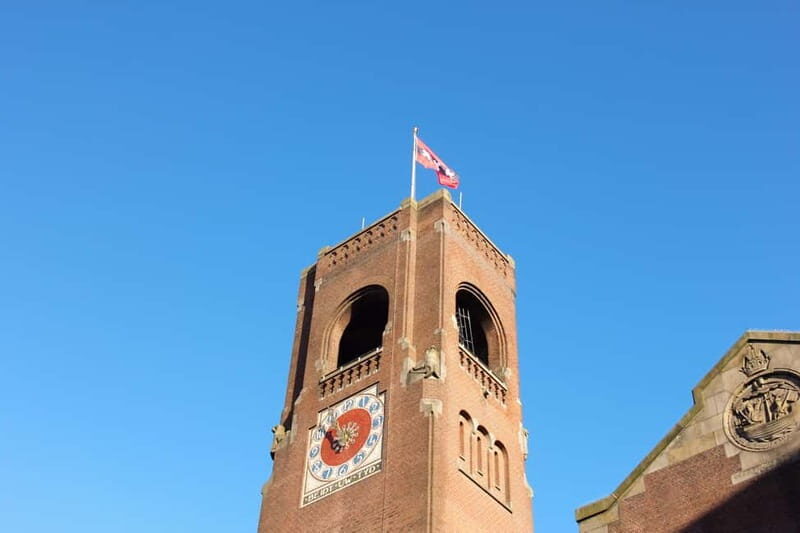
The meeting point is Beursplein, right on the square. You’ll meet at the bottom of the stairs of Bistro Berlage. Look for the guide by the large black lantern holding a sign that says Guidance.
The flow is simple: you walk from one landmark area to the next and stop often to hear the story behind what you’re looking at. The timing matters because the tour stays short—2 hours—so the guide has to keep things moving. That’s a good thing. You get a concentrated hit of Amsterdam without turning it into an all-day obligation.
Group size is also a factor. This is designed as a small-group tour, which means you’re more likely to ask questions and get direct answers. In the experiences led by Manouk, the vibe comes through as welcoming and interactive, with the guide encouraging questions and making sure everyone stays involved.
One practical note: no alcohol or drugs are allowed, which helps keep the walk respectful and comfortable for everyone.
Dam Square and the Royal Palace area: the civic Amsterdam moment
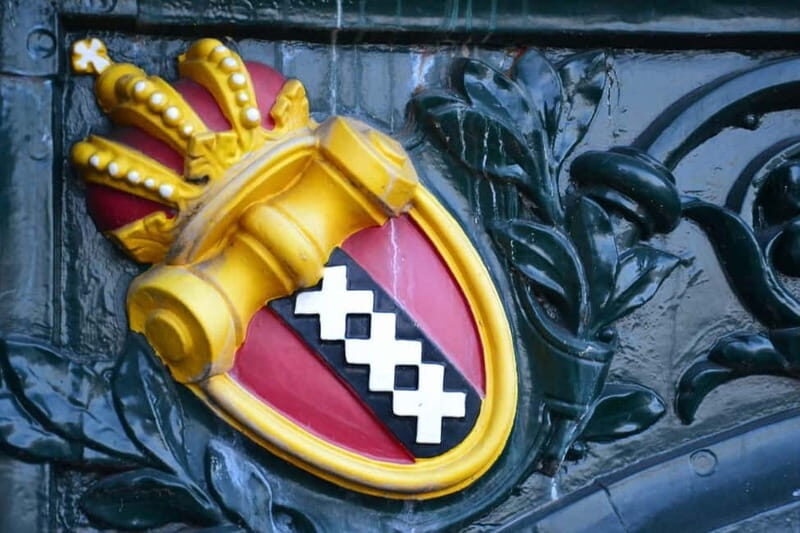
Stop 2 is Dam Square, and it’s the kind of place where you instantly feel the city’s public face. Here you’ll connect the square to the wider story of Amsterdam’s growth and the way major institutions shape everyday life.
Even though the tour doesn’t include entrance to the Royal Palace, you’ll still get the big “this is where power shows up” perspective. For many visitors, that’s actually the best approach early on. You learn what the area represents, you get context for what you’ll see, and you don’t lose your whole afternoon trying to fit one more ticketed visit.
Dam Square also serves as a pivot point in the tour’s themes. You’re shifting from pure sightseeing into how Amsterdam thinks—its public identity, its tolerance, and its evolving needs over time. Once you understand that, the next stops start clicking.
Spui Square: where the guide brings in modern city life
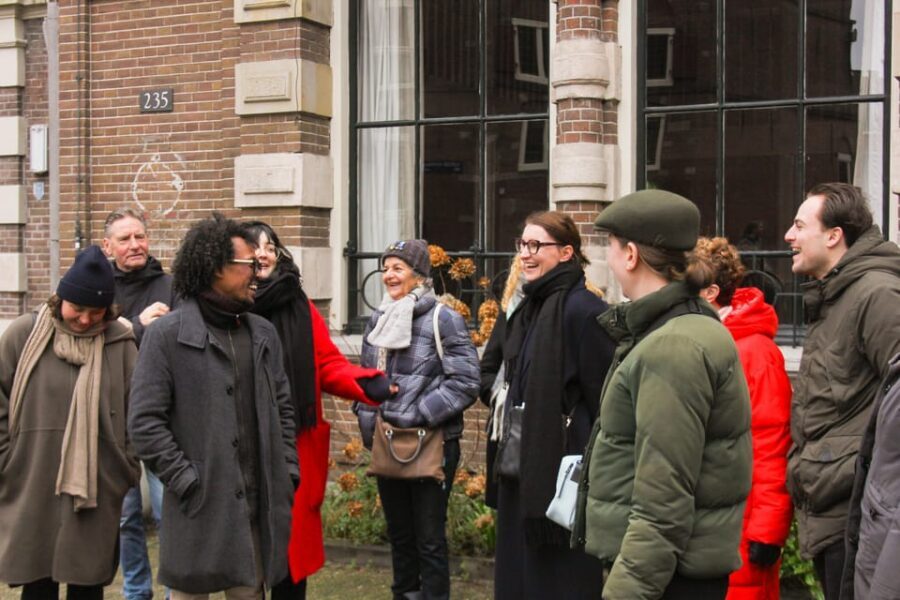
Next up is Spui Square. This stop helps you switch gears from monumental spaces to the lived-in rhythms of central Amsterdam. The guide uses this area to bring in how Amsterdam functions now, not just how it looked centuries ago.
You’ll likely hear the tour’s bigger reputation topics in this stretch—Amsterdam as a hub for coffeeshops and prostitution, plus the broader ideas behind the city’s attitude. It can sound abstract if you only read about it. Seeing how the city keeps moving, day after day, makes it feel real.
Spui Square is also a good place for a breather. If you’ve been power-walking from one attraction to another, this helps slow you down just enough to take in the details: how people gather, where streets pull you forward, and how bikes fit into it all.
You can also read our reviews of more city tours in Amsterdam






Begijnhof: tolerance made visible in a quiet courtyard
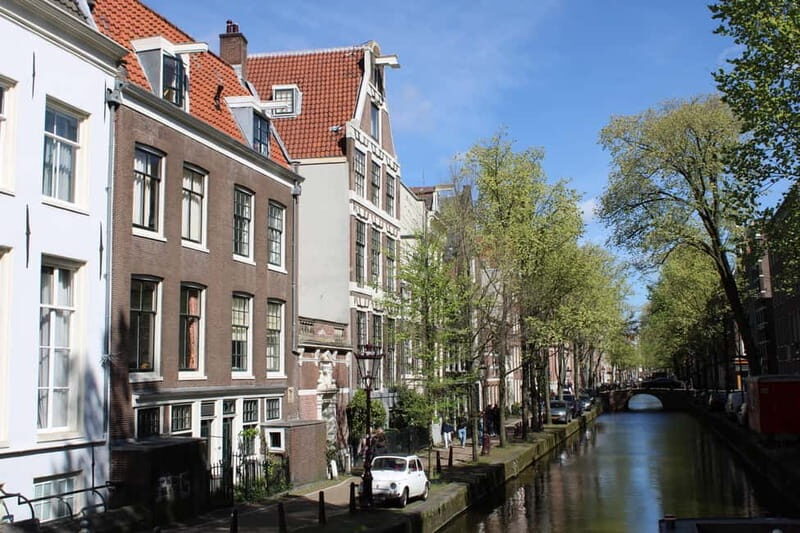
Stop 4 is Begijnhof, one of those Amsterdam places that changes your volume. The courtyard vibe contrasts with the surrounding streets, and that contrast is part of the lesson. This is where the tour’s tolerance theme feels less like a concept and more like a physical space.
Begijnhof represents a different kind of Amsterdam story—community life, history preserved in a small pocket, and the idea that this city has long been shaped by people who lived differently from the mainstream. The guide helps you connect that past to the modern attitude you’ll keep noticing throughout the walk.
Even if you’re not someone who typically enjoys “old courtyard” stops, I think you’ll get value here because the guide frames why the place matters and how it fits into Amsterdam’s evolution. You’re also getting practice at reading the city: look beyond the obvious and notice how human needs shaped design.
Huis Aan De Drie Grachten: canal-belt lessons you can see
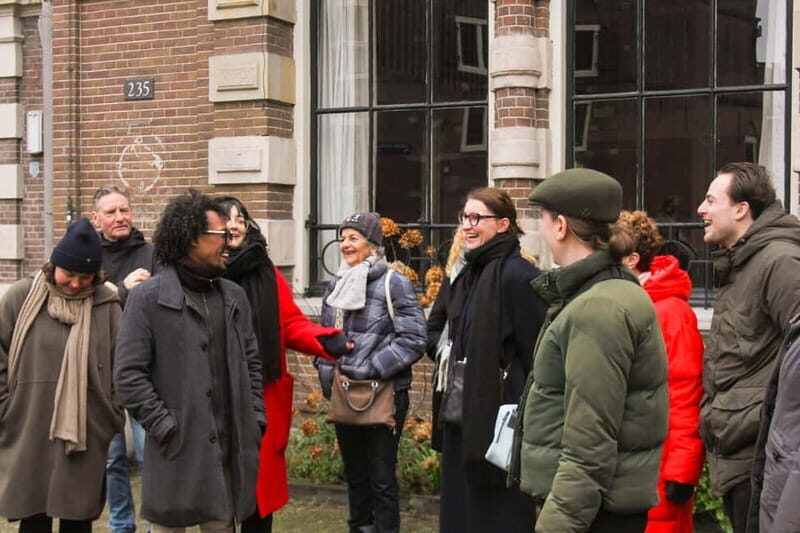
Stop 5 is Huis Aan De Drie Grachten—and this is where the UNESCO canal belt discussion becomes more concrete. The tour’s canal stories aren’t just about pretty water views. You’ll learn how the canal belt helped shape the city’s growth and how the city developed to handle real needs.
This is also where you start thinking about Amsterdam as an engineered place, not just a scenic one. The guide connects the architecture and canal layout to the city’s evolution and to how Amsterdam adapted to meet modern pressures.
I like this stop because it balances wonder with understanding. You get the photo-friendly setting, but you also leave knowing what to look for next time you’re walking near canals on your own. If you tend to remember places by a single “fact,” this is a strong anchor point.
Nieuwmarkt Square and Amsterdam Centraal: WWII impact and the bike question
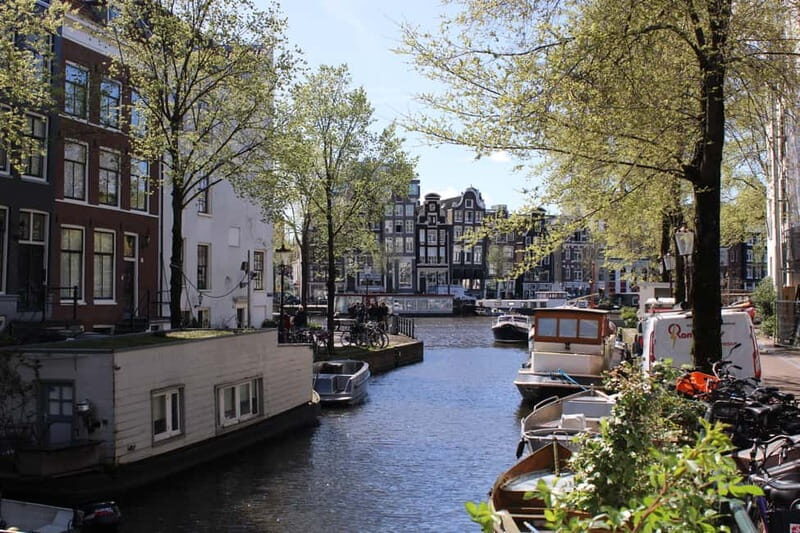
Stop 6 is Nieuwmarkt Square, and stop 7 is Amsterdam Centraal Station. Together, they help the tour cover both layers: history’s turning points and the city’s present-day flow.
The guide brings in WWII’s impact here. That matters because it explains why Amsterdam looks the way it does now, and why some parts feel layered—like they were rebuilt, reshaped, or reinterpreted rather than simply preserved. It also helps you connect the emotional weight of history to the practical reality of rebuilding a major city.
Then you get the bike talk in a way that feels more grounded than a random trivia lesson. Amsterdam bikes are everywhere, and the tour addresses the odd question most first-time visitors have: why so many bikes seem to vanish. The guide explains the logic behind bike movement and loss, which turns an everyday sight into a real system.
Amsterdam Centraal also gives you a strong “modern hub” ending. You see the city’s center as a working transit machine, not only a museum. That’s useful because it changes your expectations for how to get around during the rest of your trip.
The Red Light area context: understanding without sensationalism
The highlights include seeing the Red Light area, and the guide handles it as part of Amsterdam’s broader story. The point isn’t shock value. It’s context: how Amsterdam became known for prostitution, how that ties into the city’s reputation for tolerance, and what people mean when they talk about “open-minded” here.
This is where the tour’s reputation topics—coffeeshops, prostitution, and the 3 XXX’s—make sense as cultural shorthand, not just tourist chatter. You’ll hear the historical and modern framing so you can interpret what you’re seeing on the street with more clarity.
I recommend treating this portion with a slightly more reflective mindset. If you’re curious and respectful, the guide’s tone makes it easier to ask questions and understand what rules and boundaries look like in daily life.
Stroopwafel and the Dutch snack: the taste that makes it stick
You’ll get a stroopwafel treat midway through the walk, which is exactly the right timing. Sweet + short break + story momentum. It keeps the tour from feeling like pure information delivery.
You’re also included with a Dutch snack, plus a small souvenir at the end. One of the consistent praise points around this experience is that the tour feels like it gives you something tangible, not just a printed route and a thank-you. Even better, the food stop is part of the flow, so you don’t lose time hunting for a snack while other groups keep walking.
If you’re the type who always forgets to buy the one local item you actually wanted, this built-in stop helps you check that box without effort.
Small-group energy and smart recommendations you can use later
This is one of those tours where the guide’s personality changes the experience. In the standout guidance from Manouk, you’ll see how the guide keeps things friendly and keeps the group involved—encouraging questions and pacing the conversation so it works whether you’re a solo visitor or traveling with friends.
Another big practical benefit: you get recommendations you can act on right away. In past experiences, guides shared tips for coffee spots, restaurants, bookshops, and museums. That’s huge if you’re still building your plan for the next 24–72 hours.
Also, you get insider tips on hidden spots locals like and advice on avoiding tourist traps. Even when you don’t follow every suggestion, it helps you understand what kind of experiences the guide considers worth your time.
Accessibility and practical comfort notes
This walking tour is wheelchair accessible, and it’s planned as a manageable 2-hour walk. Still, it’s not aimed at tiny legs: it’s not suitable for children under 12. Also, it’s a walking format, so comfortable shoes matter.
If you’re sensitive to the topics around adult entertainment, the tour is framed as historical and cultural context, but it still covers coffeeshops and prostitution. If you prefer a strictly family-oriented focus, you’ll want to choose something else.
Who should book this Amsterdam city walk with a local guide
Book it if you want:
- A first-day orientation to central Amsterdam without getting lost
- Canal belt context and WWII impact explained in a way you can remember
- Bike culture explained with real reasoning, not just jokes
- A guided taste moment with stroopwafel and a souvenir
Skip it if you:
- Want Royal Palace interior tickets included (this tour does not visit the palace)
- Need a tour designed for kids under 12
- Want a purely scenic walk with no cultural reputation topics
If you like talking to someone who knows Amsterdam’s stories and can point you toward what to do next, you’ll get a lot out of this format.
FAQ
How long is the Amsterdam city walking experience with a local?
The tour lasts about 2 hours.
Where do I meet the guide, and where does the tour end?
You meet at Beursplein. The guide waits at the bottom of the stairs of Bistro Berlage by the large black lantern holding a sign that says Guidance. The tour ends back at Beursplein.
Is the Royal Palace included in the tour?
No. Entrance tickets for the Royal Palace aren’t included, and the tour does not include a palace visit.
What food and souvenir are included?
You get a Dutch snack during the tour, a stroopwafel, and a small souvenir at the end.
Is this tour suitable for children or wheelchairs?
It is wheelchair accessible. It is not suitable for children under 12.
What languages are the live guides speaking?
The tour is offered with live guides in English and Dutch.
Should you book this tour?
Yes, if you want a smart, concentrated way to understand Amsterdam’s layout, its canal-belt story, and its modern reputation without getting overwhelmed. The price feels fair for a guide-led, small-group walk that includes a proper local snack, a stroopwafel, and a souvenir.
I’d only hesitate if palace interior tickets are a priority or if you’re traveling with kids under 12. If neither applies, this is a strong way to start your trip with better context and fewer wasted hours.