Amsterdam looks different from the water.
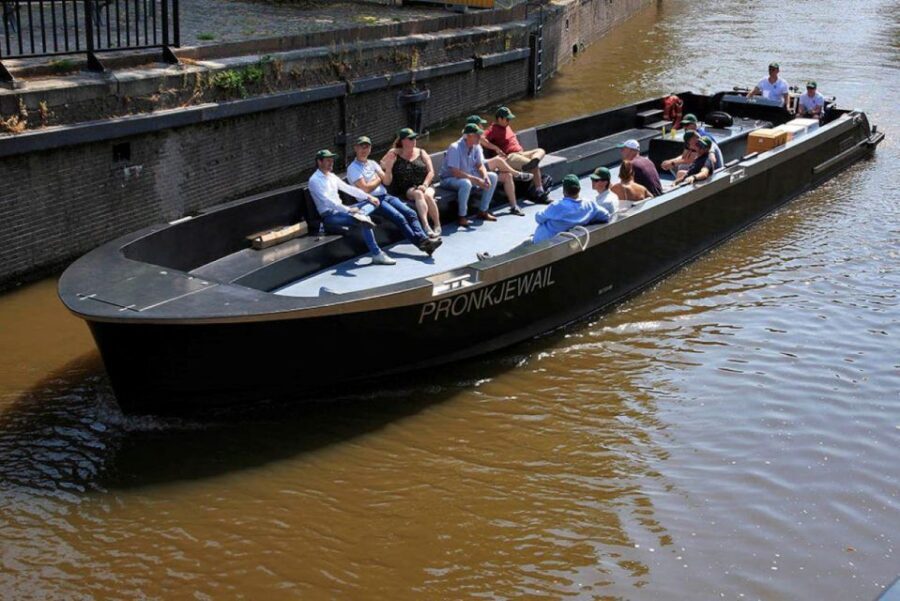
This private canal cruise is a focused way to see the city’s classic bends and bridges while a guide brings the scenes to life with art-and-city context. I like that it stays personal, with a small historic boat and a private feel that helps the stories land. You also get coffee and beverages on board, so it’s not just a photo run.
I love how the route strings together Amsterdam’s most recognizable canal moments into one smooth loop. I also like that the guide approach is history + art interpretation, not a generic script. One thing to consider: it runs in good weather, so if conditions are poor you may need to reschedule or get a refund.
In This Review
- Key things you’ll notice on this private canal cruise
- Why a private canal cruise beats the big-boat day
- Where you meet: starting at H’ART Museum (Hermitage Amsterdam)
- What your art historian guide actually does on the water
- Spiegelgracht and Prinsengracht: getting oriented fast
- Amstelveld, houseboats, and the Skinny Bridge plus locks
- Rembrandt corner and the dancing houses: looking up for the story
- Herengracht: the trader’s canal you can feel
- Keizersgracht and the famous 7 bridges in the Reguliersgracht
- Coffee, tea, and alcoholic beverages: comfort that helps the stories land
- Price and value: $599.50 for up to 10 people
- Who should book this Amsterdam private cruise
- Should you book Rock That Boat’s private Amsterdam canal cruise?
- FAQ
- How long is the private canal cruise?
- What’s the group size for this private tour?
- Where does the tour start?
- Does the tour end back at the meeting point?
- What language is the tour offered in?
- What’s included in the price?
- Is a mobile ticket used?
- Is the activity affected by weather?
- Is a baby stroller allowed?
Key things you’ll notice on this private canal cruise
- Small historic boat: better sight lines and a calmer pace than the big group scene
- Art historian guide: you get context on what you’re seeing, not just directions
- Iconic stops by water: Skinny Bridge, Amstel locks, the 7 bridges area, and the Anne Frank House area
- A loop that makes sense: Prinsengracht toward the Amstel, then back through the main canal stretch
- Coffee and drinks included: a real perk for a 1.5 to 2 hour outing
- Private group format: up to 10 people, so questions don’t get lost
Why a private canal cruise beats the big-boat day
Amsterdam’s canals can feel like a moving maze on foot. On the water, you get a clear view of where canals turn, where bridges stack, and how different neighborhoods connect. This tour leans into that advantage with a private format that keeps the experience from feeling rushed.
You’re also not stuck listening to pre-recorded facts. A professional art historian guide gives the history a human voice, and the small-boat setup means you can actually follow the route and look up at the buildings as the guide points things out.
The value part: you’re paying for a whole small group to have a guide and boat time together. If you’re traveling with 6–10 people, the cost per person can feel reasonable for a guided, door-adjacent experience—especially compared with booking separate taxis plus a museum day.
You can also read our reviews of more tours and experiences in Amsterdam.
Where you meet: starting at H’ART Museum (Hermitage Amsterdam)
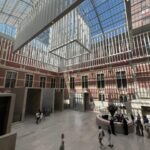
The cruise starts at H’ART Museum (Hermitage Amsterdam), Amstel 51. That’s a convenient anchor point if you’re already planning time around the Amstel area. The meeting location is listed as near public transportation, which matters in Amsterdam when you don’t want to waste half your day fighting tram/bike routes.
You’ll also end right back at the starting point. That’s more than a convenience detail—it helps you plan the rest of your evening without building in extra buffer for transit.
Since you receive a mobile ticket, you can keep things simple on the day. Bring that confirmation into your phone, and you’re set.
What your art historian guide actually does on the water
This is not a tour where the guide only names monuments. You’re guided through how Amsterdam developed along its canals, using the places you pass as visual clues.
What makes this format work is that the boat route naturally creates a sequence: canal → river → locks → neighborhood turns. Your guide can connect each change in scenery to why it matters, and you can ask follow-ups as you move. The reviews for this experience also reflect that the guide’s approach can be both smart and entertaining, with enough humor to keep the mood light while you’re learning.
Bottom line: you’ll get more out of the sights if you’re the type who likes context. If you just want selfies and skyline shots with zero talking, you can still enjoy it—but the main value is the guided storytelling.
Spiegelgracht and Prinsengracht: getting oriented fast
After leaving the starting point, you head into the Spiegelgracht and Prinsengracht. This opening stretch is a great way to get your bearings quickly. From the water, you can see how canals curve and how the city’s layout “feeds” into the larger network.
On Prinsengracht, you’ll pass the Amstelveld and the houseboat area. That’s a smart early stop because houseboats are one of those Amsterdam features you can photograph, but you’ll enjoy them more when you have guide context for why they’re part of the canal life you’re seeing.
Prinsengracht is also your gateway toward the river Amstel. That transition is important: it sets up the rest of the cruise so the famous landmarks don’t feel random. They feel like a planned route.
A practical note: keep your eyes moving. Bridges and canal facades change quickly, and it’s easy to miss the details if you’re staring only at one side of the boat.
Amstelveld, houseboats, and the Skinny Bridge plus locks
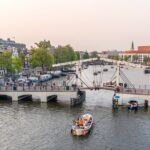
Once you move down toward the river Amstel, the mood shifts from “canal charm” to big-city infrastructure. The boat turns left in the river, and from there you pass the Skinny Bridge and the Amstel locks.
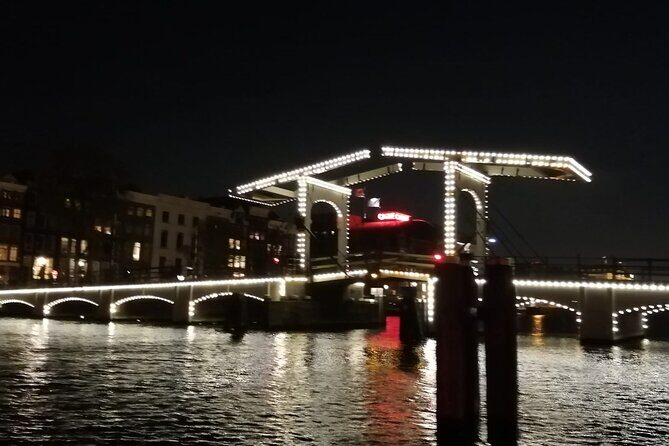
The Skinny Bridge is one of those sights you recognize instantly, which makes it perfect for a mid-tour landmark. Locks add a different kind of interest. Instead of only looking at historic-looking buildings, you also see the canal system working—how water management ties into the city’s flow.
This is also a good moment to slow down mentally. The boat is moving, but you’ll want to use this portion for watching how the surroundings compress and open as the river and locks come into view.

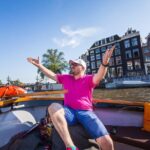
Rembrandt corner and the dancing houses: looking up for the story
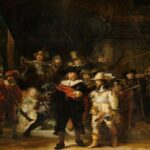
In the next stretch, the route brings you to the Rembrandt corner, where the painter spent his first years of life in Amsterdam. Even if you’re not a Rembrandt superfan, this kind of stop makes the skyline feel connected to real people and real time.
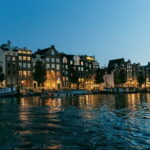
Then you pass the dancing houses. This is another “see it from the angle that matters” moment. From canal-level, buildings and facades often read differently than they do from a street viewpoint. On a boat, you’re closer to the vertical lines and rooflines, so the structure feels more immediate.
If you’re the kind of person who likes understanding why a place looks the way it does, this is where the guide’s role really pays off. You’re not just seeing a landmark; you’re learning how it fits the city’s development.
Herengracht: the trader’s canal you can feel
Next, you enter the Herengracht, the canal of the Lords. This part of the route is specifically geared toward understanding how the rich traders of the 17th century lived.
That phrase matters, because it frames what you’re seeing. You’ll likely notice how the canal-side character feels different here: the mood turns more stately, and the “who lived where” theme becomes clearer as the boat glides along.
One of my favorite ways to read Amsterdam is to watch how the canal changes your eye height. On the Herengracht stretch, you’re looking at a more formal canal frontage, and it helps to have the guide remind you what that meant in its time.
If you want the strongest mix of scenery and interpretation, this mid-to-late section is often the sweet spot.
Keizersgracht and the famous 7 bridges in the Reguliersgracht
Turning left into the famous 7 bridges in the Reguliersgracht shifts you into a different kind of Amsterdam. Bridges here do more than connect points; they create a repeating visual rhythm. On the boat, you see those bridge lines stack in a way that’s hard to replicate from the sidewalk.
Then you head toward the Jordaan neighborhood. This is one of the areas where the canal experience can feel more intimate. The Jordaan stretch tends to make you think about everyday life in the city, not just the grand canal statements.
And yes, the stop list includes the Anne Frank House area. That’s a meaningful point in the route because it reminds you that Amsterdam’s canal story isn’t only about trade and architecture—it’s also about the people who lived through turbulent periods of history.
You won’t want to rush this part. Take a few minutes to switch from “photo mode” to “read mode.” The guide can point out what to look for as you pass.
Coffee, tea, and alcoholic beverages: comfort that helps the stories land
One reason people like small private boat tours is simple: it feels less like commuting through attractions. This cruise includes bottled water, coffee and/or tea, and alcoholic beverages. That means you can settle in and actually listen without thinking about where you’ll grab a drink afterward.
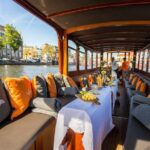
Comfort on a small historic boat matters too. A larger vessel can feel bouncy and distant. With a smaller setup, you’re closer to the canal edges and bridges, and you’re better positioned to hear the guide over wind and traffic noise.
If you’re traveling as a couple or a small group, this kind of onboard break also makes the cruise feel like time together, not just a scheduled activity.
Price and value: $599.50 for up to 10 people
The price is $599.50 per group for up to 10 people. On the surface, that sounds high if you compare it to museum tickets. But you’re not paying per person for a shared public ride. You’re paying for a private boat experience plus a professional art historian guide plus drinks.
Here’s how I think about value on a tour like this:
- If you’re 2 people, you’re paying more per head, so the best strategy is to treat it as a premium date-night or a “see the city your way” day.
- If you’re 4–8 people, it starts to feel more sensible because the cost is spread across your group while everyone gets the guide attention.
- If you’re close to 10 people, you’re basically renting the experience time together, which often feels like good value for Amsterdam, where private-guided options can add up fast.
Duration is about 1 hour 30 minutes to 2 hours. That’s long enough to enjoy the route and hear the stories, but not so long that you’re stuck in the same mode for the entire afternoon.
Who should book this Amsterdam private cruise
This is a strong fit if you want:
- A guided, calm way to see multiple canal highlights in one loop
- A private format for couples, friends, or a small family group
- An art-and-history angle rather than just “look at that bridge” sightseeing
- Included coffee and drinks so the tour feels like an experience, not a transfer
It’s also a great choice if you’d rather spend your time on water than squeezed into crowds on the street. The route gives you that change of perspective, and the guide helps you connect the landmarks as one story.
If you’re traveling with tiny kids in a stroller, note that strollers are not allowed for this activity. If that’s relevant for you, plan accordingly.
Should you book Rock That Boat’s private Amsterdam canal cruise?
If you like Amsterdam’s canals but hate doing the same thing three different ways, I’d book this. The combination of private boat time, an art historian guide, and a route that hits major landmarks like the Skinny Bridge, Amstel locks, the 7 bridges area, and the Anne Frank House area makes it feel efficient without feeling like a rush job.
The only real reason to pause is weather. This experience requires good weather, so if conditions are poor you’ll need to accept a reschedule or a refund offer. If you’re flexible with your dates, that becomes a manageable trade.
Overall: it’s a premium-price activity that pays you back with calm pacing, strong storytelling, and water-level views you can’t copy from the sidewalk.
FAQ
How long is the private canal cruise?
It runs about 1 hour 30 minutes to 2 hours.
What’s the group size for this private tour?
It’s private for your group, with up to 10 people.
Where does the tour start?
The meeting point is H’ART Museum (Hermitage Amsterdam), Amstel 51, 1018 EJ Amsterdam.
Does the tour end back at the meeting point?
Yes, the activity ends back at the meeting point.
What language is the tour offered in?
The tour is offered in English.
What’s included in the price?
It includes a professional art historian guide, bottled water, coffee and/or tea, and alcoholic beverages.
Is a mobile ticket used?
Yes, the tour includes a mobile ticket.
Is the activity affected by weather?
Yes. It requires good weather, and if it’s canceled due to poor weather you’ll be offered a different date or a full refund.
Is a baby stroller allowed?
No, baby strollers are not allowed.