REVIEW · AMSTERDAM
Amsterdam: Guided City Bike Tour in French
Book on GetYourGuide →Operated by Amsterdam Velo - Tours en Francais · Bookable on GetYourGuide
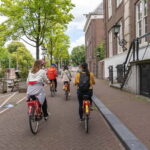
This French-guided loop is a fast, low-stress way to see central Amsterdam, especially if you want canals and architecture in one go. I love that you ride with a real local-style guide (Pierre, Marcel, George, Marie, and Paul are on the team) who keeps the stories clear and usually funny. I also like that the group stays small, with a 12-person maximum, so you get time for questions and proper photo stops.
The one possible drawback is that it is still a bike tour for 2.5 hours. You’ll need to be comfortable riding, since the bikes use hand brakes, and you must wear closed-toe shoes. It’s also not suitable for people over 95.
In This Review
- Key highlights worth knowing
- Why a French bike tour is the best shortcut to central Amsterdam
- Meeting at IJdok 47 and what the bikes are really like
- Western Islands to De Negen Straatjes: the first taste of canal Amsterdam
- Grachtengordel, Magere Brug, and the Amstel: famous views with context
- Jordaan and Anne Frank House area: local streets, careful pacing
- Vondelpark, Entrepotdok, and Plantage: getting out of the main showroom
- Museumkwartier, Rijksmuseum, and Van Gogh Museum: a museum belt overview
- Price and value: is $41 worth it?
- Should you book Amsterdam Velo’s French bike tour?
- FAQ
- How long is the Amsterdam guided bike tour in French?
- Where do I check in and start the tour?
- What language is the guide?
- Are bikes included, and can kids join?
- Is the tour suitable for older adults?
- What should I bring?
- Is alcohol allowed during the tour?
Key highlights worth knowing
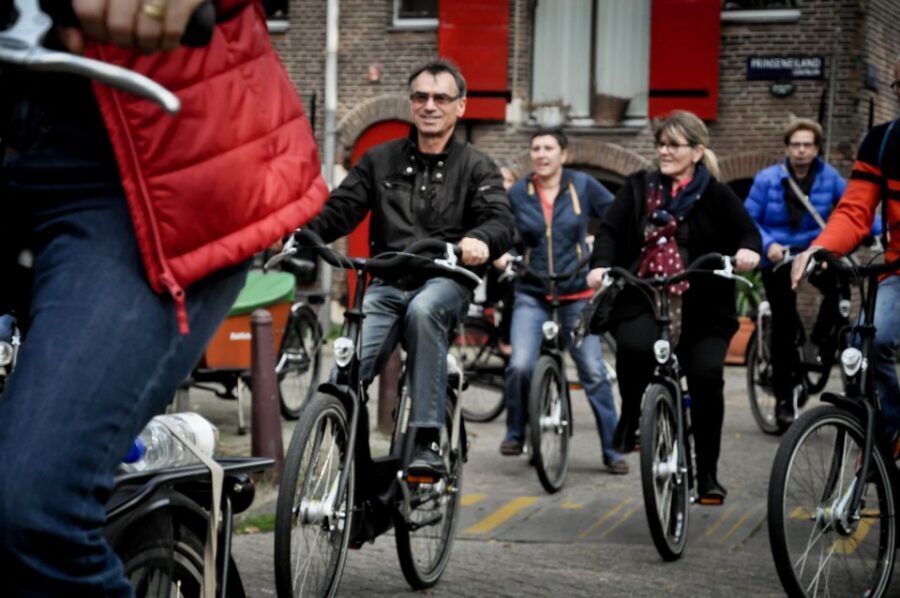
- French-speaking guides who connect the landmarks through clear, story-based commentary (and humor shows up in the feedback).
- A small group pace (12 people max per guide) that makes stops feel organized, not chaotic.
- Canals plus classic neighborhoods like the Jordaan, De Negen Straatjes, and the Jewish Quarter, not just big sights.
- Photo-friendly rhythm with multiple guide stops and time to capture the bridges and canal views.
- Vondelpark and the museum district in one ride, so you get orientation without a ticketed scramble.
- After-tour local recommendations and maps, plus a discount option if you want to rent a bike or add a French-guided boat or windmill tour.
Why a French bike tour is the best shortcut to central Amsterdam
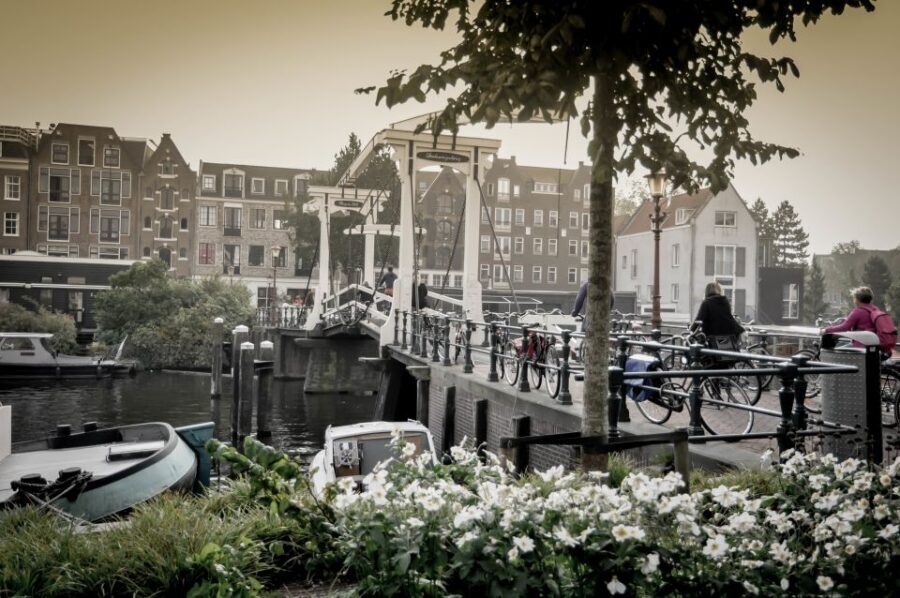
Amsterdam can be a lot on day one. Too many canals, too many bridges, too many “wait, where am I?” moments. This tour tackles that head-on by getting you around the historic center in a smooth loop, so you start to recognize the city layout as you ride.
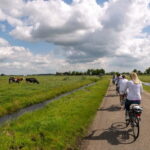
What makes it work is the mix of famous and lesser-known areas. You’ll pass through the canal-belt sights, then shift into neighborhood streets like the Jordaan, where the feel changes quickly: narrower roads, smaller bridges, and a more everyday Amsterdam vibe. You also get the bigger landmarks people come to see, including the Anne Frank House area and the major museum square zone, but the bike format helps it feel connected rather than like a checklist.
Since the guide is French, you can also expect a consistent storytelling style. This matters more than you might think. Amsterdam’s architecture can look similar until someone explains the details—why the houses are shaped the way they are, how canal life worked historically, and what you’re looking at from each angle. Guides like Pierre and Marcel are known for making the route understandable, and other guides on the team are praised for keeping it lively with different group types.
You can also read our reviews of more cycling tours in Amsterdam
Meeting at IJdok 47 and what the bikes are really like
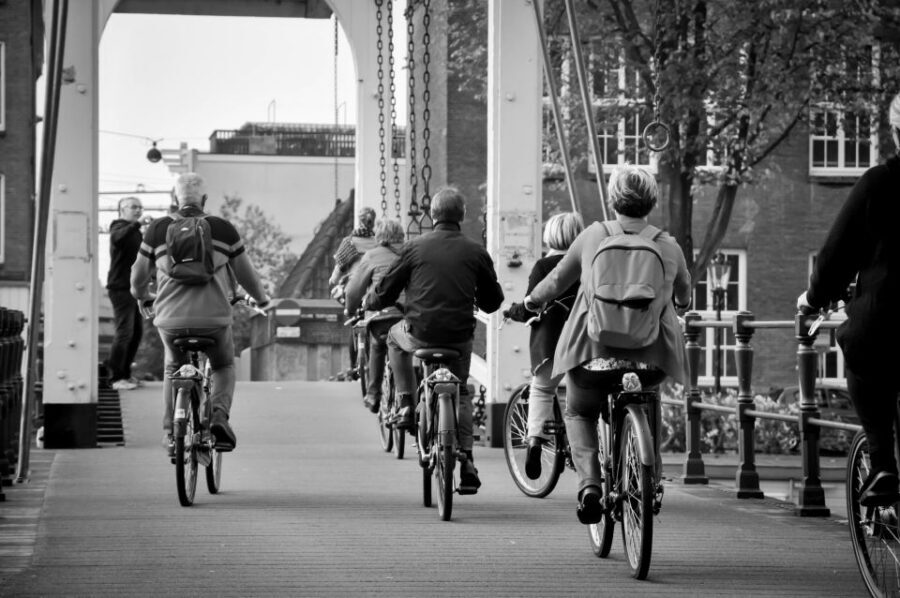
You start at IJdok 47, with check-in at the Amsterdam Vélo office. If you’re used to joining tours in major stations, this is a bit more “local office” than “huge tourism hub,” which I like. It sets the tone: you’re getting ready to ride, not just wait in line.
Bikes are included, and the setup is designed for practical city cycling:
- They have hand brakes (and there are no foot brakes).
- Bikes are available for riders from 8 years old, and baby seats are available if needed for smaller kids.
- Closed-toe shoes are required.
- You can also leave luggage while you do the tour.
A quick reality check: this is not a sit-and-watch bus tour. You’ll be pedaling through the center for the full 2.5 hours. If you’re a new cyclist, consider that you’re learning in a busy tourist city. On the other hand, if you already feel comfortable riding, this tour is a very efficient way to cover ground without paying for trains or constantly walking.
One more small note: alcohol and drugs aren’t allowed during the tour. It keeps the vibe focused and helps keep the ride safe and smooth for everyone.
Western Islands to De Negen Straatjes: the first taste of canal Amsterdam
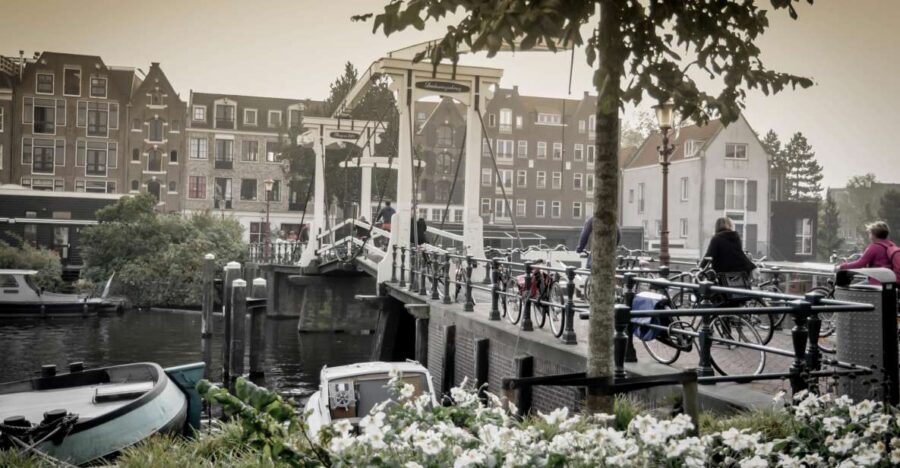
The ride begins with a short introduction in the Western Islands area, then you roll toward one of my favorite kinds of Amsterdam zones: the places where the city looks lived-in, not museum-staged.
De Negen Straatjes (the Nine Little Streets) is the kind of neighborhood that rewards slow looking. Even if you’re just riding through, the guide helps you read the layout—how streets connect, how canals and bridges shape movement, and why this area feels different from the bigger museum square zone. This is where you start to see that Amsterdam isn’t one single look. It’s many small styles stitched together.
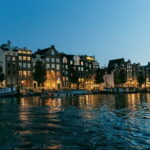
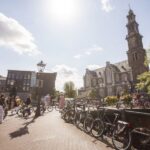
Then the route transitions into the canal belt area (the classic Grachtengordel zone). This part is where you’ll really notice the “Amsterdam look” you’ve probably seen on postcards: canals lined with historic buildings, bridges that frame the water, and façades that look symmetrical until you get closer. The guide’s stops here matter. A quick explanation at the right spot turns a flat view into something you can actually understand.
Even if you don’t care about architectural trivia, this is still valuable. You’re building map memory. After this segment, you’ll feel more confident walking later. You’ll start picking out landmarks from the bike lane perspective, not just from street-level postcards.
Grachtengordel, Magere Brug, and the Amstel: famous views with context
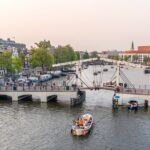
From there, you hit the bridge sequence—Magere Brug is one of the major photo moments. This is one of those spots where the city looks especially photogenic, but the key value is timing. The guide stops you so you can frame the canal view properly and not rush past it while someone talks at speed.
A good bike tour doesn’t just show you the view; it helps you understand why it looks the way it does. In this stretch, you’ll also head toward the Amstel area, which adds a slightly different feel than the inner canal belt. The waterway changes the light and the mood, and you’ll notice how Amsterdam’s identity is tied to its waterways, not separated from them.
The best part of this segment is the balance: you see the headline sights, but the stops are short enough to keep momentum. The guide also gives you camera time throughout, so you’re not forced into the usual travel pattern of snapping five photos while walking and then wishing you had lingered.
Possible drawback? If you’re the type who wants long, standalone time at each landmark, a ride-through format can feel fast. But if you want orientation and multiple viewpoints in one morning or afternoon, this flow is exactly the point.
Jordaan and Anne Frank House area: local streets, careful pacing
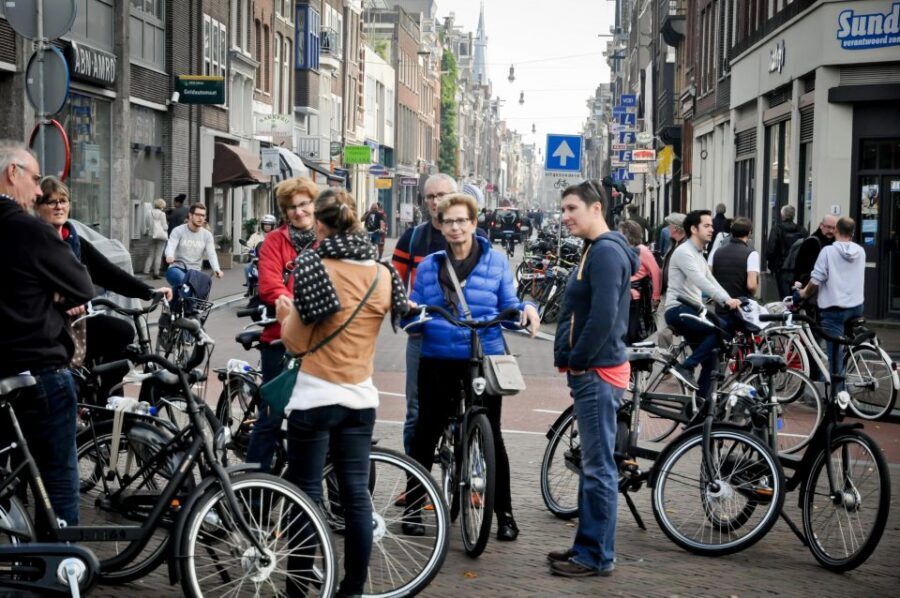
The Jordaan is where Amsterdam shifts from sightseeing to neighborhood life. You’ll cycle through this area with regular stops, including a photo stop and time to take in the streets and canal frontage. This is the neighborhood people talk about when they say Amsterdam has a comfortable human scale.
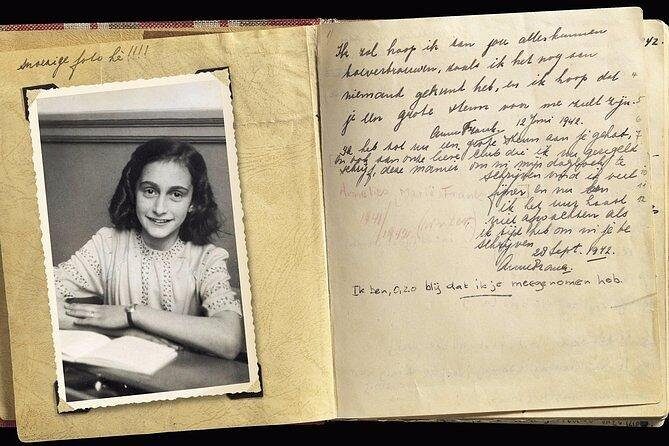
You’ll also be guided along the Anne Frank House area. Even if you don’t enter the house itself, the guide helps you place it in the context of the neighborhood and the city’s layout. The value here is respectful and practical: you get the historical positioning and a clear idea of where you are, without turning your day into a stressful queue-and-chaos mission.
A nearby highlight is Westerkerk. It’s quick, but it’s a strong visual anchor. If you’ve never seen it, it helps you understand how Amsterdam’s skyline is layered: towers and churches aren’t just background—they’re navigation points.
Then comes the Jewish Quarter. This part adds depth through explanation and careful routing through streets connected to the city’s cultural history. You get the broader story in short, readable segments, which is a nice change from museum-heavy days when you’re stuck in one building for hours.
In general, the pacing keeps things from feeling emotionally heavy. That doesn’t mean the tour avoids the topic—it means the guide structures it so you can absorb it and keep moving.
You can also read our reviews of more guided tours in Amsterdam





Vondelpark, Entrepotdok, and Plantage: getting out of the main showroom
After the dense center, the route leans into greener and more spacious Amsterdam. Vondelpark is a standout because it turns the mood instantly. Even with only a short stop, you get a sense of the park’s scale and the way locals use it as a city retreat. It’s a reminder that Amsterdam isn’t only canals and gables—it’s also open space and everyday relaxation.
Then the ride continues toward Entrepotdok, which adds another layer of the city beyond the most photographed stretches. It’s useful because it broadens what you associate with Amsterdam. You start seeing the city’s “working” side and its more industrial water-adjacent areas, rather than only the postcard core.
Plantage follows, rounding out the middle of the day with another historic district flavor. This helps the tour avoid the common problem of ending right where it started—no, you’re still moving through different neighborhood identities, not just circling the same canal scenes again.
Museumkwartier, Rijksmuseum, and Van Gogh Museum: a museum belt overview
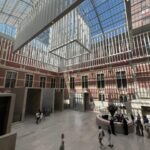
The museum district segment is smart if you want orientation. You’ll reach the Museumkwartier area with a break and photo stops, plus some guided sightseeing and free time. That mix is practical: it gives you a breather and lets you walk a bit without the guide constantly steering you.
Then you pass near Rijksmuseum and Van Gogh Museum. The guided stops here are shorter, so think of this as a guided orientation rather than a full museum visit. If your goal is only to see the inside of major collections, you’ll still want to plan ticketed museum time separately. But if your goal is to understand where everything sits and how the museum area connects to the rest of the city, this ride-through segment is excellent.
One thing I like about this approach: it helps you decide later. After the tour, you’ll know which museum you actually want to prioritize. You’ll also know the best neighborhoods to base yourself in for walking access, because the bike route has basically shown you the city’s skeleton.
Price and value: is $41 worth it?
At about $41 per person for a 2.5-hour guided bike tour, the big value isn’t just the guide. It’s the package deal:
- bike included
- French live guide
- frequent stops for information and photos
- a route that covers multiple districts in a short window
- baby seat availability (if needed)
- luggage storage possibility
- after-tour restaurant and neighborhood recommendations with maps
If you’re visiting for only a day or two, this is one of the better ways to “buy time.” Instead of walking from sight to sight and losing hours getting your bearings, you’re using the bike to connect the dots.
The tour is especially worth it if you like practical sightseeing: learning how neighborhoods fit together, not just collecting individual photos. Guides on the team are praised for local knowledge and humor, and that matters because it keeps the ride from feeling like a scripted lecture.
Who it fits best:
- First-time visitors who want a fast orientation route
- People who are comfortable cycling in a city
- French speakers (the guide language is French)
- Families with older kids (bikes from 8 years old, baby seats available)
- Anyone who wants canal-and-architecture context in a single afternoon
Who might find it less ideal:
- If you hate biking or you’re not comfortable for 2.5 hours
- If you need very long museum time blocks (this is a ride with guided looks, not a full museum day)
- If you’re over 95 years old (not suitable per the tour info)
Should you book Amsterdam Velo’s French bike tour?
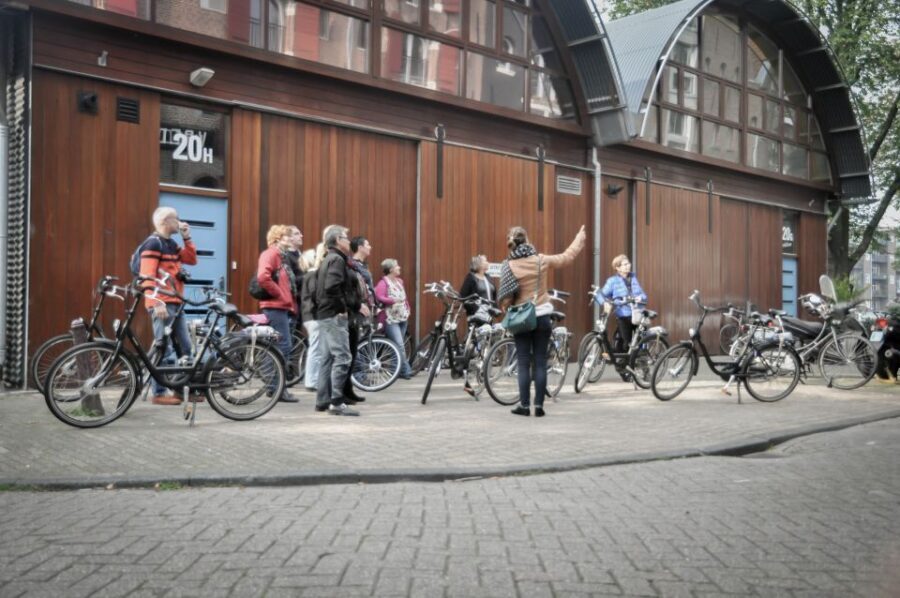
Book it if you want a smart first pass through Amsterdam that combines canals, architecture, and neighborhoods without turning your day into a stressful sprint. The small group size (12 max), the French guide team, and the practical stop-and-photo rhythm make it a tour you can build a day around.
I’d skip it if you’re looking for deep museum immersion or you’re not comfortable pedaling for most of the 2.5 hours. In that case, you’d be happier with a walking-focused tour or standalone museum tickets.
If you do book, take closed-toe shoes seriously, plan to bring your best camera patience for canal bridges, and use the after-tour restaurant and neighborhood recommendations. That last step is where this kind of tour turns into real value: you don’t just see Amsterdam—you leave knowing where to eat and where to roam on foot.
FAQ
How long is the Amsterdam guided bike tour in French?
The tour lasts 2.5 hours.
Where do I check in and start the tour?
You check in at the Amsterdam Vélo office, and the tour starts at IJdok 47.
What language is the guide?
The live guide speaks French.
Are bikes included, and can kids join?
Yes, the bikes are included. All bike sizes are available from 8 years old, and baby seats are available if needed for small kids.
Is the tour suitable for older adults?
It is not suitable for people over 95.
What should I bring?
Wear closed-toe shoes.
Is alcohol allowed during the tour?
No. Alcohol and drugs are not allowed during the tour.