REVIEW · AMSTERDAM
Cheese making workshop next to De Hallen, heart of Amsterdam
Book on Viator →Operated by De Kaasserie · Bookable on Viator
You can learn cheese craft fast here. This Amsterdam workshop is set up as an intimate, hands-on class at De Kaasserie in the De Hallen area, and you’ll make two different fresh cheeses in about 3 hours, starting with rennet-coagulated curds and finishing with an acid-coagulated cheese you can personalize with herbs and colors.
Two things I really like about this experience are how beginner-friendly it is and how much you get at the end. All ingredients and materials are included, and you also leave with the two cheeses you made plus basic tools and follow-up recipes (sent by email). One thing to consider: if you’re hoping for a deep, long-aging cheese education, this class is focused on fresh cheesemaking, not months-long ripening.
In This Review
- Quick reasons this cheese class is worth your time
- A small-group cheese class next to De Hallen
- Where the workshop happens: De Kaasserie and the De Hallen area
- Making two fresh cheeses: rennet first, then acid
- Acid cheese creativity: herbs and colors you can try
- The De Hallen and Ten Katemarkt stops: a city-food prelude
- The tasting moment: sample what you made, with a drink
- What you take home: two cheeses, basic tools, and email recipes
- Price and value: is $144.49 worth it?
- Who this workshop suits best (and who might feel it’s not for them)
- Practical tips so you get the most from the studio session
- Should you book this cheese workshop?
- FAQ
- How long is the cheese-making workshop?
- What will I make during the class?
- Is the class beginner-friendly?
- Can I take the cheese home?
- Will there be tasting during the workshop?
- Is the workshop offered in English?
- What is the cancellation policy?
Quick reasons this cheese class is worth your time
- Two cheese styles in one session: rennet first, then acid coagulation
- Make it yours: experiment with herbs and colors on the acid-coagulated cheese
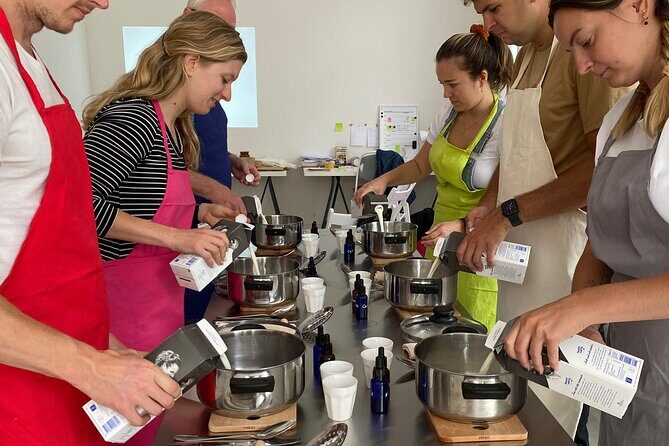
- Small group, max 8 people: more hands-on attention and a calm pace
- Real tasting at the end: you finish by sampling the cheeses you made with a drink
- Take-home kit: you bring home cheese, basic tools, and email recipes
A small-group cheese class next to De Hallen
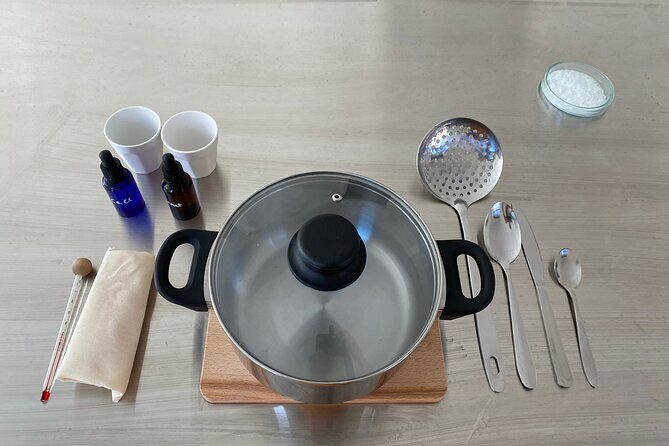
If you like food experiences that feel practical instead of performative, this workshop fits the bill. You’re not just watching someone else work; you’re in the studio learning how cheesemaking actually happens, step by step, in a group capped at 8 travelers. That small size matters. It usually means you’ll have time to ask questions while your curds are forming, rather than waiting for a demo to wrap up.
The location is another big plus. You start at De Hallen Amsterdam, which is right in the heart of the city’s food-and-culture orbit. From there, the experience connects with Ten Katemarkt area before you settle into the cheese work. Even if you’re already familiar with Amsterdam, it’s a nice way to combine craft time with an authentic neighborhood feel rather than being stuck inside a tourist bubble.
One more reason I think this class works so well for real travelers: it’s built for beginners. You’re guided through the process, and the class provides what you need. That reduces stress and makes the outcome more likely to be something you can actually bring home and enjoy.
You can also read our reviews of more tours and experiences in Amsterdam



Where the workshop happens: De Kaasserie and the De Hallen area
The meeting point is at De Kaasserie, Bellamystraat 8, 1053 BL Amsterdam. The class is described as taking place in a food design studio, which is a big clue about the vibe. You’re likely to feel like you’re in a creative workspace, not a cold classroom. That kind of setting tends to make hands-on work easier because people feel comfortable trying things.
Also, the experience runs with a mobile ticket, and it’s offered in English. So you can plan around it without translating menus or trying to match your schedule to something that’s only partly usable in English.
If you’re coming by public transportation, this is also a good fit. It’s noted as being near transit, which matters in Amsterdam. You don’t want the “how do I get there” part to steal energy from the actual day you planned for cheesemaking.
Making two fresh cheeses: rennet first, then acid
The core of the workshop is what you’ll physically make: two types of fresh cheese. You start with a cheese that’s coagulated using rennet, then you move on to a second fresh cheese that’s coagulated using acid.
Why that matters for you as a beginner: it’s not just one technique. You get a quick, practical compare-and-contrast experience. Rennet and acid behave differently in how they set the curds, so you’ll likely notice changes in texture and process as you go. That’s the kind of learning that actually sticks, because it’s tied to what your hands are doing.
In a class like this, the real value is that you’re not left to guess. The workshop includes all ingredients and materials, so you’re not spending your planning time figuring out what to buy. You’re free to focus on learning what each step is meant to accomplish.
And because both cheeses are fresh, the session stays approachable. You’re building something you can understand within a single afternoon rather than waiting for a long aging timeline. For many food lovers, that’s the ideal middle ground between a fun activity and an actual skill you can repeat.
Acid cheese creativity: herbs and colors you can try
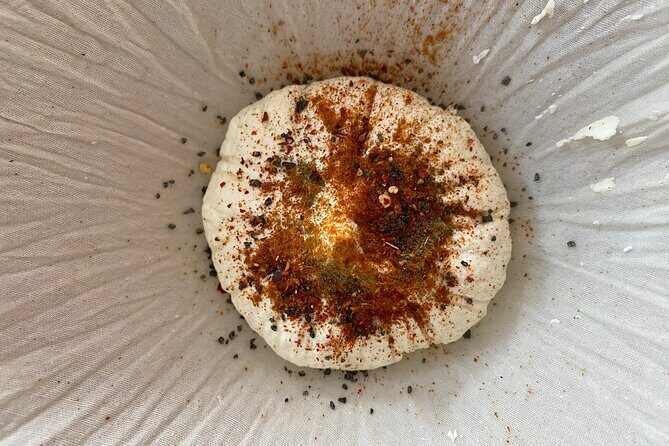
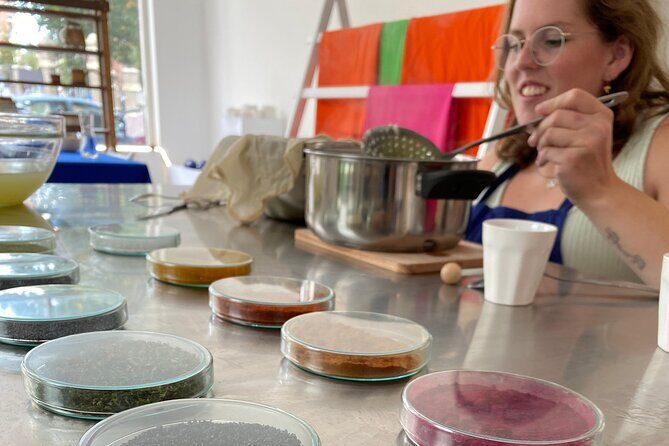
After you finish the acid-coagulated cheese, you’re encouraged to experiment. The workshop explicitly invites you to add herbs and colors when shaping and finishing your acid cheese.
This is one of the most satisfying parts for people who like food with personality. Cheesemaking can feel technical, so the moment you get to flavor and style what you made, it turns from “lesson” into “creation.” You’re still learning, but you’re also making choices.
If you’re the kind of traveler who brings home souvenirs like spices, tea blends, or small bottles of olive oil, you’ll probably enjoy this. You’re essentially taking home edible results of your own experiments, not just a photo.
Also, this is a great reminder that cheesemaking isn’t only about perfect sameness. Even in a beginner-friendly environment, you can learn the method and still make it yours.
The De Hallen and Ten Katemarkt stops: a city-food prelude
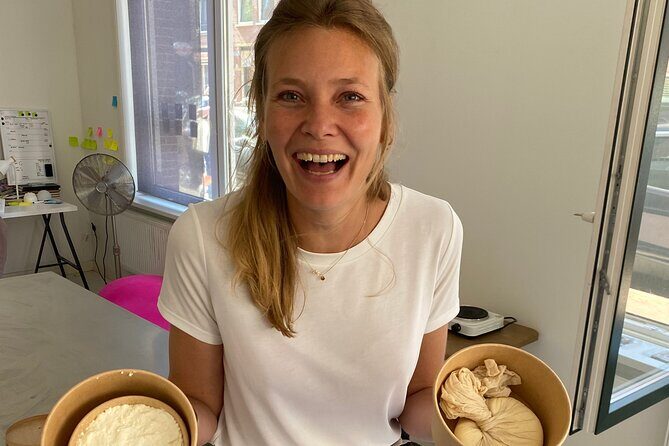
You’ll see two named stops built into the experience flow: De Hallen Amsterdam and Ten Katemarkt. I like how this sets context. It makes the workshop feel connected to the city’s food culture rather than isolated from it.
De Hallen is often associated with food and gathering, and Ten Katemarkt fits that same “daily life, local vibe” energy. Even if your main goal is the cheese workshop, those stops help you feel like you’re moving through Amsterdam with a purpose that goes beyond sightseeing.
One practical consideration: this kind of city-based start can mean you’ll want to arrive a little early and not cut things too close. Amsterdam foot traffic and finding meeting points can be tricky, especially if you’re on a tight schedule.
You can also read our reviews of more tours and experiences in Amsterdam



The tasting moment: sample what you made, with a drink
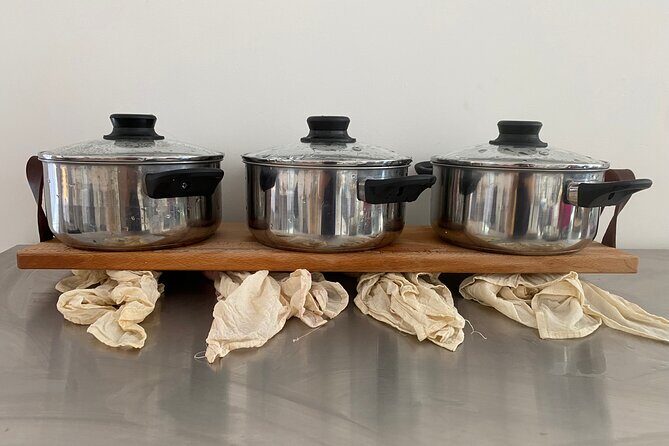
The class doesn’t end with the sink and a clean apron. You finish with a cheese tasting where you enjoy cheeses you made during the workshop. There’s also a drink included at the end.
This part is more important than it might sound. When you taste what you made right after learning it, you connect the steps to the result. If something about the texture or flavor surprises you, you can link it to what happened during the rennet or acid stage. That feedback loop is how a fun class turns into a skill you can repeat.
It also gives you a shared moment with the group. A tasting is natural for conversation because everyone has a common experience: the same two types of cheese, made in the same session, with variations based on what you chose to do with herbs and colors on the acid cheese.
What you take home: two cheeses, basic tools, and email recipes
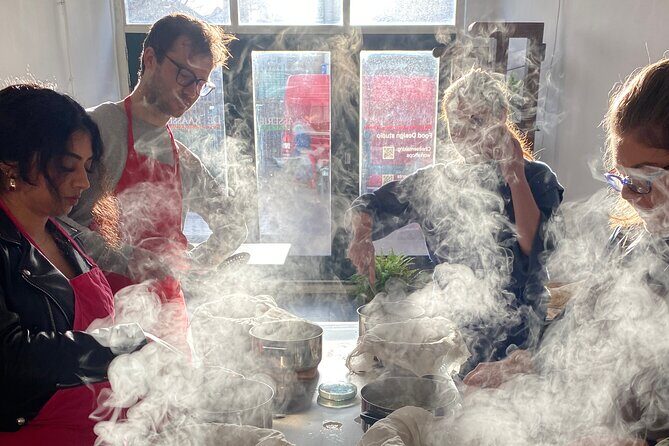
This is where the value really lands. You’re allowed to take with you your two cheeses, plus basic tools from the workshop. On top of that, you receive recipes via email so you can keep experimenting at home.
That “take-home” package is what makes this more than a one-time activity. You don’t just spend money for an afternoon; you bring a starter skill kit home, along with guidance. Even if your first attempt doesn’t match your class results, you’ll have the method and the recipe framework to try again.
A useful way to think about the take-home tools: you’ll have what you need to keep your cheesemaking hobby from stalling at the next ingredient purchase. Without tools, beginners often stall fast. With a basic set plus recipes, you’re more likely to follow through.
One more practical note: keep in mind that fresh cheese is perishable. If you’re planning to continue exploring immediately after, factor in how you’ll store it on the way. (Bring a plan for keeping things cool and protected.)
Price and value: is $144.49 worth it?
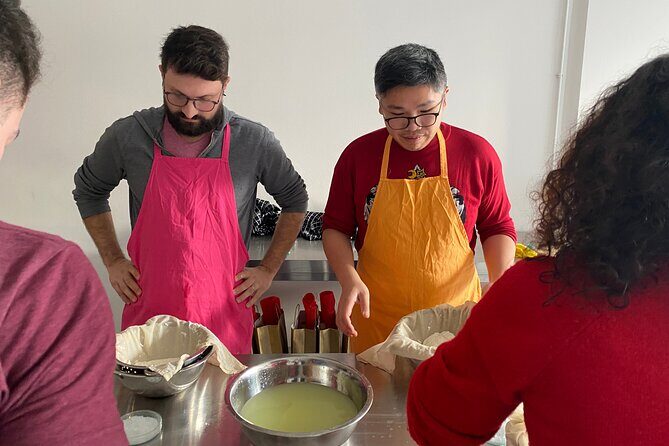
At $144.49 per person for about 3 hours, this isn’t a bargain-bin activity. But it also isn’t just a demo. You’re paying for a guided, small-group workshop that includes:
- Ingredients and materials
- Hands-on instruction in two methods (rennet and acid)
- A tasting with a drink
- Two cheeses to take home
- Basic tools to keep
- Bonus recipes emailed to you
When I evaluate value, I look at what you’d otherwise have to buy or learn elsewhere. If you tried to recreate this independently, you’d still need starter supplies, ingredients, and enough knowledge to avoid wasting food. Here, the class compresses that learning into one guided session, which is exactly what beginners need.
Also, the class is booked about 58 days in advance on average, which suggests it’s in demand. That doesn’t automatically mean “best,” but it does point to a steady level of interest in a format that’s hard to copy without doing it yourself.
So, if you’re a food lover who wants an authentic hands-on skill you can continue at home, this price can make sense. If you only want a quick snack experience, it may feel high compared to casual tastings. This workshop is closer to a craft lesson plus a delicious reward.
Who this workshop suits best (and who might feel it’s not for them)
This class is a strong fit if you’re:
- a visiting cook or food lover who wants a real technique, not just a story
- a beginner who appreciates structured instruction and included materials
- the kind of person who likes taking something home that you can actually use
It may be less ideal if you’re:
- expecting an experience built around aged cheeses and long maturation schedules (this is fresh cheesemaking)
- allergic to certain dairy ingredients or needing a fully customized dietary accommodation (the class doesn’t specify dietary tailoring in the details provided)
If you like calm, patient guidance, the reviews’ tone lines up with what this kind of small workshop usually delivers: a relaxed pace and room to ask questions while you’re working.
Practical tips so you get the most from the studio session
A few basics can help you enjoy the class more:
- Arrive a bit early so you can settle in without rushing. Amsterdam meeting points are easiest when you give yourself a cushion.
- Wear clothes you’re okay with getting slightly messy. You’ll be working with curds and food textures, so treat it like hands-on cooking.
- Ask questions during the process, not after. The most helpful feedback comes while you’re still shaping and learning.
- Plan for storage if you’re taking fresh cheese home the same day. Think about cool, secure transport.
Also, because you make two cheeses and take them home, you’ll likely end up with both a new skill and a full afternoon’s worth of food. It’s a great activity to place earlier in your schedule, when you still have time to enjoy the tasting results and continue your day.
Should you book this cheese workshop?
I’d book it if you want something hands-on that feels local to Amsterdam and gives you real output: two fresh cheeses, basic tools, and email recipes. The small-group size and the fact that ingredients and materials are included make it beginner-friendly without feeling watered down.
I wouldn’t book it if your goal is only a quick food stop or you’re specifically chasing aged, ripened cheeses. This experience is built around fresh cheesemaking methods and the satisfaction of making and tasting right away.
If you’re a curious eater, a self-starter, or someone who likes craft workshops where you can bring home something you made with your own hands, this is the kind of class you’ll use again.
FAQ
How long is the cheese-making workshop?
The workshop lasts about 3 hours.
What will I make during the class?
You will make two types of fresh cheese: one coagulated with rennet and one coagulated with acid.
Is the class beginner-friendly?
Yes. It’s described as beginner-friendly, and it includes all ingredients and materials.
Can I take the cheese home?
Yes. You can take with you the two cheeses you make, along with basic tools.
Will there be tasting during the workshop?
Yes. The class includes a cheese tasting at the end, with a drink.
Is the workshop offered in English?
Yes, it’s offered in English.
What is the cancellation policy?
Free cancellation is available up to 24 hours in advance for a full refund.
More Workshops & Classes in Amsterdam
More Cheese in Amsterdam
- Zaanse Schans Windmills, Clogs and Dutch Cheese Small-Group Tour from Amsterdam
★ 4.5 · 2,369 reviews