REVIEW · AMSTERDAM
Amsterdam: Private Anne Frank and Jewish History Tour
Book on GetYourGuide →Operated by Amsterdam Experiences · Bookable on GetYourGuide
This walk makes Amsterdam’s past hit close. You’ll trace how 16th-century Amsterdam became a lifeline for Jewish families, then connect those streets to the terror under Nazi rule. I love starting at the Portuguese Synagogue and I love that Anne Frank House tickets can be included when you book far enough ahead.
One catch: the Anne Frank House visit involves narrow, steep staircases with no lift, so plan around that if you’re sensitive to stairs.
In This Review
- Key things I’d plan around
- Portuguese Synagogue of Amsterdam: the human starting point
- Tracing the Jewish Quarter: from refuge to persecution
- The Westerkerk connection and Anne Frank’s city landmarks
- Dutch resistance stories: courage with consequences
- Anne Frank House: tickets, VR backup, and the reality of stairs
- The flow of the 3-hour walk: pace, tram options, and a snack break
- Price and value: what you actually get for $261
- Who should book this private tour (and who might not)
- Should you book this Amsterdam Anne Frank and Jewish History tour?
- FAQ
- Do I get tickets to the Anne Frank House?
- Where does the tour start and where does it end?
- How long is the tour?
- Is the tour private?
- What’s included besides the guide?
- Can I cancel for a full refund?
Key things I’d plan around
- Portuguese Synagogue start sets the tone right away, not with a generic lecture
- Jewish Quarter walking routes help you place stories on real street corners
- Westerkerk connection links Anne Frank’s world to a specific landmark you can point at
- Resistance stories plus memorials give context beyond dates and names
- Anne Frank House access rules mean your best experience depends on booking timing
Portuguese Synagogue of Amsterdam: the human starting point
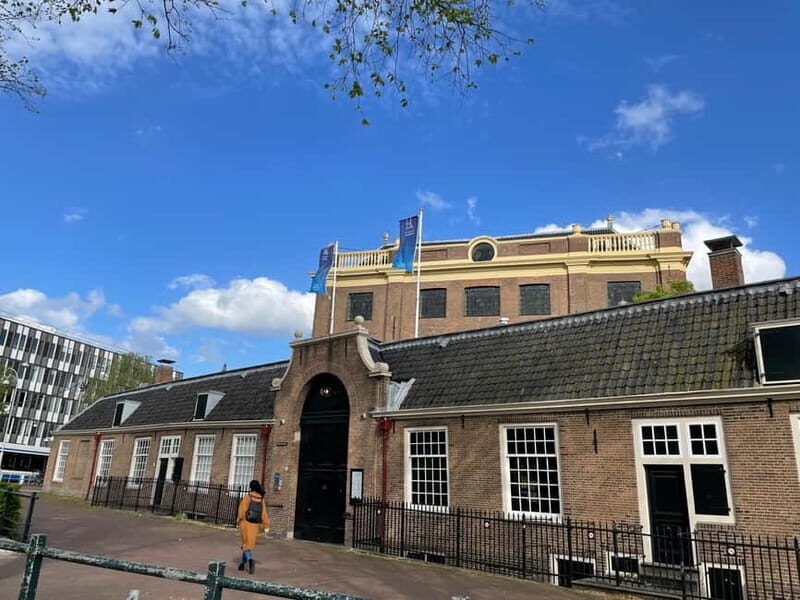
Most Anne Frank-focused tours jump straight into the big-ticket moments. This one begins at the Portuguese Synagogue of Amsterdam, which matters because it anchors you in Jewish life before the catastrophe. Even if you only begin outside, the setting helps you understand that this story isn’t just about hiding and loss. It’s also about community, faith, and everyday routines that existed long before the Nazi era.
You’ll also get an easy orientation. Your guide shapes the pace and the path so you’re not wandering with a mental map that’s way too big for a short walk. In past groups, guides like Kalieh, Stefan, and Conny have been praised for steering the tour with sharp local context—like tying specific streets to what happened there, and adjusting the focus when the group has already done part of the standard route.
Practical note: the tour is English and Spanish, and it’s private. That means if you want to ask a question in plain terms, you can.
You can also read our reviews of more private tours in Amsterdam


Tracing the Jewish Quarter: from refuge to persecution

As you head into the former Jewish Quarter, the tour’s core strength is how it moves back and forth between eras without getting messy. You start with the idea that Amsterdam became a safe haven for Jewish families fleeing Southern and Eastern Europe. Then you shift into the reality of what it meant to live under Hitler’s Nazi regime—when rules tightened, fear spread, and deportation became an ever-present threat.
What I like here is the way place and history reinforce each other. You aren’t only hearing a story. You’re seeing the urban “stage” where it unfolded. That makes things feel less abstract. It also helps you understand why the Jewish community built strong networks in the city—because survival depended on more than luck.
You’ll also learn about the tension and fear that shaped daily life. This isn’t just a timeline. It’s the lived experience of families who had to interpret danger in real time—who could they trust, what did normal behavior look like, and how quickly could the world change?
The Westerkerk connection and Anne Frank’s city landmarks
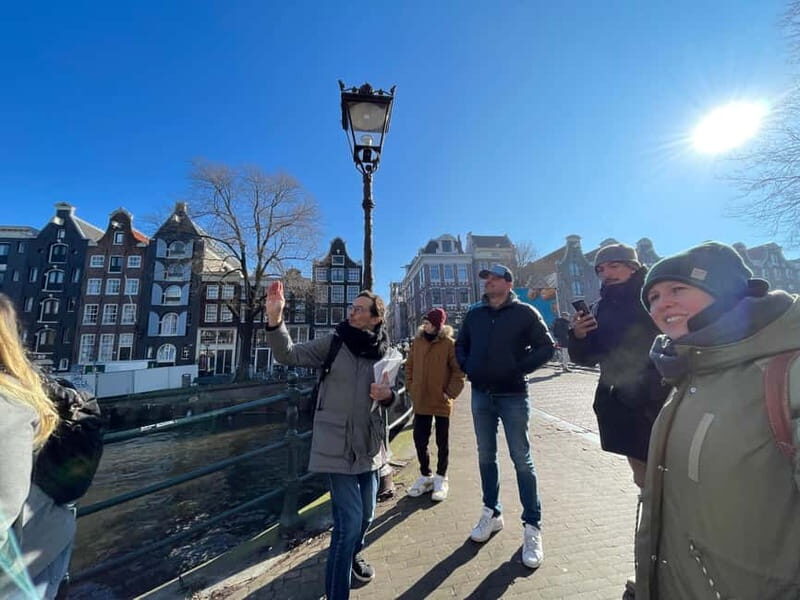
One stop that adds real clarity is the Westerkerk, linked to Anne Frank’s story. Having a named landmark to connect to helps you keep the narrative straight as the tour moves through different neighborhoods. It’s the kind of detail that turns a visit into something you can remember without needing a separate guidebook.
And since you’re walking, you get those short “oh, that’s why” moments. A street turns. A building appears. A view lines up with what your guide is describing. That’s where this kind of tour earns its keep: it teaches you how to read the city.
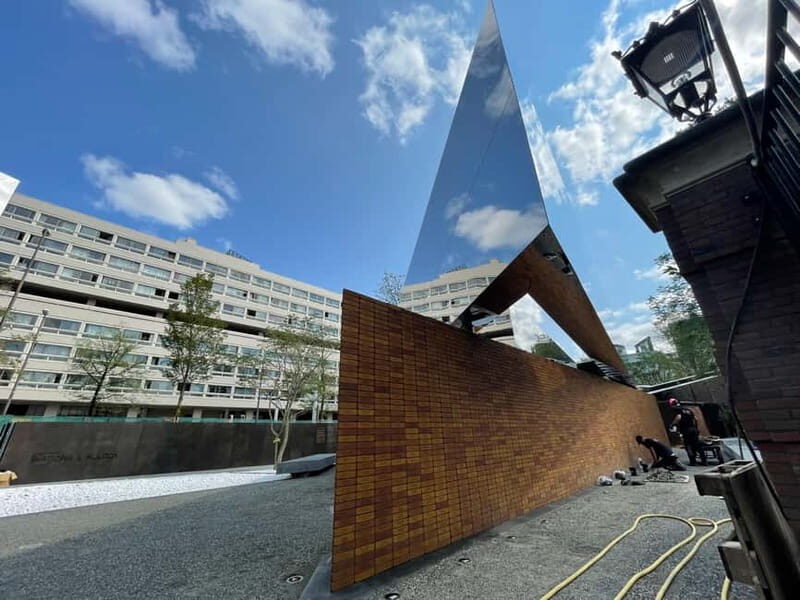
The route also includes monuments to Holocaust victims. Seeing these as part of a walk—not tacked on at the end—keeps the emotional weight connected to the broader story of persecution and loss.
Dutch resistance stories: courage with consequences
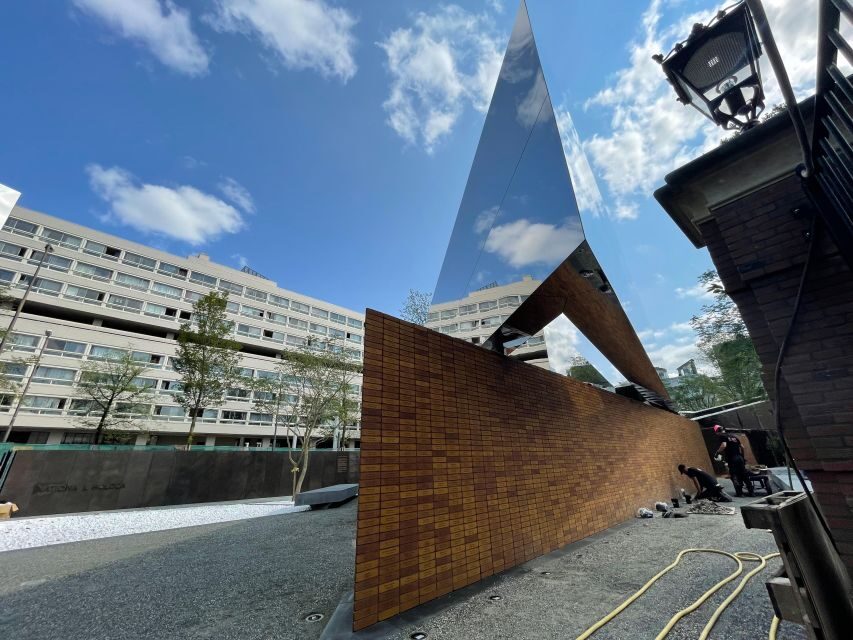
The tour isn’t only about Nazi brutality. It also centers the Dutch resistance, including how they fought back and how they helped save lives. This is where I think the tour earns its strongest emotional value. You hear about sacrifice and courage, but also how hard it was to do the right thing when the risks were so high.
You’ll also hear how hundreds of Jewish children were saved from deportation. That piece matters because it shifts your perspective. It’s not only about what was taken. It’s also about what was protected, and how networks of people—often ordinary in their everyday roles—could still act with extraordinary bravery.
Some guides bring in specific city clues that help the story feel grounded. For example, you may encounter details like stumble stones (those small commemorative stones you can read up close), and you can also see references to places connected to the Holocaust memory landscape—like the Auschwitz memorial in the park that can appear on the route depending on the departure day.
Anne Frank House: tickets, VR backup, and the reality of stairs
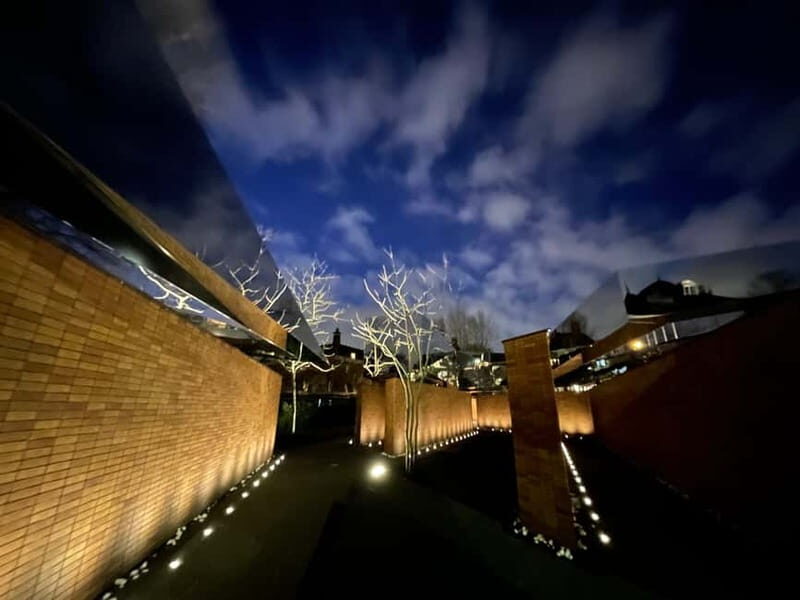
The tour ends at the Anne Frank House, but your experience hinges on ticket timing.
If you book at least 7 weeks in advance, tickets are included and you’ll be able to enter the Anne Frank House to explore it on your own (no live guide inside). If you book closer in and tickets aren’t available, you’ll still get a way in through a virtual reality experience of the House.
If you’re booking extremely last minute, note this limitation: tickets can’t be provided for bookings made within 12 days of the tour. For those shorter-notice situations, you’ll again get the VR simulation.
Here’s my practical take: if you can swing the advance booking window, do it. The House is one of those places where being physically inside the space changes how you absorb the story. VR can still help you connect the setting, but it’s not the same as standing in the stairwell and rooms where history happened.
Also plan for the physical layout. The staircases are very narrow and steep, and there is no lift. Even if you’re fine on your feet, it helps to wear shoes with good grip and keep your pace steady. This matters especially because the tour is short—three hours—so there’s less room to slow down if you hit discomfort.
The operator notes wheelchair accessibility, but the Anne Frank House details are a strong reminder: limited mobility can be a real issue here. If that’s you, treat this as a compatibility check, not a box to tick.
You can also read our reviews of more historical tours in Amsterdam






The flow of the 3-hour walk: pace, tram options, and a snack break
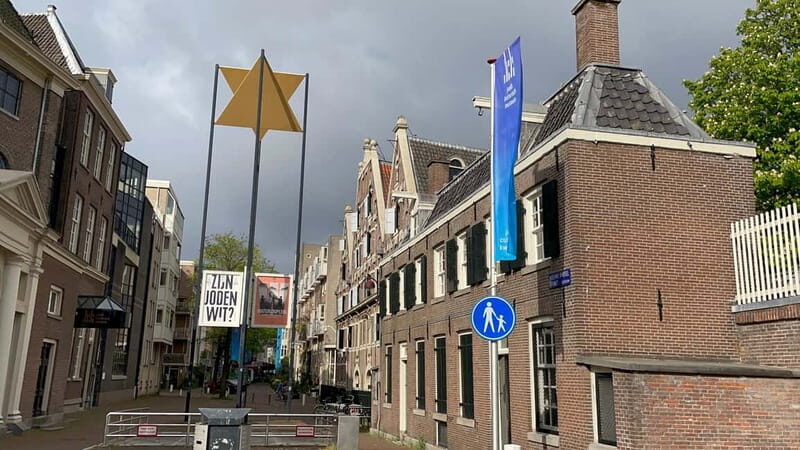
The whole thing runs about three hours. That’s a sweet spot: long enough to learn, short enough to stay focused on the city rather than burning out halfway.
You’ll meet at the Portuguese Synagogue and the tour ends back at the meeting point area. Along the way, the tour can include an optional tram ride. I like this when it’s used well. A quick tram hop can save your legs for the parts that matter and keeps the route logical, instead of forcing a frantic long walk across Amsterdam’s streets.
You also get a small comfort stop: Dutch apple pie and a drink while you’re hearing stories of resistance and bravery. It’s not an afterthought. It’s a classic Dutch break that keeps you functioning emotionally and physically during a heavy topic. Just remember: this is a Holocaust-and-resistance story. The snack doesn’t erase the seriousness. It just helps you stay present.
Based on the way guides have handled different groups, including pivoting when someone has already done a standard Jewish walking tour, the pacing tends to stay relaxed rather than rushed. That flexibility is valuable because Amsterdam routes can get slippery with fatigue and weather.
Bring rain gear. Amsterdam can go from calm to damp fast, and you’ll be outside for the bulk of the time.
Price and value: what you actually get for $261
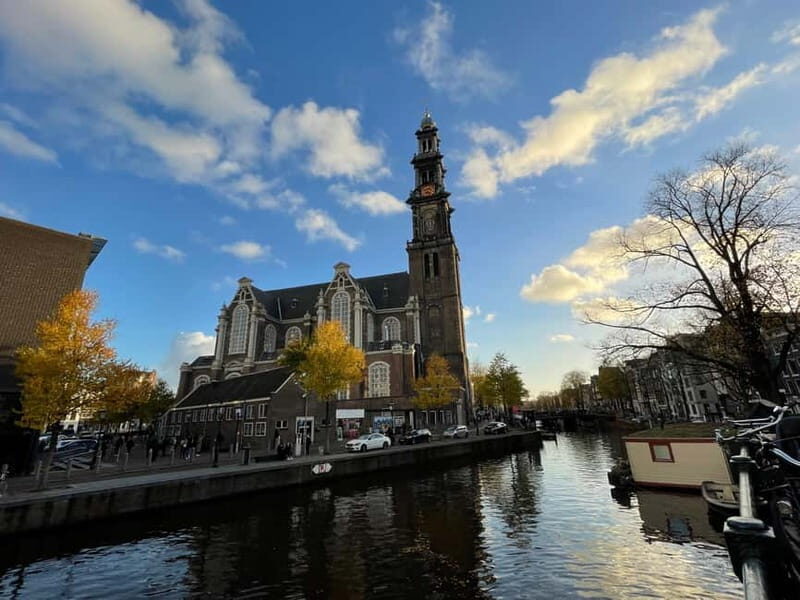
At $261 per person for a private three-hour experience, you’re paying for a guided route plus the “important ticket” question—Anne Frank House access.
So what’s the value math?
- You’re getting a live guide who sets the story on the street and connects landmarks like the Westerkerk and the Jewish Quarter to what happened.
- You get a built-in city plan with optional tram help so you’re not spending your energy on logistics.
- You get apple pie and a drink, which is small but real comfort during a dense, emotional subject.
- Most of all, you can get Anne Frank House tickets included if you book at least 7 weeks ahead.
If you have to buy Anne Frank House tickets separately and you end up with a “sold out” situation, the value changes quickly. That’s why the booking timeline is part of the deal, not fine print.
For me, this tour makes sense when you want:
1) a private guide to keep the story clear, and
2) the best chance of getting real Anne Frank House entry without scrambling.
Who should book this private tour (and who might not)
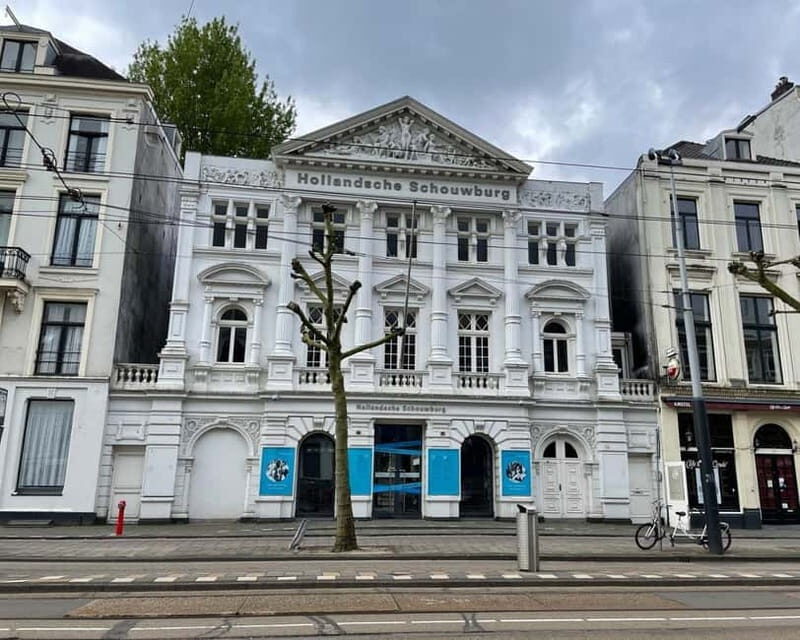
This fits best if you want a guided walking route that balances context (Jewish refuge, Nazi persecution) with action (Dutch resistance and survival efforts). It also suits you if you like landmarks tied to names and places, not just dates.
It can be a tough fit if:
- you strongly dislike stairs (because of the Anne Frank House staircase setup), or
- you want a museum-style experience that stays indoors the whole time.
Because it’s private, it’s also a good choice if you’re traveling with someone who has questions and you don’t want to wait for a group to stop talking.
Should you book this Amsterdam Anne Frank and Jewish History tour?
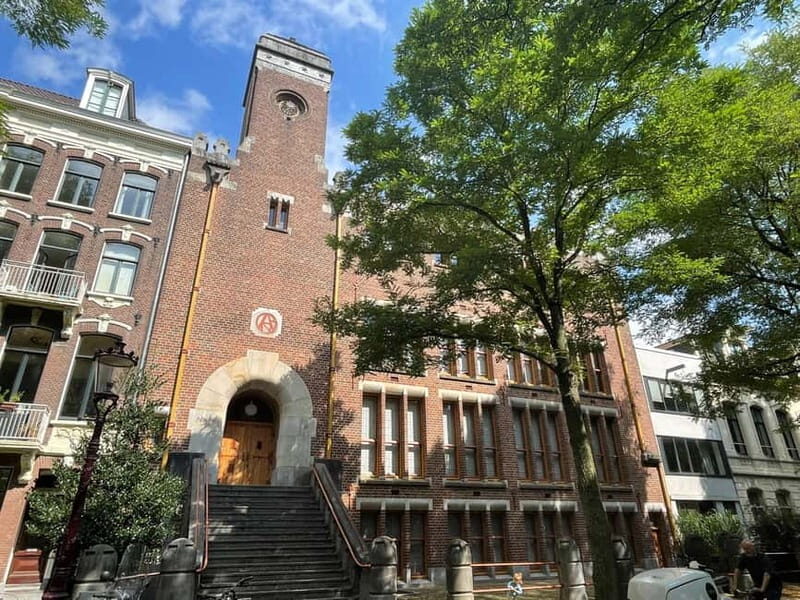
If you’re planning a first-time, story-driven visit and you can book early enough to secure Anne Frank House tickets, I think this is a strong yes. The format—walking tour plus a targeted landmark focus—helps you connect the Jewish Quarter to Anne Frank’s world without turning it into a checklist.
The one decision point is timing and physical comfort. If you can’t meet the ticket window, you’ll get the VR experience. That may still be meaningful, but your day will feel different. And if stairs are an issue, make sure you understand the Anne Frank House staircase reality before you commit.
FAQ
Do I get tickets to the Anne Frank House?
Yes, tickets are included if you book at least 7 weeks in advance. If tickets are not available for your dates, you’ll be offered a virtual reality experience instead.
Where does the tour start and where does it end?
You meet outside the main entrance of the Portuguese Synagogue of Amsterdam. The tour ends back at the meeting point.
How long is the tour?
The tour lasts about 3 hours. Starting times vary, so check availability for the best slot.
Is the tour private?
Yes, it’s a private group tour.
What’s included besides the guide?
You get a tram ride (optional), apple pie and a drink, and Anne Frank House tickets if booked far enough in advance.
Can I cancel for a full refund?
You can cancel up to 24 hours in advance for a full refund.