REVIEW · AMSTERDAM
Exclusive small-group Amsterdam Red Light District tour
Book on Viator →Operated by Trigger Tours · Bookable on Viator
De Wallen has a way of pulling you in. This short Red Light District walking tour helps you see past the movie-myths and understand how the area fits into Amsterdam’s older city core. What I like most is the local perspective and the way the walk connects sex work and coffeeshop culture to real buildings and real history. One thing to consider: the stories can be frank and adult-focused, so it’s not the best match if you want a gentle, family-friendly vibe.
I especially like that the tour is led by guides who can keep things entertaining without losing the thread of context. Guides such as Adam and Aarre are described as very informative and accommodating, and you’ll get time to ask questions while you’re on your feet. With a maximum of 32 people, it still feels like a walk with a group, not a sightseeing stampede.
It runs about 2 hours, so you’ll get a fast, focused overview rather than a long, slow crawl. Because it’s a walking tour and it’s not recommended for limited mobility, bring good shoes and be ready for narrow streets and frequent stops.
In This Review
- Key things to know before you go
- What this tour is really about: De Wallen with context
- Price and logistics for a fast, focused Amsterdam walk
- The walking rhythm: how you’ll move through the Old Town core
- Stop-by-stop: from wooden foundations to the oldest corners
- Starting point in Amsterdam: De Wallen plus Old Town context
- The Dam area and Amsterdam’s “city built on trees” idea
- Old Town area: why the oldest streets have the loudest stories
- Pub The Ape (Int Aepjen): wooden history after the big fire
- Waag: a city gate turned craft hub
- The smallest house of Amsterdam: VOC storage to long-term living
- The condom shop since 1987: a modern twist with a specific focus
- The guide experience: questions, pacing, and the stories you’ll remember
- Who should book this De Wallen walking tour (and who should skip it)
- Should you book this Amsterdam Red Light District tour?
- FAQ
- How long is the Amsterdam Red Light District walking tour?
- What is the meeting point for the tour?
- How much does the tour cost?
- How large is the group?
- Do I need a paper ticket?
- Is there admission cost for the stops?
- Is the tour accessible for people with limited mobility?
- Can I cancel for a full refund?
Key things to know before you go
- 2-hour format makes it ideal when you’re short on time but want real context
- Local-guided storylines connect De Wallen to Old Town history, not just street-level sights
- Max 32 people helps the guide actually be heard and questions actually get answered
- Multiple start times let you fit it into your day
- Mobile ticket keeps check-in simple
- Adam or Aarre-led style is described as fun and highly informative
What this tour is really about: De Wallen with context
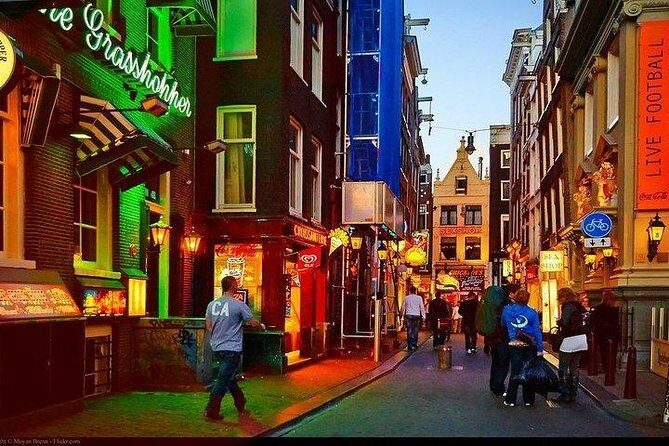
The Red Light District in Amsterdam is easy to treat like a theme park. This tour tries to do the opposite. You’re not just walking past windows and calling it a day. You’re learning how the district became what it is and how it overlaps with the city’s older street grid and institutions.
You’ll hear about the sex work industry in Amsterdam and the nearby coffeeshop culture. That pairing matters, because Amsterdam doesn’t separate everything into clean categories. You’ll see how daily life, regulation, and history shape what you’re seeing on the street today. It also means the guide can answer the questions you might be holding in your head: How did this place grow? Why does it exist here? How do locals talk about it?
I like that the tour is framed as a “local perspective” walk. That usually leads to less performative storytelling and more practical explanations—especially around why certain streets feel the way they do and why particular buildings matter.
You can also read our reviews of more tours and experiences in Amsterdam.



Price and logistics for a fast, focused Amsterdam walk
The price is $63.67 per person for an experience that runs about 2 hours. For Amsterdam, that’s a fair trade if you want to make sense of one of the most confusing-to-interpret areas without spending a full day on it.
A few practical perks help your planning:
- Small group: up to 32 people
- Mobile ticket: you don’t have to hunt for paper
- Multiple start times: you can pick a slot that fits your schedule
- No separate admission ticket cost is indicated for the tour itself
Also, you’ll meet at Geldersekade 2HS, 1012 BH Amsterdam, and the tour ends back at the meeting point. That makes it easier to pair with other Old Town plans.
One more key detail: service animals are allowed, and the tour is near public transportation. On the flip side, it’s not recommended for limited mobility, so if walking tight streets and frequent stops is a problem for you, plan a different day or a different style of tour.
The walking rhythm: how you’ll move through the Old Town core
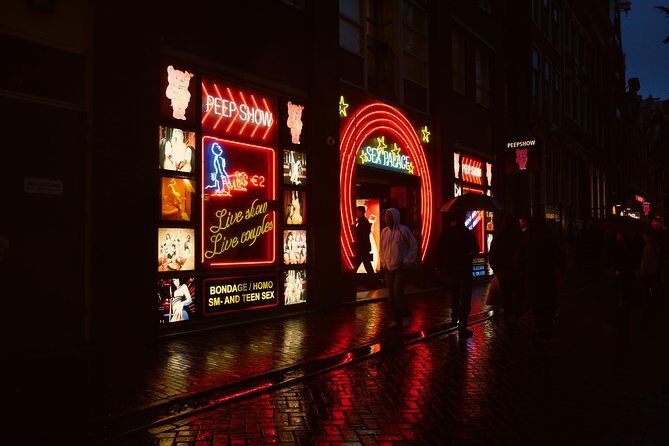
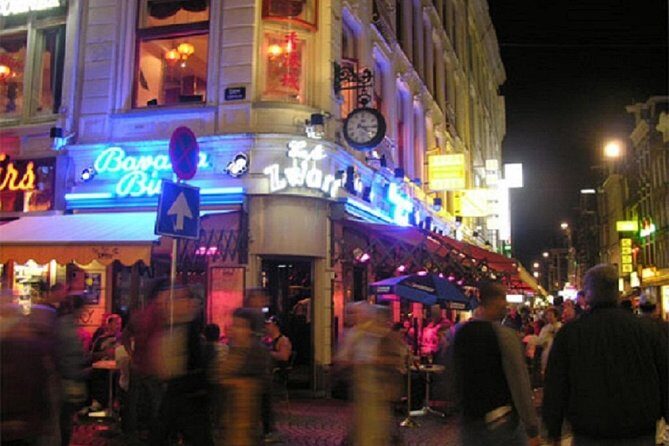
This is a strolling tour, so the “how” matters as much as the “what.” You’ll spend your time in narrow streets, which is exactly where the district’s mood is created. The guide points out details as you go, so you get the chance to slow down instead of just passing through while you’re scanning for windows and neon.
You also get a useful rhythm: the walk starts in the area and Old Town context, then moves into specific landmarks tied to Amsterdam’s age and building choices. That makes the story easier to hold. Instead of hearing broad claims, you’re anchored by real places—gates, old buildings, and even oddly small historic structures.
If you tend to rush in big cities, this kind of route helps you get your bearings fast. Two hours is short enough that you can stay sharp, but long enough for the guide to connect dots.
Stop-by-stop: from wooden foundations to the oldest corners
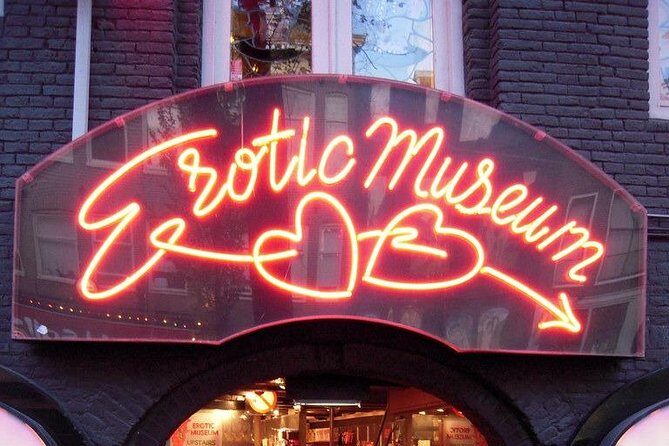
Below is what you can expect along the route, and why each stop is worth your attention (or at least worth knowing what you’re walking into).
Starting point in Amsterdam: De Wallen plus Old Town context
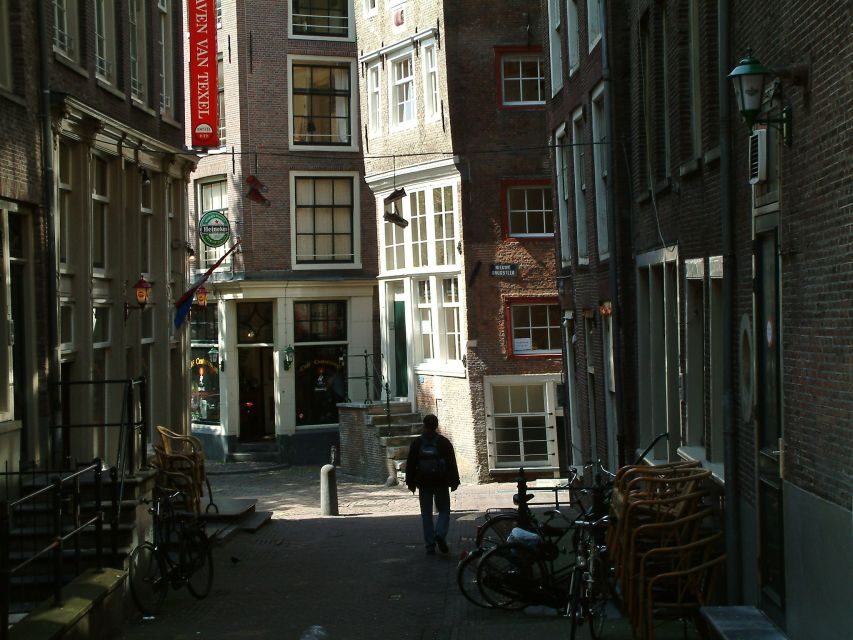
The tour begins with the Red Light District and Old Town from a local angle. You’ll walk the narrow streets and get an explanation of how the district works alongside other parts of Amsterdam. The guide connects what you’re seeing to the broader story of the area’s origins, not just the surface.
Why this matters: when you understand the historical “why,” your brain stops treating everything as random shock value. You start noticing the pattern of streets, buildings, and institutions.
Possible drawback: if you’re looking for a purely architectural walk, the adult topic will be part of the framing from early on.



The Dam area and Amsterdam’s “city built on trees” idea
One of the most interesting historical threads on the route is Amsterdam’s building challenge. You’ll hear why buildings in Amsterdam were driven down onto wooden foundation piles—because the soil is thick with fen and clay, and the solid layer comes deeper down.
This is the kind of detail that makes Amsterdam feel less like a postcard and more like a city that learned hard engineering lessons. The guide links the piles to the way houses were built over difficult ground, with wooden poles fixed deep into the sandy layer.
Why you’ll care as you walk: Amsterdam’s old streets and buildings feel stable, but this gives you the reason they can be. It’s one of those facts that turns “cool city” into “I understand what keeps it standing.”
Old Town area: why the oldest streets have the loudest stories
From there, you’re in an area tied to the Old Town and its age. The point is simple: when a place is among the oldest parts of the city, you tend to get more layers—older street patterns, older buildings, and older social functions.
Why it’s valuable: the Red Light District doesn’t sit in a vacuum. It’s part of a long-lived city core where older and newer ideas overlap. That overlap is often what confuses first-time visitors.
Pub The Ape (Int Aepjen): wooden history after the big fire
You’ll stop at Pub The Ape, also known as Int Aepjen. The building dates to around 1540, and it’s noted as one of only two remaining wooden buildings in Amsterdam. The story is tied to the major fire in 1452, when government decisions pushed builders toward brick facades.
This stop works because it gives you something solid—literally wood—while the guide connects it to how rules and disasters shape architecture. It’s also a reminder that what you’re seeing now wasn’t inevitable. It’s the result of past choices.
If you’re into old buildings: this is one of the “pay attention” moments.
Waag: a city gate turned craft hub
Next comes the Waag, which used to function as one of Amsterdam’s city gates. It was built around the 1400s and is described as the second oldest building of Amsterdam. Later, it served as a guild and crafts organization space, with craftspeople and organizations located within the Waag and around the square.
Why I think this matters for your understanding of De Wallen: city gates and craft guilds tell you how Amsterdam organized itself around commerce and control. A district like De Wallen doesn’t exist in isolation; it’s part of a city shaped by trade routes, defenses, and governance.
Possible consideration: if you expected every stop to be directly about adult street life, the Waag stop may feel like a history breather—but it actually helps the story make sense.
The smallest house of Amsterdam: VOC storage to long-term living
You’ll also see the smallest house of Amsterdam, built around the 1700s. It was first used as storage for the VOC trading company, and later people lived in it for a very long time.
This stop is memorable because it’s such a clear example of how old Amsterdam could mean practical reuse and cramped realities. It’s not just “look how old.” It’s “look how people adapted.”
Why it’s worth your time on a short tour: this is the kind of detail that gives you texture. You’re not only hearing about sex work and modern culture; you’re seeing how Amsterdam’s history includes trade, scarcity, and repurposing.
The condom shop since 1987: a modern twist with a specific focus
One of the more surprising stops is a condom shop described as the world’s first specialized shop for condoms, in place since 1987. You can get customized condom sizes and special types.
It’s a modern stop, but it fits the tour’s theme: Amsterdam’s Red Light District includes businesses and practical services shaped by real demand. This isn’t just shock. It’s a hint at how public norms, health needs, and commerce intersect.
Possible drawback: if you’re uncomfortable with anything directly sexual, this is likely to feel awkward, even if the framing is factual.
The guide experience: questions, pacing, and the stories you’ll remember
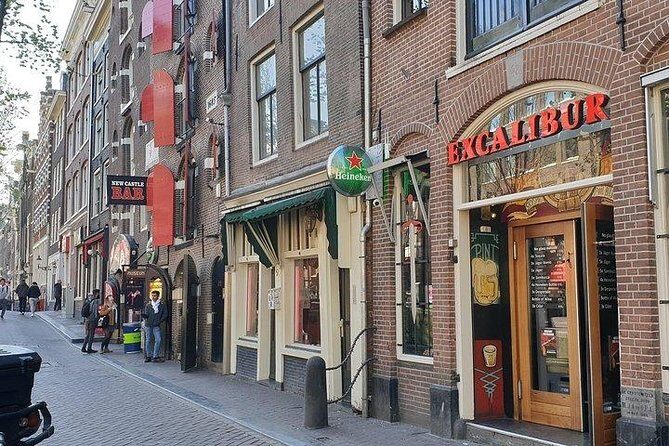
A big reason this tour gets high marks is the guide style. Adam is described as entertaining while still deeply knowledgeable, and Aarre is called very accommodating and informative. That blend matters because Amsterdam’s Red Light District can trigger lots of emotions fast. A good guide keeps you moving, keeps it factual, and makes space for questions.
You’ll also hear pointed stories—one review mentions the story of prostitute twins and the guide’s dramatic way of telling it. Even without repeating shock-value details, the key takeaway for you is this: expect frank, high-contrast storytelling. If you want a polished lecture, you might prefer another kind of tour. If you want a real street-level explanation with a human voice, this is likely to work well.
Pacing-wise, the two-hour time window keeps it tight. It’s not a slow, long philosophical walk. It’s a structured route with stops that hit history, architecture, and the way the district operates.
Who should book this De Wallen walking tour (and who should skip it)
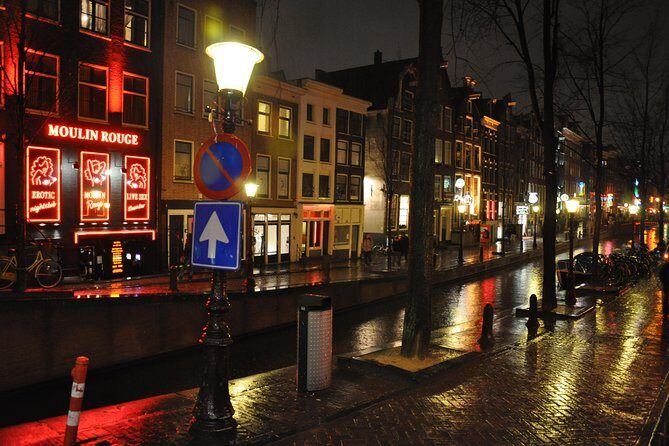
This fits you if:
- you’re pressed for time and want a grounded overview in about two hours
- you want a walk that explains De Wallen within Old Town Amsterdam
- you like guides who can handle hard questions and keep it moving
You might skip it if:
- adult themes feel like too much for your comfort level
- you have limited mobility and can’t manage a walking route through narrow streets
- you want only architecture or only nightlife context without the adult industry framing
Also, it’s a good choice for first-time Amsterdam visitors who are curious but don’t want to wander aimlessly. The route gives you waypoints that help you understand what you’re seeing.
Should you book this Amsterdam Red Light District tour?
Yes, if you want a short, small-group walk that helps you interpret one of Amsterdam’s most talked-about areas with real city context. I’d book it when you care about understanding the “why” behind what you’re seeing—not just looking at it.
If you’re sensitive to adult subject matter, go in with that expectation. This tour includes it as part of the explanation, not as an optional add-on. And if mobility is a concern, choose a different format.
Overall, the value is in the tight timing, the small group size, and the way the guide connects the famous district to landmarks like Pub The Ape (Int Aepjen), the Waag, and even the oddly practical history of Amsterdam’s buildings.
FAQ
How long is the Amsterdam Red Light District walking tour?
It’s about 2 hours.
What is the meeting point for the tour?
The meeting point is Geldersekade 2HS, 1012 BH Amsterdam, Netherlands.
How much does the tour cost?
The price is $63.67 per person.
How large is the group?
It’s a small-group experience with a maximum of 32 travelers.
Do I need a paper ticket?
No. You’ll use a mobile ticket.
Is there admission cost for the stops?
The tour lists admission ticket as free.
Is the tour accessible for people with limited mobility?
It is not recommended for travelers with limited mobility.
Can I cancel for a full refund?
Yes. You can cancel for a full refund up to 24 hours in advance of the experience start time.