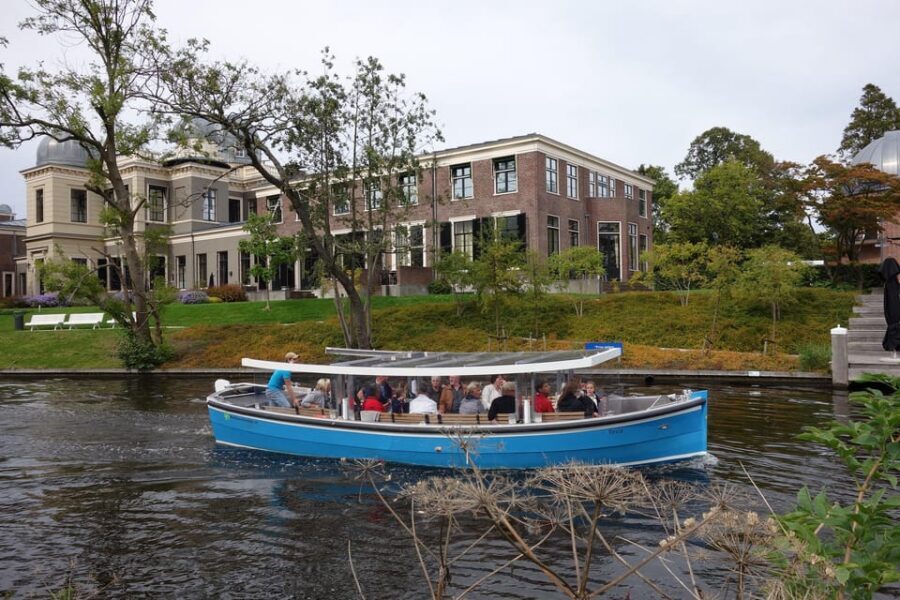
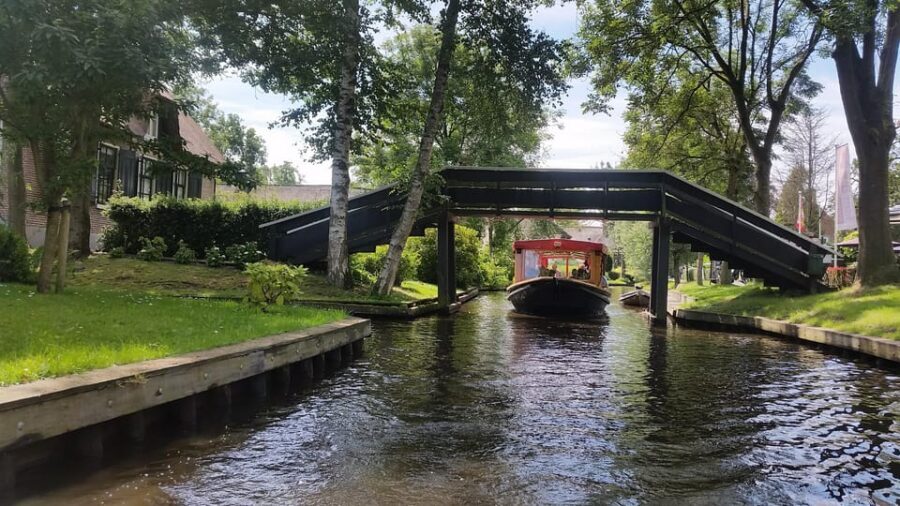
A sailing day near Amsterdam feels surprisingly close. I like the hands-on, interactive style—you’ll help with bridge openings and sail tasks, and you can even take the helm if you’re experienced. I also like that the scenery is built into the route: polders, houseboats, windmills, and that famous luxury yacht shipyard view from the water. One thing to know up front: the day depends on wind and weather, so you’ll need flexibility (especially in winter).
In This Review
- What Can Trip You Up
- Key Highlights to Know Before You Go
- Why This Sailing Day Works: Polders, Bridges, and Real Boat Work
- Meeting in Amsterdam: Station Zuid to the Car Pickup
- Getting to De Kaag: The Drive and the Dutch Shortest Ferry
- Boarding on De Kaag: A Comfortable 6.2m Sailboat
- Sailing Through the Polders: The View That Teaches You How the Land Works
- The Interactive Part: Bridge Openings, Sail Tasks, and Possible Helm Time
- What the Skipper Brings: Maarten’s Teaching Style
- Comfort Onboard: Coffee, Tea, Snacks, and Hot-Day Swimming
- Timing and Wind: Why the Tour Length Feels Different Each Day
- Price and Value: Is $225.18 Worth It?
- Who Should Book This (and Who Should Rethink It)
- Practical Tips Before You Go
- Should You Book This Interactive Sailing Day near Amsterdam?
- FAQ
- How long is the sailing time?
- Is pickup available from Amsterdam?
- What if it’s windy or rainy?
- Do beginners need sailing experience?
- Are life vests required?
- Can we swim during the trip?
What Can Trip You Up
This tour can be canceled if conditions get too strong—wind above 6 bft and unpredictable rain are the key triggers. The upside is that the skipper plans around safety, but the trade-off is you might shift dates.
Key Highlights to Know Before You Go
- Small group size (max 4 travelers) keeps the sailing experience personal, with room for questions and real participation
- Interactive sailing includes bridge-opening help and instruction for beginners (no sailing background required)
- A tight local route from Amsterdam to De Kaag includes a short ferry crossing and sailing around the polders
- Onboard basics handled: coffee, tea, and small snacks are included during the 3–4 hour sailing stretch
- Safety rules are clear: life vests are mandatory for youngsters and when wind is above 4 bft
- Skipper Maarten’s teaching reputation shows up in the experience: kind, effective, and able to adapt to your level
You can also read our reviews of more tours and experiences in South Holland.

Why This Sailing Day Works: Polders, Bridges, and Real Boat Work
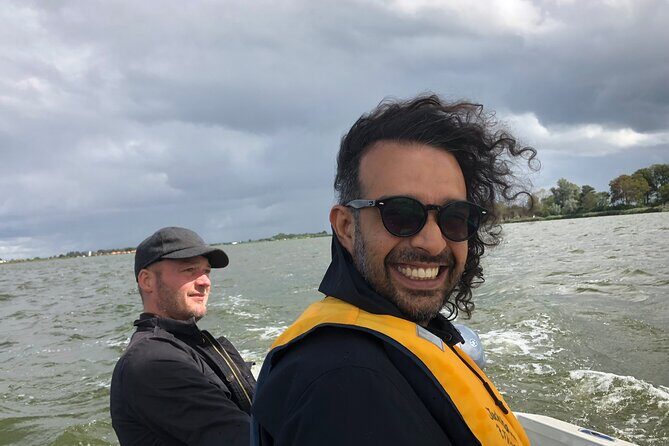
The Netherlands from the water has a specific magic. You see the flat-world logic of the polders, the geometry of canals, and the way villages and boats sit low enough that the waterline feels like it’s part of the landscape, not a backdrop.
What makes this trip more than a scenic cruise is the workload. You aren’t just sitting while someone else does everything. You’ll be asked to assist—opening bridges, helping with sailing tasks, or steering if you have experience—and that turns the day into something you actually learn from.
Meeting in Amsterdam: Station Zuid to the Car Pickup
Start point is Station-Zuid WTC in Amsterdam, with a 10:30 am start time. The plan is simple: in winter, the weather can be chaotic, so you’ll want to communicate early and confirm whether the day is happening.
Pickup happens near the exit of Metro 51. You’ll get off at Station Zuid, then coordinate where to meet the skipper’s car. The car can take a maximum of 4 passengers, so if you’re booking with a larger group, you’ll likely be joining the tour’s standard size rather than trying to add extra riders on the same ride.
If you’re elsewhere in the Netherlands metro area, other pickup and drop-off locations can be arranged. The guide notes that Amsterdam city center can be slow by car, so try to plan around time and traffic if you’re not near Station Zuid.
Getting to De Kaag: The Drive and the Dutch Shortest Ferry
Once you’re picked up, you’ll take a short car ride to De Kaag—your happy place for the day. This matters because it sets the tone: you’re not spending half your morning stuck in transit. The time from Amsterdam to the water is kept practical, so you arrive ready to move.
After that ride, you’ll go to the Dutch shortest ferry. Then, just a few minutes later, you cross the island of De Kaag. For many people, this is the first clue that the trip is built around local details, not generic sightseeing stops.
Boarding on De Kaag: A Comfortable 6.2m Sailboat
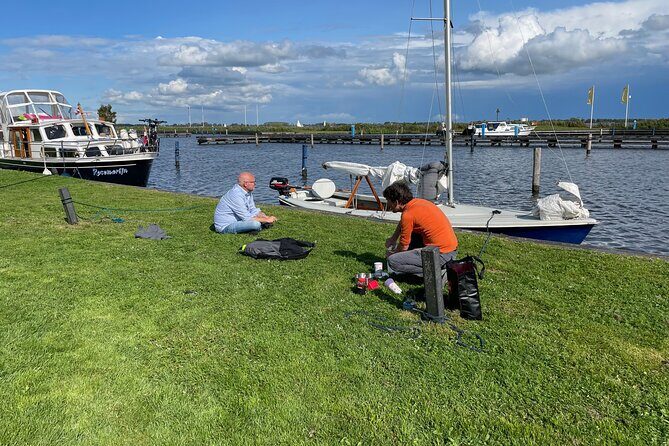
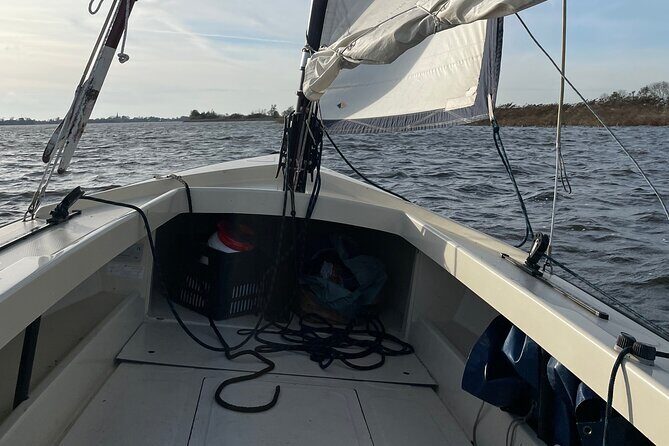
You’ll board a 6.2-meter sailboat, described as relatively small but comfortable. That size changes everything. A smaller boat tends to feel more connected—less like a tour vessel and more like a working craft where your role is obvious.
The sailing window is about 3 to 4 hours, depending on wind. That timing is important: you’re not promised a set route like a theme park ride. The skipper plans the tour around conditions, which is why the experience can feel different from day to day.
You’ll also want to pack your expectations accordingly. This is an active day on the water, even though you’re not expected to know sailing already. If you’re newer, the skipper can manage the boat and instruct you on essentials if you want.





Sailing Through the Polders: The View That Teaches You How the Land Works
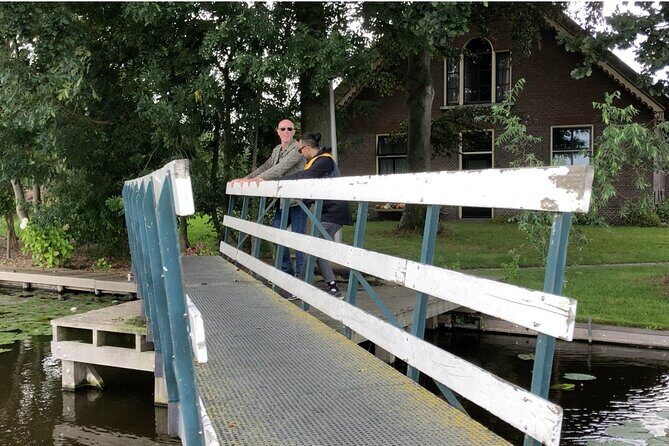
The polders are the core setting. From onboard, you’ll be looking down on animals that are lower than you—one of those small details that makes the flat landscape feel strangely layered.
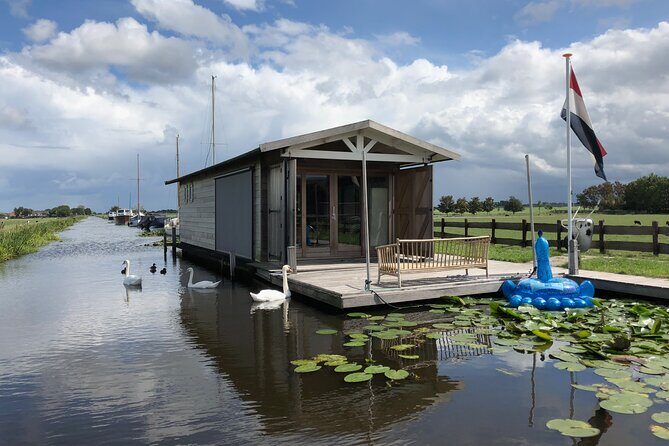
You’ll also see windmills and houseboats, plus a view tied to a famous luxury yacht construction yard. Even if you don’t know the names of the sites yet, the pattern is easy to read: canals, low shorelines, boats of different sizes, and man-made water management that’s visible rather than hidden.
This is a good time to think of sailing as a way to understand geography. When you’re moving over the water, you start noticing how the Netherlands controls it all—land, water, access routes, and the places where everything sits just above the baseline.
The Interactive Part: Bridge Openings, Sail Tasks, and Possible Helm Time
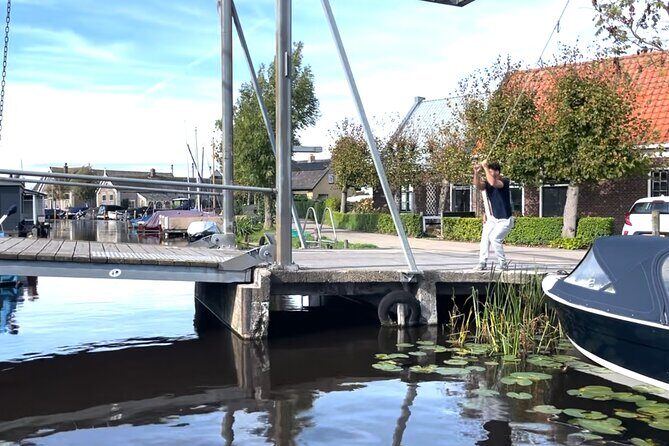
One of the most memorable parts of the day is that you may help with opening bridges. That’s not just a cool moment; it teaches you how sailing in this region works. In canal-and-bridge waters, navigation is a shared process with the local system, not only a matter of your personal skill.
You’ll also be asked to assist with sailing tasks. Exact roles can vary based on the day and your comfort level, but the structure is clear: you’ll be involved in the working side of the boat.
If you’re an experienced sailor, you may get the chance to sail yourself. If you’re not, don’t worry—planning for beginners is part of the design. The key is that you can choose how much responsibility you want, while still learning what’s going on.
What the Skipper Brings: Maarten’s Teaching Style
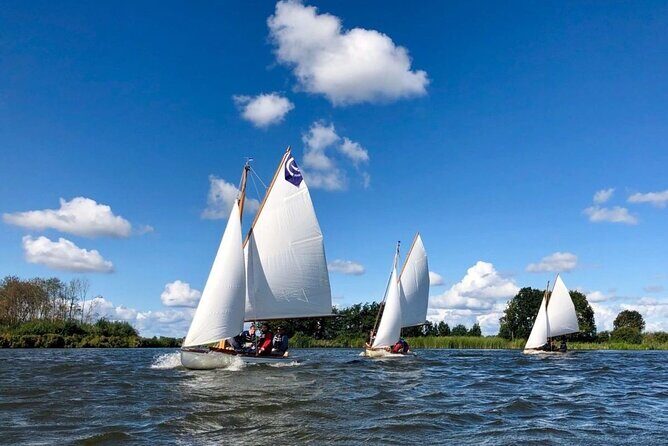
The experience is tightly linked to skipper Maarten. The big theme is adaptability: he can teach beginners without slowing down the day, and he can still challenge experienced sailors.
That matters because a sailing day can go one of two ways. Either you feel like a passenger, or you feel like part of the team. In this setup, the goal is to keep you engaged while still staying safe and organized.
You’ll likely enjoy the informal side of it, too. Conversations with an active skipper tend to turn practical—how wind changes things, why route choices matter, and what local waters demand. You can keep it simple and focus on the boat work, or you can ask questions and get stories along the way.
Comfort Onboard: Coffee, Tea, Snacks, and Hot-Day Swimming
To keep morale up during a 3–4 hour sail, coffee and tea come onboard, plus small snacks. That’s a genuinely useful inclusion, especially if you’re sailing through the cooler seasons or if you’re starting from Amsterdam and have a morning that doesn’t include a long breakfast pause.
Safety and comfort rules are spelled out. Life vests are mandatory for youngsters, and they’re required when wind is above 4 bft. If you’re traveling with kids, this clarity reduces stress—everyone knows the expectations in advance.
On hot days, swimming is possible. That line is a quick reminder that the trip has room for downtime and fun, not only work. Still, keep in mind that swimming depends on the day’s conditions and the skipper’s call.
Timing and Wind: Why the Tour Length Feels Different Each Day
The total duration is listed at about 5 hours 30 minutes. That includes the pickup, the drive to De Kaag, the ferry crossing, and then the main sailing block of around 3–4 hours.
Because the sailing time depends on wind, the itinerary is flexible. In calm conditions you might sail longer; in stronger conditions the day might shorten or shift. That’s not a weakness. It’s what keeps the experience aligned with safety and the reality of wind-powered travel.
There’s also a cancellation condition to be aware of: wind above 6 bft and unpredictable rain can lead to cancellation. In practical terms, plan your schedule with buffer time and keep backup options.
Price and Value: Is $225.18 Worth It?
At $225.18 per person, this isn’t the cheapest way to spend an afternoon on the water. But the value math is mostly about what you get for that money: small group size, active instruction, and a skipper who can tailor the day to your level.
Here’s what you’re paying for, in real-world terms:
- A max of 4 travelers, which usually means more attention and more chances to help on the boat
- A working sailing day, not just a photo stop—bridge openings and sailing tasks are built in
- Time on a real 6.2m sailboat where your actions matter
- Comfort touches included: coffee, tea, and snacks
- Pickup offered near Amsterdam (with flexibility if you coordinate)
If your goal is a relaxed cruise with minimal involvement, you might feel the price is steep. If your goal is learning and participating in how sailing works in the Netherlands, this pricing looks more fair.
Who Should Book This (and Who Should Rethink It)
This tour fits best if you want a hands-on water experience near Amsterdam. It’s also a strong choice for mixed groups—beginner and experienced sailors can share the same boat and still find meaningful roles.
The activity requires moderate physical fitness. That doesn’t mean you need to be an athlete, but you should be comfortable with getting around the boat and participating in tasks as prompted.
If you strongly hate weather-dependent plans, you should think twice. The tour is weather sensitive by design, and winter makes that factor more noticeable. The good news is that cancellations due to poor conditions can lead to a refund or date change.
Practical Tips Before You Go
Pack for motion and wind. Even when it’s sunny on land, the water can feel colder and more exposed, especially if you’re helping out and staying active.
Dress in layers. You’ll be moving, and you’ll want to adjust as the wind changes. If you plan to swim on a hot day, bring swimwear and a towel you don’t mind drying later.
Also, bring a mindset for interaction. This isn’t a sit-and-watch tour. If you’re ready to help when asked, you’ll get more out of the day—both in learning and in the memories that stick.
Should You Book This Interactive Sailing Day near Amsterdam?
I’d book it if you want a small-group sailing day that feels like teamwork, not a sightseeing loop. The combination of interactive sailing, the polders setting, and skipper Maarten’s ability to teach makes it a strong value for the price.
I’d pause before booking if you can’t handle wind-dependent changes, or if you expect a totally predictable schedule. This experience is about the day that wind gives you—when conditions cooperate, it’s a great way to see South Holland from the best possible angle.
If you do book, do one thing that helps a lot: message early about conditions, especially in winter. Then you’ll be ready for either a smooth sailing plan or a well-timed adjustment.
FAQ
How long is the sailing time?
You can expect about 3 to 4 hours of sailing, depending on the wind. The full experience is around 5 hours 30 minutes including transfers and the ferry crossing.
Is pickup available from Amsterdam?
Yes. Pickup is offered near Station-Zuid WTC, with coordination near the exit of Metro 51. Other pickup or drop-off locations may be possible if the drive is not too difficult.
What if it’s windy or rainy?
The tour depends on good weather. It may be canceled if wind is above 6 bft or if rain is unpredictable, and you’ll be offered a different date or a full refund.
Do beginners need sailing experience?
No. If you’ve never sailed before, the skipper can manage the boat and provide instruction on essentials. You can participate at your comfort level.
Are life vests required?
Yes for youngsters, and also when wind is above 4 bft. Life vests are a mandatory part of the safety setup based on those conditions.
Can we swim during the trip?
Swimming is possible on hot days. Whether it happens depends on the day’s conditions and the skipper’s decision.