Tulips look better from the seat of a bike. This 2.5-hour ride around South Holland mixes flower fields with small-town stops, so you’re not just staring at scenery—you’re learning how it all works. I especially like that the tour uses the bike to get you into the bulb-region details fast: churches, bulb growers, and the fields chosen for bloom.
What I also really like is the mix of included experiences and practical help. You get a helmet, gloves, and even a rain poncho when the weather turns, plus entry is included for Sint Agathakerk and De Tulperij—so you’re not constantly pulling out tickets. The one drawback to think about: you must be able to ride a bicycle. If you’re not confident on two wheels, this tour won’t feel relaxing—and it isn’t refundable if you can’t participate.
In This Review
- Key highlights you’ll actually care about
- Why cycling the bulb region beats a bus trip
- Meeting at Restaurant Hanami Lisse and what you get
- Stop 1: Sint Agathakerk, the Cathedral of the Bulb Region
- Stop 2: Lisse Tourist Info and the Black Tulip Museum
- Stop 3: De Tulperij greenhouse with Daan and Anja Jansze
- Passing Keukenhof Castle and the 15th-century kitchen-garden story
- Stop 4: Lisse flower fields and how the guide finds bloom
- Biking, safety, and what to expect during tulip season
- Where Keukenhof fits: before or after the bike tour
- Price and value: what $59.47 buys you
- Should you book this tulip bike tour?
- FAQ
- How long is the tulip bike tour?
- What is included in the price?
- Where does the tour start and end?
- Is bottled water included?
- Can I visit Keukenhof as part of this experience?
- What happens if it rains or the weather is poor?
Key highlights you’ll actually care about
- Local-led bulb region route through Lisse and nearby sights, built around what’s in bloom
- Included entry at Sint Agathakerk and De Tulperij (both help the tulip story click)
- Hands-on bulb grower stop at De Tulperij with Daan and Anja Jansze and time to enjoy the greenhouse
- Keukenhof vibes without waiting in line as you cycle past the castle gardens
- Small group size (max 18), which helps with pace and staying together
Why cycling the bulb region beats a bus trip
There’s a reason this area feels different on a bike. In a car, you mostly watch. On a bike, you notice things: the slight smell change as you pass from streets into open fields, the way the landscape flattens out, and the rhythm of stopping for a view instead of being parked.
This tour also has a smart layout. It blends tulip fields with quick stops that add context—so when you later stand in a place like Keukenhof, you understand what you’re seeing. You’re not just checking a famous garden box; you’re learning why bulbs are planted, how the season works, and what makes one field look brighter than another.
And since it’s a guided ride, you don’t have to gamble on route choices. The guide steers you toward fields that match the week’s bloom, so you’re more likely to get that full-on spring color show rather than the last patch still waking up.
You can also read our reviews of more tours and experiences in South Holland.
Meeting at Restaurant Hanami Lisse and what you get
You start and end at Restaurant Hanami Lisse, Heereweg 10, 2161 AG Lisse. That’s helpful because you don’t have to solve a separate drop-off puzzle later.
Here’s the practical package you’ll be glad you didn’t have to arrange yourself:
- Bicycle included
- Helmet included
- Gloves included
- Rain poncho available if it rains
One small note: bottled water is not included, but you can buy a bottle for €2. In practice, I’d treat that as a simple “top up and go” moment rather than a big plan.
Also keep in mind that this tour requires moderate physical fitness and real bike comfort. One review called out that others had trouble using their bicycles, which affects the vibe for everyone. So if you’re rusty, plan a few quick practice rides before tulip season makes everything more stressful than it needs to be.
Stop 1: Sint Agathakerk, the Cathedral of the Bulb Region
The first stop is Sint Agathakerk, known as the Cathedral of the Bulb Region. It’s built in 1903, and the guide uses it as more than a photo stop. You’ll get fun facts that connect the church to the bulb-area identity, which is a clever way to start the tour before you roll out into fields.
This stop also works well time-wise. Ten minutes is long enough to learn something and snap a couple of pictures, but short enough that you don’t spend your whole morning off the bike. If you like your tours to move and not drag, this early “tuning fork” stop sets the right tone.
Potential drawback: if you’re the type who wants maximum field time, this church break may feel like a warm-up rather than the main event. Still, it helps you read the region instead of just consuming it.
Stop 2: Lisse Tourist Info and the Black Tulip Museum
Next you pop into Visit Lisse Tourist Info & Shop, right near Het Vierkant. This is also where you’ll find the Black Tulip Museum, and the admission here is free.
Why I like this stop: it’s a useful reset point. You get a little local orientation, plus an easy way to connect the town’s layout with where the flower fields start showing up. And since the area includes the Plein van Lisse catering area with lots of cafés and restaurants nearby, you can keep your options open for later.
This stop is also a good place for quick “okay, I get it now” moments. In tulip season, it’s easy to feel overwhelmed by color. A short museum/time-out helps you slow down and start noticing patterns—like how bulb culture shows up in everyday life, not just marketing photos.
Stop 3: De Tulperij greenhouse with Daan and Anja Jansze
This is one of the tour’s most practical “aha” stops. You visit De Tulperij, where Daan and Anja Jansze grow tulip and narcissus bulbs and run the flower-bulb operation as a greenhouse experience.
Time here is about 25 minutes, and admission is included. That’s enough time to look around without feeling rushed, especially because this isn’t just a showroom. The greenhouse is described as nostalgic, light, and attractively decorated—so it’s comfortable to wander. You can also enjoy coffee and tea while taking in the flowers around you.
What you learn matters. Seeing bulbs in the ground is one thing. Seeing bulbs as a planned growing process—plus understanding the people behind it—makes the whole region click. If your goal is to come home with more than just images, this stop is where you get it.
One consideration: greenhouse stops can feel warm and enclosed, even in spring. Wear layers so you can adjust, and bring a small zip bag for anything you don’t want to carry while cycling.

Passing Keukenhof Castle and the 15th-century kitchen-garden story
After the greenhouse, the tour shifts back to the bike route. You cycle past Keukenhof Castle gardens to see them in all their glory. You won’t spend your entire time inside Keukenhof on this tour, but you get the big connection: this region is designed around spring flower spectacle, and Keukenhof is the flagship.
Here’s a history detail that adds meaning fast: the Keukenhof forest was the kitchen garden for Teylingen Castle back in the 15th century. That detail turns the scenery from random pretty scenery into a landscape with a purpose that’s been evolving for centuries.
This part is also a nice pacing trick. After greenhouse time and structured stops, cycling past the castle gardens gives you a moving “wow” moment without locking you into one location for too long.
If you’re sensitive to crowds, you’ll still want to be realistic: Keukenhof season is busy. The good news is your bike tour route helps you see the area beyond a single ticketed queue.
Stop 4: Lisse flower fields and how the guide finds bloom
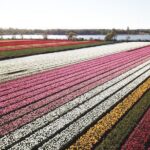
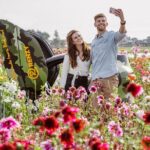
Now comes the heart of the bulb region experience: the flower fields of Lisse. You’ll spend about 30 minutes here, and the guide is actively managing your view.
The key detail is that a different field is in bloom every week, and the guide knows which one to show you so you’re seeing the best of the best for that moment in the season. That’s not just a convenience; it’s the difference between a “pretty but mixed” tulip day and a full-on spring color day.
This stop also tends to be where the best memories come from. In reviews, people repeatedly mention the sense of freshness—crisp air, easy flat riding, and that unmistakable flower smell when you’re close to the fields. On a bike, you get to glide past those intense color blocks instead of viewing them from far back lines.
Practical tip: bring your camera strap so you can safely adjust settings while moving. The group will be stopping for photo moments, but you’ll still be in motion through farmland the rest of the time.
Biking, safety, and what to expect during tulip season
This tour is built for an easy Dutch-style cycling day, not mountain biking. Terrain here is basically flat, and guides are there to keep riders together and protect you from traffic.
Still, tulip season is crowded by nature. One review called out that delays and traffic can happen because everyone wants to see the tulips and bloom windows are short. That means even if the route is well planned, high-season momentum can slow down. The good news: the tour doesn’t feel like a long slog. It’s short stops plus riding, which keeps things from feeling stuck.
Also, pay attention to the “you must be able to ride a bicycle” rule. Reviews include praise for smooth, safe pathways and good-quality bikes. But if you can’t handle gears or balance, the group won’t stop to rescue you. The tour is set up for riders who can actually pedal with control.
Finally, if you’re someone who worries about finding the meeting spot: you’ll want to give yourself a little buffer time. One review mentioned difficulty finding the meeting spot. When you’re traveling in spring chaos, that’s a real world problem worth planning for.
Where Keukenhof fits: before or after the bike tour
This bike tour is a great Keukenhof warm-up. You cycle past the castle gardens, then you see bulb fields in Lisse, and you understand what you’re about to walk into later.
The nice part is flexibility. The information provided is clear that Keukenhof can be visited on your own, either before or after the cycle tour. If you’re the type who likes structure, do the bike tour first so you can connect the dots. If you’re more “show me the main event first,” you can visit Keukenhof afterward and let the bike tour turn your photos into a story.
One planning detail to keep in your pocket: if you’re using the Keukenhof bus, it’s a 20-minute walk from Keukenhof to Restaurant Hanami in Lisse. In high season, the bus can add additional travel time, so double-check your timing so you don’t stress yourself on the day.
Price and value: what $59.47 buys you
At $59.47 per person, this tour isn’t trying to be the cheapest tulip outing. It’s priced like an experience—guided, active, and partially ticketed. And compared with DIY tulip hunting, that price starts looking more reasonable because you’re paying for three things that are hard to replicate:
First, you’re paying for a guide who steers you to the right bulb-season views. Knowing which field is in bloom that week is not something you can easily eyeball.
Second, you’re paying for included costs: Sint Agathakerk entry and De Tulperij entry are both included, and those stops add real meaning. The greenhouse visit with Daan and Anja Jansze and the coffee/tea time isn’t just a quick look—it’s a cultural bulb-region moment.
Third, you’re paying for the bike kit that matters. Helmet, gloves, and a rain poncho are not “nice-to-have” extras. In Holland spring weather, they’re the difference between a comfortable ride and an unpleasant one.
The tour is capped at 18 travelers, which keeps it from turning into a chaotic stampede. That matters in a place where the whole world shows up for tulips.
Should you book this tulip bike tour?
Book it if you want a tulip day that feels local: riding through the bulb region, learning why the season works the way it does, and getting field views guided to the bloom week. It’s especially a good match if you’re planning to visit Keukenhof and want a smarter, more meaningful buildup.
Skip it if bike riding isn’t your thing. You need to be able to ride a bicycle, and there are no children’s bicycles for kids 6 to 12. If you’re traveling with young kids, there is a child seat for ages 1 to 6 on request for €15 (you’ll need to mail the operator to arrange it).
Also think about timing. If you’re going during the busiest weeks, expect crowds around Keukenhof and potentially slower movement. The tour still helps you see more than just the one ticketed attraction, but spring is spring.
If you want a calm, confident plan for a short spring window, this tour is one of the better choices in the Lisse bulb region. The combination of included stops, small group size, and practical rain-ready gear makes it feel like a solid value instead of just another “pretty ride.”
FAQ
How long is the tulip bike tour?
It runs about 2 hours 30 minutes.
What is included in the price?
The tour includes use of the bicycle, helmet, gloves, and a rain poncho if needed. Admission tickets are included for Sint Agathakerk and De Tulperij.
Where does the tour start and end?
It starts at Restaurant Hanami Lisse, Heereweg 10, 2161 AG Lisse, and it ends back at the same meeting point.
Is bottled water included?
No. You can buy bottled water for €2.
Can I visit Keukenhof as part of this experience?
Keukenhof is not listed as included in the bike tour time itself, but you can visit Keukenhof yourself, either before or after the cycle tour.
What happens if it rains or the weather is poor?
This experience requires good weather. If it’s canceled due to poor weather, you’ll be offered a different date or a full refund.