REVIEW · AMSTERDAM
Amsterdam: Guided Off-The-Beaten-Track Walking Tour
Book on GetYourGuide →Operated by Herzblut Amsterdam Stadtführungen · Bookable on GetYourGuide
This tour turns Amsterdam from postcards into street-level stories. You’ll cover the big sights you expect, then spend time where the city feels more lived-in, especially around the Jordaan and the North-side neighborhoods.
I especially liked two things: the way the guide connects the canal belt to how Amsterdam became a trading power, and the genuinely friendly, clear teaching from guides like Anna, Natascha, and Fred (based on past group experiences). One thing to consider: it’s rain or shine, so you’ll want weather-ready shoes and clothes, even if it’s a short 2.5-hour loop.
In This Review
- You’ll come away with better instincts for walking Amsterdam
- Key takeaways before you go
- Meeting at Beursplein: the fastest way to get your bearings
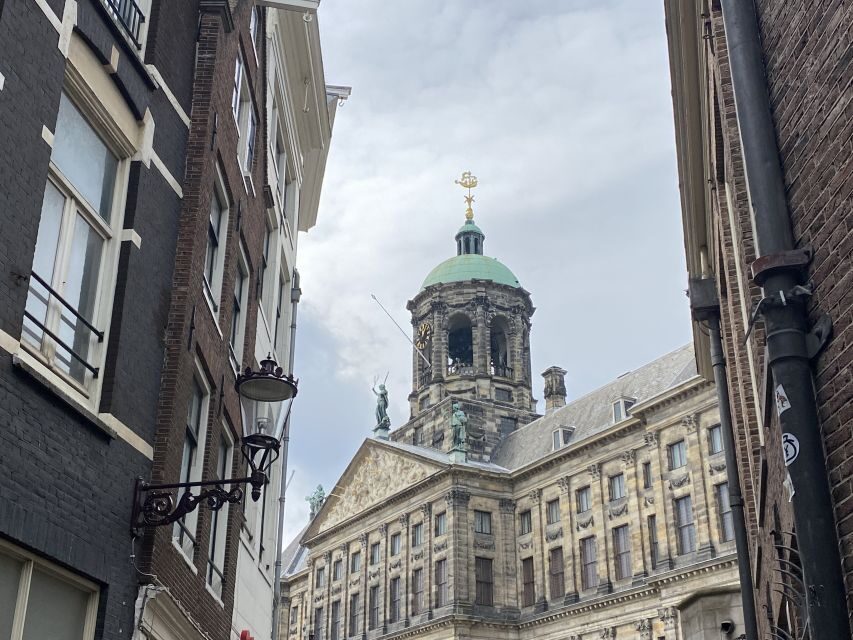
- Dam Square landmarks: Royal Palace, National Monument, Nieuwe Kerk
- Torensluis and the canal belt: the engineering story you’ll actually remember
- Western Islands and shipyard vibes: old Amsterdam meets waterfront reality
- Brouwersgracht and Prinsengracht: warehouse conversions and canal-house details
- Jordaan and Noordermaarkt: the lively local side you’ll want to return to
- Anne Frank House and Westerkerk: two landmarks with totally different emotional weights
- After the walk: where to go next from Jordaan and 9 Straatjes
- Who this tour is for (and who should pick something else)
- Does $46 buy real value in 2.5 hours?
- Quick practical advice before you book
- Should you book this Amsterdam walking tour?
- FAQ
- How long is the Amsterdam off-the-beaten-track walking tour?
- How much does the tour cost?
- Where do I meet the guide?
- What language is the tour guide speaking?
- How big is the group?
- Is the tour wheelchair accessible?
- Does the tour run in bad weather?
You’ll come away with better instincts for walking Amsterdam
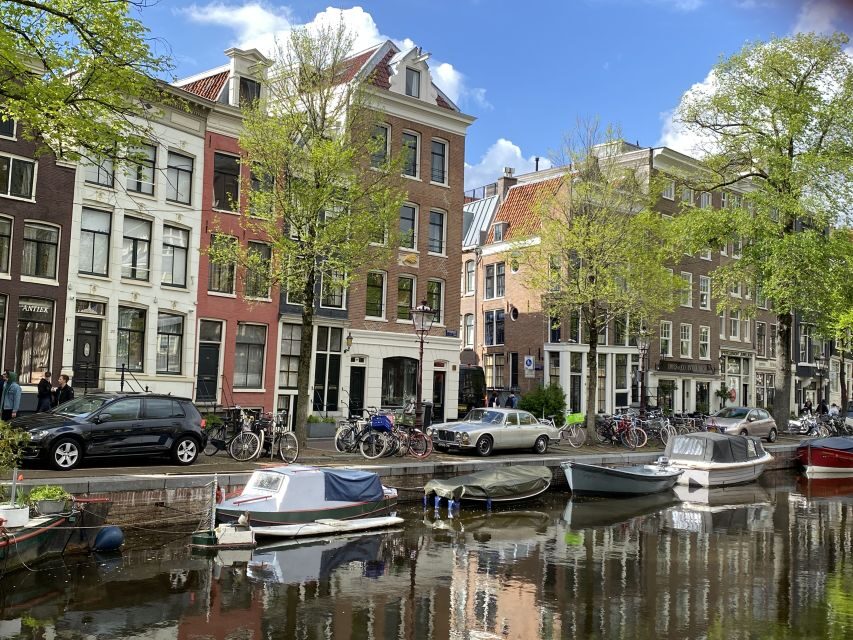
By the end, you’ll know not just where things are, but why they’re there—from Dam Square landmarks to the Torensluis area and the modern Westerdoks waterfront. If you want off-the-beaten-track value without giving up the famous stops, this is a strong pick.
Key takeaways before you go
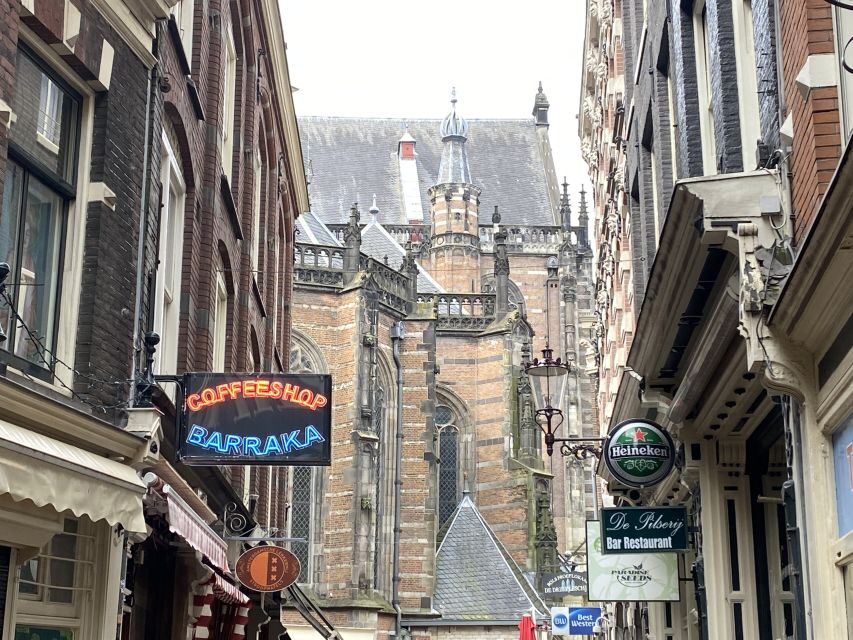
- Small group pace: limited to 6 participants, so questions don’t get lost in the crowd
- Canals with context: the canal belt story gets explained in a practical, walkable way
- North-side variety: Westerdoks and the Western Islands add a different Amsterdam mood
- Jordaan + market time: Noordermaarkt fits naturally into the day’s rhythm, market day or not
- Icon spots, handled thoughtfully: Anne Frank House and Westerkerk are part of the route
- Guides that teach, not lecture: past guests highlighted friendly, informative guidance well beyond standard facts
You can also read our reviews of more walking tours in Amsterdam



Meeting at Beursplein: the fastest way to get your bearings
Most Amsterdam walking tours start strong with a landmark. This one starts smart: you meet at Beursplein / Damrak, about 350 meters from Amsterdam Central Station, then head into the center.
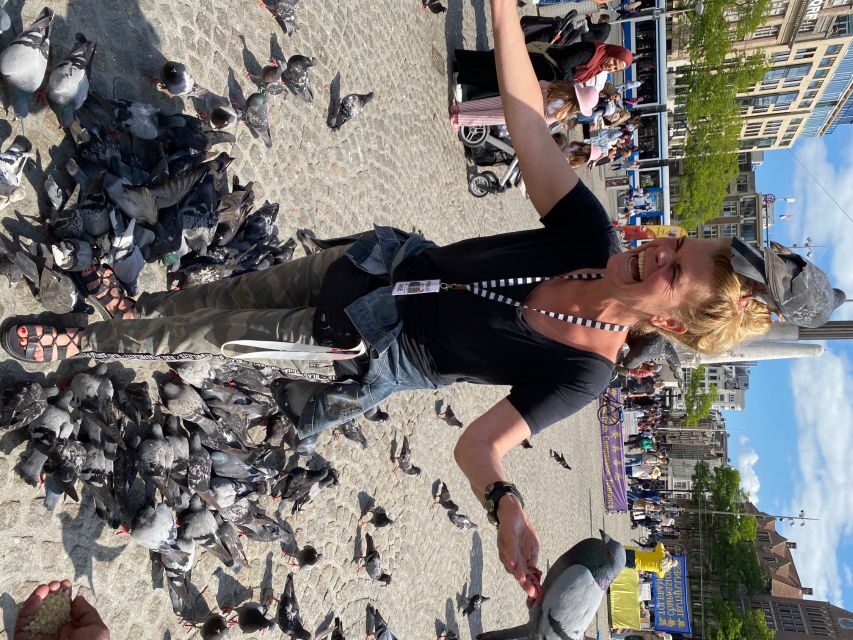
Right away, the group gets organized and you fall into a rhythm. You’ll spot the tour guide with a black-and-white striped band around their neck. From there, the walk becomes a guided “map in motion.” That matters because Amsterdam can feel like a maze—canals, bridges, and similar-looking canal houses. A guide who helps you connect the dots early saves you time later, when you’re exploring on your own.
What I like for your first days: if you take this early in your trip, you’ll leave with a mental GPS. One past guest specifically noted that doing the tour on their first day helped them navigate better afterward.
Dam Square landmarks: Royal Palace, National Monument, Nieuwe Kerk
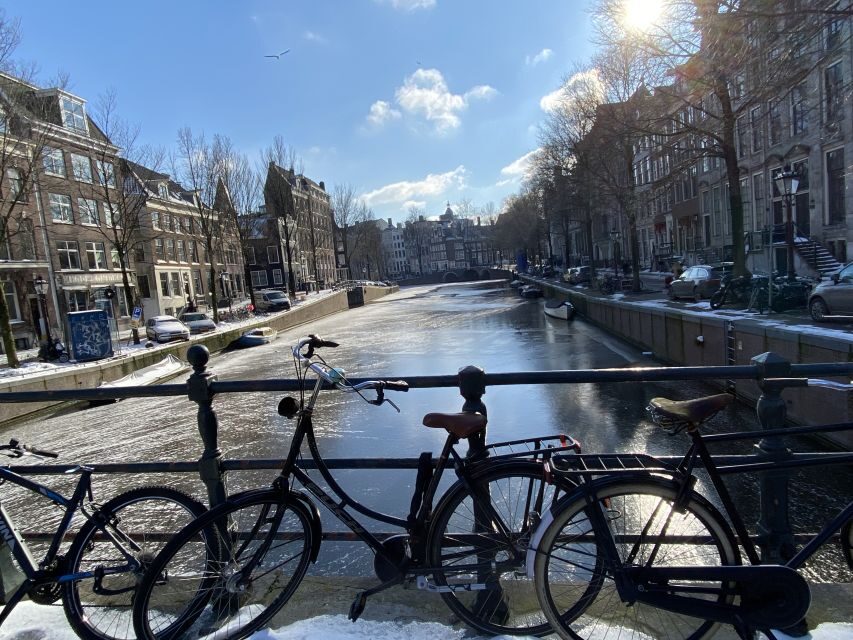
Your route naturally funnels you into Dam Square, because it’s where Amsterdam tells you what power looks like. The guide focuses on three core sights around the square:
- Royal Palace
- National Monument
- Nieuwe Kerk
If the Nieuwe Kerk is open to the public, you’ll have the chance to take a look inside. The value here isn’t just seeing the buildings; it’s learning how the city’s political and cultural identity formed around the square—and how that connects to Amsterdam’s role as a major European trading hub.
A good guide will also point out what to notice visually (shapes, materials, placement), so you don’t just walk past. This tour’s overall tone—based on past experiences shared by guests—leans toward loving and informative, not rushed.
Possible drawback: Dam Square can be busy. The tour is short enough that you won’t spend all day in the thickest crowd zones, but you should still be ready for the “classic Amsterdam” atmosphere right at the start.
Torensluis and the canal belt: the engineering story you’ll actually remember
After Dam Square, you’ll pass by Magna Plaza and continue toward Torensluis, described as Amsterdam’s former maut bridge. That’s a useful detail because it hints at Amsterdam’s old money system: trade, tolls, shipping, and how the city organized movement.
Then comes the part that makes the tour more than sightseeing: the guide explains the creation of the canal belt and how it developed. This is the moment where canals stop being pretty scenery and become an urban system. You’ll be walking through areas that help you visualize why canals mattered—transport, defense, wealth, and city planning all tied together.
And yes, you’ll also get help noticing architecture: canal houses from Amsterdam’s Golden Age period, including the kind of detailed facades people often miss when they’re just snapping photos.
Why this is good value: you’re paying for a live guide in a small group, and the canal-belt explanation is exactly the kind of information that turns “I saw canals” into “I understand what I saw.”
Western Islands and shipyard vibes: old Amsterdam meets waterfront reality
From the central canals, the route heads toward the Haarlemmer Buurt and the Western Islands. This is where the tour earns the off-the-beaten-track label. Instead of staying only in the most photographed streets, you get a change in tempo—more sense of daily life and the city’s working past.
You’ll pass areas tied to former small shipyards and the “pure life” vibe of Amsterdam. The route even notes the idea that you can swim if you want, so if you’re the type who’s curious about canal-side living, this segment hits that curiosity button. I’d treat that as a hint of what’s around the water, not a reason to ignore safety or rules—just be sensible.
Then the walk shifts again toward the Westerdoks, which are described as modern and newly designed, plus houseboats. This contrast is one of the best lessons Amsterdam can teach in a single neighborhood loop: the city doesn’t only preserve old wealth buildings; it keeps reshaping its waterfront.
What to expect walking-wise: more turns, more bridge-and-canal moments, and a noticeably different feel from the Dam Square core.
You can also read our reviews of more guided tours in Amsterdam




Brouwersgracht and Prinsengracht: warehouse conversions and canal-house details
Next you’ll move along canals toward Brouwersgracht and then out toward Prinsengracht. The tour description calls out converted warehouses along Brouwersgracht—always a good sign for a neighborhood walk. It suggests you’re not just looking at static historic facades. You’re seeing how old structures get reused.
On Prinsengracht, the emphasis becomes the outer canal feel. That matters because Amsterdam’s canal belt is not just one continuous photo line. Different stretches feel different depending on what sits along the edges—residential areas, markets, repurposed industrial spaces, and the ways people actually use their surroundings.
This segment is also where you benefit most from a guide who points out architecture details. Amsterdam’s canal houses are famous, but the “why” behind their design gets missed when you’re walking solo and speed-reading.
Jordaan and Noordermaarkt: the lively local side you’ll want to return to
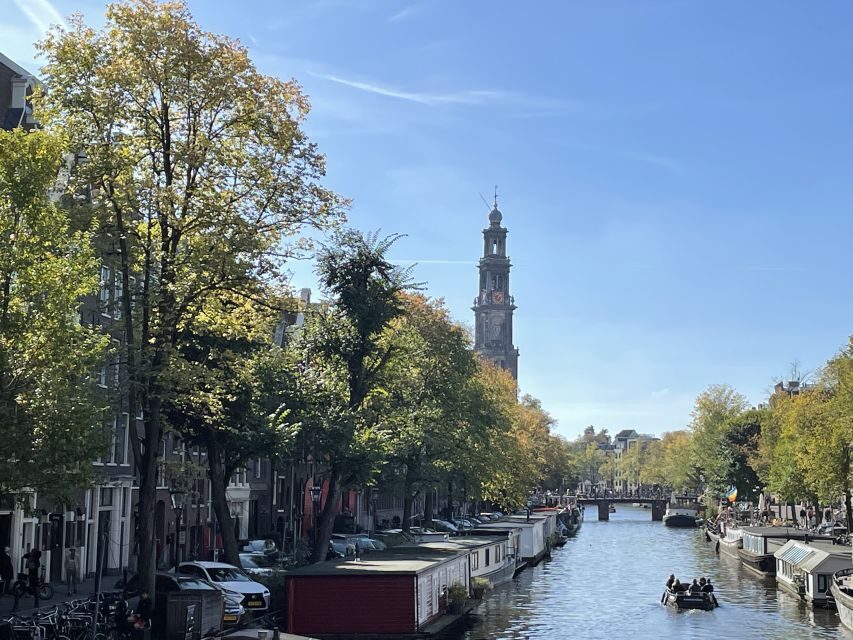
The tour then curves back toward the Jordaan, described as Amsterdam’s most lively and charming neighborhood. That’s not just marketing language. Jordaan works for a walking tour because it’s made of small streets that feel made for wandering—and because it connects history to everyday life fast.
You’ll also make a stop at Noordermaarkt. If it’s a market day, the guide helps the group stroll along diverse stalls. You might even want to taste local snacks like haring and grab a classic Dutch sweet such as appeltaart (apple pie). The tour info also mentions recommendations for dinner restaurants in the surrounding area and a focus on tasty drinks.
Two practical benefits here:
- You get a taste of what locals do with time in the neighborhood.
- You leave with a short list of places to try without having to guess.
If you’re the kind of traveler who likes to keep plans flexible, Jordaan plus Noordermaarkt works because it’s easy to branch out afterward.
Anne Frank House and Westerkerk: two landmarks with totally different emotional weights
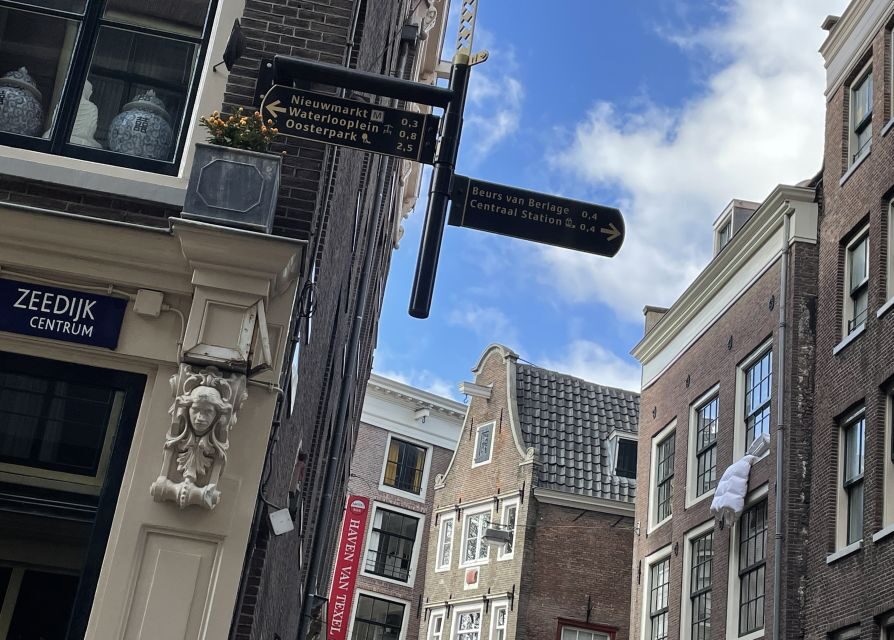
The route includes Anne Frank House and Westerkerk, including its tower. These are big names, and they can feel like checkboxes. This tour keeps them part of a wider story by pairing them with the smaller canal life around the Jordaan.
For your planning: since the tour lasts 2.5 hours, you should expect a guided look and context more than a long indoor experience. If you’ve got strong priorities for Anne Frank House (like specific entry timing), consider pairing this tour with separate planning for any ticketed entry you want.
Why Westerkerk fits the walk: towers and churches are great photo subjects, but on foot you also get a sense of how these landmarks anchor the street grid. That’s where a guide’s route planning helps—your photos look better because you understand where you’re standing.
After the walk: where to go next from Jordaan and 9 Straatjes
At the end, you may continue back toward the meeting point at Beursplein, after the Homomonument is seen (only as desired, depending on your group’s flow). Then you’re free to go exploring.
If you want to stay in the same vibe, the tour suggests wandering around the Jordaan and heading toward 9 Straatjes—the cluster of shopping streets. Even if shopping isn’t your main thing, the area is perfect for window-watching, grabbing a snack, and letting Amsterdam’s smaller streets do their charm.
Who this tour is for (and who should pick something else)
This walking tour suits you if:
- You want classic Amsterdam (Dam Square, canals) plus real neighborhood texture (Jordaan, North-side areas, Westerdoks).
- You like learning the “how the city works” angle, especially the canal belt and architecture details.
- You prefer small-group guidance so you can ask questions and not feel rushed.
- You’re taking a first or second day in Amsterdam and want a fast orientation boost.
It may be less ideal if:
- You’re hoping for a long, mostly indoor museum-style schedule. This is a walking tour with about 2.5 hours on your feet, rain or shine.
- You only want the most famous stop-and-go highlights with minimal neighborhoods. This route intentionally mixes well-known landmarks with areas that feel quieter and more local.
Does $46 buy real value in 2.5 hours?
At $46 per person, you’re not paying for a huge itinerary. You’re paying for three things that matter in Amsterdam:
- A live guide who explains context (especially canals and architecture).
- A small group (limited to 6), which keeps the experience personal.
- Route design that mixes famous landmarks with less touristy sections like Westerdoks and the Western Islands.
The reviews point to the quality of the human part: guests praised guides like Anna, Natascha, and Fred for being friendly and for sharing more than standard sightseeing info. That’s the kind of value you feel immediately while walking—when you know what you’re looking at, you enjoy the city more, and you spend less time later “trying to figure it out.”
Quick practical advice before you book
- Wear comfortable shoes. You’ll be walking canal districts, and 2.5 hours adds up faster than you think.
- Bring water and consider sunscreen even in cooler months—Amsterdam sun sneaks up on you.
- Pack for rain or shine. The tour runs in all weather, so a light rain layer helps.
- Avoid alcohol and drugs during the tour; intoxication is listed as not allowed.
- The tour guide is German. If you don’t speak German, check if there’s a language fit that works for you.
Should you book this Amsterdam walking tour?
If you want a guided walk that gives you both the headline sights and the city’s quieter texture, I’d say yes. The route is built for learning on foot: Dam Square gives you the center story, Torensluis and the canal belt give you the city-making logic, and Jordaan plus Noordermaarkt give you a real sense of daily Amsterdam.
Book it especially if you value small-group interaction and you like guides who explain things clearly. And if you’re an architecture-and-canals person, you’ll likely feel like you got your money’s worth fast—because the tour focuses on what you can see and understand as you walk.
FAQ
How long is the Amsterdam off-the-beaten-track walking tour?
The tour lasts about 2.5 hours.
How much does the tour cost?
The price is $46 per person.
Where do I meet the guide?
Meet at Beursplein / Damrak, about 350 meters from Amsterdam Centeral Station. The guide wears a black-and-white striped band around their neck.
What language is the tour guide speaking?
The live tour guide language is German.
How big is the group?
It’s a small group, limited to 6 participants.
Is the tour wheelchair accessible?
Yes, the tour is listed as wheelchair accessible.
Does the tour run in bad weather?
Yes, the tour takes place rain or shine.