REVIEW · AMSTERDAM
Private Walking Tour of Amsterdam
Book on Viator →Operated by The Forbidden Tour · Bookable on Viator
Amsterdam hits different on foot.
This private walking tour keeps you at street level pace, so you can actually notice how neighborhoods work, not just snap photos of famous spots. I love that the route blends places you’ve heard of with smaller, story-driven stops—so the city feels like a place with rules, jobs, beliefs, and everyday life. You also get personal attention from your guide, which makes it easier to ask questions and adjust the walk to what you care about.
Two things I really like: the guide brings culture-and-architecture details that turn busy corners into clear stories, and the tour is flexible enough for you to lean more historic, more art-focused, or more neighborhood-focused as you go. The private format also means the pace stays comfortable instead of getting swept along with the crowd. One small drawback: with a 2-hour timeline, you won’t be able to linger everywhere—so if you like slow wandering and long stops, you’ll want to pair this with time on your own right after.
In This Review
- Key things to know before you go
- St. Nicholas Basilica to a clean, central start
- De Wallen at walking speed: context beyond the headlines
- Waag and the quiet layers of a historic square
- Dam Square: Amsterdam’s beating heart and how to read it
- Amsterdam Centraal: a station as a statement
- Rembrandt’s footsteps: past homes, lived-in streets, and real connections
- A clubbing heart, statues, and occasional art-market color
- Old city gate lesson: why locals rename landmarks
- Passing the Anne Frank area, then heading toward the Jordaan
- Westerkerk and the view from Amsterdam’s highest church tower
- WWII remembrance on the east side: a serious tone shift
- The hidden courtyard where women lived: hofje-style Amsterdam
- Price and value: what you’re really paying for
- Who this tour suits best
- Should you book this private walking tour of Amsterdam?
- FAQ
- How long is the Private Walking Tour of Amsterdam?
- How much does the tour cost?
- Where does the tour start?
- Does the tour include hotel pickup?
- Is this tour private?
- What language is the tour offered in?
- Is there a mobile ticket?
- What’s included in the price?
- Is the tour suitable for people with limited mobility?
- What is the cancellation policy?
Key things to know before you go
- Private, just your group: You get real back-and-forth with a licensed English guide.
- Start at St. Nicholas Basilica: Easy landmark to meet, and it’s a good base for central-area walking.
- De Wallen plus real context: You’ll look beyond the obvious windows and into how the area is understood locally.
- Rembrandt threads through the walk: His living and working sites show up, along with a church connection and art link.
- WWII memory and inner courtyards: Expect an emotional shift and then a calmer, more intimate courtyard moment.
St. Nicholas Basilica to a clean, central start
You meet at Basilica of Saint Nicholas on Prins Hendrikkade. It’s a solid meetup spot: you can orient yourself fast, and it keeps the tour in Amsterdam’s central zone without complicated transfers.
If you booked pickup, you’ll either be met in the lobby of your inner-city hotel or, if your hotel isn’t in the city centre, you’ll meet the guide in front of the St. Nicolaas Basilica area. Either way, the goal is simple: you should start walking soon after you find the guide.
This is a private tour, so the vibe is calmer than most big-group walks. Your guide can also pace you for the day—Amsterdam sidewalks can be crowded, but you’re not stuck in a fixed group tempo.
You can also read our reviews of more walking tours in Amsterdam



De Wallen at walking speed: context beyond the headlines
The first big neighborhood stop is Amsterdam’s De Wallen—the area locals call it that way, and the guide treats it like a real district, not a cartoon. Yes, you’ll pass the famous windows. But what makes this stop work is the extra layer: street-level explanation of how the district developed, how people talk about it, and what else is there besides the obvious.
If you’ve ever seen De Wallen from the curb and felt like you were missing the point, this is where the tour fixes that. You’re not just looking; you’re learning how locals frame the area. That turns the shock factor down a notch and the understanding factor up.
A practical note: this part of the walk can feel intense, especially late in the day. Keep your questions ready, stay respectful, and remember that the goal is context, not gawking.
Waag and the quiet layers of a historic square
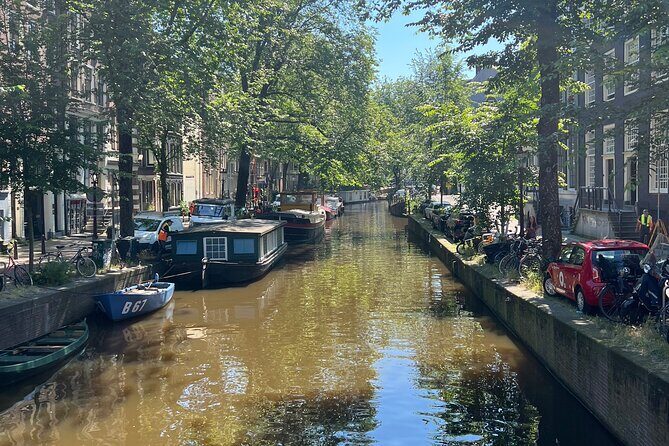
Next you move to a historic square area tied to the Waag, a building with a story that includes something “hidden” in the attic (at least, that’s the kind of detail your guide will point you toward). The stop is brief but purposeful: you get a snapshot of Amsterdam’s commercial past and the kind of civic building that helped the city function.
This is the kind of moment that makes you appreciate the architecture more. Instead of just seeing a pretty facade, you understand what the building was used for and why it mattered. If you like city history that connects to daily life—who worked where, what buildings did, why certain structures exist—this stop lands well.
The only caution here is timing. Squares can get busy, and the guide needs a window to explain. If you’re the type who hates standing still while someone talks, bring a patient mindset for two or three of these short pauses.
Dam Square: Amsterdam’s beating heart and how to read it
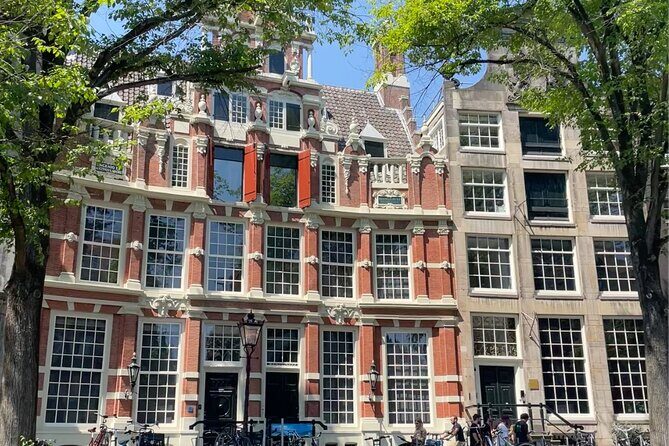
Then comes Dam Square, which the guide frames as the city’s beating heart. In a couple of hours, you won’t have time to study every facade, but you will learn how the pieces connect: the royal palace area, the New Church, the war monument presence, and the way the square works as a civic stage.
What I like about covering Dam early in the walk is that it gives you a mental map for later. Once you understand what the square represents—power, public life, and memory—you start noticing how Amsterdam places meaning into physical space.
You’ll also get guidance on how to look at the monuments without treating them like museum objects. The guide’s job here is to explain what you’re seeing and why it became important enough to build on.
Amsterdam Centraal: a station as a statement
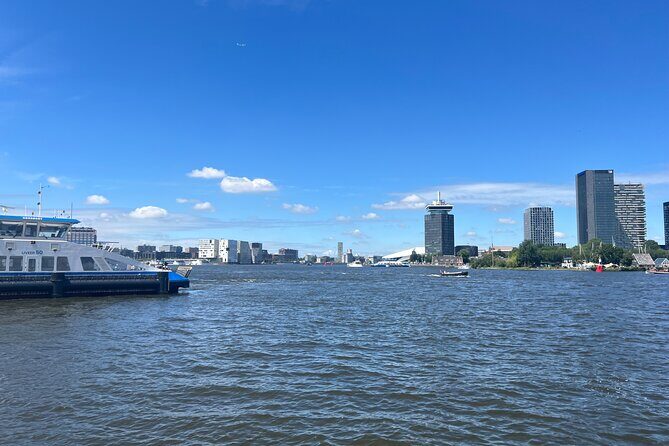
You’ll head to a landmark building tied to being one of the Netherlands’ first major “pretty” train stations—Amsterdam Centraal. Even if you don’t plan to take a train during your trip, this stop matters because stations are where countries show off.
Your guide points out what the station does symbolically: it’s not just a transit hub. It’s a gateway building. You’ll also get a sense of how the rail network opens up day trips and international access—your guide makes the connection that from here you can travel around the country and even reach cities like Paris and London.
This is a great stop if you like practical travel framing. You walk away not only thinking about architecture, but also thinking about where your next train could go.
You can also read our reviews of more private tours in Amsterdam






Rembrandt’s footsteps: past homes, lived-in streets, and real connections
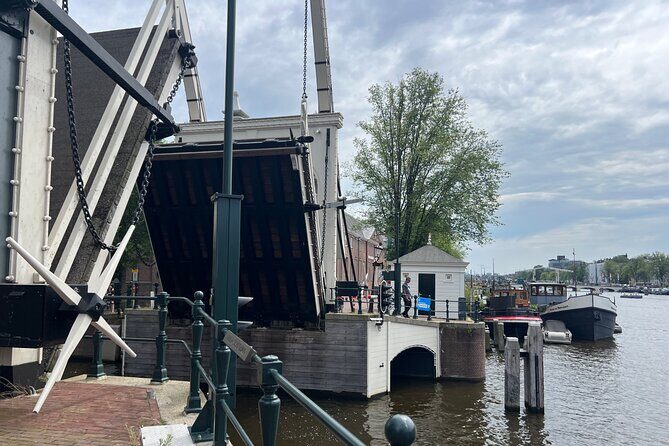
Next the tour follows the trail tied to Rembrandt, walking past meaningful buildings related to where he lived and worked. This isn’t “name-dropping.” The value is that you see how an artist’s day-to-day life can be traced through urban geography.
As you move, you’re guided to pay attention to small clues: street orientation, proximity to certain civic structures, and how Amsterdam’s layout connects work and public life. It’s the kind of storytelling that makes you want to look up sketches and paintings later, because you start picturing the scenes with more accuracy.
A standout moment is the church stop that connects Rembrandt’s life with an art link: the stop is described as a famous church that played a big role in him, and also noted for being painted by Monet. Even without memorizing every art detail, the point is clear: Amsterdam isn’t just where Rembrandt worked; it also became part of later artists’ visual world.
If you’re an art fan, you’ll probably want to linger afterward on your own and check nearby spots you passed.
A clubbing heart, statues, and occasional art-market color
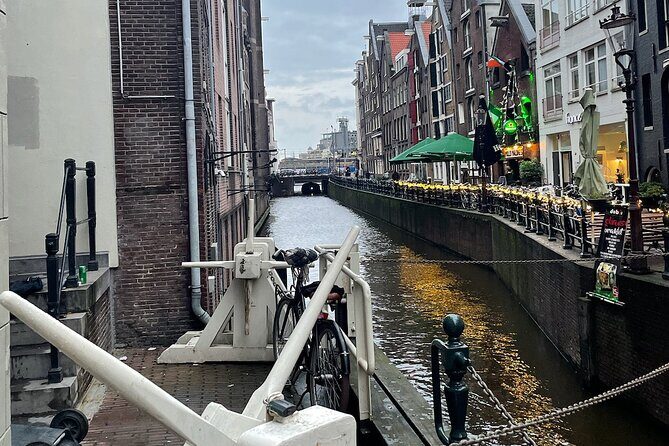
From there, the route moves toward the heart of Amsterdam nightlife—an area known for clubbing, plus statues, local history, and sometimes a little art market. This is an important balance move in the tour. After darker and heavier stops, you get a different kind of atmosphere.
Even if clubbing isn’t your thing, this stop helps you understand the city as a living place where people gather for music, performance, and nightlife culture. And those small extras—statues, history, occasional stalls—are how you learn the difference between a place that looks famous and a place that actually feels lived-in.
The drawback for some people: nightlife areas can be loud or distracting. If you want serious quiet learning time, keep your expectations flexible here. The guide will work around it, but the location has its own energy.
Old city gate lesson: why locals rename landmarks
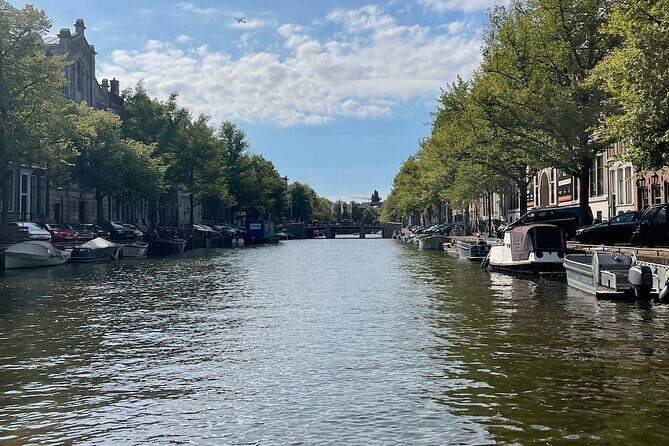
Then you reach an old city gate stop, where the guide explains why Amsterdammers don’t use its original name. This is one of my favorite types of city-walk moments: language. Local nicknames and how people shorten or alter official names tell you how residents truly relate to the city.
It’s not just trivia. If you learn the local naming pattern, you’ll navigate better later and you’ll understand signs and conversations with more confidence. It’s also a reminder that cities evolve in speech as much as in buildings.
You’ll get a clear explanation, and you’ll probably notice how often “official” names get replaced in everyday talk.
Passing the Anne Frank area, then heading toward the Jordaan
As you move on, you pass the Anne Frank House area on your way toward the Jordaan district. Your guide frames it as part of the walking logic of Amsterdam: you don’t just point at a site and move on. You connect what’s around it, and how you’ll experience the neighborhood next.
The Jordaan direction is a nice shift. Instead of a single landmark dominating your day, you start getting that “walking neighborhood” feeling—tight streets, local-scale details, and a sense of Amsterdam as a place of ordinary life.
If you’re trying to build a layered first impression of the city, this is a smart pivot point.
Westerkerk and the view from Amsterdam’s highest church tower
Next comes the highest church tower in Amsterdam, tied to a famous final resting place—the guide’s focus here connects you to the person buried there and why the tower matters in the city skyline.
Even if you’re not planning to climb anything, this stop is about orientation. You see the tower in context and understand how it shaped the city’s visual identity. It also reinforces the Rembrandt thread, since the final resting place connection is part of the story the guide wants you to leave with.
If you enjoy skyline moments and “why this building matters” explanations, this is a strong segment.
WWII remembrance on the east side: a serious tone shift
The tour then moves to an impressive WWII monument on the east side of town. This part changes the mood. The guide uses the walk to remind you that Amsterdam’s story includes suffering, resistance, and aftermath—not just art and canals.
This is one of those stops where the guide’s tone matters. Done well, it doesn’t feel like a lecture. It feels like the city asking you to remember, and then walk on with that knowledge in your head.
If you’re sensitive to heavy topics, you’ll still be glad the tour includes it, because the city makes more sense when you understand the memory side of it too.
The hidden courtyard where women lived: hofje-style Amsterdam
Finally, you reach a hidden courtyard in the center of town. The guide explains why only women lived in most of these courtyards in Amsterdam.
This stop is quieter, more intimate, and it gives your brain a break from the street intensity. Courtyards like this are where Amsterdam can feel surprisingly personal. The architectural scale becomes smaller. The details feel human.
It also adds a social-history layer to the city that you don’t always get from the big-name sights. Instead of only focusing on famous men and famous eras, you see how the city organized care and community in a very specific way.
When the tour ends back at the meeting point, you’ll probably realize you’ve seen Amsterdam in three different modes: public monuments, lived neighborhoods, and private spaces.
Price and value: what you’re really paying for
At $198.26 per person for about 2 hours, this is not a budget “grab-and-go” option. But it’s also not priced like a full-day private driver with museum tickets. The value comes from three things that matter in a walking tour:
- Private attention: You’re not stuck with a fixed pace or a strict “look and move” script.
- A licensed guide: You get organized storytelling tied to specific places you pass, including De Wallen context and Rembrandt connections.
- High hit-rate in a short window: You cover many major landmarks plus smaller story stops, so you get traction quickly on a first trip.
If you’re traveling with a partner or small group and you want clarity fast, this can feel like a good buy. If you’re solo and you prefer to wander without guidance, you might feel the price more.
The sweet spot is: you want structure, you like facts with meaning, and you’re okay with short stops that move you along.
Who this tour suits best
This private walk fits best if you want a guided city introduction that doesn’t skip the hard bits. It also works well if you care about architecture and how stories connect across neighborhoods—De Wallen, Dam Square, Rembrandt sites, WWII memory, and a courtyard social-history moment.
It may be less ideal if you hate walking or need constant rest breaks. The tour asks for moderate physical fitness, and it’s still a walking route through central Amsterdam.
On the guide front, the tour is led by licensed guides from The Forbidden Tour. Past guide experiences for this kind of tour have included names like Julia and Folkert, both praised for being engaging and easygoing while still covering lots of cultural and architectural detail.
Should you book this private walking tour of Amsterdam?
Yes—if you want a 2-hour, private, English walk that gives you context for both the famous and the easily misunderstood parts of Amsterdam. The best reason to book is simple: this route is built to help you read the city, not just see it.
Consider skipping (or pairing it with extra self-walking time) if you tend to hate short explanations and prefer long lingering in one place. With a tight timeline, you’ll move on quickly even when something is interesting.
If you’re aiming for a strong first-orientation day and you want a guide who can connect De Wallen, Dam Square, Rembrandt, Anne Frank’s area, and WWII memory into one coherent walk, this is a smart pick.
FAQ
How long is the Private Walking Tour of Amsterdam?
It lasts about 2 hours.
How much does the tour cost?
The price is $198.26 per person.
Where does the tour start?
The tour starts at Basilica of Saint Nicholas, Prins Hendrikkade 73, 1012 AE Amsterdam.
Does the tour include hotel pickup?
Pickup is offered. You’ll meet the guide in your hotel lobby if your hotel is in the city centre. If it’s not, you meet in front of the St. Nicolaas Basilica.
Is this tour private?
Yes. It’s a private tour, and only your group participates.
What language is the tour offered in?
The tour is offered in English.
Is there a mobile ticket?
Yes, a mobile ticket is included.
What’s included in the price?
A licensed tour guide is included.
Is the tour suitable for people with limited mobility?
The tour is listed for travelers with moderate physical fitness, and it’s near public transportation. Service animals are allowed.
What is the cancellation policy?
Free cancellation is available. You can cancel up to 24 hours in advance of the experience start time for a full refund. If you cancel less than 24 hours before the start time, the amount paid is not refunded.