REVIEW · AMSTERDAM
Amsterdam: Private World War Two History Walking Tour
Book on GetYourGuide →Operated by Slagveldreizen.nl · Bookable on GetYourGuide
WWII Amsterdam hits different up close. This private, 3-hour walking tour tracks the Nazi occupation through street-level sites and monuments, with stories grounded in what happened here between 1940 and 1945. I especially like the small group size (up to 4) and the way the guides keep it personal, with no audio device and lots of questions allowed.
Two highlights I really value are the focus on the shooting incident on Dam Square (May 7, 1945) and the way the deportation story is shown through a single Amsterdam street, with names and photos in a small keepsake book. One possible drawback to consider: this is emotionally heavy subject matter, and the tour does not include visits to some major museums you might be hoping for, like the Anne Frank House.
In This Review
- Key things that make this tour work well
- WWII Amsterdam told from the sidewalks
- Meeting on Prinsengracht, then walking at your speed
- Wehrmacht entry: the welcome that later feels unbearable
- Dam Square on May 7, 1945: what happened in the square
- The winter of hunger and the reality of survival
- Jewish victims, told with names: one Amsterdam street at a time
- A guide’s job here is meaning, not just facts
- Auschwitz remembrance in the street: the violin player statue
- What this tour does not include (and how to plan around that)
- Coffee stop and keeping your stamina (without turning it into a cafe tour)
- Value: $188 per group for a guide story you can actually control
- Who should book this Amsterdam WWII history walk
- Should you book this Amsterdam WWII walk?
- FAQ
- How long is the Amsterdam WWII walking tour?
- How big is the group?
- Where does the tour start?
- Is the tour in English?
- Do you use an audio system?
- Which museums or sites are not included?
- What is included in the tour price?
- Is there a break during the walk?
- Is the tour wheelchair accessible?
- What should I bring?
Key things that make this tour work well
- Private pace, no headset: you walk at your speed and can ask questions anytime
- Retired historians guide the story: three guides with a serious focus on German occupation history
- Real locations, not just theories: from Wehrmacht arrival points to the Dam Square incident
- A street-by-street human story: Jewish residents from one Amsterdam street documented with names and photos
- Remembrance made visible: including a statue connected to an Auschwitz violin player
- Mid-walk break: a short coffee and/or restroom stop halfway through
WWII Amsterdam told from the sidewalks
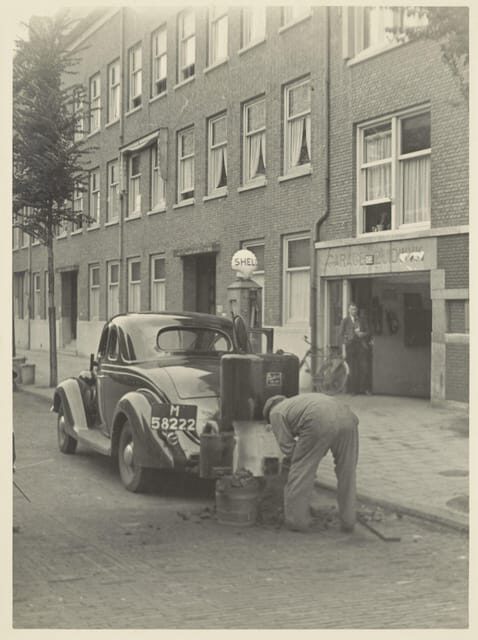
This tour is for people who want more than a quick “what happened here” version. You’ll be walking through central Amsterdam where the occupation left marks in buildings, squares, and memorials—and you’ll get the context for why those places matter. The point isn’t to shock you. It’s to help you understand the sequence of occupation, resistance, persecution, and the city’s end-of-war trauma.
What makes it feel different is how the guides connect events you’ve heard about to the exact street scene you’re standing in. You don’t just read dates. You see the kind of space where an army entered, where people gathered, and where later the consequences would be felt.
It also helps that this is not a huge group tour. With a maximum of 4 people, you’re not just another voice in a crowd. You can ask, clarify, and follow the thread without losing it.
You can also read our reviews of more walking tours in Amsterdam


Meeting on Prinsengracht, then walking at your speed
You meet at 9:30 A.M. in front of the old Anne Frank House on Prinsengracht 263. The meeting point is easy to spot: there’s a plate at the location, and if you can touch the number plate 263, you’re in the right spot. Your guide carries a big notebook, which is a small but practical sign you’re in the correct group.
If you like a tour that doesn’t rush you, this one is set up for that. You walk at a pace of your choosing, and the guides do not use an audio system. That choice matters. Without headsets, the conversation stays more natural and the group can pause when a question needs time.
This is also a smart pick if you’re traveling with mobility needs. The tour is wheelchair accessible. If you’re using a wheelchair, you should email in advance so the coffee stop and route can be handled appropriately.
Wehrmacht entry: the welcome that later feels unbearable
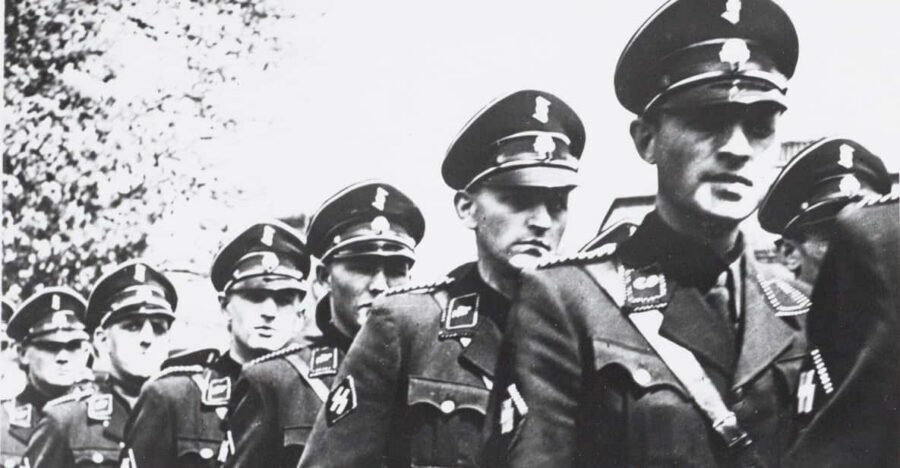
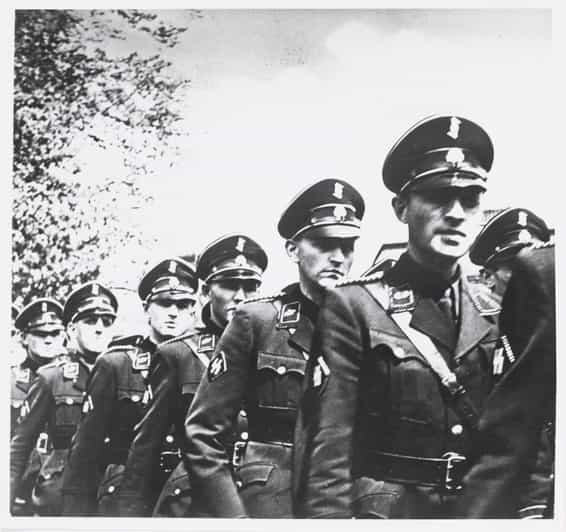
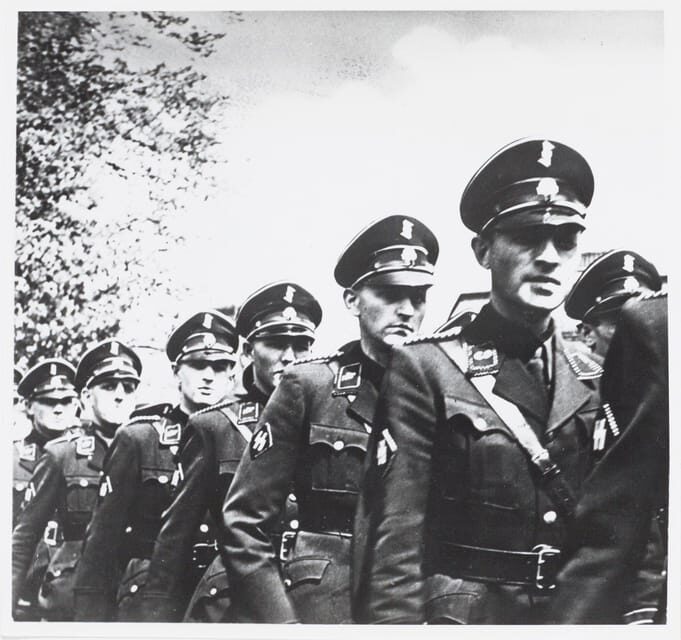
One of the tour’s strongest early beats is the story around the entry of the German army, the Wehrmacht. You’ll see locations tied to that arrival and you’ll also see photos that help you visualize what day-to-day life looked like at the moment power changed hands.
This is where the tour’s tone becomes very clear: you’re being asked to observe, not just memorize. The guide doesn’t treat it like an abstract “they invaded.” Instead, you connect it to specific spots in the city.
A particularly chilling moment is tied to a former town hall building now known as the Grand Hotel. The guides show how the German army was welcomed there—and how the mood later shifted when Canadian forces arrived and people cheered. Standing in that kind of place, you start to understand how fast public emotions can turn, and how complicated survival and public behavior can become under occupation.
Dam Square on May 7, 1945: what happened in the square
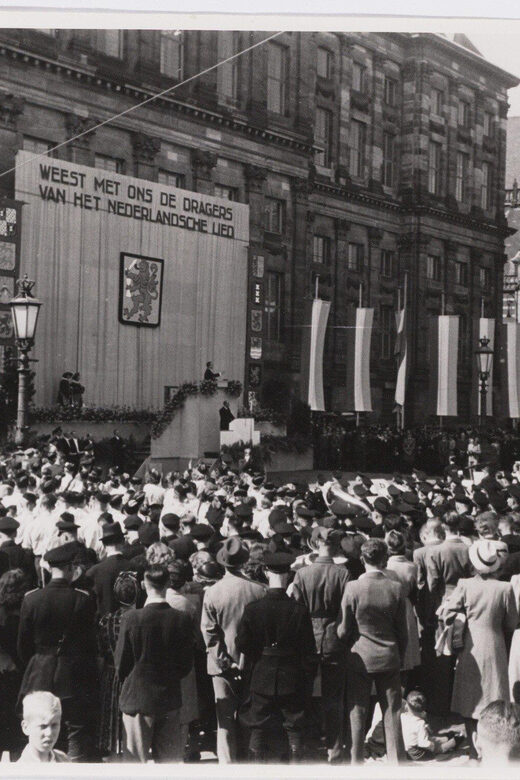
The tour pays careful attention to the shooting incident on Dam Square on May 7, 1945. Even if you’ve read a bit about the end of the war in Europe, it’s worth seeing how this date plays out in local memory.
Dam Square is the kind of location people associate with modern Amsterdam—tourists, shopping, photos. Here, you’ll learn that the square also carried fear and uncertainty right around liberation. The guides use the setting to explain the incident’s background, so you get more than a headline.
Practical note: Dam Square is busy, and weather can affect comfort. Bring an umbrella since it’s part of the recommended packing list, especially if you’re traveling during the changeable seasons.
The winter of hunger and the reality of survival
Another key stop focuses on the winter of hunger. This is where the tour helps you picture occupation beyond battles and speeches.
You’ll hear about food dropping during that brutal season. The guides use these moments to show how survival worked in the city—how people looked for any chance to eat, and how hunger shaped daily life. You won’t get a neat story. You’ll get something closer to how it actually felt: limited options, constant pressure, and the slow drain of endurance.
This part is valuable because it keeps the tour balanced. It’s not only about arrests and deportations. It’s also about the slow violence of starvation and the desperate improvisations people had to make.
You can also read our reviews of more private tours in Amsterdam



Jewish victims, told with names: one Amsterdam street at a time
This is the emotional core of the tour. You’ll discuss the deportations of the Jewish population and their fate in extermination camps, including Auschwitz and Sobibor. The guides talk through what happened and why the city’s Jewish community was targeted, with careful attention to the logic of persecution.
Then comes a detail that makes the story hit harder in a grounded way: you’ll be shown all the Jewish victims from one specific Amsterdam street. The guides have created a small book for you with photos and names. You can keep it after the walk.
That choice to focus on one street matters for two reasons. First, it fights the numbness that can come from thinking about the Holocaust only as large numbers. Second, it helps you remember that deportations didn’t come from nowhere. They came through real neighbors, real addresses, real lives.
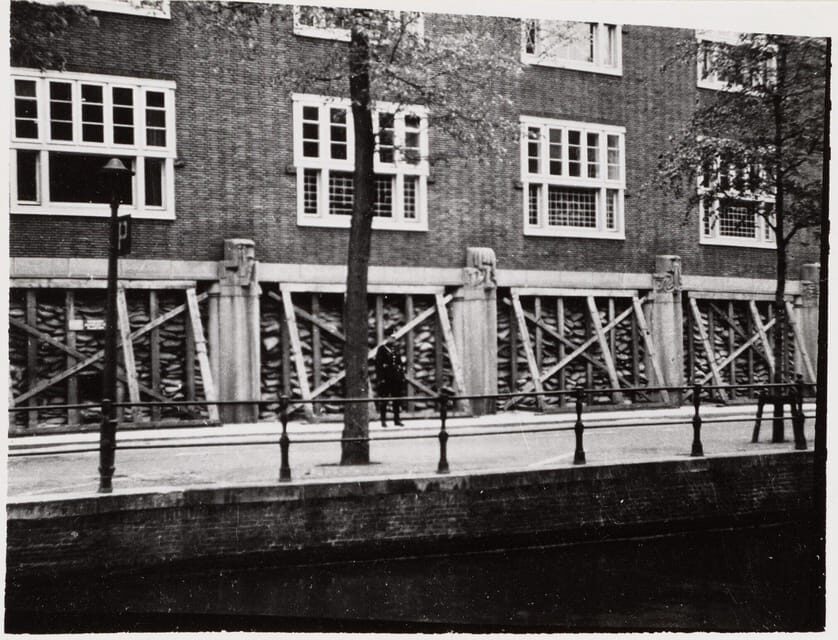
You’ll also see photos preserved by Dutch resistance fighters from the same general locations. The tour connects those images to the on-the-ground story and explains background so you understand what you’re seeing, not just that it exists.
A guide’s job here is meaning, not just facts
The tour is led by three retired historians. That setup changes the feel. You can ask questions and you’re likely to get answers that carry context, not just a quick fact. Two reviews specifically call out guides who were highly effective and story-driven, including Peter (and Peter Schaapman in one of the notes).
You’ll also get printed information during the tour that you can take with you. That’s more useful than it sounds. When you’re dealing with heavy material, it helps to have something you can look back at later.
Also, because the tour doesn’t use an audio system, the pace becomes part of the learning. If something needs a pause—someone needs clarification, or you want time to absorb a photo—the guide can slow down with you.
Auschwitz remembrance in the street: the violin player statue
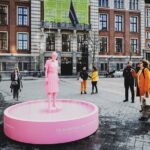
The tour includes a statue of a famous violin player connected to Auschwitz. That may sound like a small stop, but it’s one of those details that can stay with you.
Why? Because a statue is a way a city decides what it wants people to notice. Here, the message isn’t only about horror. It’s also about cultural loss, individual identity, and how memory gets carried into the present through public art.
You’ll see it as part of the broader deportation narrative, not as a separate “spot.” The guide’s job is to connect it to the same human thread you’ve already followed: persecution, deportation, and the aftermath that survivors and communities had to carry.
What this tour does not include (and how to plan around that)
It’s important to set expectations. This tour does not visit the Anne Frank House, the Resistance Museum, or the Hollandsche Schouwburg (the deportation center). Tickets for those museums are not included either, and drinks are not included.
This doesn’t mean the tour is incomplete. It means it’s focused differently. Instead of spending time inside museums, it keeps you outdoors with the goal of linking key occupation stories to the exact places you’re standing.
If you’re planning your trip and you were hoping for museum time, you can still do this walk and then add a museum visit on another day. But if you’re expecting a full museum circuit, this walk won’t replace that.
Coffee stop and keeping your stamina (without turning it into a cafe tour)
About halfway through the walk, you’ll get a short break for coffee and/or a restroom visit. You can also grab something to eat during that coffee stop, like a late breakfast.
One detail to note for budgeting: refreshments during the coffee stop are not included. The tour itself stays tightly timed, but it may extend a bit, so it’s smart not to schedule your next appointment too aggressively.
Value: $188 per group for a guide story you can actually control
The price is $188 per group for up to 4 people, for about 3 hours. In practical terms, that can be a strong value if you’re traveling with others who care about history and don’t want to split attention with a crowd.
When you compare private guiding to ticketed museum time and transit costs, you’re paying for two things: interpretation and access to questions. The group limit is real, and the no-audio approach supports conversation, not just lectures.
If you’re traveling solo, it can still be worth it if you really want a structured story with personal pacing. But if you’re aiming for the lowest cost possible, a small guided group tour elsewhere might be cheaper.
For the right traveler, though, this is a clear “pay for meaning” purchase. You’re buying a guided chain of locations that helps you understand the occupation as lived experience.
Who should book this Amsterdam WWII history walk
This tour fits best if you:
- want to see Amsterdam’s WWII story through real locations, not only exhibits
- prefer small-group attention and direct Q&A
- care about the occupation period from 1940 to 1945, including resistance and persecution
- want a tour that includes both major events and survival details like the winter of hunger
It’s also a good choice for people who have already done a quick overview of Amsterdam history and want something darker, more specific, and more local.
And it’s not a great fit if you:
- are mainly looking for museum ticket time
- want a lighter, family-friendly outing
- need a tour that avoids emotional topics
Should you book this Amsterdam WWII walk?
I’d book it if you’re the kind of traveler who likes to connect the dots between what you see on a street and what the city endured there. The combination of three retired historians, a max group of 4, and the keepsake book with names and photos from one Amsterdam street makes this more than a route. It becomes a story you can revisit later.
I’d skip it only if you specifically need Anne Frank House or the deportation center as part of your day, or if you’re not ready for Holocaust and persecution content delivered through on-location context.
If you do book it, bring an umbrella, wear comfortable shoes for walking, and plan one extra hour around your day. The tour may run a bit longer, and the subject matter deserves time.
FAQ
How long is the Amsterdam WWII walking tour?
The duration is about 3 hours, with the possibility it runs a bit longer.
How big is the group?
Your group will never be more than 4 people, with personal attention and time for questions.
Where does the tour start?
It starts at 9:30 A.M. in front of the old Anne Frank House on Prinsengracht 263, with your guide holding a big notebook.
Is the tour in English?
Yes, the live guide provides the tour in English.
Do you use an audio system?
No. The tour does not use an audio system, since it prefers a personal approach.
Which museums or sites are not included?
The tour does not visit the Anne Frank House, the Resistance Museum, or the Hollandsche Schouwburg (the deportation center).
What is included in the tour price?
Group size (max 4) and the guided experience are included, along with printed information you can keep. Refreshments are not included.
Is there a break during the walk?
Yes. There is a short coffee and/or restroom break about halfway through.
Is the tour wheelchair accessible?
Yes, the tour is wheelchair accessible. If you use a wheelchair, you should email in advance so the coffee stop and route can be planned.
What should I bring?
An umbrella is recommended.