REVIEW · AMSTERDAM
Financial History Tour
Book on Viator →Operated by Historical Amsterdam Tours · Bookable on Viator
Money and streets have a way of connecting here.
This tour turns Amsterdam into a living classroom of finance, from the Dam area to the buildings where wealth, credit, and speculation took shape. I like how it pairs big ideas with concrete places, so you’re not just hearing dates. I also like the photo-ready city angles and the flexible pace of a private group, which makes it feel more like a walk with a sharp local than a rushed checklist.
The one thing to weigh is that you do need a moderate fitness level for a 2.5-hour walk through central Amsterdam. Also, it’s designed as a private experience for your group size, so the value depends on whether you can fill your group slots.
In This Review
- Key highlights worth your time
- Amsterdam’s money story starts at Beurs van Berlage
- Stadsarchief Amsterdam: the 1920s bank building + archives payoff
- Why the Dam area matters more than you think
- Merchants, credit, and the mechanics of getting rich
- Tulip Mania and the Amsterdam floating flower market
- Private tour flexibility: why 2.5 hours feels like the right length
- Photo stops and local hints you can actually use
- Price and value: what $390.50 per group really means
- Who this tour suits best (and who might want another plan)
- Should you book the Financial History Tour?
- FAQ
- How long is the Financial History Tour?
- What does the tour cost?
- Is this tour private?
- Is the tour offered in English?
- Where does the tour start and end?
- What are the main stops during the tour?
- Can I get a full refund if I cancel?
Key highlights worth your time
- Beurs van Berlage as a starting point: a free-admission exchange building tied to Amsterdam’s financial engine
- Stadsarchief Amsterdam basement archives: a 1920s bank-building setting with archives you can actually see
- Tulip Mania explained through place: the first economic bubble story linked to the Amsterdam floating flower market
- Private tour flexibility: only your group, with room for questions and slower photo stops
- Stops are short, time is used well: about 10 minutes at each main location, plus walking-and-story time
- English-speaking guide experience: clear storytelling with local hints, including guide Tijs de Boer’s style of insights
Amsterdam’s money story starts at Beurs van Berlage
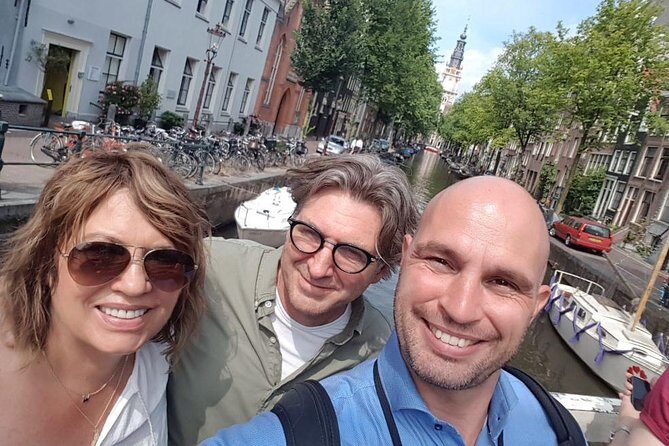
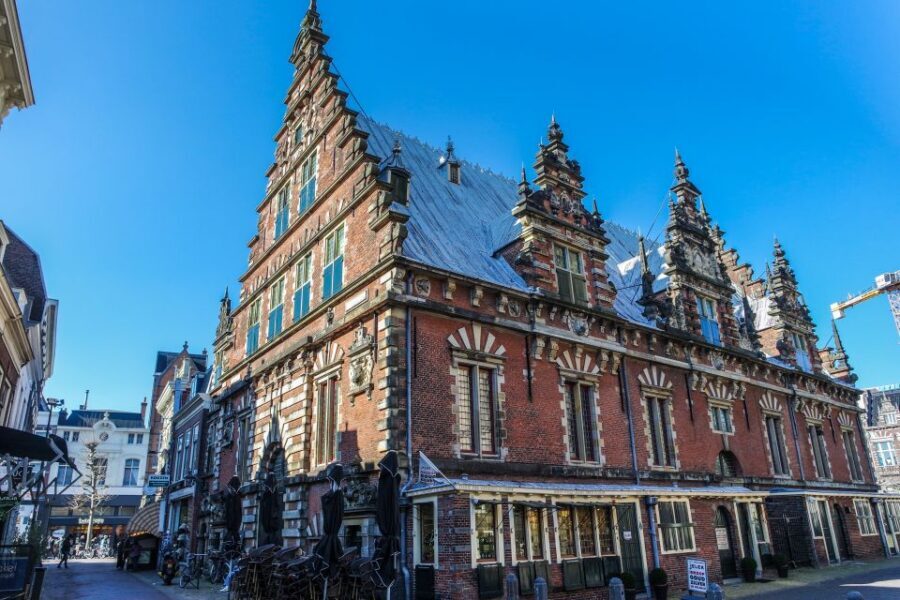
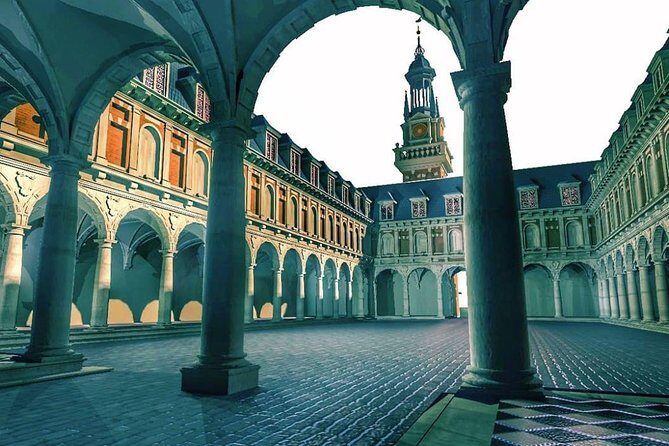
Your tour begins at Bistro Berlage, Beursplein 1, right in the Dam-side orbit of Amsterdam. It’s a smart opener because you’re starting at a real exchange landmark, not an abstract lecture corner. This is one of those places where the building itself signals power and planning.
Beurs van Berlage is listed as a free stop, and that matters more than it sounds. When admission is free, you spend your time understanding the ideas behind the architecture, instead of trying to track ticket costs in the moment. Expect your guide to frame Amsterdam as a city that built systems for trade and finance, then used those systems to shape culture and everyday life.
What I like about starting here is the way it sets the theme: money isn’t treated as a villain or a hero. It’s treated as a force that moved people—merchants, bankers, investors—and that movement left physical traces across the city.
You can also read our reviews of more historical tours in Amsterdam


Stadsarchief Amsterdam: the 1920s bank building + archives payoff
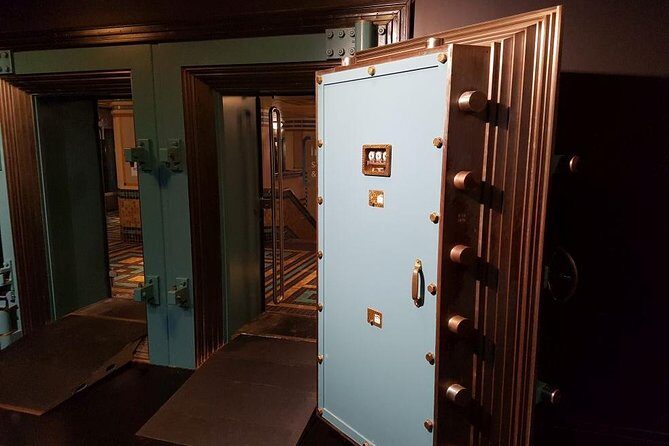
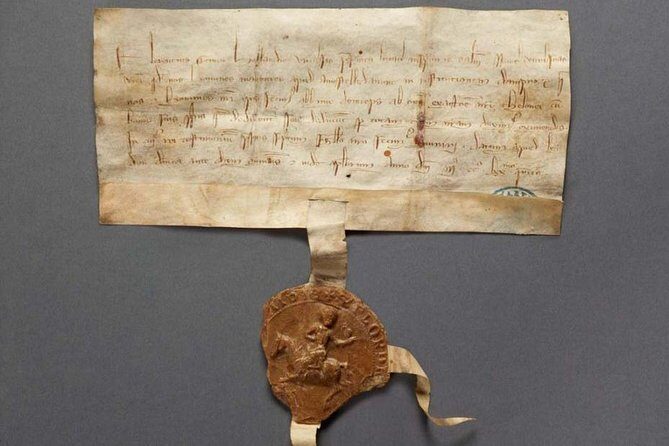
The second key stop is Stadsarchief Amsterdam, where the experience shifts from exchange buildings to record-keeping. This is the part of the tour that feels practical: archives explain how decisions get documented, repeated, audited, and remembered—or forgotten.
You’ll spend about 10 minutes at Stadsarchief Amsterdam, and the admission is included. That’s a real value point because it removes one more variable if you’re trying to plan a smooth day. The setting is also intriguing: the basement area is described as revealing a treasury of city archives, and it’s tied to the look and feel of a 1920s bank building.
A good financial-history tour should help you see how trust gets built. Archives are where you learn that trust often comes with paper trails, formal records, and systems meant to outlast human memory. In other words, the money story isn’t only about trading. It’s about documenting the rules that make trading possible.
Why the Dam area matters more than you think
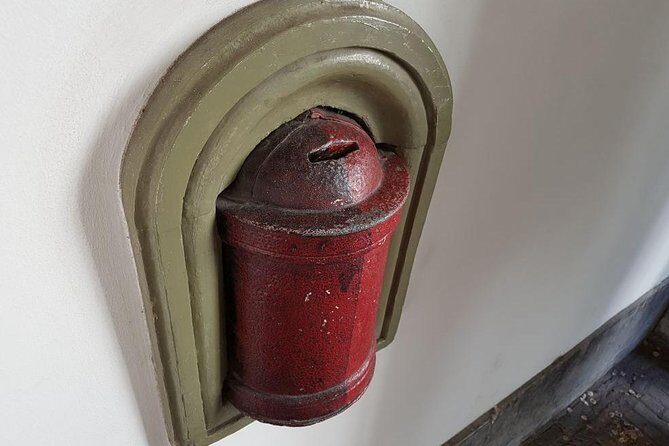
A big portion of what you learn is framed around the Dam area—because that’s where Amsterdam’s historical and financial heart comes into focus. The tour doesn’t treat finance as something that happened off in the distance. It shows how the city’s core shaped the people who profited and the institutions that supported them.
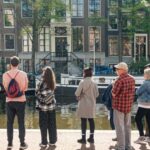
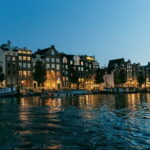
As you walk through the route, you’ll get chances to pause for photos at some iconic locations, but you’ll also pick up the quieter logic behind the streets. Amsterdam can look simple from a canal bike or a quick sightseeing loop. This kind of guided route reminds you that the city’s layout and standout buildings often connect directly to trade, banking, and governance.
If you enjoy turning architecture into meaning—why a building is where it is, why a district gained influence—you’ll likely enjoy this pacing. It’s not just landmarks. It’s landmarks with a reason.
Merchants, credit, and the mechanics of getting rich
The tour’s narrative brings you to the story of the merchants: who they were and how they made their money. That sounds broad, but the idea becomes clearer when a guide connects commerce to physical sites—places where goods were exchanged, where money changed hands, and where outcomes were recorded.
This is where Amsterdam’s “finance culture” stops being theoretical. You start to see that wealth wasn’t only inherited; it was built through networks and risk management. Even if you’re not a finance nerd, the story tends to land because it’s about real people working within real constraints.
One of the practical benefits: you’ll leave with better intuition for why Amsterdam’s financial influence grew when and how it did. And you’ll likely start noticing more on your own—bank-like facades, exchange-related architecture, and the way historic institutions still shape street life.
Tulip Mania and the Amsterdam floating flower market
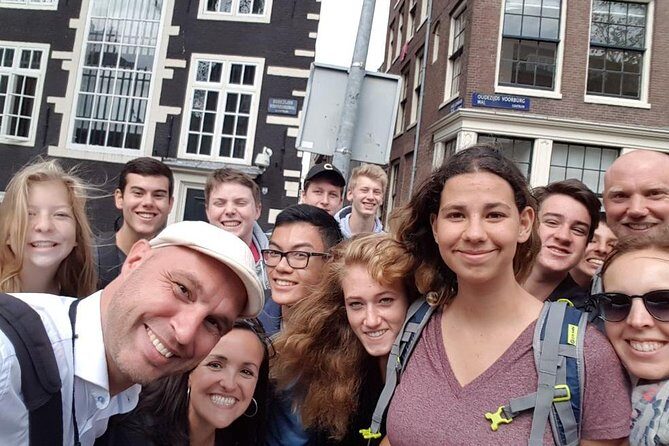
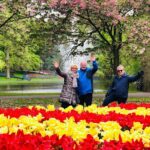
The tour includes the famous bubble story of Dutch Tulip Mania, tied to the Amsterdam floating flower market. This part is especially good if you like history that has a modern echo. Bubbles happen when people decide stories matter more than numbers, and tulip mania became one of the best-known case studies for that idea.
What I appreciate here is the placement. Learning about speculation while referencing a market setting helps the story feel less like a myth and more like a mechanism. Even when the exact details can be debated in any historical topic, the lesson remains useful: expectations can outrun reality, and markets can move from rational trade to emotional momentum.
You’ll get to connect that bubble theme to Amsterdam’s larger financial identity. It’s not just a quirky footnote about flowers. It’s a window into how quickly value can be reassigned—sometimes with serious cultural consequences.



Private tour flexibility: why 2.5 hours feels like the right length
This is a private tour, meaning only your group participates. That changes how the guide can pace the experience. It’s not about crowd control or keeping a large group moving through tight spots. It’s about matching the pace to your questions and your comfort level.
The duration is about 2 hours 30 minutes, with about 10 minutes allocated at each main location. That leaves time for walking, context, and the in-between moments where the story clicks. You’re not stuck standing in one place for a full segment, and you’re not sprinting city blocks either.
Since the tour is offered in English and uses a mobile ticket, it’s also easy to fit into a day of sightseeing without heavy paperwork. The route ends at Rokin 24HS, on the other side of the Dam—about 500 meters from the start—so you’re not dragged far across town.
If you like guided experiences that don’t overrun your schedule, this length is a strong fit. It’s long enough to learn real context, short enough to keep your day flexible afterward.
Photo stops and local hints you can actually use
You get opportunities for photos at some iconic locations, which is great because financial history tours can sometimes feel like windowless museums. Here, the story stays tied to the street.
You’ll also get practical local hints and insights from the guide. One name that comes up in the strongest praise is Tijs de Boer, described as full of insights and local hints on everything. That kind of guiding style matters because financial history can be dense. Good guides translate it into everyday understanding, and they help you notice what you’d otherwise miss.
My advice: treat the tour like a primer. Use your camera, yes. But also watch for the street-level cues—building types, institutional facades, and city corners connected to trade. After the tour, you’ll likely spot those same cues on your own and connect them to what you just learned.
Price and value: what $390.50 per group really means
The tour costs $390.50 per group for up to 10 people. That pricing model is actually important, because your cost per person depends on whether you’re traveling solo, as a couple, or with a fuller group.
If you book with a smaller group, you’re paying the full group price. If you can fill 8–10 people, the per-person cost drops fast, and the “private” part becomes much more affordable. Either way, you’re getting a guide-led walk that includes two main stops, one of which has free admission and another with admission included.
Also consider what you’re buying: not just entry into buildings, but the connective tissue—why these sites matter to Amsterdam’s financial culture. A tour like this is usually best when you want interpretation, not just photos.
At $390.50, I’d call this a solid value if you want context and flexibility and you’re not trying to squeeze in five different attractions at different ticket desks. It’s also a good “anchor experience” that makes other sightseeing in the center feel more meaningful.
Who this tour suits best (and who might want another plan)
This tour is best for you if you like:
- City history with a clear theme tied to real places
- Architecture-based storytelling
- Walking tours that stay focused and question-friendly
You’ll likely enjoy it even more if you’re the type who wonders how systems work, not just what happened. Finance history can be dry, but when a guide links it to Amsterdam’s institutions and street-level landmarks, it becomes easier to follow.
You might want a different style of tour if:
- You prefer very long time inside museums, with minimal walking
- You want a more casual sightseeing loop without a specific theme
- You’re hoping for big-ticket stops beyond the Dam/central core (the route stays compact)
And yes, keep the moderate fitness level in mind. It’s not described as extreme, but it’s still an urban walk for about 2.5 hours.
Should you book the Financial History Tour?
I’d book this tour if you want a focused Amsterdam experience that links finance, culture, and architecture without feeling like a textbook. The combination of Beurs van Berlage, Stadsarchief Amsterdam, and the story threads around merchants and Tulip Mania gives you a clear mental map of how money shaped the city.
It’s also a good choice for people who appreciate private guiding. If you value questions, slower pauses for photos, and a pace that suits your group, a private tour is the difference between hearing information and actually using it.
On the other hand, if you only want broad sightseeing and you’re not interested in how institutions and markets worked, this theme might feel narrower than you want. For theme lovers, though, this is a strong bet.
FAQ
How long is the Financial History Tour?
The tour lasts about 2 hours 30 minutes.
What does the tour cost?
It costs $390.50 per group, for up to 10 people.
Is this tour private?
Yes. It’s a private tour/activity, so only your group participates.
Is the tour offered in English?
The tour is offered in English.
Where does the tour start and end?
It starts at Bistro Berlage, Beursplein 1, 1012 JW Amsterdam and ends at Rokin 24HS, 1012 KS Amsterdam. The endpoint is about 500 meters from the starting area, across the Dam.
What are the main stops during the tour?
You’ll visit Beurs van Berlage and Stadsarchief Amsterdam, with the tour also covering topics connected to Amsterdam’s merchants and Tulip Mania and referencing the Amsterdam floating flower market.
Can I get a full refund if I cancel?
Yes. Free cancellation is available if you cancel at least 24 hours before the experience’s start time.