REVIEW · AMSTERDAM
Private WW II Tour: Nazi Camp, WW2 battle grounds and cemetery
Book on Viator →Operated by Dutch Tours · Bookable on Viator
Arnhem and Vught in one hard day.
This private WWII route pairs two sides of the same era: the machinery of Nazi imprisonment and the fighting around Operation Market Garden, with stops that feel immediate because they’re the actual places. I love how the day moves from Kamp Vught’s remains to Arnhem’s key bridge and museum settings tied to 1944, so you see how events connect instead of treating them like separate trivia.
What I like most is the way the guide keeps context tight and human. You get personal stories that add clarity without turning into an endless lecture. I also like that the big paid sites are built in: admission is included for the concentration camp and the Airborne Museum, while other stops are free.
One drawback to think about: this is emotionally heavy material, and it’s a long 10 hours. If you’re hoping for a light, quick outing, plan for a slower pace in your head, and note that lunch isn’t included.
In This Review
- Key highlights you can plan around
- A WWII day from Amsterdam that links events, not just locations
- Nationaal Monument Kamp Vught: the camp remains you’ll walk through
- What to watch for during your visit
- John Frost Bridge at Arnhem: why one bridge mattered so much
- A useful way to experience the bridge
- Hartenstein (Airborne Museum): HQ life during the Battle of Arnhem
- The objects are the point
- Arnhem Oosterbeek War Cemetery: the September landings scale in one visit
- How to make the cemetery stop meaningful
- How the 10-hour schedule actually works for you
- Best strategy: use the included breaks wisely
- Price and value: what $450.59 buys you (and why it can be worth it)
- Who this price fits best
- Who should book this private WWII tour?
- Should you book this tour?
- FAQ
- How long is the tour?
- What time does the tour start?
- Is hotel or cruise pickup included?
- Is the tour private?
- What admissions are included?
- Is lunch included?
- What refreshments are included during the day?
- Is the tour offered in English?
- Can I cancel for a full refund?
Key highlights you can plan around
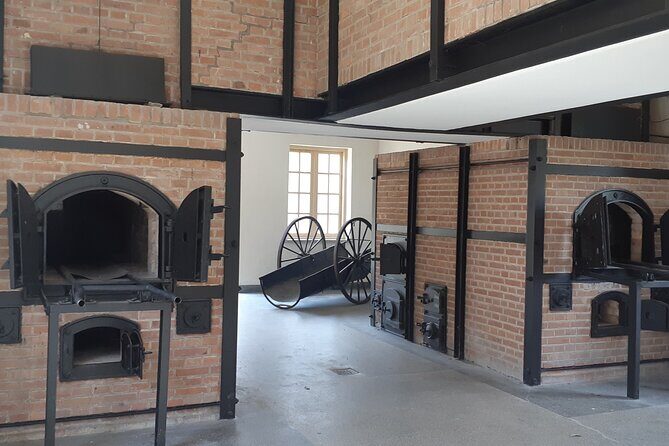
- Camp Vught’s remains: watchtowers, barracks, crematorium, an original train, and memorials for adults and children
- A specific execution site visit in the woods, tied to resistance members
- John Frost Bridge: the final bridge needed for Operation Market Garden at Arnhem, famously linked to A Bridge Too Far
- Airborne Museum at Hartenstein: British Airborne HQ during the Battle of Arnhem, using personal stories from British, Polish, and German soldiers plus civilians
- Arnhem Oosterbeek War Cemetery: where most of the 1,684 fallen from the September landings are laid to rest
- Private pacing: only your group, plus pickup, water, soft drinks, and snacks to keep the day workable
A WWII day from Amsterdam that links events, not just locations
If you want WWII sites that actually help you understand what happened, this route is built for that. You don’t just hop from monument to monument. You move through a narrative: detention and resistance on one end, then the airborne battle that tried to change the war’s momentum on the other.
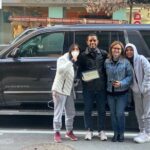
The tour is private, so you’re not squeezed into a big bus rhythm. Pickup is offered from your hotel or cruise ship, and your guide uses a blue shirt or coat with the Dutch Tours logo, which helps you find them fast—especially useful when you’re traveling from Amsterdam early in the morning.
You can also read our reviews of more private tours in Amsterdam

Nationaal Monument Kamp Vught: the camp remains you’ll walk through
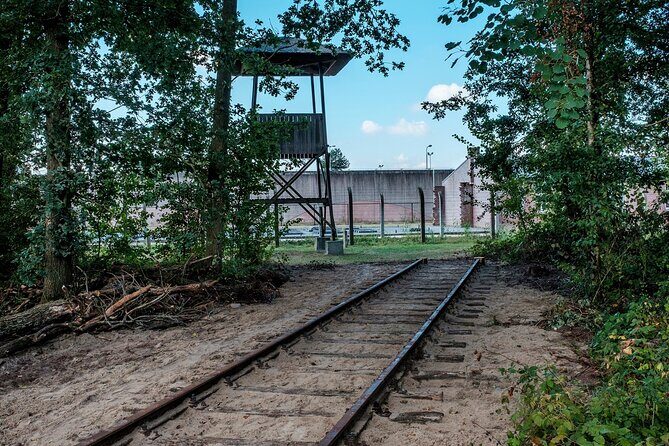
Kamp Vught in South Holland is the emotional center of the day. The camp was first used in 1942, and it held 31,000 Jewish and political prisoners. What makes this stop valuable is that you’re not just looking at a marker. You’re walking among the remains that help you picture daily reality.
You’ll see key physical parts of the camp: watchtowers, barracks, a crematorium, and an original train. There’s also a children’s memorial, which adds a devastating layer that’s easy to miss if a visit turns into a purely historical overview.
Plan to spend about three hours here. That’s enough time to take in the layout without feeling rushed, especially since the tour also includes the execution site in the woods, where more than 300 resistance members were executed. The woods portion changes the tone: it shifts from camp infrastructure to what happened when resistance was discovered.
Practical detail that helps: the site has a book shop, a good audio tour, and a small cafeteria. Even if you don’t use everything, it gives you options if you need a moment to reset, warm up, or pick up something readable for later.
What to watch for during your visit
This place can hit hard, fast. I’d suggest you treat the visit like two modes: first, take in the layout and major structures; second, slow down for the memorial moments and the woods execution site. That split helps your brain sort details without losing the overall meaning.
Also, if you’re tempted to speed through for photos, don’t. The value here is understanding space—how a watchtower line of sight and a barracks layout communicate control.
John Frost Bridge at Arnhem: why one bridge mattered so much
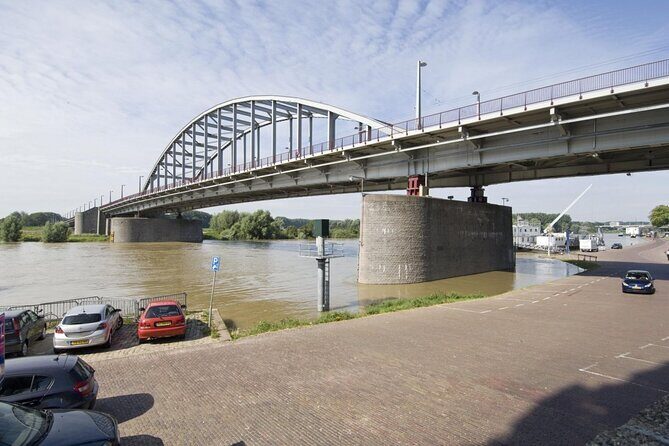
Next you go to Arnhem, and the pacing shifts. The John Frost Bridge (John Frostbrug) sits over the Rhine and represents a key chess move in Operation Market Garden.
This was the last bridge that needed to be captured. The idea was simple: if the Allies could seize the route, the road toward Germany would open. That pressure matters because it explains why this bridge shows up in popular culture and war storytelling.
You’ll have about 45 minutes at the bridge. Admission is free, so you’re mostly spending time on interpretation and atmosphere rather than ticket lines.
The bridge is also linked to the movie A Bridge Too Far. That connection can be useful, but keep it grounded: the movie reference helps some people get oriented. The real point is why this specific crossing was critical to the overall plan—and how it fit into the larger battle around Arnhem.
A useful way to experience the bridge
When you’re there, look beyond the photo angle. Think about what a bridge means in warfare: a narrow, controlled chokepoint. Even without technical details, you can feel why one successful capture could change the operational map.


Hartenstein (Airborne Museum): HQ life during the Battle of Arnhem
At the Airborne Museum at Villa Hartenstein, you move from the broader battle into a particular command location. During the September 1944 fighting—the Battle of Arnhem, part of Market Garden—Hartenstein became the headquarters of the British Airborne Division.
The museum time here is about three hours, and admission is included. That longer slot matters because the story isn’t told only through dates. It uses personal stories from British, Polish, and German soldiers, plus civilians, told through historical objects.
This is the kind of museum where “what happened” turns into “what it felt like to be there.” The attempt to punch through German lines and capture the Ruhr area to end the war quickly was unsuccessful. And the bridge at Arnhem became known as a bridge too far—an idea that the museum helps you understand in human terms, not just in headlines.
The objects are the point
I like this museum approach because it avoids turning WWII into a single narrative voice. When you see items connected to different sides, you get a fuller sense of how civilians and soldiers experienced the same conflict in very different ways.
Arnhem Oosterbeek War Cemetery: the September landings scale in one visit
After Hartenstein, the tour heads to a place that’s quiet and precise: the Arnhem Oosterbeek War Cemetery. This stop is about one hour, and admission is free.
Here, most of the 1,684 fallen soldiers of the September landings are laid to rest. That number is stark, and the cemetery setting makes it hard to treat the battle like a story with no aftermath. The cemetery grounds bring scale into focus without needing extra explanation.
How to make the cemetery stop meaningful
Let the cemetery do its job. Take your time reading the names, but don’t feel pressure to read everything. Even a few minutes of attention can make the earlier stops—bridges, HQ rooms, camp remains—feel connected to real people.
If you’re sensitive to heavy topics, this is also the moment to slow down and breathe. The day keeps moving after this, so give yourself a mental landing here.
How the 10-hour schedule actually works for you
This tour starts at 8:00 am with pickup at your hotel or cruise ship. It’s designed as a full day: the total 10 hours includes travel time and lunch time. That wording matters. It suggests you’ll have space to think about food, but it does not mean lunch is provided.
Lunch isn’t included. So plan to bring or buy something nearby during your tour’s built-in lunch window. Because the day includes long seated museum time plus outdoor walking, I recommend treating lunch as part of your comfort plan, not an afterthought.
The tour also includes bottled water, soft drinks and water, stroopwafels, and snacks. Soda/pop is included too. For a day that mixes serious sites with driving, those small comforts help you stay focused instead of getting hungry or worn out.
Best strategy: use the included breaks wisely
You’re going to spend time indoors at museums and outdoors at memorials. If you can, use the included refreshment moments early. That keeps your energy stable for the heavier parts—especially the camp stop and the woods execution site.
Price and value: what $450.59 buys you (and why it can be worth it)
The price is $450.59 per person for a private 10-hour WWII experience. At first glance, that sounds steep. But compare it to what you get: private format, hotel or cruise pickup, English-speaking guide, and admission coverage for two major stops.
Admission is included for:
- Nationaal Monument Kamp Vught (about 3 hours)
- Airborne Museum at Hartenstein (about 3 hours)
The bridge and the cemetery are free admissions stops.
Then there’s the often-overlooked value piece: refreshments. Water, soft drinks, stroopwafels, and snacks are included, which helps if you’d otherwise spend extra time buying food while trying to keep pace.
So the value calculation is less about just “ticket cost” and more about a guided, private, timed day that handles transportation and keeps you on track from Vught to Arnhem without you building the whole plan yourself.
Who this price fits best
If you’re traveling with a small group or you want control over the pace and focus, this private model can make more sense than joining a larger group. It’s also a good fit if you care about accurate context at each stop, because WWII sites can turn confusing fast without a guide’s structure.
Who should book this private WWII tour?
Book it if you want:
- WWII sites that connect across themes: camps, resistance, battle planning, and aftermath
- A guide who uses personal stories to add clarity without dragging
- A day plan that gives you real time at major stops—three hours at each key museum/camp
You might skip it if you’re looking for something light, short, or kid-focused entertainment. This is remembrance-heavy history. Even when the tour is well paced, the subject matter is serious.
Should you book this tour?
I’d say yes, if your goal is understanding WWII through the actual places where it happened, with enough time at each location to avoid rushing. This itinerary makes it easy to learn: camp remains at Vught, then the operational story at the Rhine bridge, then the Battle of Arnhem through Hartenstein’s HQ setting, and finally the cemetery that grounds everything in names and numbers.
I’d reconsider only if you don’t handle emotionally heavy sites well or you’re not up for a full 10-hour day with driving plus substantial walking.
If you book, go in with a simple mindset: you’re there to remember and to connect the dots. That’s when the day clicks.
FAQ
How long is the tour?
The tour lasts about 10 hours.
What time does the tour start?
It starts at 8:00 am.
Is hotel or cruise pickup included?
Yes. Pickup is offered from your hotel or cruise ship.
Is the tour private?
Yes. It’s a private activity, so only your group participates.
What admissions are included?
Admission ticket costs are included for Nationaal Monument Kamp Vught and the Airborne Museum at Hartenstein. The John Frost Bridge and the Airborne War Cemetery are free admissions stops.
Is lunch included?
No. Lunch is not included, though lunch time is included in the total duration.
What refreshments are included during the day?
Bottled water, soft drinks and water, stroopwafels, soda/pop, and snacks are included.
Is the tour offered in English?
Yes, it’s offered in English.
Can I cancel for a full refund?
You can cancel up to 24 hours in advance for a full refund. If you cancel less than 24 hours before the start time, the amount paid will not be refunded.