REVIEW · AMSTERDAM
Amsterdam: Spanish Tour Unmasking the Redlight District
Book on GetYourGuide →Operated by Friendly Walking Tours Amsterdam · Bookable on GetYourGuide
Red Light District has layers.
This Amsterdam walking tour is interesting because it doesn’t start with flashing lights. It starts with maritime Amsterdam and follows the story of the neighborhood from early development through the Golden Age and into its modern reputation. I like that you get a Spanish-speaking guide who keeps things moving with clear anecdotes, and I especially like the mix of major landmarks (like Oude Kerk) and smaller street moments that help you understand what you’re actually seeing. One possible drawback: it’s an outdoor walk through an adult-focused area, and the tour isn’t aimed at kids (it’s not suitable for children under 14).
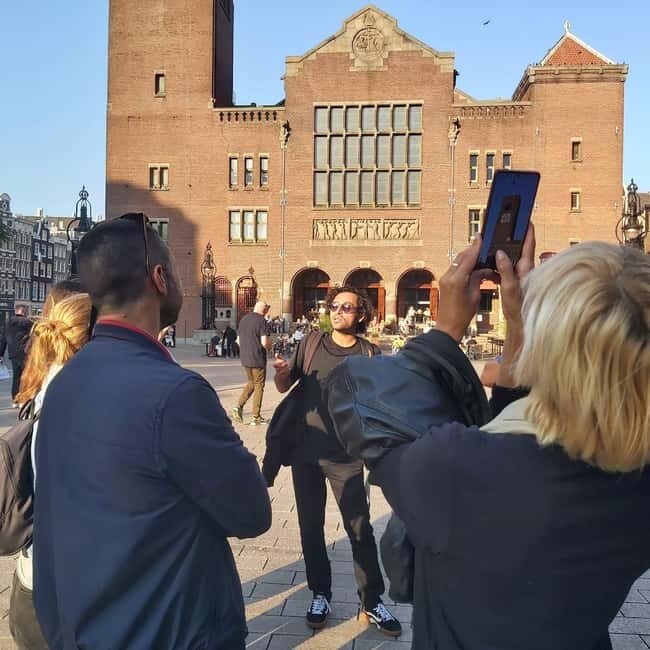
You’ll meet your guide outside the Barbizon Palace Hotel on Prins Hendrikkade street, then spend about two hours tracing the Red Light District’s evolution around canals and historic squares. You’ll finish in the central Dam area, with the route description pointing toward Beursplein. Bring comfy shoes, because the pace is real walking and the day will be spent outdoors—plan for weather.
In This Review
- Key moments I’d put on your must-see list
- Why this walk starts near Central Station (St. Nicholas Basilica)
- Zeedijk Street: the port-era corridor behind the later reputation
- Photo stops that help you read the neighborhood (He Hua Tempel and a secret moment)
- Nieuwmarkt Square and De Waag: where the city’s systems show up
- The Red Light District walk: see it with context, not shock
- Oude Kerk: an “oldest building” anchor for a changing city
- Oudezijds Voorburgwal and Warmoesstraat: reading the canal-heart streets
- Hidden stop and “small places” that carry big meaning
- The Royal Palace finish: why the ending matters (Dam Square and the district link)
- Spanish guide + pacing: what $31 buys you in real terms
- Who should book this tour, and who should choose something else
- Quick checklist before you go
- Should you book this Amsterdam Red Light District unmasking tour?
- FAQ
- How long is the Amsterdam Spanish Red Light District walking tour?
- What language is the guide?
- Where do I meet the guide?
- Where does the tour end?
- Is food included or available during the tour?
- Are ticketed entries included for churches or other venues?
- Is photography allowed?
- Who is this tour not suitable for?
Key moments I’d put on your must-see list
- St. Nicholas Basilica opener: a maritime heritage intro near Central Station that sets the stage early
- Zeedijk Street context: port-era street life tied to sailors and multicultural roots
- Photo stops that break the routine: He Hua Tempel plus a separate secret photo moment
- De Waag at Nieuwmarkt Square: a former city gate turned weighing house you can’t ignore
- Oude Kerk time on-site: Amsterdam’s oldest church building used as a historical anchor
- Royal Palace connection: you’ll hear how the palace area relates to the neighborhood’s story
Why this walk starts near Central Station (St. Nicholas Basilica)
The tour frames the Red Light District as something created by city forces, not just gossip. You begin at the Amsterdam St. Nicholas Basilica, which is opposite Central Station. That location matters because it ties the story to Amsterdam’s port life and early development right away.
From the first minutes, you get a sense that this neighborhood was shaped by movement: ships, trade, arriving cultures, and people looking for entertainment after long days. It’s a smarter way to begin than jumping straight into the most famous streets.
You also get practical clarity fast. You’ll know where to look as you walk, and you’ll understand why certain street alignments and canal edges matter when you later reach the core area.
You can also read our reviews of more tours and experiences in Amsterdam.
Zeedijk Street: the port-era corridor behind the later reputation
After the opener, you head to Zeedijk Street. This is one of those Amsterdam streets where the history feels “built in,” and the tour uses that street to explain Amsterdam’s multicultural roots. Zeedijk is described as a street with historic bars that catered to sailors from around the globe, which explains how a port city can develop a nightlife economy.
This is also where the tour starts connecting cause and effect. Prosperity brings population growth. Population growth increases demand for entertainment. And entertainment in a busy trading city can overlap with vice.
I like this part because it’s not hand-wavy. You’re walking through a real street that helped set the groundwork for what came later, so the story feels like it belongs to the geography—not just a lecture.
Photo stops that help you read the neighborhood (He Hua Tempel and a secret moment)
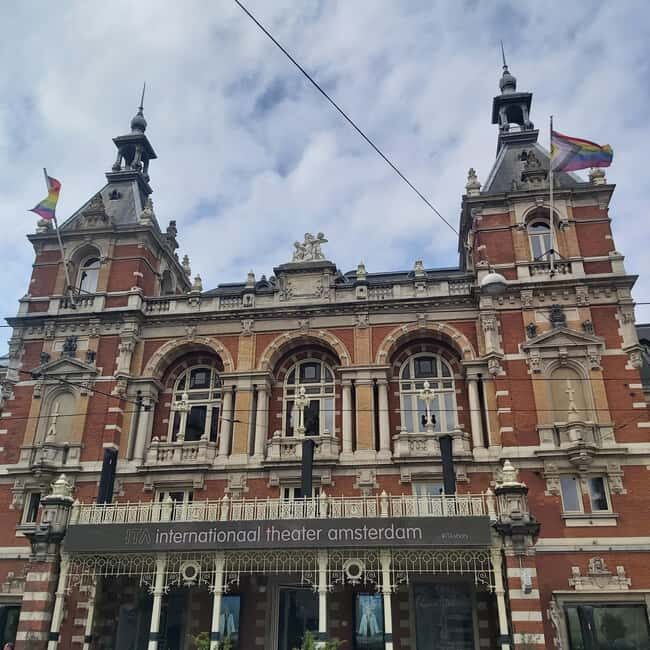
Midway through the walk, you’ll get short photo stops that add texture beyond the Red Light District headlines. One stop is at He Hua Tempel, where you’ll pause long enough to notice what’s there and take a picture if you want.
There’s also a separate “secret stop” that’s specifically a photo moment. The tour doesn’t frame it as a major landmark, which makes it more useful. You’re practicing a habit: noticing small clues in plain sight, instead of only chasing the obvious big names.
One important reminder: the tour notes that photography inside isn’t allowed. That doesn’t kill your photo plans, but it means you’ll want to treat stops outdoors as your main picture time. Your guide will tell you when camera use is appropriate.
Nieuwmarkt Square and De Waag: where the city’s systems show up
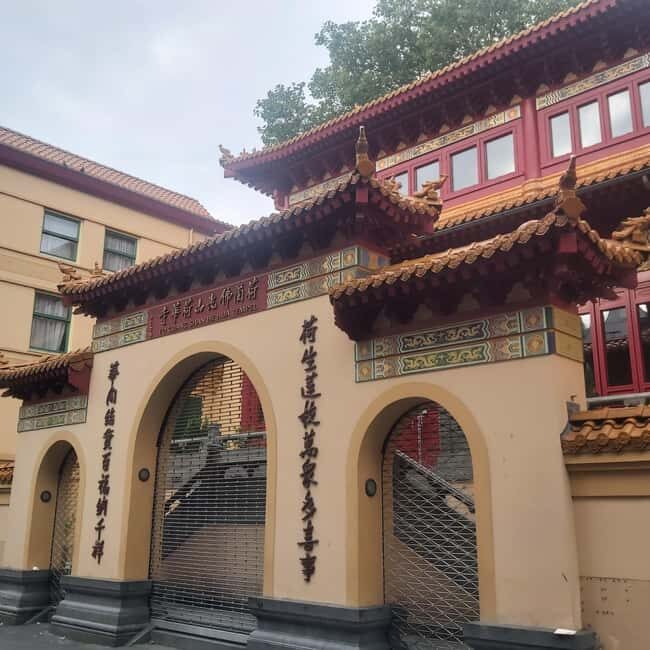
Next you reach Nieuwmarkt Square, with time for a photo stop at De Waag. De Waag is more than an old building look. It was a former city gate that later became a weighing house, which ties directly back to trade and the practical side of city life.
That trade angle is the bridge the tour keeps returning to: Amsterdam as a port city built on measuring, shipping, and commerce. In a place like that, the line between respectable business, nightlife, and vice can blur—especially when the city becomes wealthier and denser.
This stop also helps you slow down and orient. If you’ve visited Amsterdam before, you might think you know the center. Here, you learn how the center operated: entry points, measurement, and movement.
The Red Light District walk: see it with context, not shock
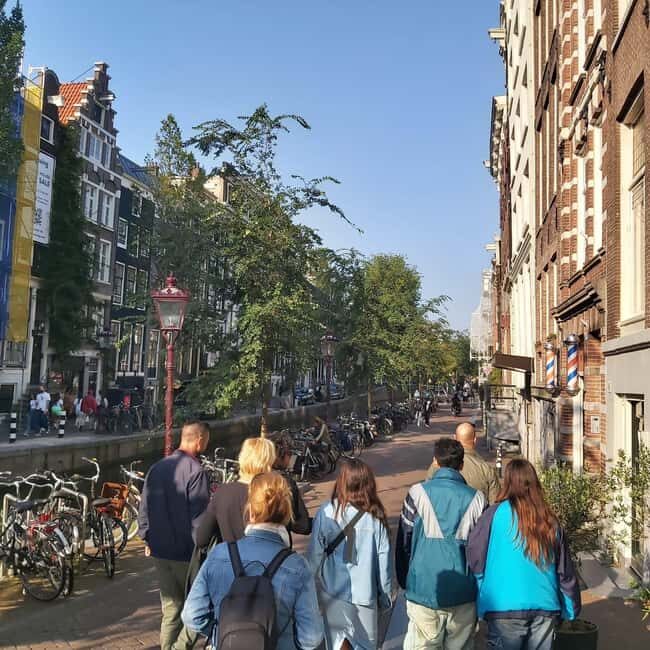
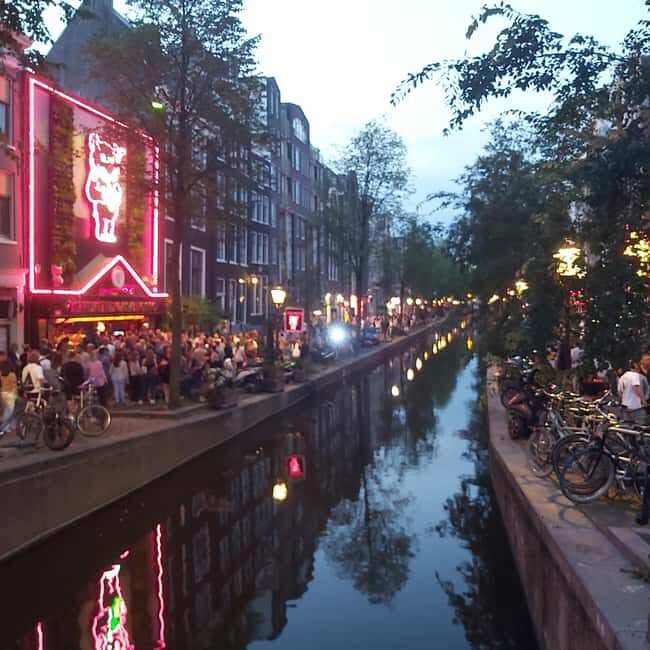
You’ll then spend time walking through the Amsterdam Red Light District area. This part is 20 minutes of walking through the canal-linked streets at the heart of the neighborhood.
Here’s the key value of doing it with a guide: you’re not just looking at the most talked-about scenes. You’re hearing how the district’s reputation formed over time and how it became linked to progressive thought in later eras.
You should also go in with the right mindset. This is a neighborhood tied to adult commerce and nightlife. The tour doesn’t pretend it’s something to be romantic about. Instead, it explains how it became a symbol people argued over—especially as Amsterdam’s attitudes shifted.
If you’re sensitive to adult themes, you’ll still be able to enjoy the history side, but you should expect the walk to be pointed and direct.

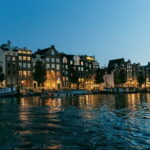
Oude Kerk: an “oldest building” anchor for a changing city
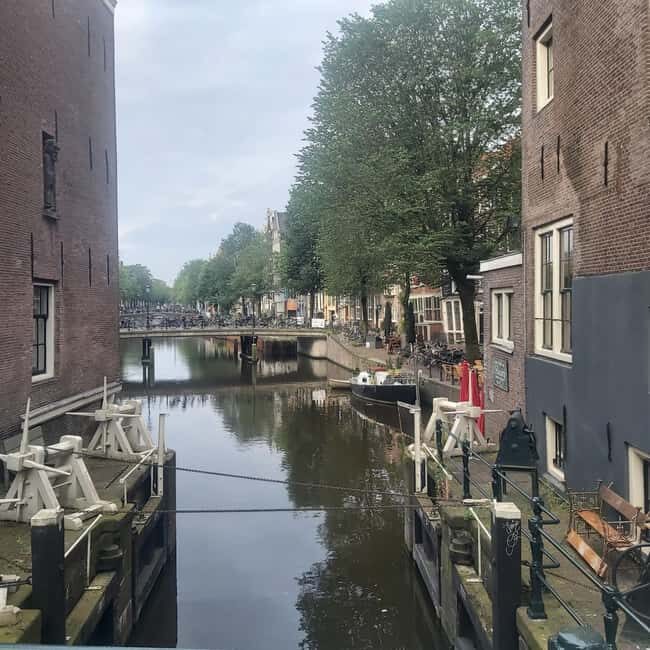
After the main district walk, you move to Oude Kerk. The tour frames it as the city’s oldest building, and you spend time there (listed as a visit) as a historical anchor.
Even if you don’t enter any venues, you still benefit from the viewpoint this stop gives. Old structures help you understand how long the city has been developing around the same core spaces. The Red Light District story isn’t isolated—it’s layered onto centuries of urban life.
This is one of the best stops for anyone who likes to connect architecture to human behavior. The guide’s explanations tie the surrounding streets to bigger themes: growth, demand for entertainment, shifting social norms, and the way cities reinvent their reputations.
Oudezijds Voorburgwal and Warmoesstraat: reading the canal-heart streets
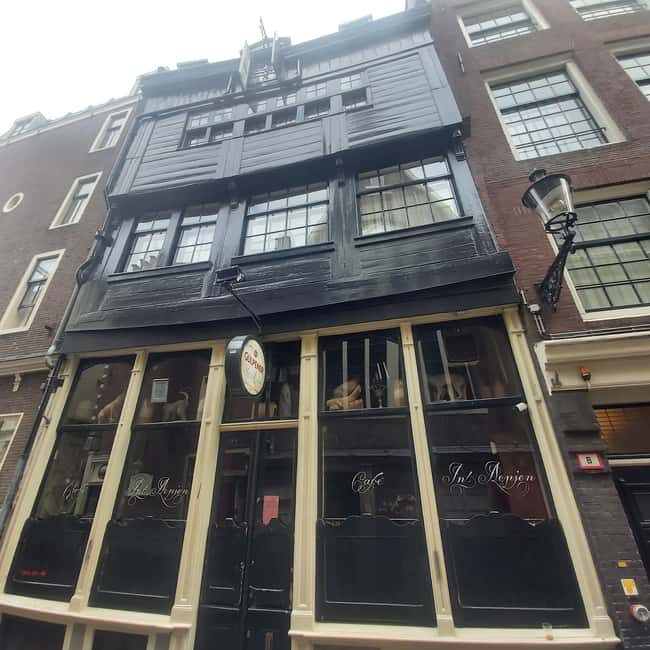
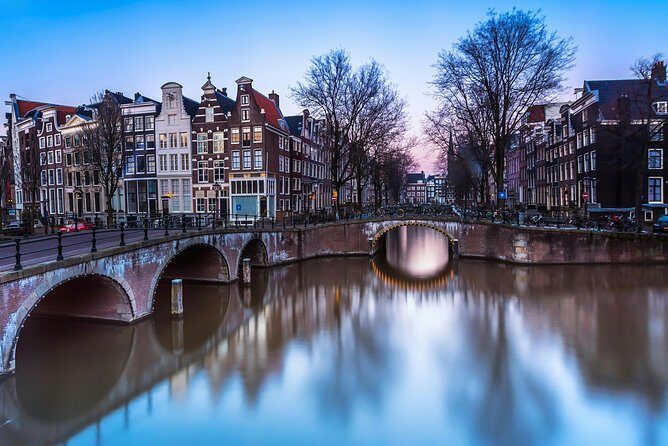
The walking continues along Warmoesstraat and through the heart of the canal network associated with the Red Light District, including Oudezijds Voorburgwal. The tour describes Oudezijds Voorburgwal as a key canal-area thread of the district.
This is where you’ll feel the “Amsterdam shape” of the story. Narrow streets, canal-side edges, and tight blocks make the city’s social life easier to concentrate. That concentration is one reason districts like this can form and stabilize.
Warmoesstraat gets folded into that same logic: you’re walking through streets that function as practical connectors between squares, churches, and the district lanes. If you’ve ever wondered why Amsterdam’s old center feels so readable on foot, this section is a great example.
It’s also a good time to pause mentally and compare what you see with what you’ve learned. You’ll notice how quickly an area can look like one thing until you get the history that explains why it’s become something else.
Hidden stop and “small places” that carry big meaning
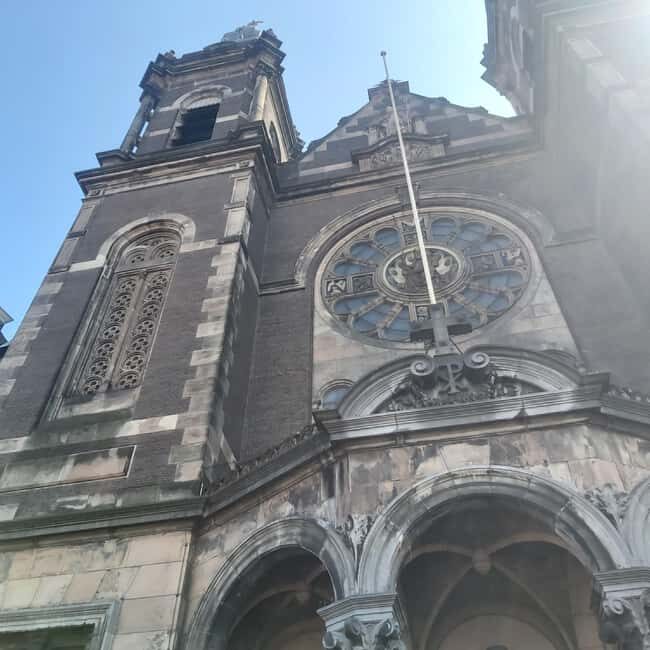
After Warmoesstraat, you’ll reach a stop described as a hidden gem, with time for a visit. The tour doesn’t describe it as a giant ticketed attraction, which is exactly why it’s valuable.
Small places teach you how to read a neighborhood the way locals do: by noticing what’s tucked into the side streets and courtyards. They also help the guide’s mystery style make sense. The tour promises mysteries and anecdotes, and these smaller moments are where those stories often land.
If you’re the kind of traveler who likes photos, you’ll probably get a few nice frames here too—again, mainly outdoors, since photography inside isn’t allowed.
The Royal Palace finish: why the ending matters (Dam Square and the district link)
The tour ends back near the central area with a finish at Beursplein, and it also includes time to connect the story to the Royal Palace in Dam Square.
That palace link is more than a route flourish. It reframes the whole neighborhood narrative. When you finish at a symbol of official power, you get a sense of how the Red Light District is tied to the wider city’s identity—what Amsterdam chooses to show, what it argues about, and how it absorbs controversial corners into the national story.
This ending works best if you’ve kept your focus on the causes the guide talks about. Port growth, prosperity, demand for entertainment, and social change all feed into why the district became what it became.
And yes, it also gives you an easy spot to orient for the rest of your day in central Amsterdam.
Spanish guide + pacing: what $31 buys you in real terms
At about $31 per person for roughly two hours, you’re paying for a concentrated route plus a guide who explains how history shaped the neighborhood. You’re not buying museum entry tickets or included food. This is a walking-and-story experience.
That makes it good value if you want:
- an organized path through key points (instead of wandering and guessing),
- context for what you’re seeing (especially around canals and historic squares),
- a Spanish guide who can keep pace and answer questions in the language you chose.
The rating is high, with a bunch of 5-star feedback praising the guide’s clarity and speed. One review calls out a Chilean guide as excellent, and another highlights how agile and easy to follow the explanations felt. That’s exactly what you want on a topic that can otherwise turn into awkward confusion.
Pacing note: it’s outdoors and requires comfortable shoes. Two hours doesn’t sound long, but Central Amsterdam walking adds up, and this route strings together multiple landmarks and street sections.
Who should book this tour, and who should choose something else
This is a strong fit if you:
- want a history-first approach to Amsterdam’s most controversial neighborhood,
- like walking tours that connect architecture, streets, and city change,
- prefer a Spanish-speaking guide and want the story explained clearly.
It’s not suitable for kids under 14, wheelchair users, or people over 95. Also, the tour is in a sensitive adult area, so it’s best for adults who can handle that reality and still enjoy the historical lens.
If you’re expecting a party-style Red Light District experience, this won’t match that vibe. The tour’s angle is origins and evolution, not entertainment.
Quick checklist before you go
- Wear comfortable shoes and clothes that match the weather.
- Bring a camera, but expect that photography inside isn’t allowed; your guide will tell you when you can take photos.
- Alcohol and drugs aren’t allowed. Non-alcoholic drinks are allowed, so bring a water bottle if you like.
- The tour is outdoors, so plan for wind, rain, or cold if you’re going in shoulder season.
Should you book this Amsterdam Red Light District unmasking tour?
I think you should book it if you want the Red Light District explained in a way that makes the streets make sense—especially the links between the port, the city’s growth, and the neighborhood’s reputation over time. The route hits major anchors like St. Nicholas Basilica, Nieuwmarkt Square and De Waag, and Oude Kerk, then balances that with shorter stops and street-level context.
Skip it if you’re looking for a casual, kid-friendly walk, or if adult-themed areas make you uncomfortable without much warning. Also, if you want lots of indoor entry experiences, note that the tour doesn’t include entries to venues.
If your goal is understanding—why the district developed, how it changed, and how it became tied to debates about progress—this is a smart way to spend two hours in central Amsterdam.
FAQ
How long is the Amsterdam Spanish Red Light District walking tour?
The tour lasts about 2 hours.
What language is the guide?
The live tour guide speaks Spanish.
Where do I meet the guide?
Meet your guide outside the Barbizon Palace Hotel on Prins Hendrikkade street in Amsterdam.
Where does the tour end?
The tour description says it ends back at the meeting point, and the route also notes a finish at Beursplein in central Amsterdam. Check your confirmation for the exact ending spot.
Is food included or available during the tour?
No food or drinks are included.
Are ticketed entries included for churches or other venues?
No entries to any venues are included.
Is photography allowed?
You may bring your camera. Photography inside is not allowed, and your guide will tell you when you can use it.
Who is this tour not suitable for?
It’s not suitable for children under 14, wheelchair users, or people over 95 years old. Alcohol and drugs are also not allowed.