REVIEW · AMSTERDAM
Private Amsterdam WW2 walking tour
Book on Viator →Operated by Trigger Tours · Bookable on Viator
History hits fast in Amsterdam. This private 2-hour walk strings together the Jewish story before and during the Nazi occupation, with stops that make the timeline feel simple and personal. You get a local guide, plus private attention so you can ask questions as you go, without planning the route yourself.
What I like most is how the tour packs major landmarks into a compact plan. You start at the Portuguese Synagogue, then move through memorial and resistance stops like the Auschwitz Monument and Verzetsmuseum Amsterdam, so you’re not just seeing plaques—you’re getting the chain of events.
One thing to consider: the pace is brisk, so most stops are short. Also, the Anne Frank House stop includes the story but not entry, and the experience can feel very guide-dependent—one reviewer had a bad match with a guide named Aaron, while others praised guides like Masha, Stan, and James.
In This Review
- Key highlights you’ll feel right away
- Why a private WW2 route works in two hours
- Meeting point, pacing, and how the 2 hours feel
- Portuguese Synagogue: the Jewish community story starts with place
- Auschwitz Monument: understanding deportation through a memorial
- Verzetsmuseum Amsterdam: resistance isn’t an abstract idea
- Hollandsche Schouwburg and De Plantage: where forced removal became routine
- Spinoza Monument, then Dam Square and the Royal Palace area
- Anne Frank House stop: what’s included, what you may still need
- Price and value: is $126.31 per person fair?
- Guide matters: Masha, Stan, James—and one sour note about Aaron
- What to expect at each stage (so you won’t feel rushed)
- Who this tour is best for
- Should you book this Amsterdam WW2 walking tour?
- FAQ
- How long is the private Amsterdam WW2 walking tour?
- Is this tour private?
- What language is the tour offered in?
- Where is the meeting point?
- What’s included in the tour price?
- Is Anne Frank House admission included?
- Are the other stops free to enter?
- Are service animals allowed?
- Can I cancel for a full refund?
Key highlights you’ll feel right away
- Private tour for your party: no joining a mixed crowd
- WW2 Jewish history in a tight route: synagogue, deportation sites, resistance, and memorials
- Short, focused stop times: quick context without a full-day commitment
- Service animals welcome: easy if you need to bring one
- Anne Frank House stop with ticket not included: plan for separate entry if you want it
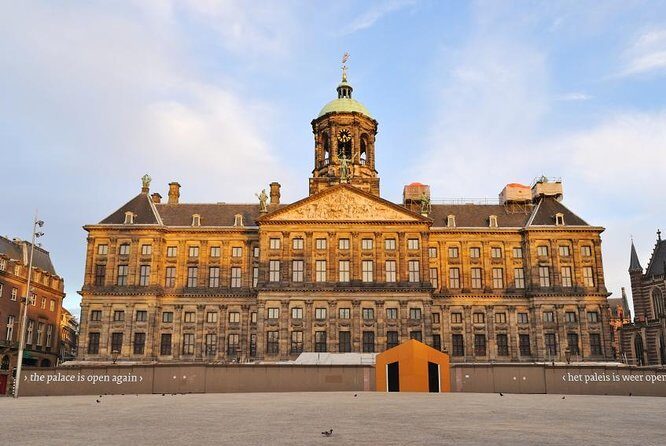
- Dam Square and the Royal Palace area: finish in a classic Amsterdam landmark zone
Why a private WW2 route works in two hours
Amsterdam can be overwhelming on a first visit. Too many canals, too many museums, and it’s easy to miss the human story behind the city’s World War II role. This tour is built to keep your focus tight: you walk, your guide explains, and the route links Jewish community life, persecution, deportation, and resistance into one understandable arc.
The private format matters. If you want more time on one stop, you can usually ask. If you’d rather skim a topic and move on, you can do that too. It’s a “guided walk” style, not a lecture marathon, and that makes the history easier to process.
You can also read our reviews of more walking tours in Amsterdam



Meeting point, pacing, and how the 2 hours feel
The tour starts at Amstel 51C, 1018 EJ Amsterdam, and ends back at the same meeting point. It’s offered in English, and you’ll get a mobile ticket. The timing is designed for a roughly 2-hour experience, with each main stop scheduled around 10 minutes, plus walking time between areas.
That means expectations should be realistic: you’re not touring large museums start to finish. You’re getting signposts—what you’re looking at, why it matters, and how it connects to what you saw just before. If you’re the type who likes “enough context to choose your next museum,” this style will feel efficient.
It also helps that many listed stops have admission ticket free noted for the on-site viewing and explanation parts. You’ll spend less time at ticket counters and more time learning what’s in front of you.
Portuguese Synagogue: the Jewish community story starts with place
You begin at the Portuguese Synagogue, where your guide explains the history of Amsterdam’s Jewish community. During the Dutch Golden Age, the Sephardic community was among the largest and wealthier Jewish communities in Europe, and their synagogue reflected that status.
This start is smart because it avoids a common mistake: jumping straight to persecution without grounding the setting. You’ll get a sense of community life and importance first, so later memorials hit harder (in a good, honest way).
The synagogue remains an active place of worship and a well-known attraction. Your guide’s job here is to help you see it as more than an old building—something lived in, shaped by history, and still present today.
Auschwitz Monument: understanding deportation through a memorial
Next comes the Auschwitz Monument. The focus here is the Jewish deportation story—who was targeted, what deportation meant, and why a monument is placed here in the first place.
Even though the scheduled time is short, the framing usually matters most in tours like this. Your guide isn’t just pointing to stone; they’re translating the location into meaning. You’re learning how Amsterdam connects to the machinery of Nazi persecution.
This stop can be emotionally heavy. If you’re visiting with kids or anyone sensitive to difficult history, having a guide who explains respectfully can make the difference between “information overload” and a steady, careful walk through the facts.
Verzetsmuseum Amsterdam: resistance isn’t an abstract idea
Then you head to Verzetsmuseum Amsterdam, focused on the resistance of the Jewish community. Resistance can sound like a single word, but the reality is complex: different people took different risks, and the story includes both hiding and organized defiance.
With a guided walk, you get context for what you’re seeing and why resistance mattered even when the odds were terrible. This is also a good counterweight to the deportation stops. It gives you back some agency—history doesn’t only take away. It shows people pushing back.
The time is brief, so use the guide’s explanation to decide if you want to return later for deeper museum time. A tour like this often works best as a starter kit.
You can also read our reviews of more private tours in Amsterdam





Hollandsche Schouwburg and De Plantage: where forced removal became routine
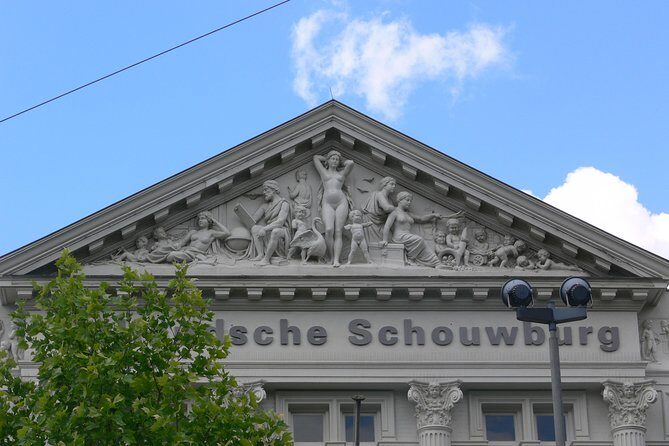
After that, you visit Hollandsche Schouwburg, described as a place tied to deportation camps. Your guide connects the site to what happened as persecution escalated and people were forcibly removed.
From there you move into De Plantage, where the walk shifts slightly from memorials to the feel and history of the neighborhood. This is where the tour helps you get Amsterdam’s “bones” under your feet: how the city’s layout and neighborhoods relate to the story you’re hearing.
De Plantage is one of those areas where a short guided segment can do a lot. You’ll get background and local context so it doesn’t feel like you’re only sprinting from point to point.
Spinoza Monument, then Dam Square and the Royal Palace area
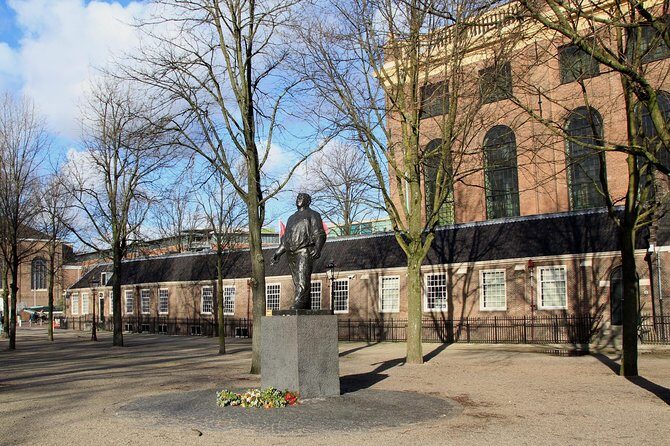
Next up is the Spinoza Monument. Your guide explains the monument and ties it to Amsterdam’s wider intellectual and cultural history. This stop gives your brain a small landing after the heavier sites—without forgetting what you came to learn.
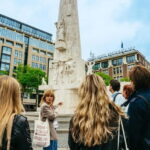
Then you walk to Dam Square, where you explore the Dam Square monument. It’s one of Amsterdam’s big public squares, so it’s a good place for your guide to help you read the city as a whole: how public space, power, and national story show up in the present.
You also explore the Royal Palace Amsterdam area. The scheduled time here is shorter, so think of it as a guided orientation moment—how to place the palace and square within Amsterdam’s identity—while the WW2 story sits fresh in your mind.
Anne Frank House stop: what’s included, what you may still need
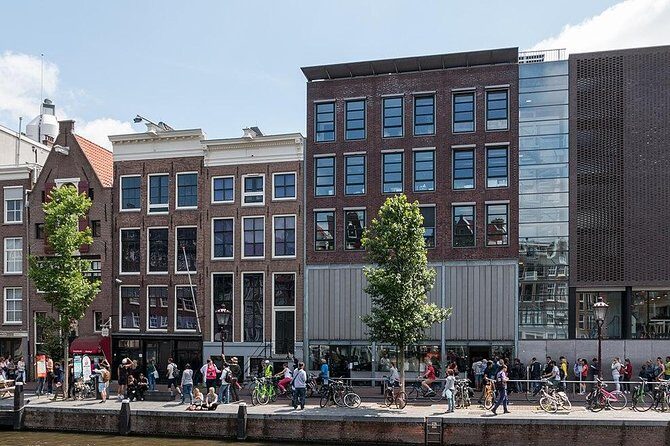
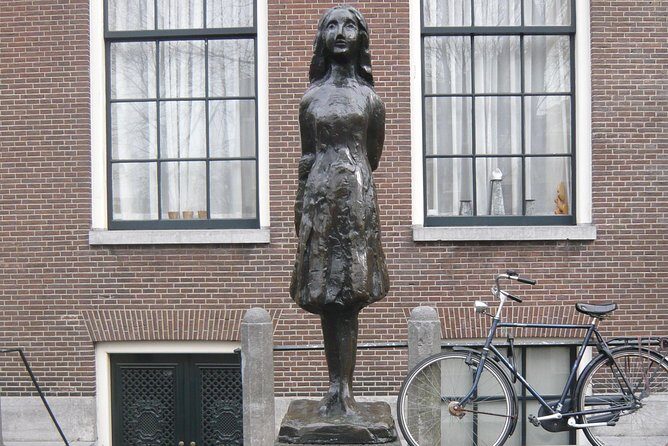
The final named stop is Anne Frank House. Your guide tells more about the Anne Frank story here, and the stop is scheduled around 10 minutes.
The key point: the listing says admission ticket is not included for Anne Frank House. So if your goal is to go inside the house exhibits, you’ll likely need a separate ticket. If your goal is mainly the story explanation at the exterior stop, the tour still fits well.
One caution from booking experiences: some people feel “stop at Anne Frank House” can mean different things than “go inside.” If that matters to you, ask what your guide plans to cover in the allotted time, and whether you should plan for a separate entry ticket.
Price and value: is $126.31 per person fair?
At $126.31 per person for roughly two hours, this isn’t a budget “grab a guide and go” deal. It’s priced as a private experience with a local guide, and it’s usually booked about 54 days in advance on average.
Here’s the value math that usually makes sense:
- You’re paying for privacy (your party only)
- You’re paying for a guide to translate sites into a clean WW2 storyline
- You’re visiting multiple major points that otherwise take planning (synagogue, memorials, resistance-focused sites, and landmark squares)
Because it’s only about two hours, you’re also buying momentum. Instead of spending your first day guessing which museum or site to prioritize, you get a map of what matters and why.
The listing also notes group discounts, which can matter if you’re traveling as a small group and want to keep the cost down. If you’re going with friends or family, compare your total cost per person against doing two separate private tours or piecing together self-guided stops with multiple museum tickets.
Guide matters: Masha, Stan, James—and one sour note about Aaron
A tour like this lives or dies by the guide’s tone and ability to handle sensitive history with care. The overall rating is strong (4.4 from 15 reviews), and the best comments focus on clear explanations, a respectful approach, and stories that connect the sites.
For example, guides named Masha and Stan get praise for being friendly and keeping the walk moving even in ugly weather. James is praised for insight and recommendations for other museums. Another positive note highlights Aaron as a detailed guide for many visitors—so it’s not a blanket issue.
At the same time, one review criticized a guide named Aaron for an unfriendly demeanor, including remarks aimed at Americans. That’s the sort of mismatch you can’t predict until you’re there. My practical advice: if you book and you’re picky about your guide’s communication style, message the provider ahead of time and ask for a guide known for a welcoming tone and clear, respectful explanation.
What to expect at each stage (so you won’t feel rushed)
The tour works in a “story ladder” pattern:
- Start with community life at the Portuguese Synagogue
- Move into deportation and memorialization at Auschwitz Monument
- Add resistance context at Verzetsmuseum
- Trace deportation-linked sites at Hollandsche Schouwburg
- Balance with neighborhood history at De Plantage
- Finish with Amsterdam landmarks at Spinoza Monument, Dam Square, and the Royal Palace area
- End with Anne Frank House story, with ticket needs clarified up front
Your visit time per stop is short, so your guide’s narration is the real attraction. Come prepared to listen. If you’re the type who likes reading every plaque first, you might want to pair this with a longer museum visit later.
Also, the subject matter is heavy. If you prefer lighter context, you might still enjoy it if your guide keeps the tone steady and gives you structure—but be honest with yourself about how much difficult history you want in one sitting.
Who this tour is best for
This is a good match if you:
- Want a WW2 history route that connects places into one storyline
- Appreciate a local guide translating what you’re seeing
- Prefer a private walk over joining a busier group
- Like the idea of doing “context first,” then choosing your deeper museum stops later
It can also work for families, couples, and solo travelers, since the listing says most travelers can participate and the tour runs near public transportation. If you’re traveling with service animals, the listing says they’re most welcome to come along.
If you need a longer museum experience—especially for Anne Frank House exhibits—treat this as your guided introduction. Build your schedule so you can return or secure separate entry if you want to go inside.
Should you book this Amsterdam WW2 walking tour?
I think you should book it if you want a private, efficient way to understand Amsterdam’s WW2 Jewish history without getting lost in planning. The stop sequence is designed for comprehension, and the best guides are praised for respectful, thoughtful explanations that make the city’s story click.
Skip it or adjust expectations if:
- You only want “inside museum time,” because the tour is short and stops are brief
- Anne Frank House entry is a must for you, since admission isn’t included
- You’re sensitive to guide tone and worry about mismatches, since one review flagged a problematic experience with a guide named Aaron
If you do book, send a quick note in advance asking how the Anne Frank House stop will work for your goals (story outside vs entry). It’s a simple question that can prevent the most common kind of disappointment.
FAQ
How long is the private Amsterdam WW2 walking tour?
It lasts about 2 hours.
Is this tour private?
Yes. It’s private, and only your group participates.
What language is the tour offered in?
The tour is offered in English.
Where is the meeting point?
The tour starts at Amstel 51C, 1018 EJ Amsterdam, Netherlands.
What’s included in the tour price?
It includes a private tour and a local guide.
Is Anne Frank House admission included?
No. The Anne Frank House stop does not include admission ticket.
Are the other stops free to enter?
The itinerary lists admission ticket free for multiple stops, including the Portuguese Synagoge, Auschwitz Monument, Verzetsmuseum Amsterdam, Hollandsche Schouwburg, De Plantage, Spinoza Monument, Dam Square, and the Royal Palace area.
Are service animals allowed?
Yes. Service animals are allowed.
Can I cancel for a full refund?
Yes. You can cancel up to 24 hours in advance for a full refund.