REVIEW · AMSTERDAM
Private Amsterdam Red Light District tour with food tastings
Book on Viator →Operated by Trigger Tours · Bookable on Viator
Amsterdam’s oldest street stories feel close up.
This private Red Light District tour mixes history with real local context, from prostitution and the coffeeshop culture to the older landmarks around the Old Town edge. I especially liked the guide-led explanations that make the area make sense fast, and the way the walk includes practical pauses for food tastings along the route. One thing to consider: this is an adult neighborhood with adult themes, so if you want a totally family-friendly vibe, this may feel a bit uncomfortable.
I also appreciated that it’s a private format, so the guide can slow down for your questions. In past runs I’ve heard guides like Aaron, Sander, and Tony are strong on clear answers and pacing, with Sander adding humor without turning the topic into a circus. The only drawback I’d flag: because you’re walking through a sensitive, mixed-use area, you should stay respectful and ready for a few moments that feel awkward if you’re easily shocked.
In This Review
- Key points to know before you go
- Why this Red Light District tour feels more useful than a quick stroll
- Getting oriented fast around the Old Town edge
- The Dam and the city that was literally built on wood
- Red Light District context: prostitution and coffeeshops, explained without hand-waving
- Old Church and Chinatown: why the walk feels bigger than one square block
- Pub The Ape (Int Aepjen): a wooden survivor from the 1540s
- Waag: a defensive gate turned guild space
- The smallest house and the VOC link that explains long-term living
- Condom shop since 1987: modern trade meeting old streets
- Food tastings: how to enjoy the bites without rushing the story
- What you’ll actually get from the guide (and why it matters)
- Duration and pacing: 2 hours is enough, but wear good shoes
- Price and value: what $121.52 is buying you
- Who should book this tour with food tastings
- Should you book it?
- FAQ
- How long is the private Amsterdam Red Light District tour with food tastings?
- What is the price per person?
- Is this tour private or shared?
- What language is the tour offered in?
- What does the tour include besides walking around the Red Light District?
- Are there any admission tickets required?
- Where do we meet for the tour?
- Do they use a mobile ticket?
- Is it possible to cancel and get a full refund?
- Are service animals allowed?
Key points to know before you go
- Private guide, private pace: only your group, with room to adjust to your interests
- Food tastings included: small bites at different spots during the Red Light District segment
- You’ll see more than the window lights: stops like the Dam, Waag, and older houses
- Coffeeshop culture explained in context: not just name-dropping, but how it fits Amsterdam
- Clear historical landmarks: wooden-building survival, guild spaces, VOC links, and more
- English tour: made for most visitors who want a straightforward walkthrough
Why this Red Light District tour feels more useful than a quick stroll
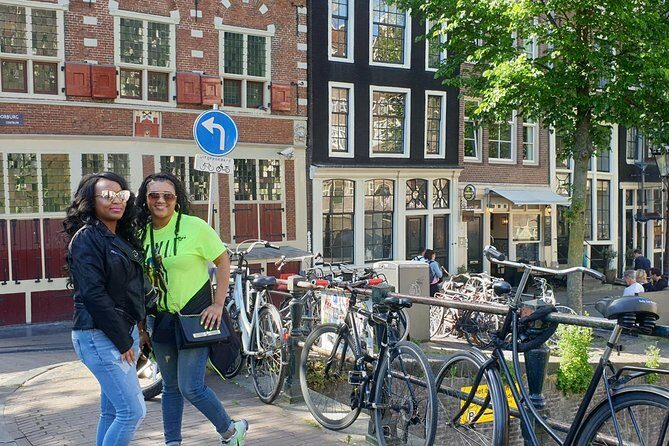
A lot of people “do” Amsterdam’s Red Light District in a rush. You look, you move on, you leave with questions you never really answered. This kind of tour gives you the missing context so the neighborhood stops feeling like a maze.
What I like is that you’re not only watching street life; you’re getting the story behind it. You’ll cover how prostitution became part of the area’s identity, why coffeeshops exist here, and how Amsterdam’s rules and policing have shifted over time. Then you’ll connect that to older city buildings you can actually point at while you walk.
The private setup matters too. Instead of fighting for attention, you can ask direct questions. Guides like Aaron, Sander, and Tony have a reputation for pacing and clear answering, which is exactly what you want when the topic is sensitive and you’re trying to learn without getting tense.
You can also read our reviews of more food & drink experiences in Amsterdam


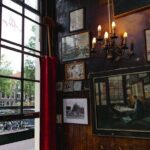
Getting oriented fast around the Old Town edge
Your walk starts near ParkBee Parking at NH Collection Amsterdam Barbizon Palace on Prins Hendrikkade 59. From there, you’ll move into the area where Amsterdam’s street layout and older structures make the district feel grounded in real city life, not just nightlife.
Early on, you’ll hear a useful concept: Amsterdam isn’t built on normal ground. The Dam area links directly to why so much of the city sits on wooden foundation piles driven down until they reach stable sand. You’ll hear the practical detail that the solid sand layer is about 11 meters deep, and that the soil includes thick fen and clay. It’s the kind of fact that changes how you see the buildings—especially in older neighborhoods where the foundations are part of the original engineering.
This is also where the tour connects the Red Light District to the Old Town. You’ll get the sense that this part of Amsterdam is among the oldest sections of the city, so the streets carry layered history while the modern functions show up around them.
The Dam and the city that was literally built on wood
The Dam stop is short but meaningful. You’re not just passing it for a photo; you’re getting the backstory of how Amsterdam could grow in a place with water-heavy, unstable ground.
That wooden-pole foundation detail matters because it helps you understand why Amsterdam’s architecture and preservation are such big deals. When a city builds in wet soil, the “how” becomes part of the “what.” Even if you’re not an architecture nerd, it’s a clean, memorable explanation you can repeat later.
If you’re the type who likes to “feel” a city’s logic while walking, this stop is a win. If you hate technical facts on foot, don’t worry—you won’t drown in it. The guide uses it to frame what you’re seeing, not to bury you in engineering.
Red Light District context: prostitution and coffeeshops, explained without hand-waving
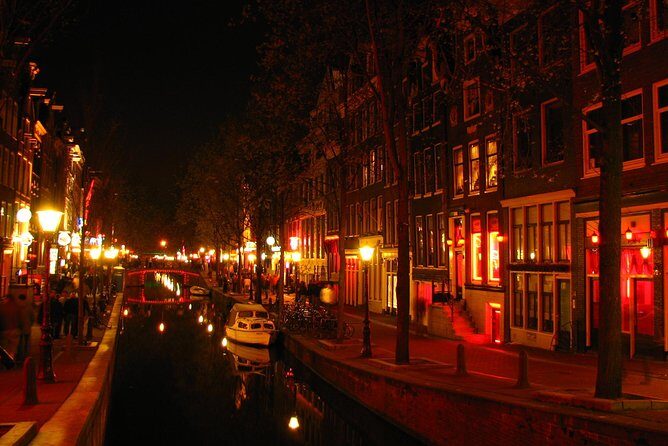
The core of the tour is the Red Light District walking segment, and it’s built around explanation, not shock value. You’ll learn about the colorful history of the area, including prostitution and how the neighborhood became tied to coffeeshop culture.
This is where a good guide earns their money. You should expect clear, practical info: what the area is today, why it developed this way, and how Amsterdam’s culture and rules shaped what you see on the street. A private guide also makes it easier to ask questions that you might hesitate to ask in a crowd.
One consideration: you’ll see adult-themed elements as you pass through. That’s part of the point. So if your goal is to avoid anything adult, this exact route is probably not for you.
Old Church and Chinatown: why the walk feels bigger than one square block
Even though this is a Red Light District tour, you won’t only stay inside that box. The highlights include passing landmarks like the Old Church and Chinatown, which broadens the feel of the area.
This matters because Amsterdam’s districts don’t stay in neat borders. You’ll start to notice how commercial streets, old religious sites, and immigrant community areas fold into the same general geography. The result is that the Red Light District doesn’t feel like an isolated set piece. It feels like part of a real city neighborhood with neighbors and history.
If you like tours that give you perspective—rather than just a single-theme highlight—this route will likely work well for you.
You can also read our reviews of more tours and experiences in Amsterdam






Pub The Ape (Int Aepjen): a wooden survivor from the 1540s
One of the most concrete, eye-catching stops is Pub The Ape, also known as Int Aepjen. The guide will tell you it was built around 1540 and that it’s one of the rare remaining wooden buildings in Amsterdam.
You’ll also hear why this is special. There was a major fire in 1452, and after that, the government pushed for brick facades. That turns Pub The Ape into more than a quirky pause. It becomes a physical clue about how Amsterdam changed its building rules after disaster.
This is a good moment for anyone who likes “look closely” travel. You’ll come away with something you can recognize from the outside, and you’ll know why it still survived when so much else didn’t.
Waag: a defensive gate turned guild space
Next up is the Waag, once one of Amsterdam’s city gates. You’ll learn it was built around the 1400s, and that it’s the second oldest building of Amsterdam.
The interesting twist is how the building’s job changed. It started as a defensive wall/gate structure, then later became a meeting place for craftspeople and guilds. The guide will connect this to how crafts and organized trades shaped the city around the square.
Why this is valuable on a Red Light District tour: it reminds you that the area wasn’t always about entertainment or adult commerce. It has long been tied to the practical workings of city life—defense, trade, and organized work. That context keeps the story from flattening into stereotypes.
The smallest house and the VOC link that explains long-term living
Another stop is the smallest house of Amsterdam, built around the 1700s. The guide will share that it first served as storage for the VOC trading company, and later people lived there for a very long time.
This is one of those details that makes history human. A tiny space used for storage becomes a long-term home. It’s a reminder that Amsterdam’s wealth and global trade didn’t automatically mean spacious comfort for everyone.
If you’re traveling solo or just like oddball facts, this stop tends to land well. It’s also a good chance to ask questions about how city life worked during different eras—something a private guide format makes easier.
Condom shop since 1987: modern trade meeting old streets
Yes, you’ll also see the world’s first condom shop special for condoms, which has been in place since 1987. The guide explains that you can get sizes customized and shop for special condom types.
This stop can feel surprising in the middle of older architecture, but that’s exactly the point. Amsterdam’s Red Light District isn’t frozen in time. It mixes strict rules, adult commerce, health realities, and modern retail in the same walking area.
The practical takeaway for you: don’t treat the neighborhood as one mood. It’s a working district with changing services. A good guide helps you notice that instead of just reacting to one element.
Food tastings: how to enjoy the bites without rushing the story
Food is built into the route, with tastings happening at different places during the Red Light District segment. Even though the exact items aren’t listed here, you can expect small stops where you pause, taste, and keep moving.
This is one of the best ways to handle a neighborhood that can otherwise feel tense. Food gives your brain a reset. It also makes the whole experience feel more normal and local. You’re not only learning about adult culture—you’re sampling everyday edible culture that makes Amsterdam feel like Amsterdam.
My advice: don’t treat tastings like a snack you can “do later.” Take them when you’re offered, then use the chance to ask questions. Guides often connect food choices and local habits to the area’s larger story, which is where the value kicks in.
What you’ll actually get from the guide (and why it matters)
This tour is built around facts and insight, not generic narration. A strong sign is that guides are known for clear explanations and humor that doesn’t make light of the topic. People specifically highlighted guides like Aaron for very well done information, Sander for strong knowledge plus a sense of humor, and Tony for answering questions and pacing to match needs.
So what should you watch for when you join? Look for a guide who explains why things exist, not just what you’re seeing. In this district, it’s easy to get stuck on the surface details. The best guides connect those details to how Amsterdam thinks about order, commerce, and culture.
Also: private means you can shape the pace. If you want more history at Waag and Pub The Ape, you can ask. If you’d rather spend more time on coffeeshop culture context, you can lean that way. This is explicitly customizable to your interests and needs.
Duration and pacing: 2 hours is enough, but wear good shoes
The walk is about 2 hours. That’s a solid length for a focused introduction without turning into a marathon. With stops built into the schedule—plus food tasting pauses—you’ll likely cover key sights while still having time for questions.
Do yourself a favor and wear shoes you can stand in for a couple hours on city streets. This isn’t a sit-down museum tour. It’s a street tour, and the city’s cobbles and foot traffic can add up.
Because it’s private, the pacing can be smoother than a group bus-style tour. You’re not constantly stepping out of people’s way or losing your place.
Price and value: what $121.52 is buying you
The price is $121.52 per person, for a private tour around 2 hours, offered in English. That sounds steep until you compare it to what you’re actually getting: a specialist guide, a tight route through multiple major stops, and food tastings included.
Here’s the value logic I’d use: you’re paying for someone to turn a confusing, adult, often misunderstood neighborhood into an organized story. If you’ve ever wandered the Red Light District and felt like you were guessing, you already know why a guide matters. Also, the itinerary doesn’t just repeat the same photo spots. It links the district to Amsterdam’s older infrastructure and landmark buildings like the Waag and Pub The Ape.
You may also benefit from group discounts depending on how your group is formed. And since this is a private tour, you’re not sharing your guide time with strangers. If you’re traveling with a partner or a small group and you want real understanding, the price can feel fair.
Who should book this tour with food tastings
This tour is a strong fit if you want more than street theater. You’ll likely enjoy it if you’re curious about Amsterdam’s rules and culture, and you like history that you can point to on the street.
It also works well for first-time visitors who want context fast. One of the most useful things you can take from a short private tour is a mental map of what you’re seeing, so later you can wander on your own with better instincts.
It may not be ideal if you’re sensitive to adult subject matter or you want an ultra-family-friendly experience. Keep your expectations aligned and you’ll probably have a better time.
Should you book it?
If you want a Red Light District experience that’s explained, paced well, and wrapped in food tastings, I’d say book it. The stop list hits both sides of Amsterdam: adult neighborhood reality and the older landmarks that show the city’s deep infrastructure and trade history.
If you’re likely to feel uncomfortable with adult themes, you might skip this one and choose a different Amsterdam tour focused on architecture or art. But if you’re open-minded and you want the area to make sense, this private format is exactly the kind of guided walk that turns questions into answers.
FAQ
How long is the private Amsterdam Red Light District tour with food tastings?
It lasts about 2 hours.
What is the price per person?
The price is $121.52 per person.
Is this tour private or shared?
It’s private. Only your group participates.
What language is the tour offered in?
The tour is offered in English.
What does the tour include besides walking around the Red Light District?
It includes food tastings and passes by landmarks such as the Old Church and Chinatown. You’ll also visit several specific historical stops.
Are there any admission tickets required?
The admission ticket is listed as free.
Where do we meet for the tour?
The start point is ParkBee Parking NH Collection Amsterdam Barbizon Palace, Prins Hendrikkade 59, 1012 AD Amsterdam, Netherlands.
Do they use a mobile ticket?
Yes, the tour uses a mobile ticket.
Is it possible to cancel and get a full refund?
Yes. There’s free cancellation, and you can cancel up to 24 hours in advance for a full refund.
Are service animals allowed?
Yes, service animals are allowed.