REVIEW · AMSTERDAM
Amsterdam: Rijksmuseum Masterpieces Guided Small Group Tour
Book on GetYourGuide →Operated by Babylon Tours Amsterdam · Bookable on GetYourGuide
Golden Age art, made understandable.
This tour is a smart way to see the Rijksmuseum without wandering in circles, because your guide gives the bigger Dutch story behind the paintings. You get timed entry to the permanent collection, then a guided walkthrough that connects the art to Holland’s cultural and political world.
I especially love the focus on Vermeer, Rembrandt, and Van Gogh—you’re not just name-dropping masterpieces, you’re learning what makes each work matter and how techniques connect to the era. I also like the small-group feel (up to 12 adults), which keeps the questions flowing and makes it easier to follow along.
One thing to weigh: there’s moderate walking, and the museum visit is not set up for travelers who need full step-free access. If mobility is a concern, you’ll want to ask about the “wheelchair-friendly” option before you go.
In This Review
- Key Highlights Worth Booking For
- Timed Entry That Keeps the Museum From Feeling Like Homework
- More Than Paintings: The Museum’s 13th-Century-to-Golden-Age Connection
- The Dutch Golden Age Story Your Guide Brings to Life
- Your Main Stops: Night Watch Energy and the Big Three Artists
- A Guide Can Make or Break a Museum Visit
- Walking Through the Rijksmuseum With a Real Plan
- Who This Tour Fits Best (and Who Might Find It Frustrating)
- Price and Value: Is $106 Worth It?
- Should You Book This Rijksmuseum Masterpieces Tour?
- FAQ
- How long is the Rijksmuseum Masterpieces guided small group tour?
- Is this tour a small group or can I book privately?
- Which languages does the live guide speak?
- What does the tour include?
- Are temporary exhibits included?
- What art and themes will I focus on?
- What should I bring?
- Is the tour suitable if I use a wheelchair?
Key Highlights Worth Booking For

- Timed entry to the Rijksmuseum permanent collection, so your time stays focused on the art
- Art historian guidance that explains stories, techniques, and significance behind the works
- Up to 12 guests for a calmer pace than a big bus tour
- Dutch Golden Age context linking art to Holland’s political and cultural world
- A guided tour inside the museum plus a short walking tour before you settle in
- Multiple language options including English (plus French, Dutch, Spanish, Italian, Portuguese)
Timed Entry That Keeps the Museum From Feeling Like Homework
At the Rijksmuseum, the hardest part isn’t finding famous paintings. It’s getting from “I’m here” to “I actually get it.” This tour is built to solve that with pre-booked timed entry, so you walk in with a plan instead of losing time to lines and deciding where to start.
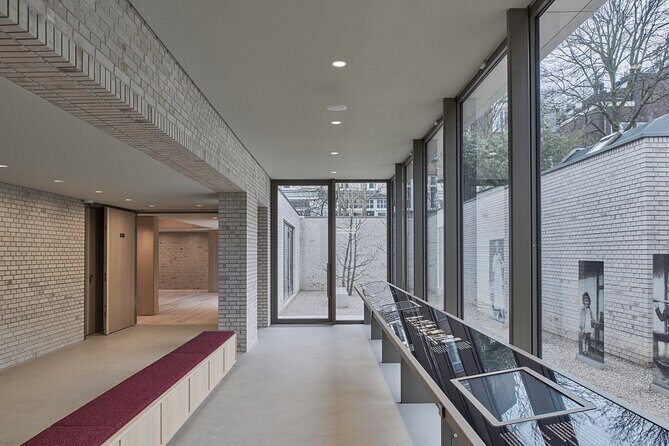
The museum itself has been recently renovated, and that matters for first-timers. Renovations often change circulation and sightlines, so going with a guide is a big advantage: you’ll spend your 2.5 hours seeing the works and the story, not working out the building like it’s a maze.
A practical point: your schedule is tight—2.5 hours is not a whole-day museum marathon. That’s good value if you’re the kind of traveler who wants the “best first” approach, then returns later at your leisure with a clearer map in your head.
You can also read our reviews of more guided tours in Amsterdam



More Than Paintings: The Museum’s 13th-Century-to-Golden-Age Connection
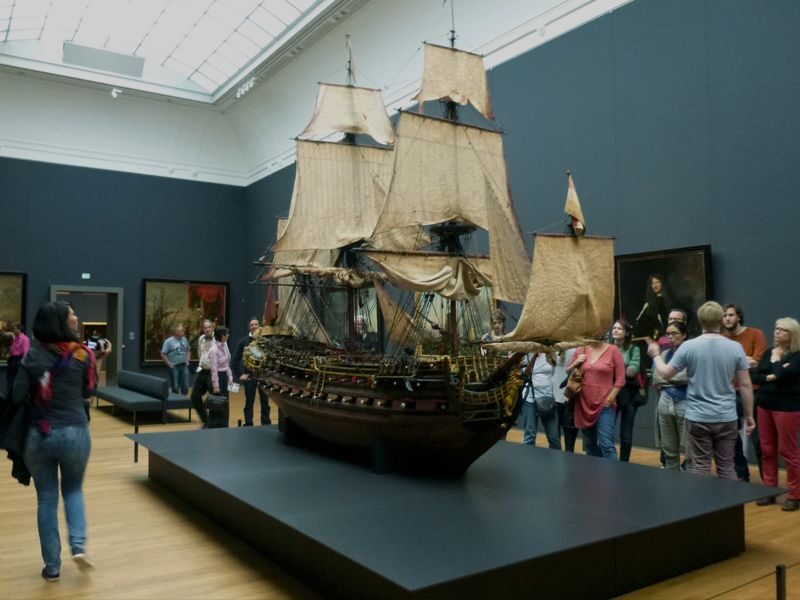
This tour doesn’t treat the Rijksmuseum like a single-artist greatest-hits album. The permanent collections cover crafts and historical pieces dating back to the 13th century, which gives the Dutch Golden Age context a real backbone.
Your guide is there to connect the dots: why these paintings look the way they do, what they were doing culturally, and how Holland’s political and artistic scene shaped what artists were rewarded for. You’ll also hear about how the museum organizes the story of Dutch art—so when you later wander on your own, you’ll understand why certain galleries feel like stepping stones rather than random rooms.
This is the part that makes the tour feel more than “a walk with commentary.” The best guided moments are when you realize the art is a kind of historical document. A painting isn’t only about style; it can be about trade, civic pride, religion, class, or who held power.
The Dutch Golden Age Story Your Guide Brings to Life
The headline promise is the Dutch Golden Age, and that’s exactly the right theme to start with in Amsterdam. The Netherlands’ 17th-century Golden Age is one of those periods where art and society are tightly linked. Your guide uses that idea to frame what you’re seeing, so names like Rembrandt and Vermeer land with meaning instead of floating as trivia.
You’ll hear the “why” behind key works: stories, techniques, and significance. Guides who really know how to teach can turn a painting into a conversation with the past. The tour is designed for that: your guide doesn’t just point at highlights—they explain how to look.
One extra bonus: the museum gives you access to both famous and less-famous material as part of the guided flow. That helps you avoid the common first-time problem where you only chase the one or two paintings you already know.
If you want a simple strategy for getting the most out of it: ask yourself what your guide says is the painting’s job—entertain, persuade, display status, record an event, or show technical skill. That single question makes the tour’s explanations stick.
Your Main Stops: Night Watch Energy and the Big Three Artists
The tour centers on masterpieces tied to Dutch Golden Age art, with featured works by Vermeer, Rembrandt, and Van Gogh. Even if you’ve seen photos before, the live version usually hits harder because you notice the craft and the scale.
Rembrandt is often the moment when people start paying attention in a new way. One frequently mentioned highlight is Rembrandt’s The Night Watch, and it’s easy to understand why once your guide places it in context. The painting isn’t only dramatic—it’s about group identity, civic life, and how portraiture can function like public theater.
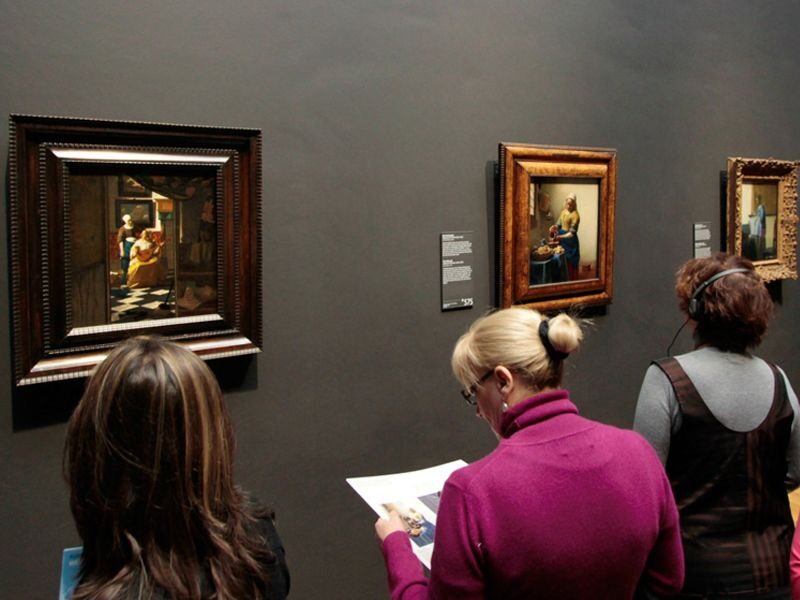
Vermeer brings a different kind of impact: quiet intensity. Your guide’s job here is to help you see what’s going on with light, composition, and the small decisions that create a sense of realism. If you’ve ever walked past a Vermeer and thought it looked too calm, a good explanation can reframe it as carefully built observation.
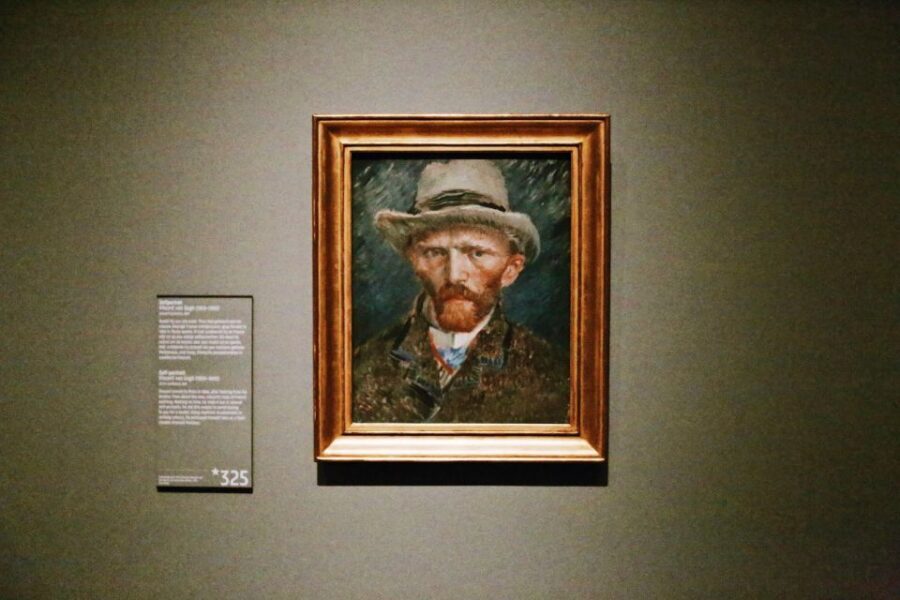
Van Gogh is the wild card in a Golden Age theme, because he comes later. That’s actually why he can be a great inclusion. When your guide connects him to the wider Dutch art story, you get a sense of continuity and change—how styles and ideas evolve rather than resetting to zero.
Tip: if your mind tends to wander in museums, make yourself do one thing each time your guide points to a painting—identify the subject and then ask what detail your guide says is the key. It turns the tour into an active hunt.
A Guide Can Make or Break a Museum Visit

This is where the small-group format pays off. You’re limited to 12 adults maximum for the group experience, and there’s also a private option. That smaller size makes it more likely your guide can address questions, not just deliver a one-way talk.
The art-historian role matters because you’re not only learning what a painting is. You’re learning how to interpret it. And the best guides also have pacing skills—slowing down for important points, then keeping momentum so you don’t burn time in the wrong spot.
You can also expect strong language support. The tour lists multiple languages, including English (along with Spanish, Portuguese, Italian, Dutch, and French). In practice, that’s huge if you want details, because art-history nuance often depends on phrasing, not just vocabulary.
Names that have shown up in guidance on this kind of experience include Henk (from Henkstours.nl) and Frank—both repeatedly described as enthusiastic, clear, and good at answering questions. Even if you don’t get the same guide, it signals what the tour aims to deliver: a teacher, not a script reader.
And yes, sometimes plans go sideways. There’s a note from a previous booking that help and professionalism were handled smoothly when there was a hiccup. That’s reassuring: you’re less likely to feel stuck if something unusual happens on the day.






Walking Through the Rijksmuseum With a Real Plan
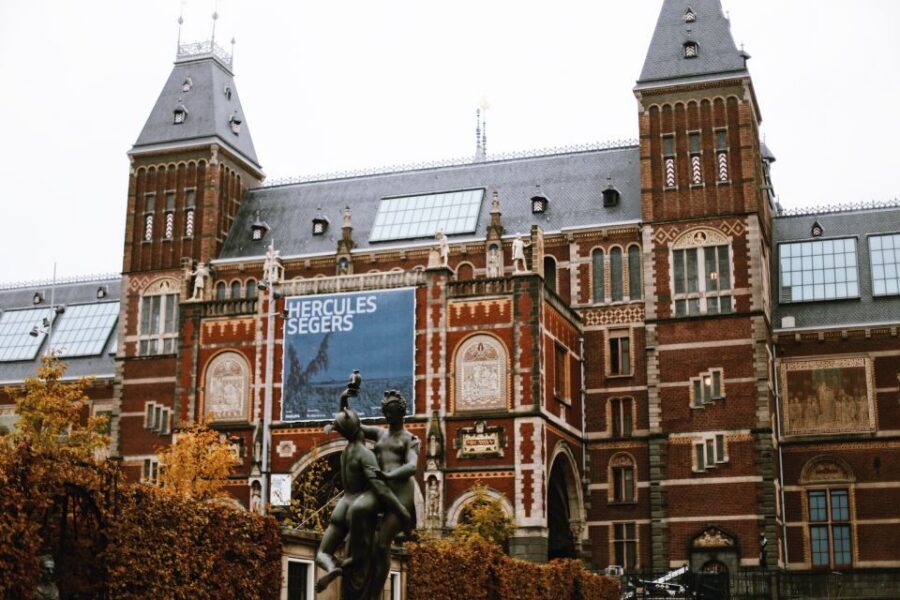
Inside the museum, the guide’s flow is everything. You’ll start by entering with your guide using your timed entry ticket for the permanent collection. Then you follow a guided route that includes a walking tour component and a museum tour component, all within about 2.5 hours.
The “drawback” of a fixed route is obvious: you’re not free to spend 20 minutes staring at one corner. If you’re the type who likes to linger, you might leave wanting more. But that’s also a good sign—you now know what to return to later, armed with better context.
This tour also focuses on the permanent collection, not temporary exhibits. If you’re the type who travels for current blockbuster shows, you’ll need a separate plan for those. Still, for most first-timers, the permanent collection is where the Rijksmuseum really earns its reputation.
Who This Tour Fits Best (and Who Might Find It Frustrating)
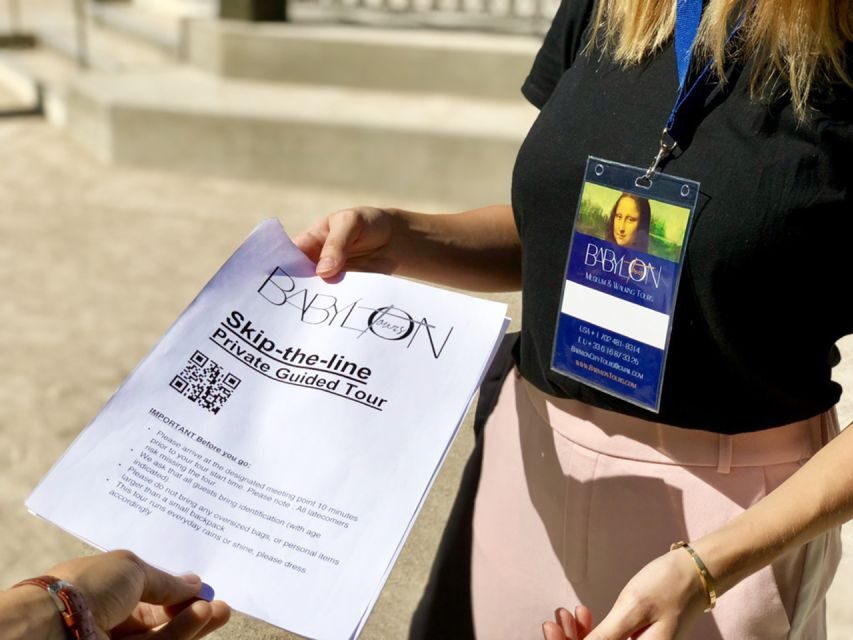
This works best for first-time visitors who want the “core story” quickly. If you’re visiting Amsterdam for a few days and you want your museum time to count, you’ll probably love this format.
It also fits well if you:
- enjoy art with historical context
- want someone to translate the visual cues into meaning
- like small groups and live Q&A
It may not fit well if you:
- need lots of personal space and quiet without questions
- dislike moderate walking
- rely on wheelchair access in a strict way
On accessibility: the info you’re given includes wheelchair-friendly tours upon request, but it also states it’s not suitable for wheelchair users. If accessibility is important for you, treat that as a “confirm before you book” moment.
Price and Value: Is $106 Worth It?
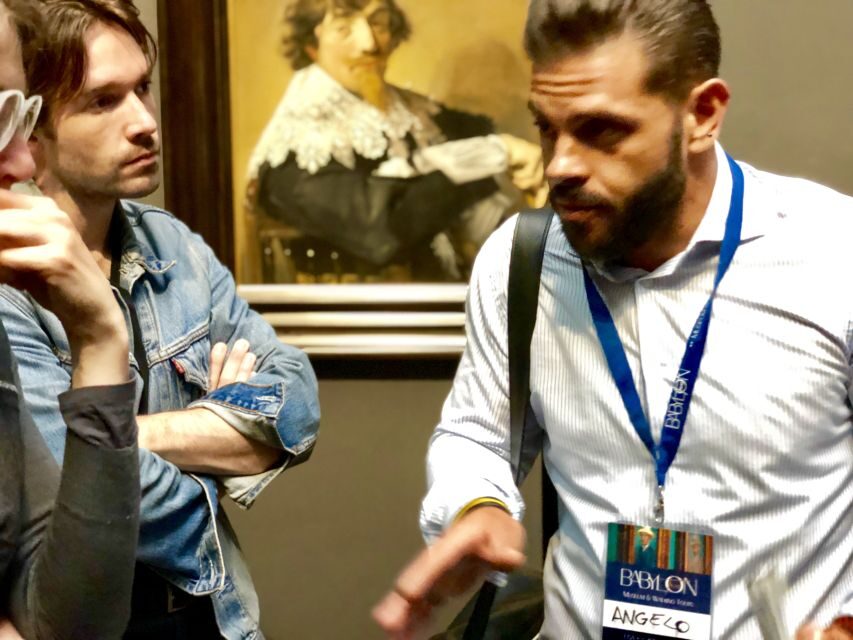
For $106 per person, you’re paying for three main things: timed entry, a professional art historian guide, and guided time inside the museum (plus a walking tour). If you go solo, you can absolutely see the Rijksmuseum—no one stops you.
So the value question becomes: what’s your goal for 2.5 hours?
If your goal is to leave with a clearer understanding of the Dutch Golden Age and what makes major works significant, the guide is the value engine. Without that, many people spend time reading labels and still wonder what they’re supposed to notice. With the guide, you get explanations tied to the works you’re standing in front of.
If your goal is purely visual browsing—no context, no guided narrative—then you might decide the standard museum visit is enough. But for first-timers who want direction, a timed, guided approach is often the most efficient use of limited time in Amsterdam.
Should You Book This Rijksmuseum Masterpieces Tour?
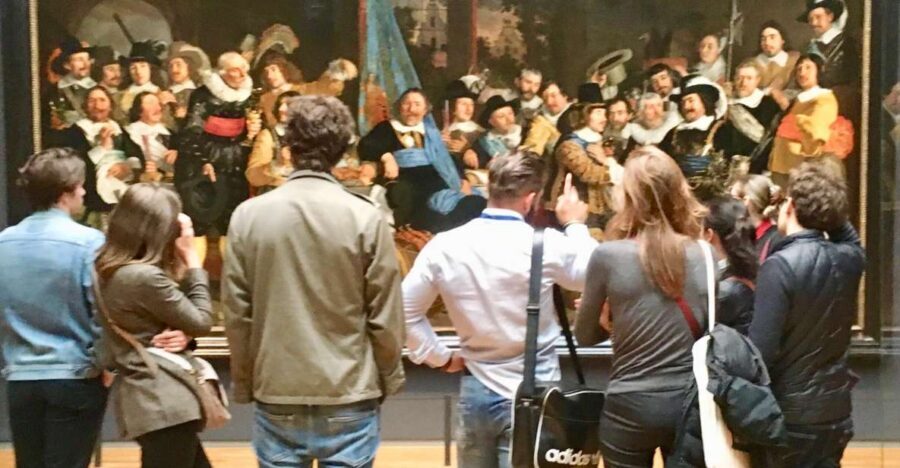
Yes, if you’re a first-timer and you want structure. Timed entry helps, and the art historian-led format helps even more. You’ll come away with a much stronger sense of what the Dutch Golden Age produced, why it mattered, and how major names connect to the era.
I’d skip or at least reconsider if you:
- can’t handle moderate walking
- want to spend lots of solo time lingering at individual paintings
- are mainly chasing temporary exhibits
FAQ
How long is the Rijksmuseum Masterpieces guided small group tour?
The tour lasts 2.5 hours.
Is this tour a small group or can I book privately?
It’s offered as a small group tour with a maximum of 12 adults, or as a private tour.
Which languages does the live guide speak?
The live tour guide is listed in Spanish, Portuguese, Italian, English, Dutch, and French.
What does the tour include?
Included are a timed entry ticket to the Rijksmuseum permanent collection, a professional art historian/guide, a walking tour, and a museum guided tour.
Are temporary exhibits included?
No. Temporary exhibits are not included.
What art and themes will I focus on?
You’ll learn about the Dutch Golden Age and the distinguished collection, including works by Vermeer, Rembrandt, and Van Gogh.
What should I bring?
You should bring a passport or ID card and wear comfortable shoes.
Is the tour suitable if I use a wheelchair?
The information says wheelchair-friendly tours are available upon request only, but the tour is also listed as not suitable for wheelchair users. It’s best to confirm your needs in advance.